


Russian shadow fleet ships could be seized by British special forces after ministers reportedly identified a new legal basis for raids.
Soldiers could target illegal oil tankers in a move to place further economic pressure on Vladimir Putin, days after the UK supported a US operation to seize a Russian-flagged tanker in the North Atlantic.
A defence source confirmed to The Times that options to seize further vessels are being considered. No timeframe has been given for potential missions, but the Special Boats Service (SBS) would likely lead the raids.
It comes amid mounting concern over the state of Britain’s hollowed-out armed forces in the face of growing threats from Russia and China – despite the prime minister’s repeated promises to make Britain “battle ready”.
Officials have reportedly identified legal grounds under the Sanctions and Anti-Money Laundering Act (2018), which would allow British soldiers to raid and detain oil tankers.

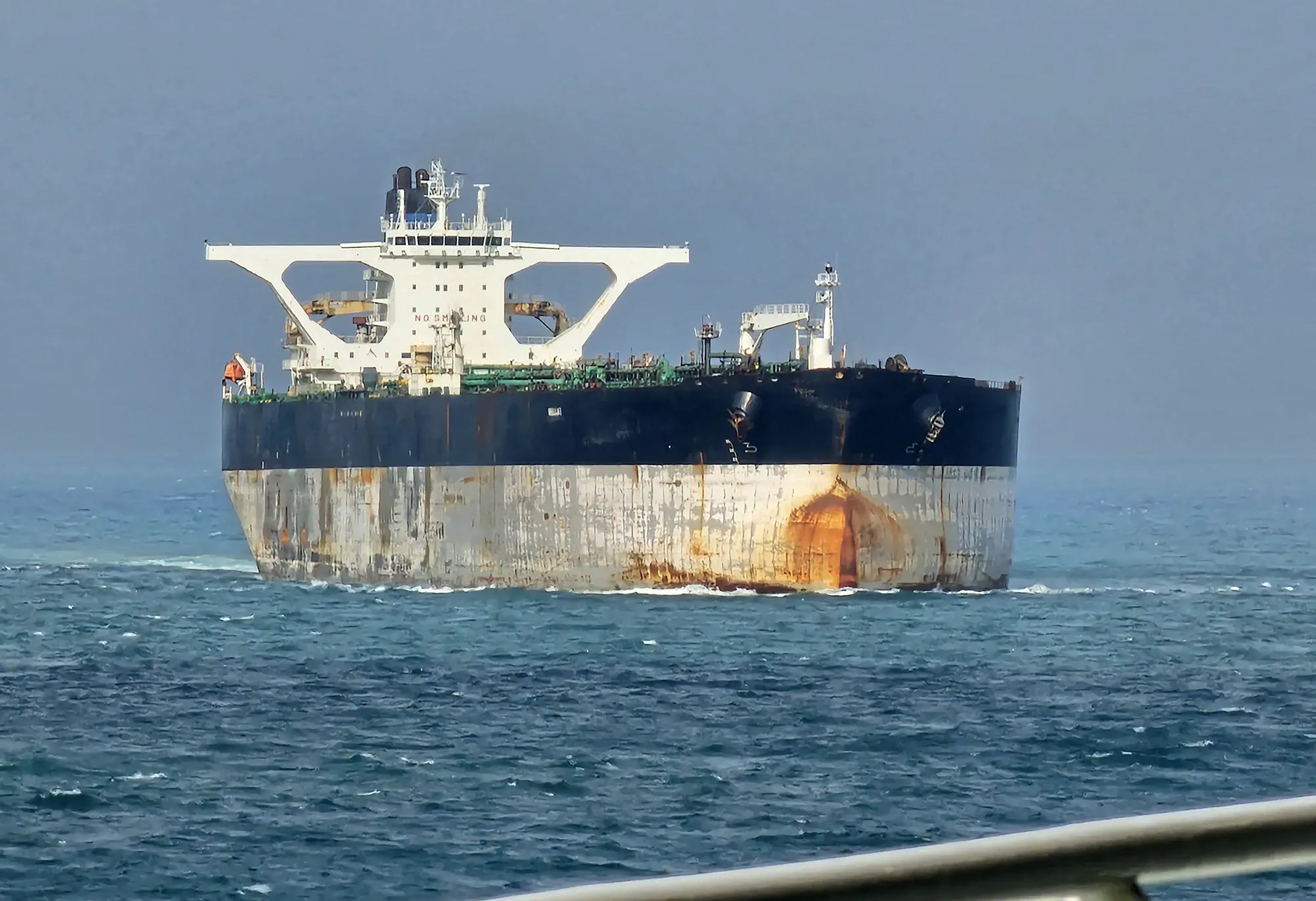
Maritime law states that ships must be registered to a specific country or territory and display its flag. If a ship fails to do this, it could be deemed stateless, which has to be established for the UK to seize a vessel.
The Ministry of Defence (MoD) said: “It has been the longstanding policy of successive governments not to comment on the activities of special forces.”
Last week, British armed forces provided support in the capture of the Marinera, a Venezuelan-linked vessel previously known as Bella-1, as it travelled north and eastwards through the waters between Iceland and Scotland.
The UK supported the operation at the request of US president Donald Trump as part of “global efforts to crack down on sanctions-busting and shadow shipping activity”, he said.
Defence secretary John Healey told MPs the ship had a “nefarious history” and was “part of a Russian-Iranian axis of sanctions evasion which is fuelling terrorism, conflict and misery from the Middle East to Ukraine”.
He said the seizure was legally justified and that the tanker had been “stateless” and falsely flying the flag of Guyana when it was first intercepted, before changing its name and attempting to adopt the Russian flag.

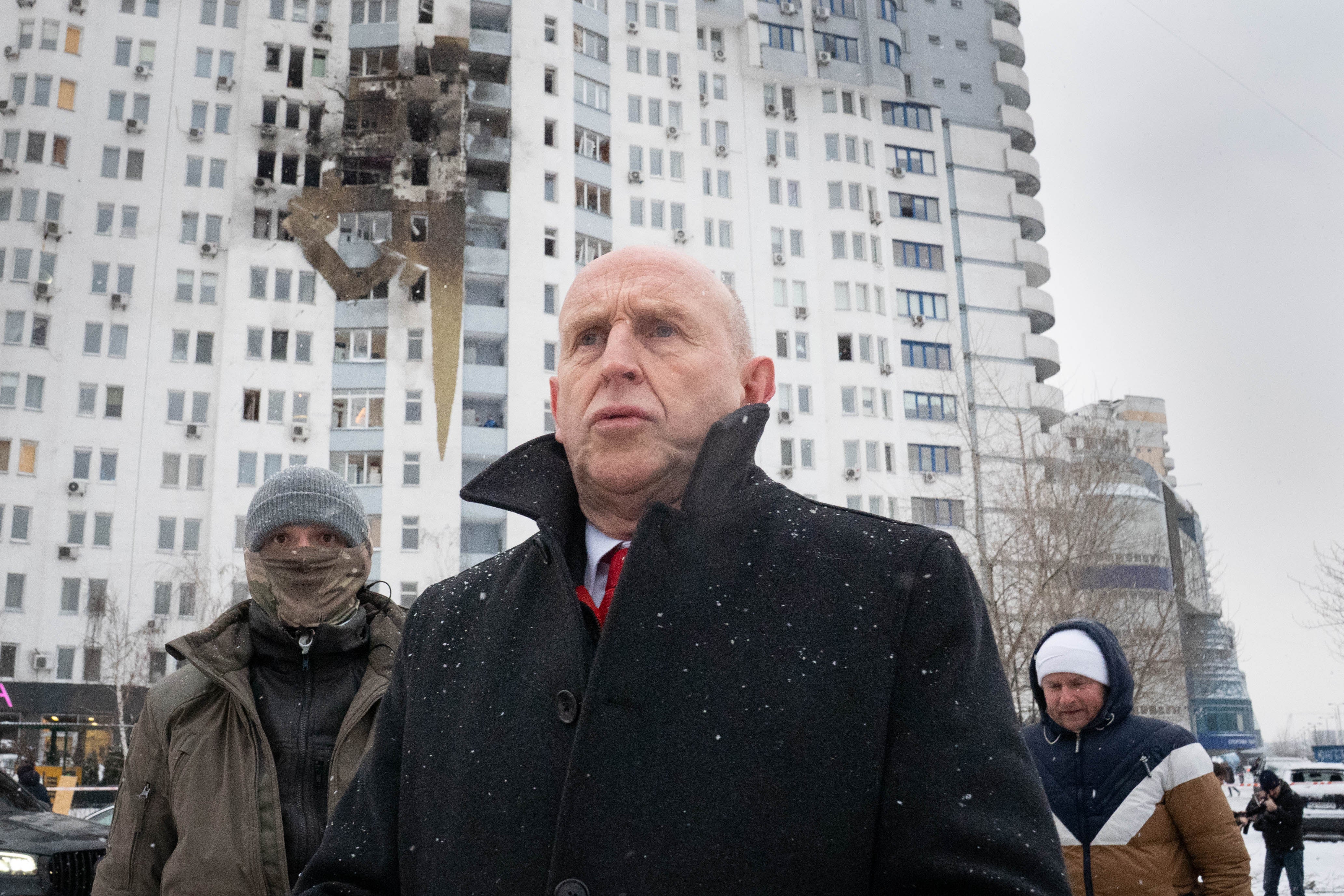
The development comes as the UK’s top military chief admitted Britain currently has no plan for how to mobilise doctors, nurses and hospitals in the event of all-out war.
Giving evidence in front of the Commons defence select committee on Monday, Air Chief Marshal Sir Richard Knighton said the UK currently doesn’t have a “complete plan for how we would mobilise the National Health Service in the event of armed conflict at an Article Five level”.
Sir Richard also admitted there is not enough money to continue all planned military programmes on top of doing everything outlined in the strategic defence review (SDR), but became visibly irritated when MPs suggested the military may have to make cuts.