


About 70 percent of kids are on electronic devices during dinner — but the number of parents consuming media during the family-centric meal is even higher, according to a new study.
A survey of over 350 parents found that more than 75 percent used media like smartphones or TVs during dinner, with smartphones being the most common distraction, according to a new study published Monday in JAMA Pediatrics.
The parents said that their children, whose ages ranged from four to 10, were almost as likely to use media. The study found that 70 percent of children were also engaging in some form of media use.
Media use is seeping into our lives, possibly more than we realize, Cecilia Sada Garibay, a co-author of the study, told CNN.
“If you have your device and you’re constantly checking it at the table, it can affect a valuable moment parents have with their children in the day, and it can have some effect on the relationship they have with their children,” Sada Garibay said.
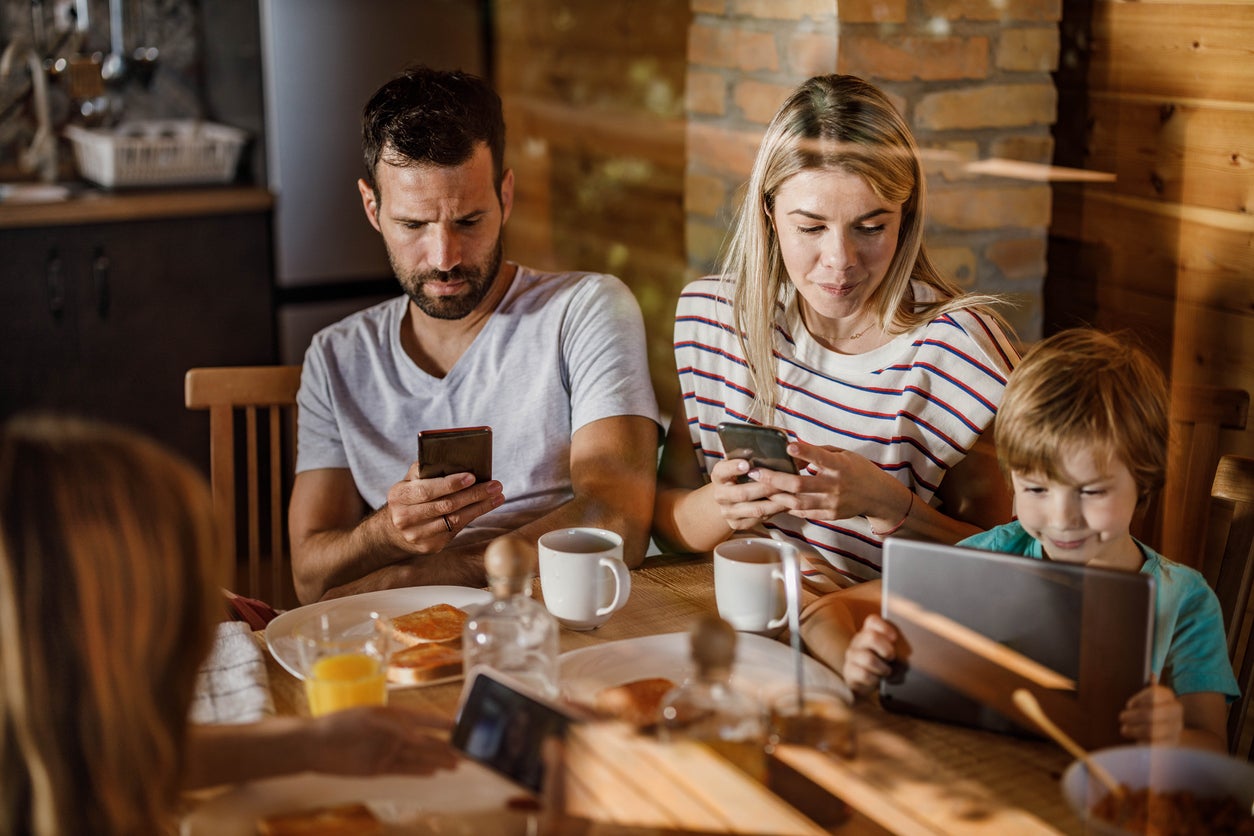
Researchers say that families who make a habit of sitting down to eat together — without distractions — benefit from it. They say those families are more likely to eat healthy, have higher emotional satisfaction and a lower risk of substance abuse amongst teens.
Those emotional benefits don’t come from the food being consumed, said Dr. Margie Skeer, a public health and community medicine professor at the Tufts University School of Medicine.
“It’s that family meals can provide a built-in space for checking in, sharing feelings, emotions. It’s consistent family connection,” Skeer, who was not involved in the research, told CNN.
Skeer said that when parents make the time to connect with their kids at the dinner table, children realize “they’re actually being prioritized, because we do live in a very busy world.”
The new study looked at the rates of media use amongst parents and children, as well as the types of media being used. It compared things like watching a TV show together and individual smartphone use.
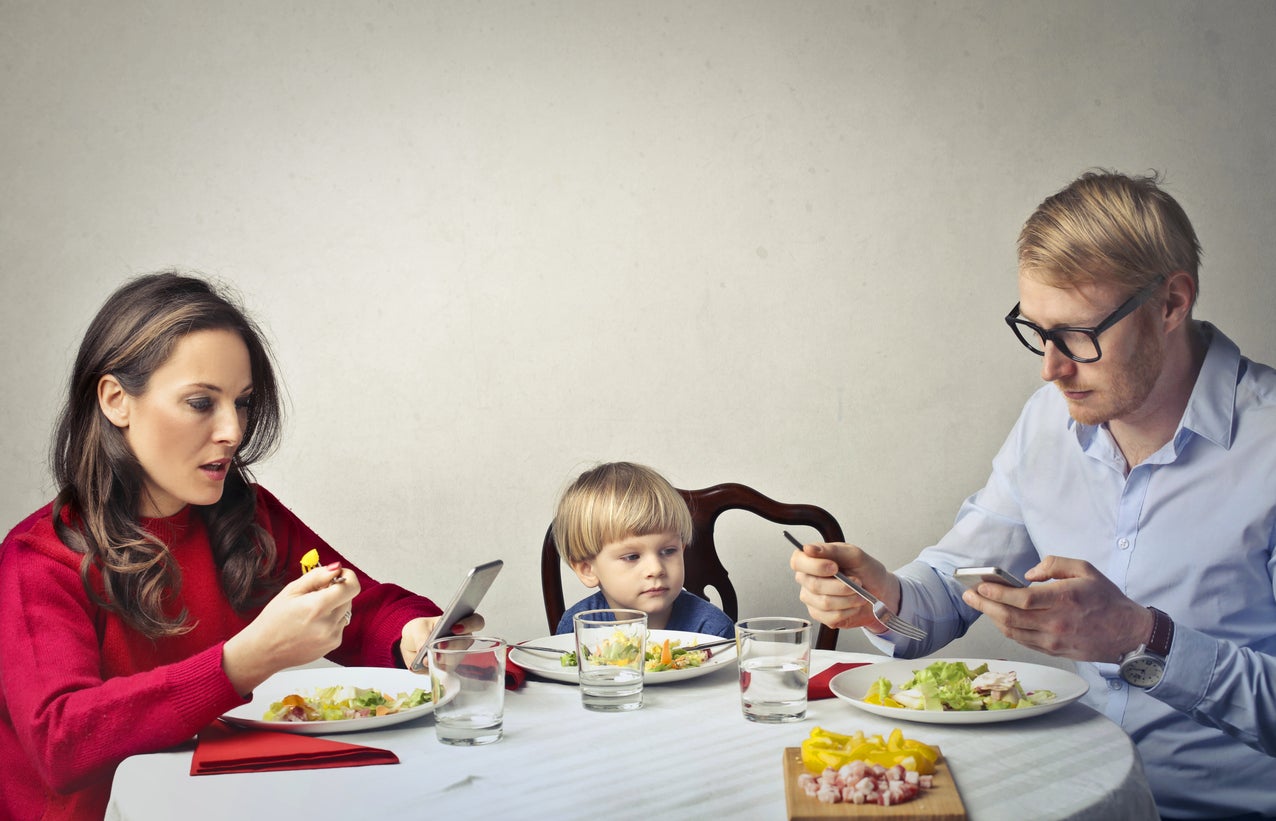
“What is changing is this fact that this shared experience, shared media use, is being substituted by individual media use,” Sada Garibay said. “Now each member in the table, they can be together, but each one is doing something absolutely different to the others.”
The benefits of a meal together diminish when children — and parents — are glued to their phones, Sada Garibay noted.
Experts suggest trying to find ways to incorporate that special family time, even if the “meal” looks more like a snack.
“If you’re a parent or guardian or caregiver, anyone who’s raising a child, and you had five minutes every day where you literally were sitting or standing and looking at each other and talking to each other and having a daily check-in, that would give a lot of benefit, too,” Skeer said.