


The Reform bubble has spectacularly burst in Makerfield with the party’s crushing defeat to Andy Burnham – and shows exactly why Nigel Farage will never become prime minister.
While the by-election itself will not be the reason for the demise of Reform’s hopes, it has shone a spotlight on why the idea that the party could march into Downing Street was somehow inevitable, was always very wide of the mark.
What we are seeing unfold is very similar to what happened in 1983 with the insurgent Social Democratic Party (SDP) picking up more than 25 per cent of the votes but only winning 23 seats.
Makerfield was not even a close victory for Mr Burnham as he now eyes his own inevitable march to No 10.
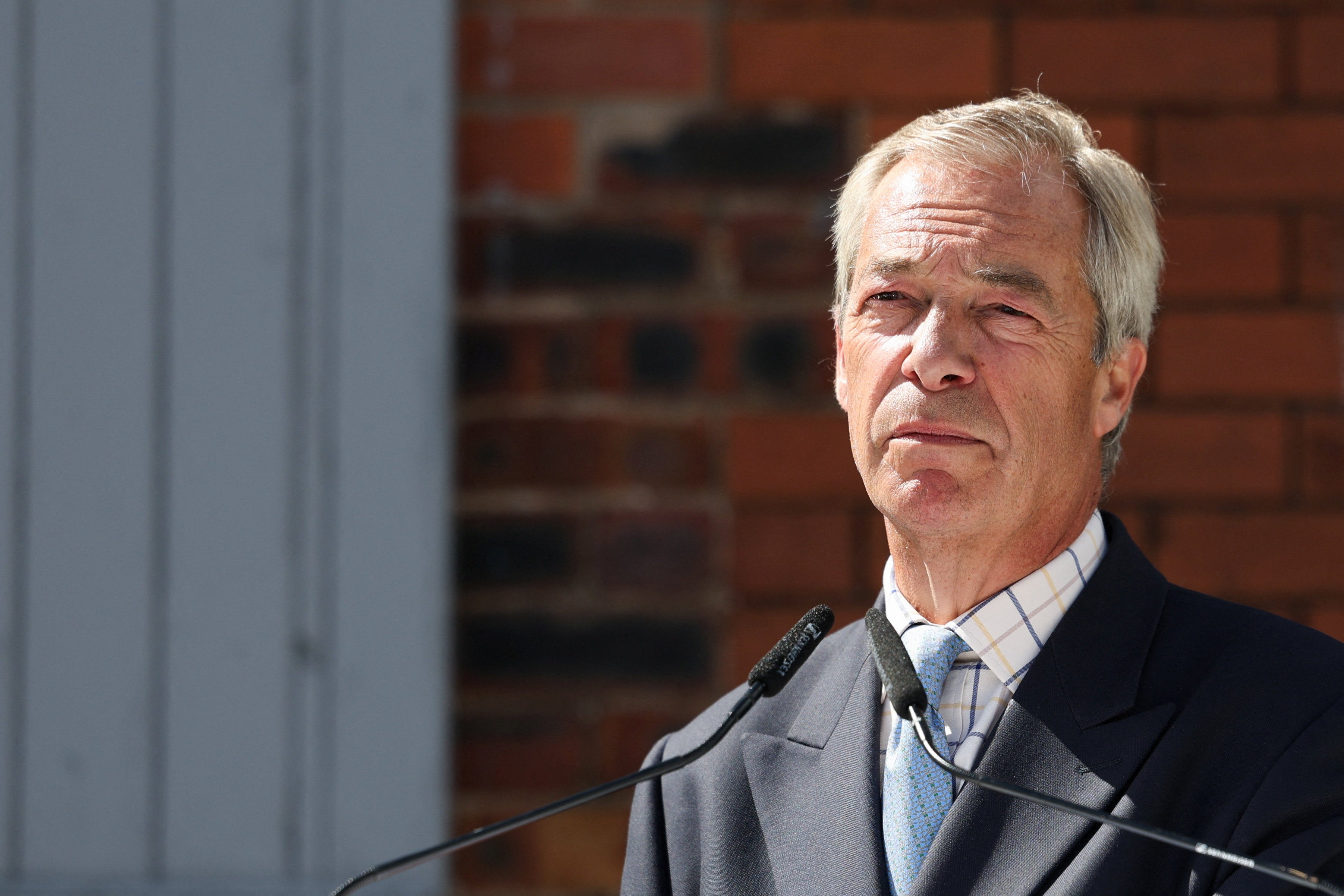
Reform lost by 20 percentage points and 10,000 votes to Labour, showing that good political skills and an ability to communicate was all that was needed to stop them in their tracks.
But in reality, other much more serious structural issues within Reform have made last night’s result something that was inevitable.
The cryptocurrency party
The biggest issue for Reform is that it has always depended on the personality and political skills of its leader, Mr Farage, and offered almost nothing in terms of substance, policy or political philosophy.
It is probably not a complete coincidence that their only serious economic policy for most of the past year has been to liberalise crypto currency.
Obviously, that has been spurred by the fact that crypto billionaires, such as Thailand based Christopher Harborne, have pumped cash into the Reform operation and handed over millions more to Mr Farage himself. But there is something symbolic about it too.
Like Reform itself, crypto is based more on vibes without any obvious substantial value. It has an empty quality to it just waiting to be found out when the bottom drops out of the market.
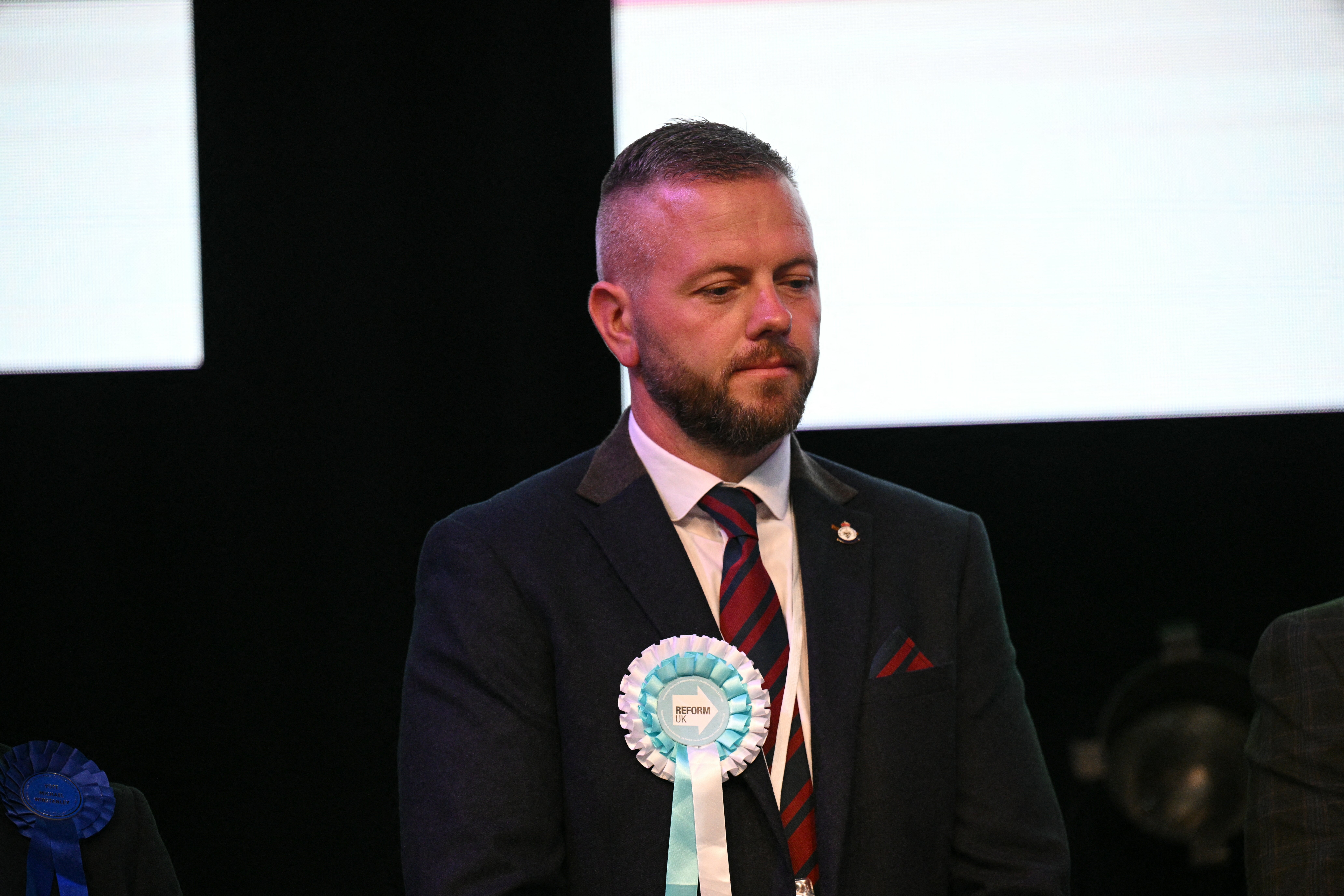
The sugar rush of polling putting the party above 30 per cent has long since passed and been on the slide. The reality, as tracked by Professor Sir John Curtice and others for some time now, is that Reform has been sliding to the mid-20 per cent.
And this makes them particularly vulnerable to an aspect of British politics which has been underpriced – tactical voting in the first past the post system.
Tactical voting
We first saw it last year in Caerphilly with the Welsh Senedd by-election where Labour voters leant their support to Plaid Cymru to stop Reform succeed. We saw it again in Gorton and Denton where the Greens were the beneficiaries. Now, Mr Burnham has galvanised that for Labour, getting Greens, Lib Dems and even Tories to vote for him to stop Reform.
There are already websites with well funded campaigns ready to help voters such as tacticalvote.co.uk, tactical.vote, and even stopreform.vote.
Pollsters YouGov has also provided some eye opening analysis on just how big it could be. It found that 58 per cent of Lib Dem and Green voters would tactically vote for Labour to stop Reform UK winning.
Some 77 per cent of Labour voters would tactically vote Lib Dem or Green to prevent Reform UK winning. And if only the Conservatives or Reform UK stood a chance of winning in their seat, voters would favour the Tories by 31 per cent to 24 per cent.

It means Reform could still be the biggest party in vote share but only win a handful of seats.
Tactical voting has been further encouraged by Reform’s dreadful candidate selections, including Robert Kenyon in Makerfield and his chequered social media history.
But this was not a one off. The extreme rhetoric of Matthew Goodwin in Gorton and Denton was his undoing, while a series of candidates with extreme views on race, women, Islam and homosexuality cost them hundreds of seats in the local elections.
It turns out that having neo-Nazi sympathisers on the ballot focusses the mind of people to vote tactically.
Meanwhile, Reform have clearly been spooked by Rupert Lowe’s Restore Britain on their right flank.
While Restore did not win anywhere near enough votes to make the difference in Makerfield, its presence has pushed Reform from a trajectory of being more centre ground back to a core vote strategy based on extreme rhetoric against migrants.
Reform’s London mayor candidate Laila Cunningham said they had failed to make the gains they should have in the capital because of home affairs spokesman Zia Yusuf talking up “mass deportation”.
Another ally of Mr Farage told The Independent that the mass deportation language cost the party “at least 500 council seats”. As one long term Farage ally noted: “Restore is now to Reform what UKIP used to be to the Tories. It is forcing them right and taking votes off them.”
Farage’s woman problem
It is also very clear that the party is proving to be a huge turn off for women. Picking a man like Kenyon, who proudly stated “I’m sexist, sorry but I am”, rather summed it up.
Mr Farage saying “so what?” and dismissing Kenyon’s comments on abortion and objectifying women as “pub talk” made it even worse. When your appeal starts off with just 50 per cent of the population then you have a problem.
But there is an even wider issue and that is the question over what Reform is other than a vehicle for blokish personalities.
It is already obvious that Mr Farage is looking tired and fed up. Now we have a number of people clearly positioning to replace him, whether that is Mr Yusuf, Tory defector Robert Jenrick or deputy leader Richard Tice.
All this paints a picture of a party that has very little to offer beyond dubious personalities.
After a night where Kemi Badenoch’s Tories won their own shock victory in Aberdeen South, it may be that former Conservatives like Jenick, who jumped to Reform thinking they were the future, may have made a fatally bad calculation.