




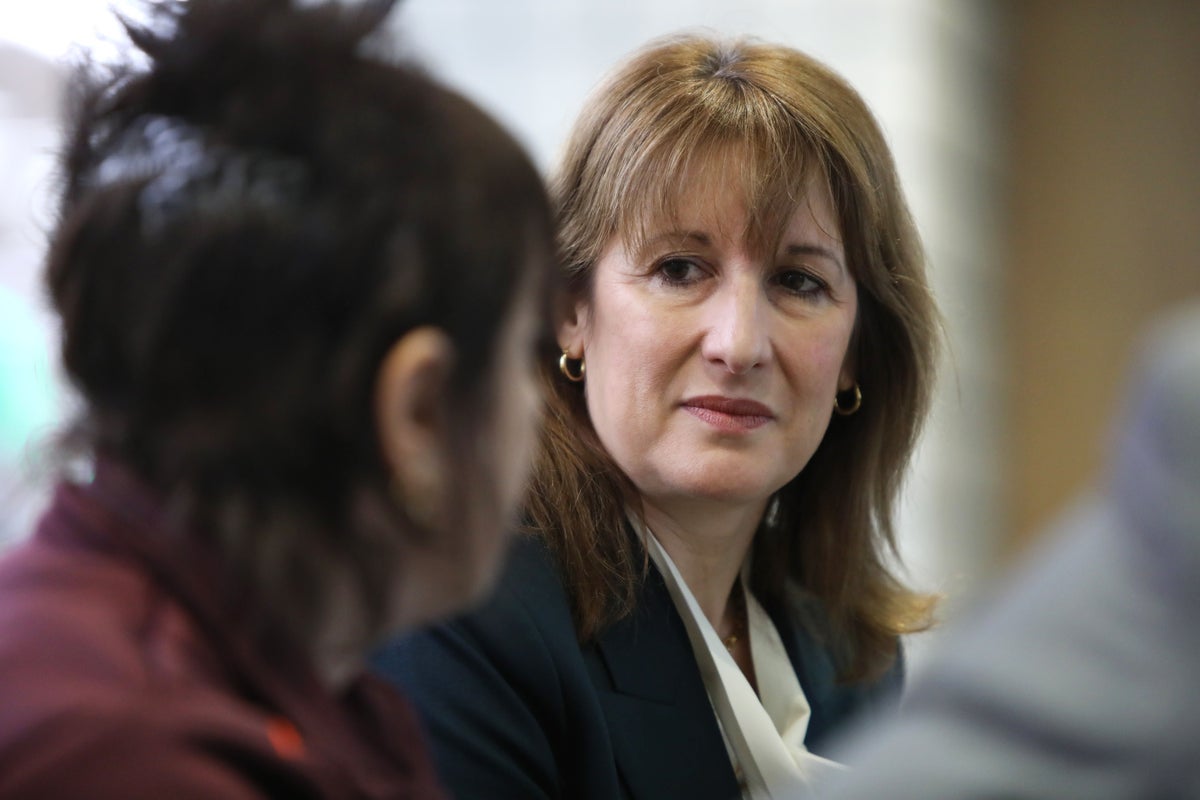
Rachel Reeves has described the US-Israeli war against Iran as a “mistake” which has not made the world a safer place, as she escalated her attack on the conflict.
Speaking at an event in Washington, the chancellor also argued that diplomatic talks to prevent Iran from getting a nuclear weapon should have been allowed to continue.
She said she was no fan of the Iranian regime, but added “I’m not convinced that we are safer today than we were a few weeks ago.”

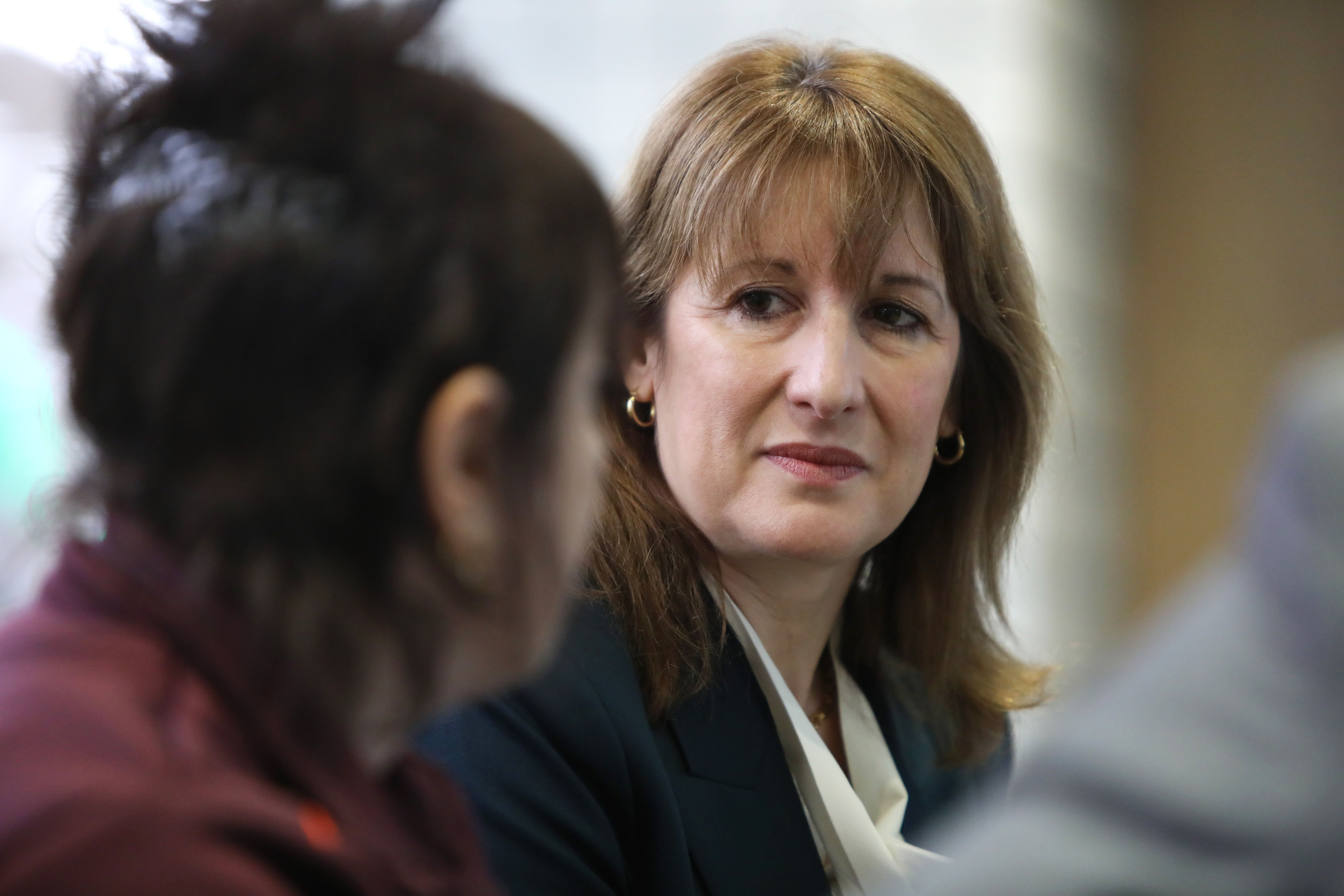
Her comments came just a day after she described the war as “folly” and hit out at Donald Trump for failing to have an exit plan.
Speaking at a CNBC event in the US capital, Ms Reeves said: “The question is not whether you like or dislike the Iranian regime – I strongly dislike the Iranian regime – but how to achieve the change that you want to achieve.”
She said Iran did not currently have a nuclear weapon and the best way to prevent the regime from getting one was through diplomacy not conflict.
At the event, on the fringes of the International Monetary Fund summit in Washington, she added: “There were diplomatic negotiations happening before this. So if the aim is to now to get diplomatic negotiations, well, they were already happening before the conflict started.”
She also hit out at the White House, saying: “We’ve never been clear about what the goals of this conflict is.”
She warned it was important to reopen the Strait of Hormuz, which is crucial to the world’s oil supply, to get energy prices down.
She added: “It was open at the beginning of this conflict – and that’s what I mean about being clear about what the objectives of this conflict is.”
But she insisted the the UK and US had a “long, lasting and enduring” relationship and claimed friends were allowed to disagree.
Earlier Keir Starmer insisted he “won’t yield” to Trump’s threats to rip up a historic UK-US trade deal as the row between the two men over the war on Iran intensified.
Mr Trump, who continues to be enraged by the UK’s refusal to join the conflict, said the agreement “can always be changed” and described the ‘special relationship’ between the two countries as in a “sad” state.
In a joint statement with fellow finance ministers, Ms Reeves also warned the war’s impact on inflation and economic growth will linger even if an end is found to the fighting, as she cautioned against knee-jerk responses to the cost-of-living crisis it has triggered.
“We are committed to managing the economic response to and recovery from this crisis in a co-ordinated, responsible and responsive way,” Ms Reeves and counterparts from Ireland, Australia, Japan, Sweden, the Netherlands, Finland, Spain, Norway, Poland and New Zealand said.
They said the US-Israeli strikes and Iran’s subsequent retaliation had caused “unacceptable loss of life and significant disruption to the global economy and financial markets” and welcomed the ceasefire.
The statement said: “We call for a swift and lasting negotiated resolution to the conflict, and a return to free and safe transit through the Strait of Hormuz, that mitigates impacts on growth, energy prices and living standards, in particular for the poorest and most vulnerable.”
But they said any further escalation of the conflict would pose “serious additional risks to global energy security, supply chains, and economic and financial stability”.
“Even with a durable resolution of the conflict, impacts on growth, inflation and markets will persist,” they said.

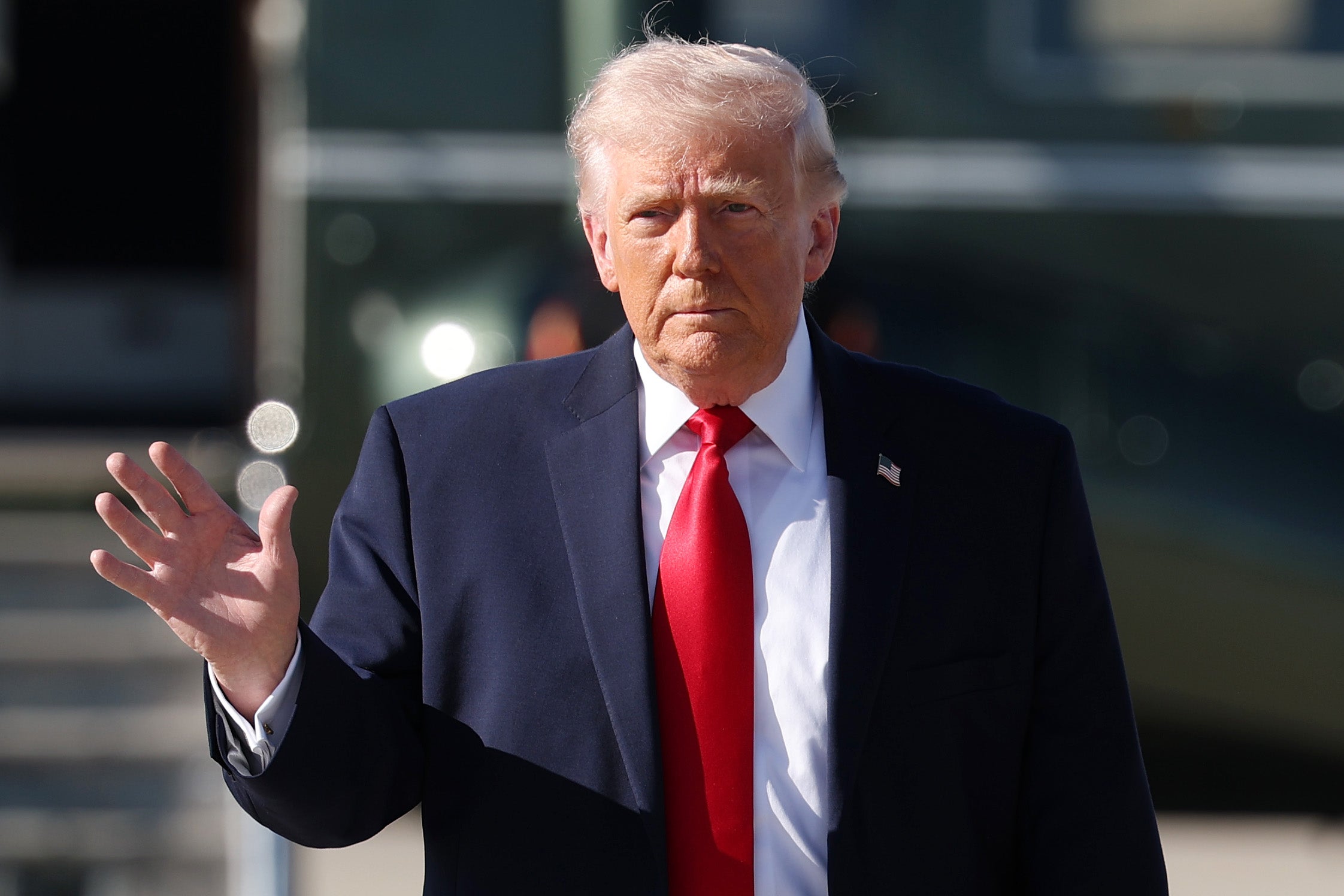
Ms Reeves is set to meet US treasury secretary Scott Bessent after he said “a small bit of economic pain” caused by the war was worth it to prevent Tehran getting a nuclear weapon.
The comments put him at odds with the chancellor, who has gone public with her anger and frustration at the “folly” of America’s actions in the Middle East and the financial fallout it has caused.
Before she headed stateside, the influential financial body the IMF slashed Britain’s economic growth forecast as a result of the conflict and warned a worldwide recession could be a “close call” in a severe scenario.
It said the international outlook had “abruptly darkened” as a result of the war, which threatens to throw the global economy “off course” and could cause an energy crisis on an unprecedented scale.
But Ms Reeves predicted: “We beat the forecasts for the UK economy last year. I’m confident that we will beat them again.”
Ms Reeves is in Washington for the International Monetary Fund (IMF) spring meetings which have been dominated by the economic fallout from the Middle East crisis.
This is a breaking news story, more follows …


