




The number of redheads is growing due to natural selection, according to a groundbreaking new study.
Natural selection has shaped modern human genomes far more than previously thought, a study from Harvard University has shown, looking at ancient DNA from nearly 16,000 people across more than 10,000 years in West Eurasia – Europe, the Middle East, the Caucasus, and parts of Central Asia and North Africa.
New technology detected directional selection in ancient DNA time-series data and a consistent trend in how frequent alleles became over time in 15,836 West Eurasians. As part of this evolution, genes for red hair, coeliac disease and a lighter skin tone were all becoming more common, according to the research.
Researchers caveated that the growing number of redheads didn’t automatically mean the trait was important in the past. “Perhaps having red hair was beneficial 4,000 years ago, or perhaps it came along for the ride with a more important trait,” the study, published in the scientific journal Nature, suggested.
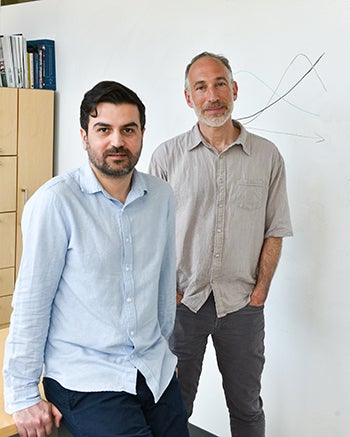
Author of the study, Ali Akbari, senior staff scientist in the lab of Harvard geneticist David Reich, said these new technologies would allow a greater understanding of natural selection as people could see how it shaped biology in real time.
“With these new techniques and a large amount of ancient genomic data, we can now watch how selection shaped biology in real time,” he said. “Instead of searching for the scars natural selection leaves in present-day genomes using simple models and assumptions, we can let the data speak for itself.”
More than 250 archaeologists and anthropologists collaborated with the lab to report new DNA data from 10,016 ancient individuals from West Eurasia, which the geneticists added to another 5,820 published ancient sequences and 6,438 modern ones.
“This single paper doubles the size of the ancient human DNA literature,” Mr Reich said. “It reflects a focused effort to fill in holes that limited the power of previous studies to detect selection.”
While the study flagged an increased risk of coeliac disease and Crohn’s disease, some human traits suggested an increase in immunity and a lower risk of certain diseases. Immunity to HIV infection and resistance to leprosy were flagged, as well as a lower risk of rheumatoid arthritis, alcoholism, bipolar disorder and schizophrenia. Researchers even marked a lower susceptibility to tobacco smoking.
It also appeared that a lower body fat percentage, waist-to-hip ratio and body mass index were the result of DNA changes.
Researchers have suggested that the results of the study could help scientists look at new genetic factors in health and disease, which improve the ability to assess disease risk, prevent illness, and develop new medicines.
Mr Akbari suggested that researchers developing gene therapies might consider whether the gene they’re targeting was flagged in the study as being advantageous.
“You could speculate that if the variant someone wants to knock out was strongly selected for, it’s probably not the best idea,” he said.