


UK TimesUK Times
  • Home
  • News
  • TV & Showbiz
  • Money
  • Health
  • Science
  • Sports
  • Travel
  • More
    • Web Stories
    • Trending
    • Press Release
What's Hot
At least three hospitals declare critical incidents as services grapple with record-breaking heatwave – UK Times

At least three hospitals declare critical incidents as services grapple with record-breaking heatwave – UK Times

25 June 2026
Meet the police dogs protecting the UK’s critical infrastructure

Meet the police dogs protecting the UK’s critical infrastructure

25 June 2026

A14 westbound between J25 and J24A | Westbound | Road Works

25 June 2026
Facebook X (Twitter) Instagram
UK TimesUK Times
Subscribe
  • Home
  • News
  • TV & Showbiz
  • Money
  • Health
  • Science
  • Sports
  • Travel
  • More
    • Web Stories
    • Trending
    • Press Release
UK TimesUK Times
Home » Rats are mutating and becoming resistant to poison, researchers warn – UK Times
News

Rats are mutating and becoming resistant to poison, researchers warn – UK Times

By uk-times.com24 June 2026No Comments4 Mins Read
Facebook Twitter LinkedIn Telegram Pinterest Tumblr Reddit WhatsApp Email
Rats are mutating and becoming resistant to poison, researchers warn – UK Times
Share
Facebook Twitter LinkedIn Pinterest Email

The latest headlines from our reporters across the US sent straight to your inbox each weekday

Your briefing on the latest headlines from across the US

Your briefing on the latest headlines from across the US

Evening Headlines

Rats and mice are mutating and potentially becoming resistant to the poison that cities have long used to stop their populations from exploding, a recent study has warned.

More than one-third of 143 rats and 84 percent of 147 mice, tested in the New York tri-state area and Washington, D.C. were found to carry at least one genetic mutation linked to rodenticide resistance. Researchers tested the common Norway species of rat and also house mice in the U.S. Northeast.

The mutation was in the gene Vkorc1, which has previously been linked to rodenticide resistance. The study also identified several new genetic variants that may or may not contribute to resistance.

“We found that resistance appears to be much more widespread in house mice than many people realized,” Jin-Jia Yu, a postdoctoral fellow at New Jersey’s Rutgers University, said in a statement. “Norway rats also carried genetic mutations, but scientists do not yet know whether most of those mutations affect Norway rats’ susceptibility to rodenticides.”

Still, the findings are worrisome because both rats and mice can spread deadly diseases to humans such as the flu-like bacterial disease leptospirosis and viral hantavirus.
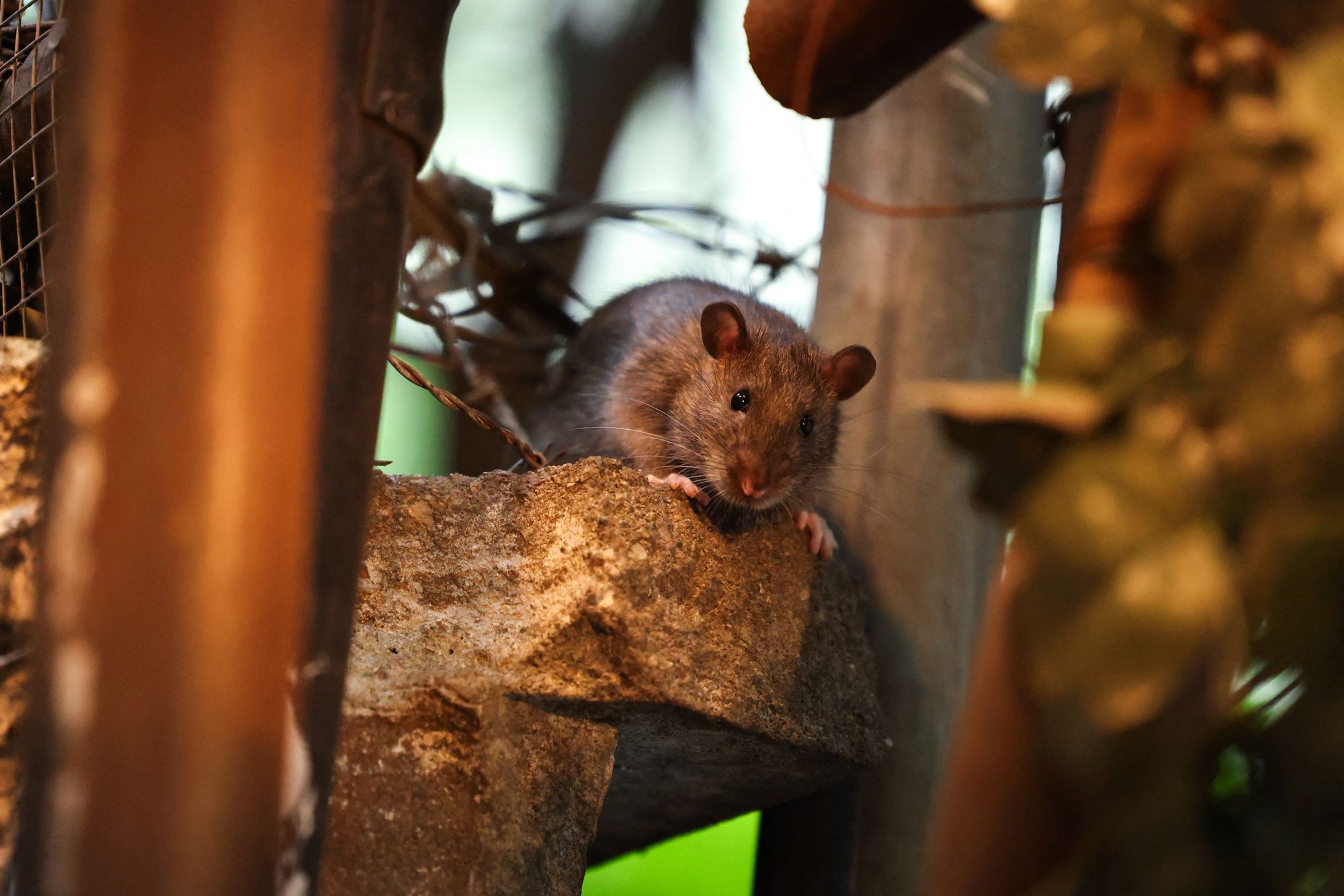
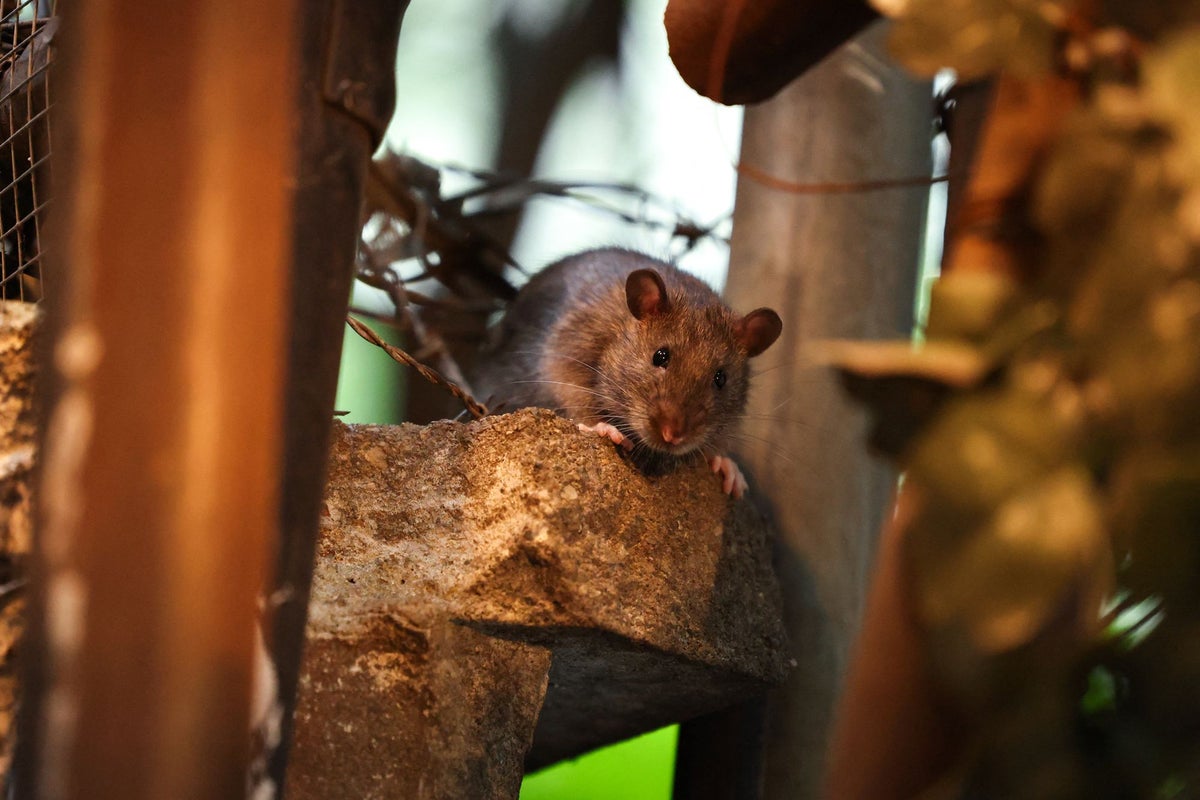
A rat in New York City last August. Rats and mice in the U.S. Northeast are showing signs of resistance to rodenticide, researchers say
A rat in New York City last August. Rats and mice in the U.S. Northeast are showing signs of resistance to rodenticide, researchers say (AFP via Getty Images)

Deaths from these diseases are considered rare in the U.S. but the study’s findings suggest that cities with more mutated rats and mice could see further spread of illnesses.

“Rodents are more than a nuisance,” Changlu Wang, an extension specialist in Rutgers’ Department of Entomology, said. “As resistance becomes more common, it becomes even more important to use science-based management strategies that protect both public health and the environment.”

To combat millions of city-dwelling rodents, U.S. authorities in the Northeast use blood-thinning rodenticides that cause death from excessive bleeding, including the chemicals bromodiolone, diphacinone, brodifacuom, zinc phosphide and the common human medication warfarin.

Warfarin can also be fatal to humans in large amounts and these rodenticides have been known to kill local birds of prey that hunt rodents, including New York City’s beloved, escaped Eurasian Eagle Owl Flaco in February 2024.

That’s why advocates like the NYC Bird Alliance have called for ending the use of the rodenticides in city parks.

The rodenticides are distributed in bait stations or burrows, but officials have started to deploy more creative tactics, such as pellets serving as birth control that can cut populations off at the source.

However, not all rodents are taking the bait. Rats tend to be more suspicious than mice, which is one reason why the researchers believe mice are adapting more rapidly.

“Rats are very clever,” Yu said. “They will approach the novel food many times before they really take the food or the bait.”

A field mouse is seen outside of the White House in Washington, D.C., in September 2019. Mice are building up more adaptation to rodenticide than rats
A field mouse is seen outside of the White House in Washington, D.C., in September 2019. Mice are building up more adaptation to rodenticide than rats (Getty Images)

It will take new strategies that apply this research to to address rat and mice adaptation in cities, the researchers said. Although what those efforts may be remains to be seen, the scientists suggested combining multiple techniques for the best outcome. That could include sealing off areas where rats and mice could enter, like holes in floorboards and buildings.

Sanitation should also be improved such as leaving no food out that lures rodents and continued use of traps.

“By understanding how prevalent the mutations are and where resistance exists, pest management professionals and public health agencies can make better decisions about how to control rodents,” said Yu.


Share. Facebook Twitter Pinterest LinkedIn Tumblr Telegram Email

Related News

At least three hospitals declare critical incidents as services grapple with record-breaking heatwave – UK Times

At least three hospitals declare critical incidents as services grapple with record-breaking heatwave – UK Times

25 June 2026

A14 westbound between J25 and J24A | Westbound | Road Works

25 June 2026
More than 30,000 missing and 188 dead after Venezuela’s worst earthquake in a century – UK Times

More than 30,000 missing and 188 dead after Venezuela’s worst earthquake in a century – UK Times

25 June 2026

A36 southbound between A3094 and A360 | Southbound | Road Works

25 June 2026

M62 eastbound within J25 | Eastbound | Accident

25 June 2026
The diet that could help lower dementia risk even after early biological changes begin – UK Times

The diet that could help lower dementia risk even after early biological changes begin – UK Times

25 June 2026
Top News
At least three hospitals declare critical incidents as services grapple with record-breaking heatwave – UK Times

At least three hospitals declare critical incidents as services grapple with record-breaking heatwave – UK Times

25 June 2026
Meet the police dogs protecting the UK’s critical infrastructure

Meet the police dogs protecting the UK’s critical infrastructure

25 June 2026

A14 westbound between J25 and J24A | Westbound | Road Works

25 June 2026

Subscribe to Updates

Get the latest UK news and updates directly to your inbox.

Recent Posts

  • At least three hospitals declare critical incidents as services grapple with record-breaking heatwave – UK Times
  • Meet the police dogs protecting the UK’s critical infrastructure
  • A14 westbound between J25 and J24A | Westbound | Road Works
  • NFL star, 23, who could face life in jail appears in court in anti-suicide vest after surrendering to police
  • More than 30,000 missing and 188 dead after Venezuela’s worst earthquake in a century – UK Times

Recent Comments

No comments to show.
© 2026 UK Times. All Rights Reserved.
  • Privacy Policy
  • Terms of use
  • Advertise
  • Contact Us

Type above and press Enter to search. Press Esc to cancel.

Go to mobile version