

Rachel Reeves has said that the UK holds “no alliance” more important than its relationship with the EU in what is anticipated to be her final major speech as Chancellor.
Reflecting on her two years in the Treasury, Ms Reeves urged Britain to be “much bolder” and go “much further” in pursuing closer ties with the bloc.
Ms Reeves’ comments come after The Independent’s campaign to rebuild Britain’s relationship with Europe.
Ms Reeves also defended her record, stating the economy had “beaten the odds” under her stewardship and she had proven her credibility in “every decision” since Labour was elected.
She concluded by urging incoming prime minister Andy Burnham to balance “radical change” with economic credibility, a mission she said had defined the Labour government and “I know it will remain the mission of the next.”
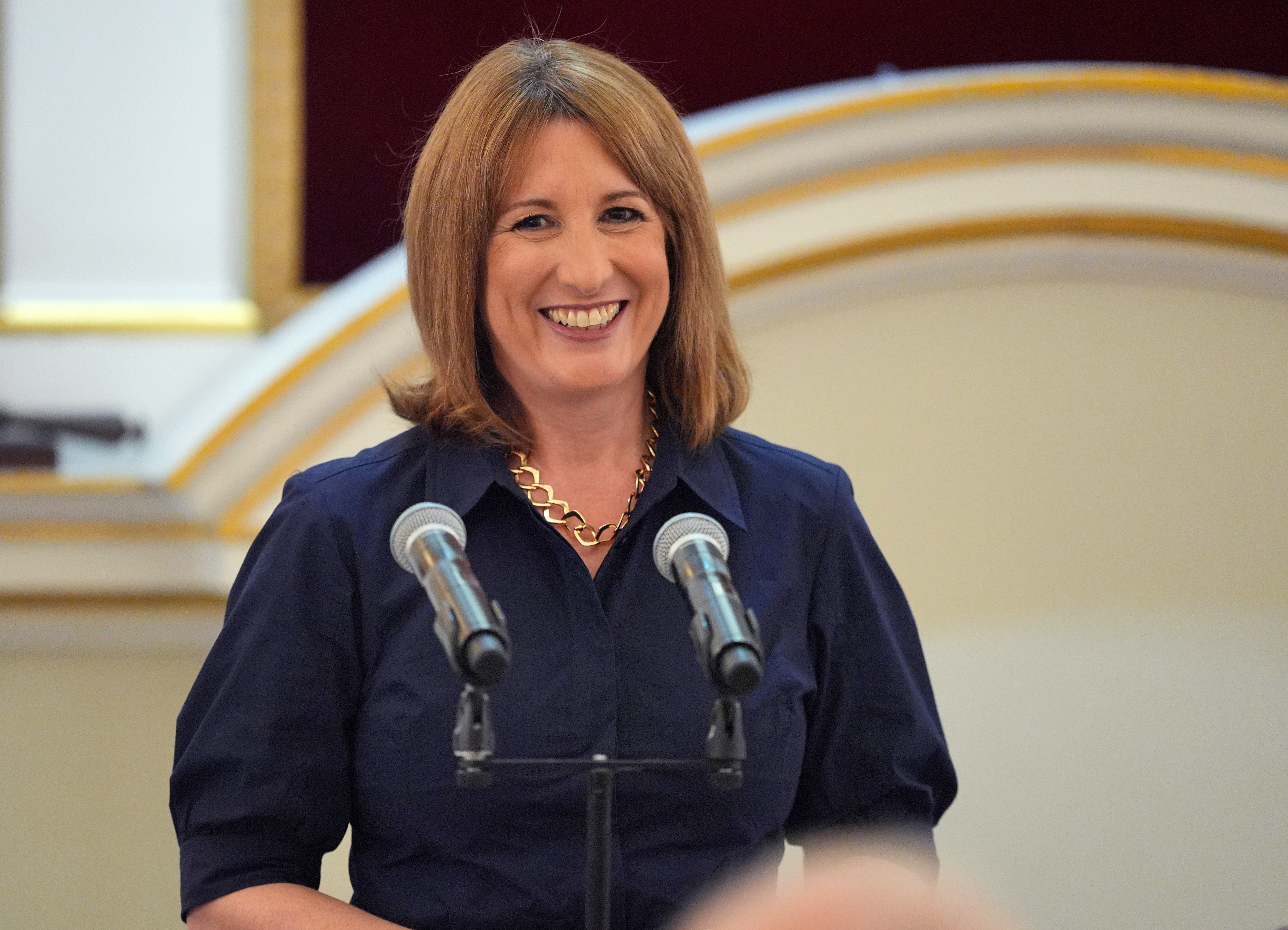
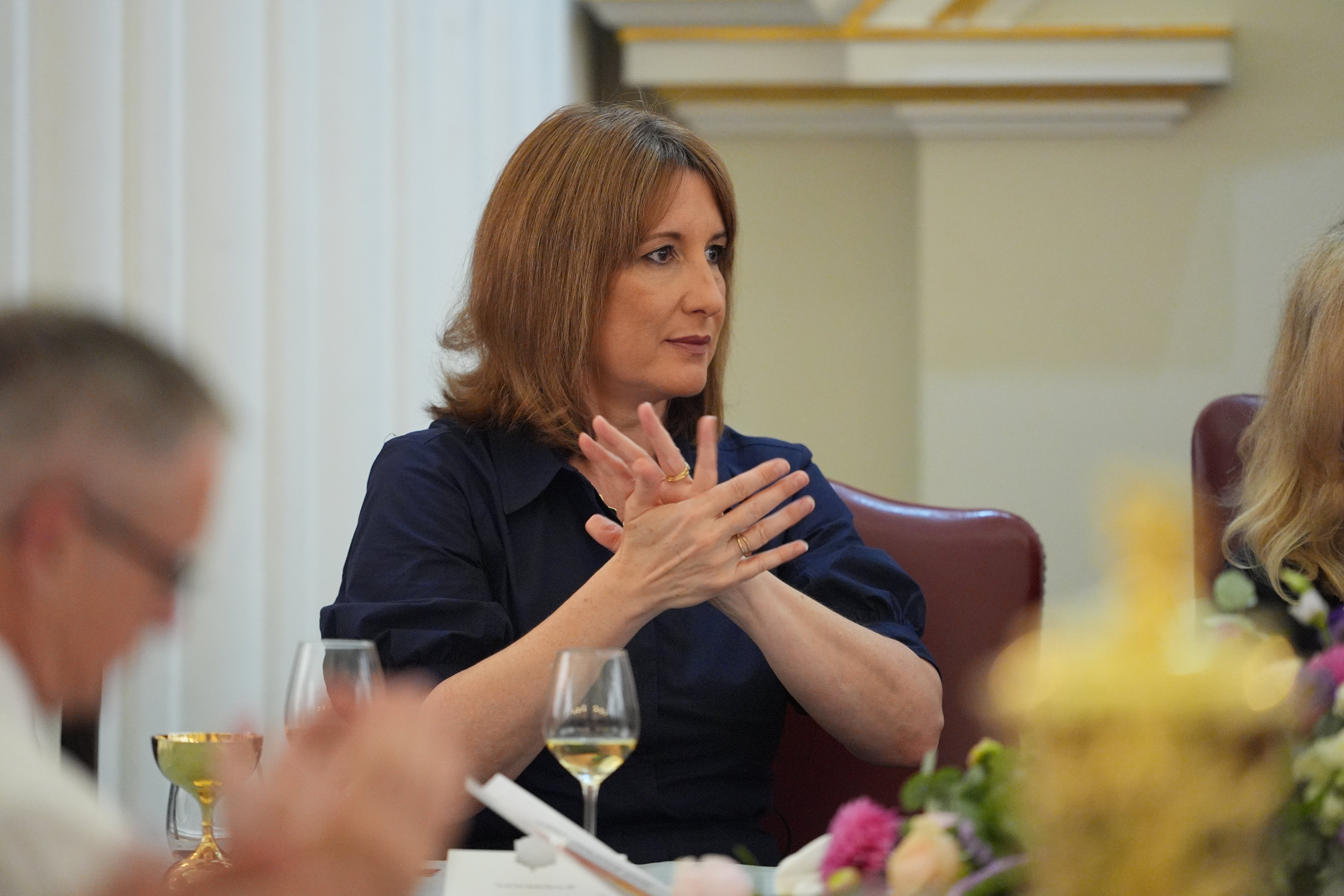
In a speech at Mansion House, Ms Reeves said: “This government has shown that change, indeed radical change, is possible, and the record of the last two years makes clear that governments can achieve that change only when they combine radicalism with credibility.
“I had to earn that credibility in opposition, and I have proven it in government in every action that I have taken as Chancellor.”
Ms Reeves, who has long been a vocal proponent of deepening post-Brexit ties with Brussels, also said the prize of a stronger relationship with the trading bloc would be “immense”.
She called for a UK-EU summit, which was due this month but thrown into doubt after Sir Keir Starmer announced his resignation, to be rescheduled “as soon as possible” to finalise plans for a youth mobility scheme and other agreements on agrifoods and emissions.
Ms Reeves said: “In the age of insecurity in which we live, the economic strength of our country rests on strategic alliances, and no alliance is more important to us than our relationship with the European Union.
“I think that we need to be much bolder and go much further moving towards a trusted economic and security partnership, where the default is the UK is included not excluded, recognising that in the majority of cases, that will be the approach with the greatest benefits for Britain.”
It comes after a period of strained UK-US relations, which deteriorated after Sir Keir Starmer ruled out British involvement in the Iran war.
Britain’s economy is expected to have remained stagnant for another month as some industries come under pressure as the Middle East conflict continues to hold back growth, though Ms Reeves argued the country’s finances were still “strong.”
The Office for National Statistics (ONS) will publish May’s gross domestic product (GDP) figures on Thursday.
But the Chancellor said she had “always been an optimist about the future of our economy and our country, and I remain an optimist for what is to come”.
“This government has made huge strides in delivering on the promise of change,” she said.
Ms Reeves appears to have conceded she will not stay on as Mr Burnham’s chancellor, though the incoming prime minister has not yet confirmed any Cabinet appointments.
The Makerfield MP is the only candidate in Labour’s leadership process and will officially take over from Sir Keir on Monday July 20 after the Prime Minister announced his resignation last month.
The Chancellor signalled that any new administration must keep the support of the markets in order to succeed, and said she believed Mr Burnham’s government would prioritise credibility as well as radicalism.
“Radical change without credibility does not endure, and credibility cannot be sustained without delivering change that meets the moment,” she said.
“Radical change is only possible if it comes with credibility. That is my mission as Chancellor. That is the mission of this government, and I know it will remain the mission of the next.”
Mr Burnham has committed himself to Labour’s fiscal rules, though he has suggested there is room for movement on tax within the confines of the party’s manifesto, which ruled out raising VAT, income tax and national insurance.
The Confederation of British Industry (CBI) said Ms Reeves had “struck the right tone” in reassuring the markets, global investors and firms of the UK’s commitment to growth.
Chief executive Rain Newton-Smith said: ”The priority now is to continue the translation of those reforms into practical changes that strengthen the financial services sector and support firms across the wider economy that rely on it.
“The recently announced package to support SMEs was welcome and will help more businesses to scale, export and adopt new technologies here in the UK. That investment should pay dividends by boosting productivity, strengthening local economies and supporting long-term growth.
“The next step is delivery across key reform programmes, including reform of the Financial Ombudsman Service, pensions reform and streamlining the Senior Managers and Certification Regime. The key measure of success will be whether these changes can unlock further domestic investment, help ambitious firms to scale and grow, deepen UK capital markets and make regulation clearer, faster and more predictable.”