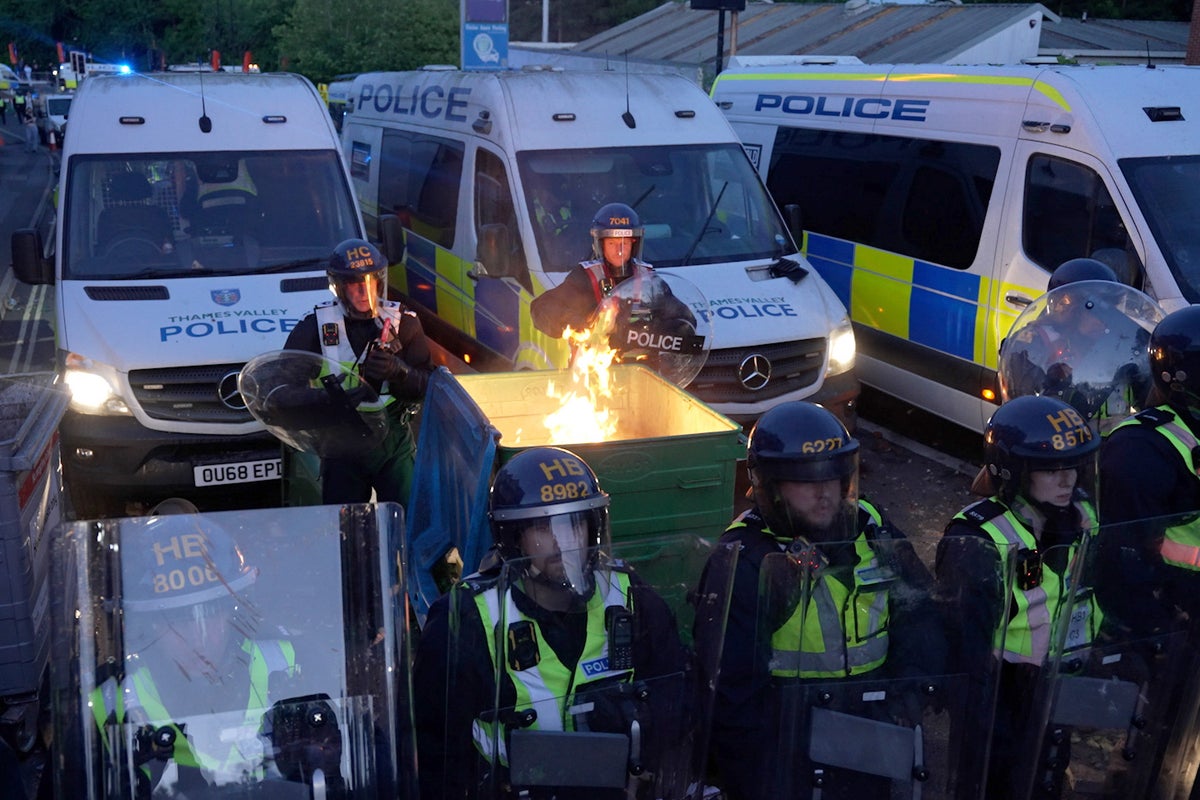

Donald Trump has shrugged off Russia supplying intelligence to his enemies in Iran and rewarded the Kremlin with the option of lifting oil sanctions against Moscow. The latest moves by the US president beg the question “whose side is he on” – and not for the first time.
The most recent concession to Vladimir Putin came after the first telephone call between the two presidents this year – one that the Kremlin says was initiated by the Oval Office to the Russian president.
With an eye on the oil markets, Trump said that he thought the war against Iran would end soon, adding it was “very complete”, before declaring hours later that the fight would continue as we “haven’t won enough”.
His “secretary of war” Pete Hegseth then had a go at clearing things up, promising Tuesday would see the heaviest strikes by the US and Israel so far and warned that Iran would suffer catastrophic consequences if it throttled Gulf oil exports.

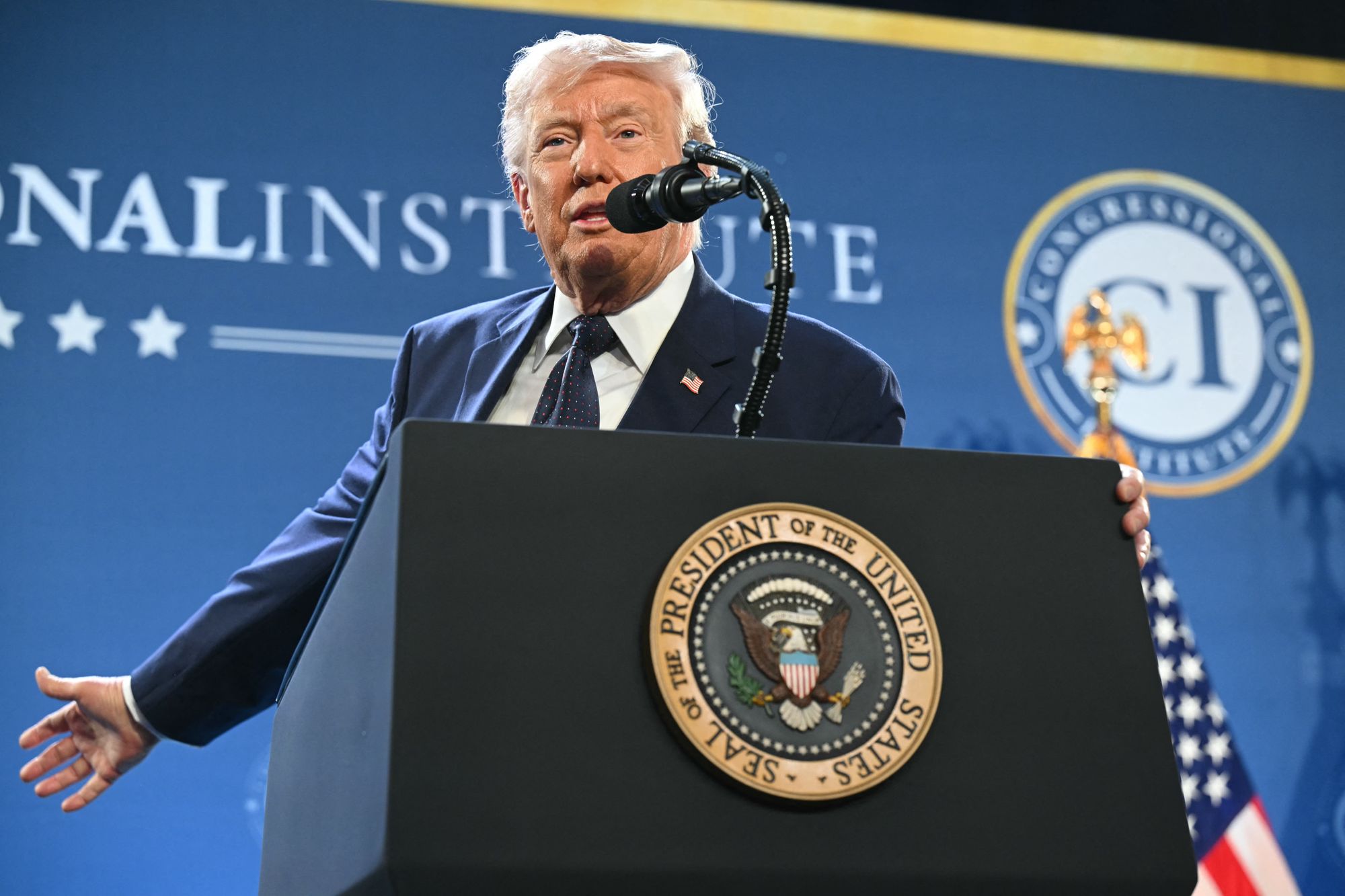
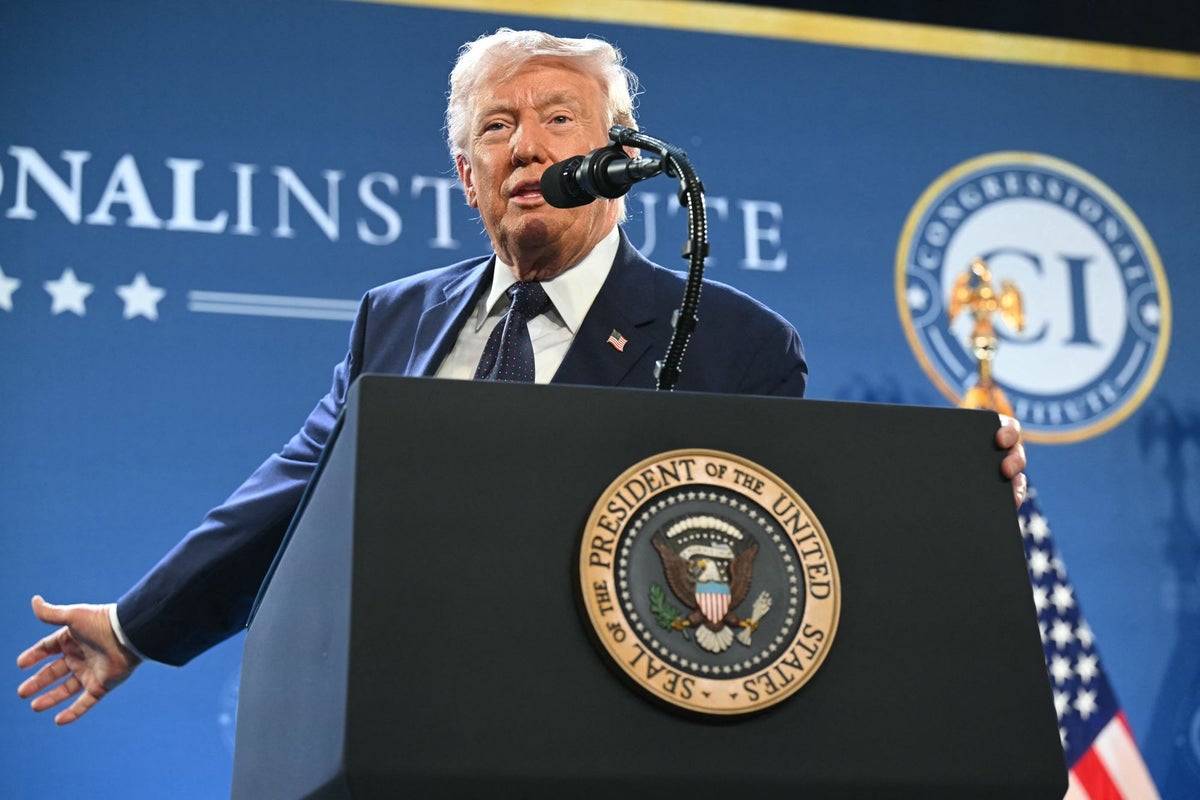
At a press conference, Trump unveiled his plan to resolve the spike in oil: “We’re waiving certain oil-related sanctions to reduce prices. So we have sanctions on some countries. We’re going to take those sanctions off until this straightens out.”
He did not identify the countries but he was most likely referring to Russia and its exports to India and China.
“Then who knows, maybe we won’t have to put them on; there’ll be so much peace…,” he added.
There will not be peace in Ukraine as a result of lifting oil sanctions against Russia, which earns over $100bn a year from its sanctions-busting oil exports.
Trump stopped all US military support for Ukraine a year ago. Volodymyr Zelensky has already warned in an interview with The Independent that the Middle East war left his country yet more vulnerable.
Kyiv is also more vulnerable now to Russian missiles because Patriot and THAAD weapons, used to shoot down Russian ballistic rockets, are being used up in the Middle East.
A return of Russia to full export capacity would add at least $50 billion to the Kremlin’s war chest and be massive boost to its military campaign – at a time when Kyiv is showing signs of regaining the military initiative.
The extraordinary suggestion should come as no surprise. Given that Trump had already shrugged off Western intelligence reports, which said that Putin’s spies were giving targeting information to Iran.
That information will have helped Tehran to attack US bases in the Gulf – where at least six US servicemen have been killed.


The US-Israeli war against Iran’s regime had caused a surge in crude oil prices close to $120 a barrel and affected prices for Americans at the gas pump.
His claim that the campaign would end soon caused an adjustment down in international oil markets and his offer to lift sanctions, imposed on Russia after its full-scale invasion of Ukraine, could result in a further decline relieving some domestic criticism of Trump.
The US president’s own Maga base has been rattled by his air invasion of Iran given his previous commitments to end America’s conflicts in the Middle East.
So there is a clear indication here that Trump is aware of the local political problems he faces and hopes to buy them off with loosening the geostrategic controls the US has imposed on Russia’s oil production by bringing down fuel prices at home.
But he does not need to help Russia to help himself.
He has boasted that Iran cannot indefinitely strangle Gulf oil exports through the Straits of Hormuz. Global oil reserves outside of Russia are more than enough to meet global demands even with a temporary loss of movement through the Arabian Gulf.
The White House is trying to find ways to help Russia – an ally of Iran that has supplied technology used in Tehran’s missile attacks on US bases and allied installations.

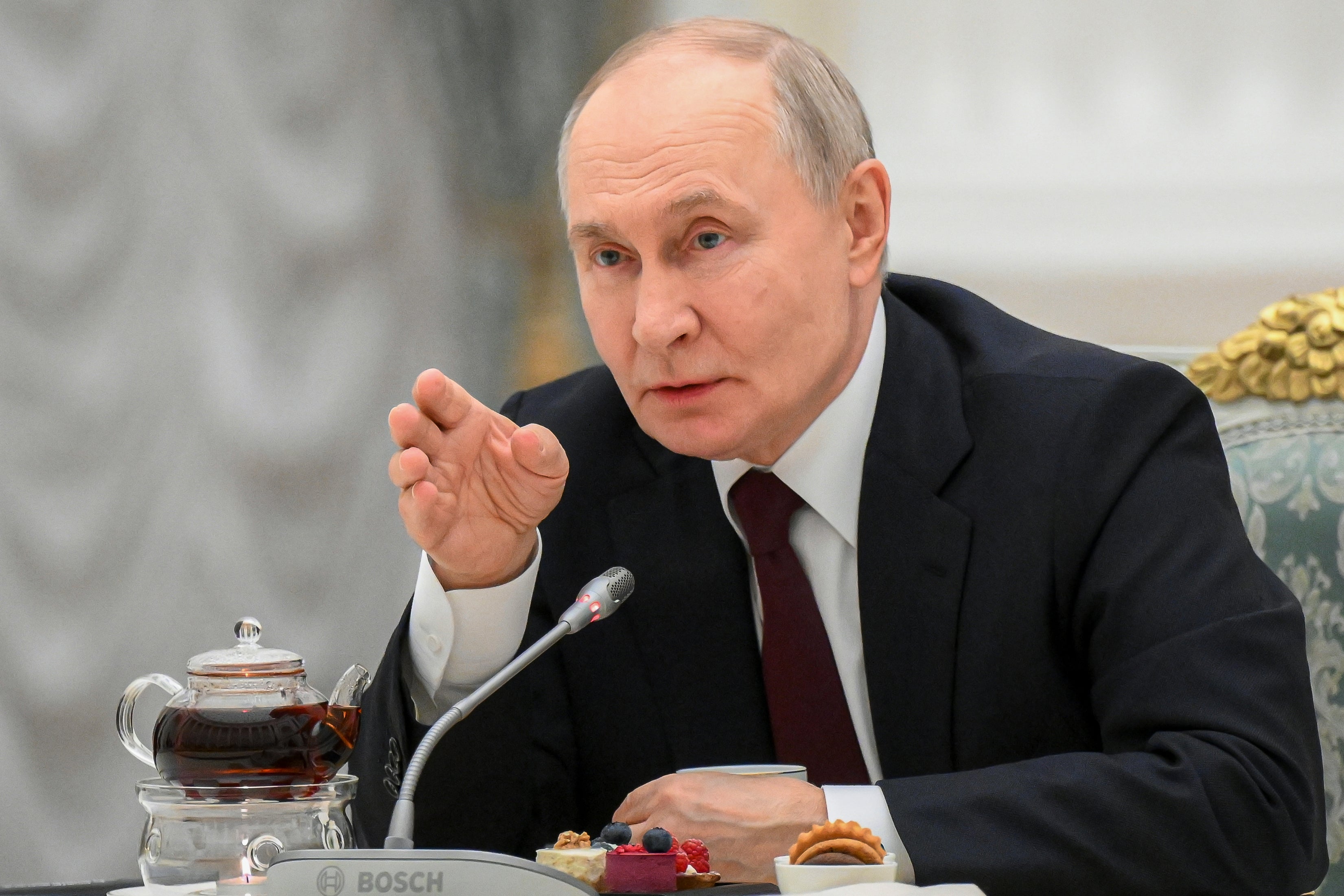
On Friday, Treasury Secretary Scott Bessent said the United States could free more Russian oil from sanctions. Russia’s special presidential envoy on investment, Kirill Dmitriev, said on Saturday he was discussing the issue with Washington.
Dmitriev, the Kremlin’s point man in talks with Trump’s “peace” envoy to Russia, Steve Witkoff, has enjoyed access to the highest echelons of the Trump administration and discussed numerous business opportunities for America involving $12-14 trillion.
That is the equivalent of six times Russia’s total annual economic output. This fantasy figure amid oil and gas, minerals, and all manner of economic opportunities for US firms, some of which are strongly linked to the Trump family, has been part of Dmitriev’s pitch to Witkoff. The two men have met at least nine times since last April – frequently in Florida.
This astronomical “peace dividend” would be available to the US only in the event of a deal that ended the war in Ukraine.
Lifting sanctions on Russia might, the Kremlin may believe, speed up the process of Ukrainian capitulation to Russian demands, endorsed by Witkoff and Trump, that Ukraine give up its established defensive lines across the east of the country as part of a long-term deal.

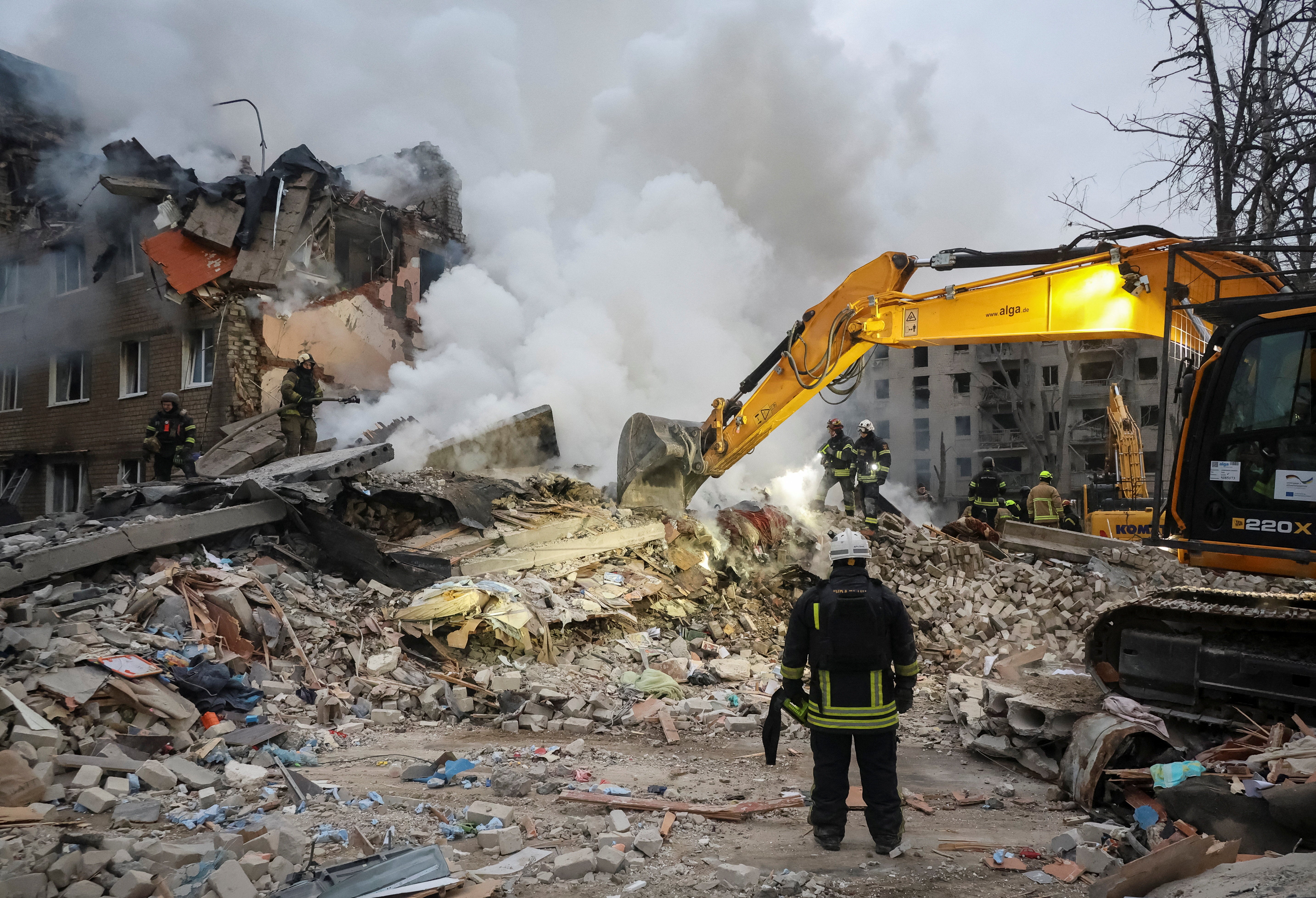
“If Trump sincerely wants to bring peace to Ukraine, the only way to do it by depriving Russia of its oil revenues, because those revenues feed the Russian war machine.
“If Trump lifts oil sanctions in any way, it will only provide a lifeline to Russian war machine and at the end of the day will translate into more civilian casualties in Ukraine,” said Oleksandr Morezkho, chairman of the Ukrainian parliament’s foreign affairs committee.
This comes at a time when Ukraine is rushing its drone experts, and diverting some of its own defensive drones themselves, to the Gulf to help protect the US and its allies from incoming Iranian attacks.
That is an irony that Trump has chosen to ignore as he continues to favour Russia over Ukraine, his allies, his own troops, but not big business.