

It may puzzle some in the West as to why Jimmy Lai, facing a possible sentence of life imprisonment on bogus charges of sedition, did not long ago flee from his tormentors, but has persisted with his fight for human rights in Hong Kong. A successful entrepreneur, he was once extremely wealthy, a billionaire with a range of business interests, including newspapers and media channels. He was granted British citizenship as colonial rule there ended in the 1990s, and he has friends and supporters across the world. A life in exile would, in theory, have been comfortable and open to him.
Instead, Mr Lai stayed in Hong Kong, and would have done so even if he had not been arrested in 2020 under the Beijing-imposed Hong Kong national security laws. They were introduced after the pro-democracy protests in the “special administrative region” in 2019, and in direct contravention of the Sino-British Joint Declaration, a recognised international treaty, and assurances by the Chinese Communist Party (CCP) that Hong Kong would be governed under the principle of “one country, two systems”. Mr Lai is only one of many to have been persecuted under these laws, but his prominence has made him a powerful symbol of the spirit of his home. That spirit is not broken, despite the intense pressures exerted on him. His treatment has been routinely cruel, and of a type unfortunately meted out to so many dissidents. Now 78 years of age and no physical threat to anyone, he is reportedly confined to a concrete cell with little access to fresh air, in solitary confinement, and in poor health. The offences he’s accused of carry a maximum sentence of life imprisonment, and it is very likely he will die in jail.
The leadership of the CCP is haunted by history, and the exploitation of China by colonial powers such as Britain and Japan, which was mostly ended when Mao Zedong and his movement came to power in 1949. The nation that Mao and his successors forged is now a military and diplomatic superpower and, by some measures, the world’s largest economy. It is certainly the pre-eminent industrial power, succeeding Britain, Germany and the United States, previous holders of the title “workshop of the world”. President Xi and his colleagues have nothing to fear from Mr Lai, and everything to gain from setting him free and returning to Hong Kong the limited but crucial freedoms they promised when absorbing the former British territory into the People’s Republic in 1997. Hong Kong is and always was Chinese, but, like certain other regions, it has what may be termed distinct characteristics derived from its history and culture – assets that made it such a prized asset.
Sadly, the days that Sir Keir Starmer and his team spent in China recently will likely have made no difference to Mr Lai’s fate. On his return, the prime minister told the House of Commons that he had “raised the case of Jimmy Lai and called for his release, making clear the strength of feeling in this House. Those discussions will continue.” He also talked to President Xi about human rights concerns in Xinjiang, the home of the Uyghur Muslim people, Tibet and Taiwan; and pressed the case for China ending its support for the Russian war machine, currently conducting a war of terror against Ukrainian civilians. None of this seems to have made any tangible difference. Yet it is also clear that, such is the paranoia of China’s leadership, any concessions to regional or religious freedoms and identity cannot be countenanced, and its “no limits” friendship with Moscow is a further guarantor of national sovereignty. After all, this is effectively the same regime that calmly executed the massacre in Tiananmen Square in 1989, and even now is purging the nation’s top generals for “serious violations of party discipline and law”.
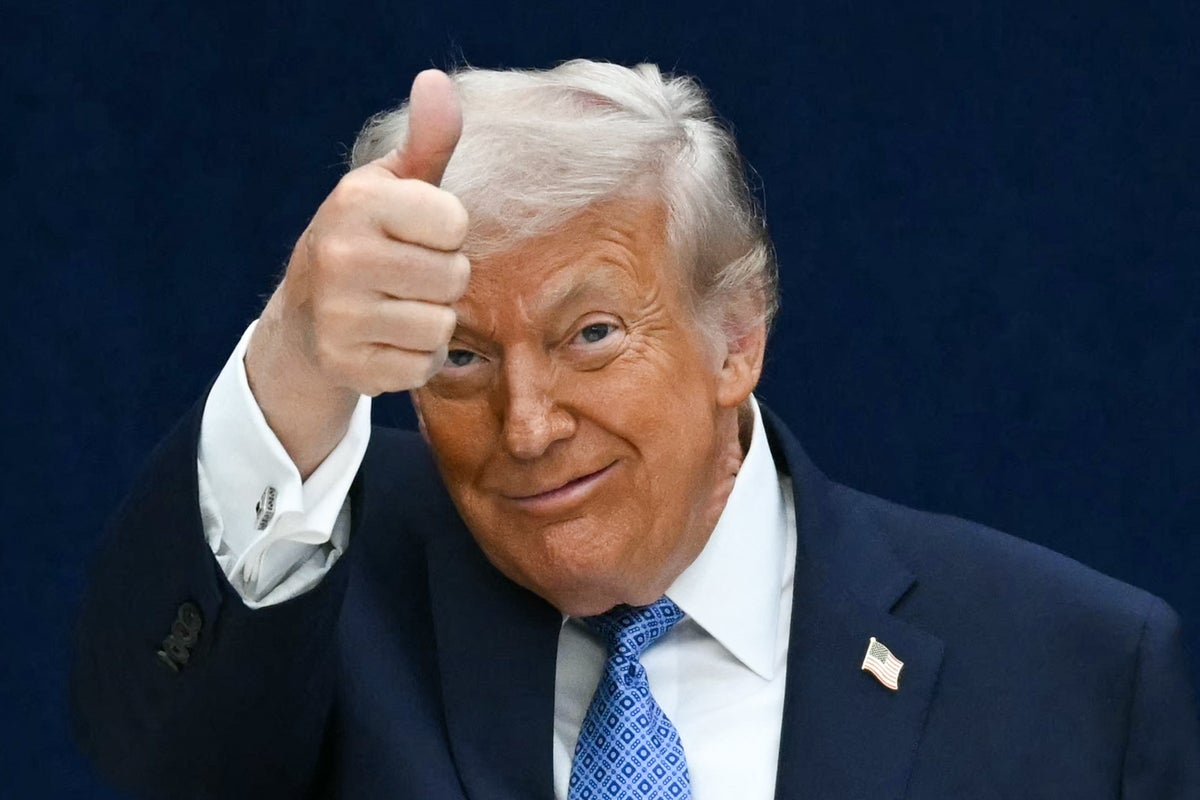
There is little muscle the UK, especially post-Brexit, possesses to prevent these abuses – and that includes Mr Lai being able to access British consular advice, as his right under all diplomatic conventions. Even if the British prime minister threatened to end diplomatic relations, close the London embassy and impose sanctions, the Chinese Politburo would scarcely notice. Even President Trump had to back down in his trade war last year when President Xi matched him tariff hike for tariff hike. Mr Trump has also urged the immediate release of Mr Lai – to no avail. In the 21st century, in contrast to the 20th, China won’t be bullied and, as it sees things, humiliated by foreign powers.
The conclusion is not for the West to give up on Mr Lai and the other democracy activists unjustly imprisoned, which would be wicked, but for it to unite in a far more coordinated and constructive way to engage with the CCP. The strength of America, Europe and allies in east Asia combined should be leveraged to pressure China into easing the persecution of its own people. China is too proud and too powerful for any single power, even the US, to challenge it successfully, but the West together might just do so. We are, after all, the markets that China relies on for its contemporary prosperity. Such an international effort is the least that Mr Lai, and the people of Hong Kong he represents and is suffering for, deserve.