




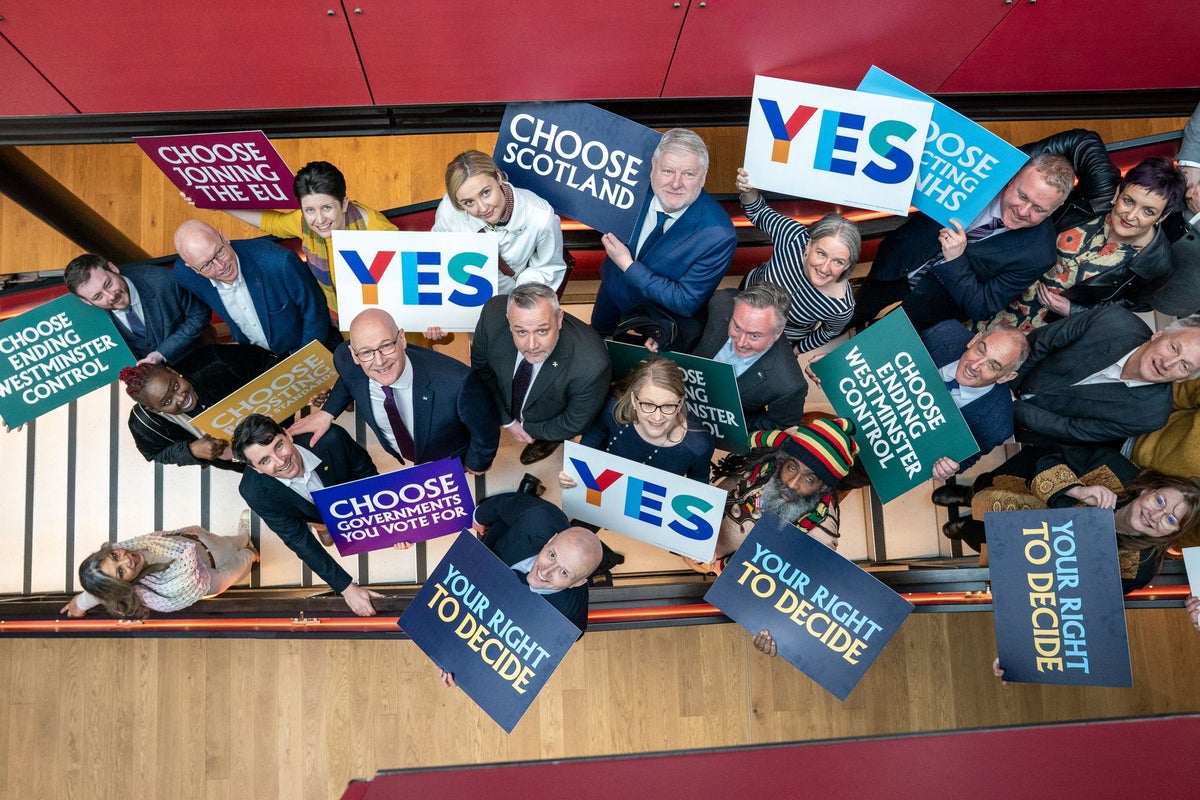
Of all the many and varied contests on 7 May, the biggest single set of elections is also the easiest to call: Scotland.
If the polls and the turnout at the previous contest in 2021 is anything to go by, something like 5.4 million Scots will turn out to cast a ballot, and enough of them will vote to return an SNP, or certainly an SNP-led government.
It will be the fifth consecutive term in office for the party since they displaced Labour at Holyrood back in 2007. John Swinney, SNP leader since the departure of Humza Yousaf in 2024, will be first minister once again.
Aside from the long era of Unionist hegemony in the old Northern Ireland parliament, if the SNP lasts until the expiry of the parliament in 2031, it will be the second longest period of electoral dominance across the UK for well over a century. (Welsh Labour, ruling their nation from 1999 to 2026 just pips them).

Indeed, the peculiarities of the Scottish electoral system – mostly first-past-the-post like Westminster, partly proportional representation – may mean that Swinney will likely either command a small majority or be close enough to having one in the 129 seat assembly that he can get his legislative programme through without too much compromise.
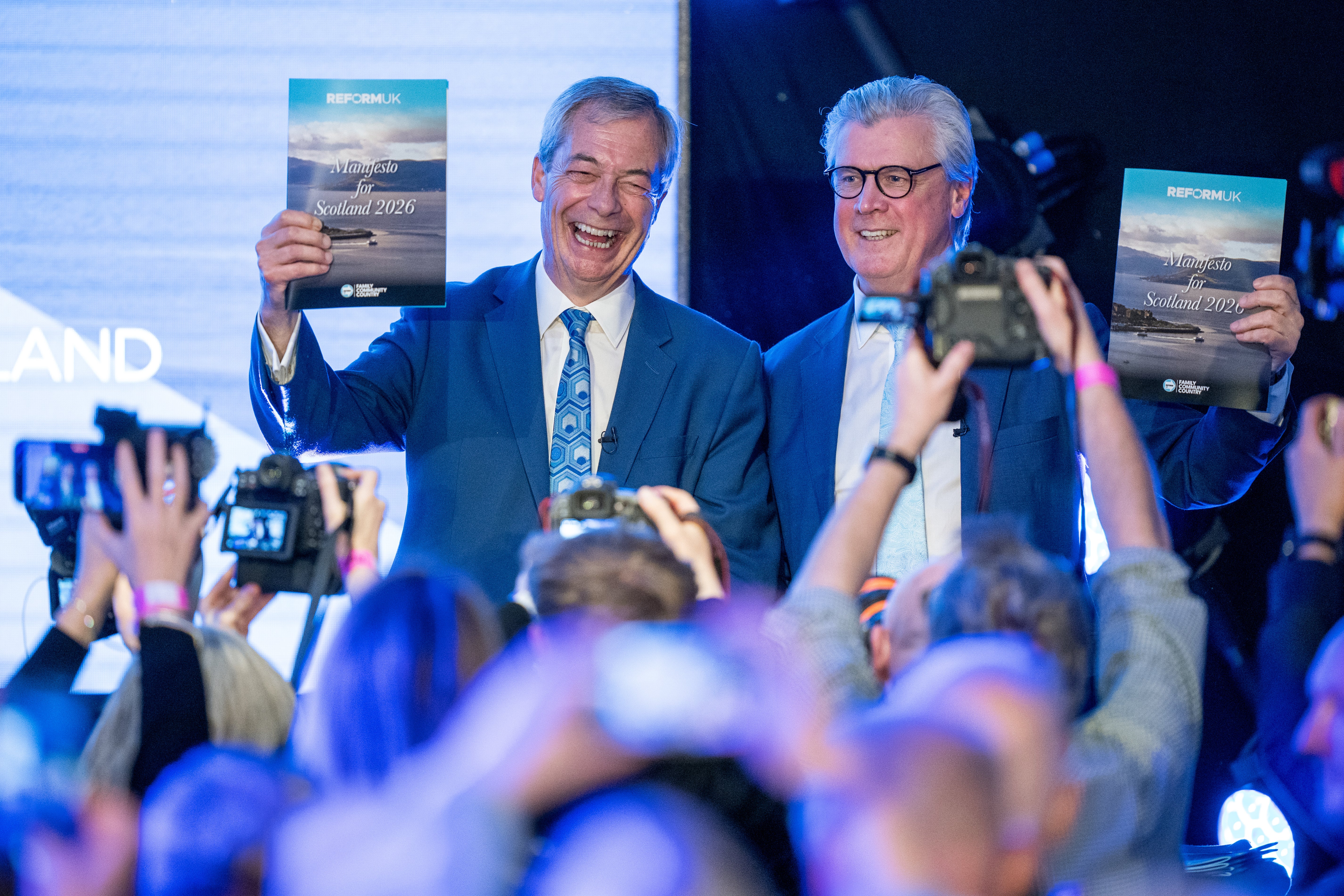
Such is the extreme fragmentation of the SNP’s many opponents, with Labour and Reform UK scrapping for second place, and the Greens, Conservatives, and Liberal Democrats all still strong enough to win some seats, that the basic outcome is beyond doubt. The SNP will divide and rule. The Unionist or anti-SNP vote will be substantial, but such a kaleidoscope that even tactical voting becomes difficult.
Double drams all round? Well, not quite. On current polling, the support for the SNP will probably be somewhere between 35 and 40 per cent of the vote. It will be sufficiently high and well distributed, and its’ opponents support low and inefficiently so, that it should get about 60 constituency seats, plus maybe a few more to get over the “threshold” of a majority of 65.
But it will hardly mark a vote of huge confidence in the party and its long record, and will actually be lower than it was when Nicola Sturgeon led them to victory last time round, in 2021.
One fact is plain. The 2026 vote will certainly not represent much of a mandate for the SNP seriously to campaign for a second independence referendum. The last one, in 2014, was based on a larger SNP vote, a clearer parliamentary majority and greater support for separation than is likely this time; and it won’t be strong enough for Sir Keir Starmer to feel compelled to accede to the performative request.
Besides, Swinney knows he needs to see polling support for independence at 60 per cent plus to avoid a second ruinous defeat.
While the SNP may feel that that they’ve survived the scandals and leadership traumas of the Alex Salmond, Sturgeon and Yousaf years, the collapse of the SNP-Green coalition, and dissatisfaction on issues such as education and taxation, the reason they will win is simply that they’re lucky – they’re not strong or loved, but all their opponents are even less so.

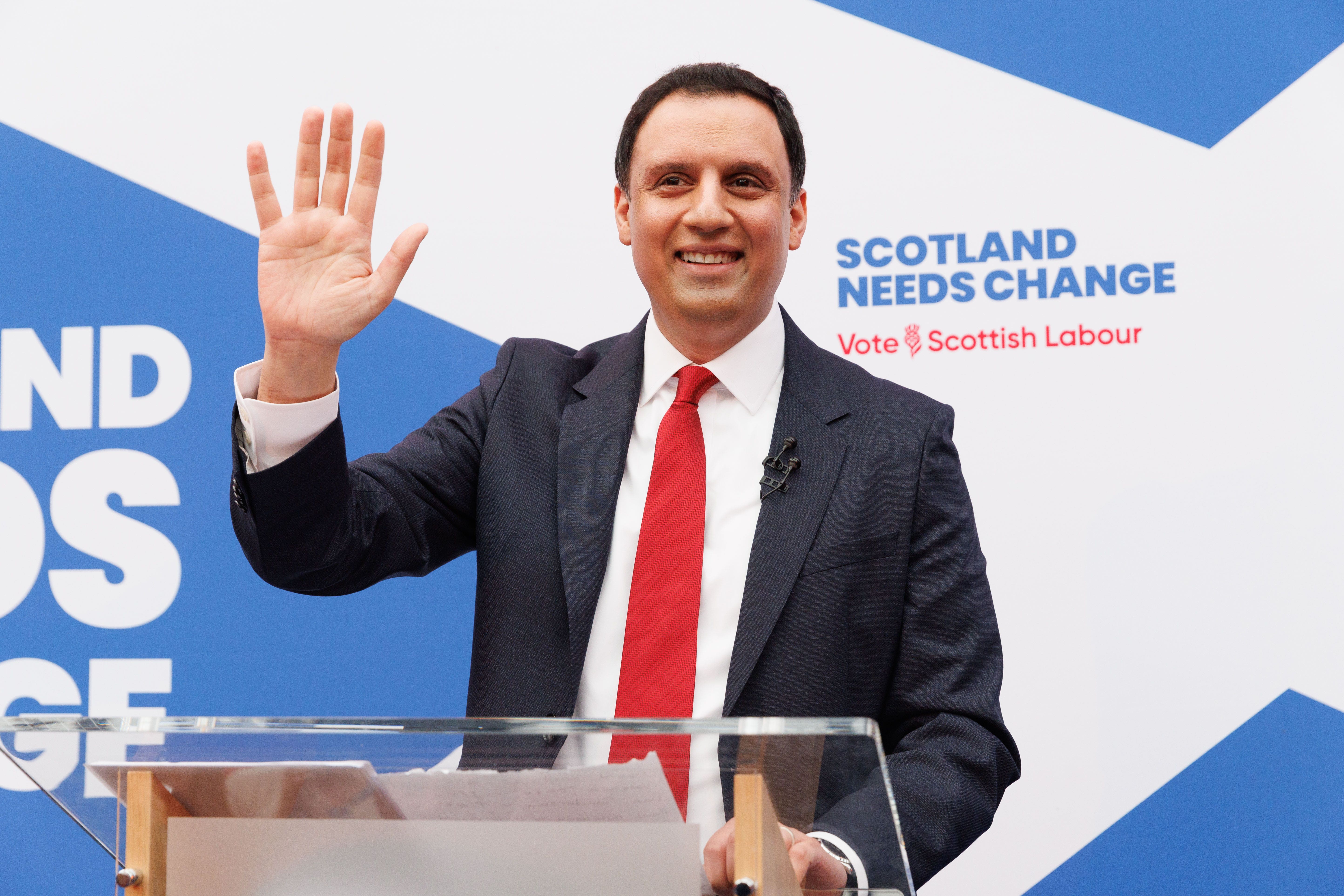
Labour, not long ago, seemed certain to take power at Holyrood as complement to the 2024 landslide at Westminster. No more. Labour’s travails at the UK level have also crushed its support in Scotland.
No matter how much Scottish leader Anas Sarwar distances himself from London Labour – including his call last month for Starmer to quit – he cannot escape the contamination. It’s also fair to say that he’s not produced a distinctive enough agenda of his own to enhance his own prospects.
Although there is no formal position in the Scottish constitution, he will probably be fortunate enough to get to be de facto leader of the opposition to Swinney’s government. Who knows, though?
If it’s a very bad night for Labour and they slip into third place again (the Tories went ahead and beat them to second in 2021), Starmer might well outlast Sarwar as a party leader.
Which brings us to Reform UK, whose rise in Scotland – as the most sceptical party on devolution, let alone independence or the EU – has been stunning.
Like Labour, they’re around the 15 per cent mark in the polls, which is significantly lower than they score in Wales or England, but a few years ago it would have been unimaginable that they would have pretensions to being the main opposition to the SNP. Immigration and disillusion with the Tories are the main reasons, as down South.
Much like the rest of Britain, Nigel Farage’s followers have cannibalised a significant portion of the Tory vote, while also peeling away some working class Labour support, particularly in the Central Belt.
But the Conservatives should be able to mobilise and hang on to many of their well-established strongholds in the Borders and North East Scotland to retain some parliamentary representation, and with it the hope of future revival.
They, led by Russell Findlay, are basically still paying the price of the failures of the Boris Johnson, Liz Truss and Rishi Sunak administrations, plus, in “Remain” Scotland, the continuing effects of the Brexit vote.
Similarly the Liberal Democrats, led by Alex Cole-Hamilton, and also on about 10 per cent, should win a handful of seats in Edinburgh and the Highlands and Islands: the Greens will do the same based on a more substantial level support in the proportional part of the voting.
Both parties have been in coalition administrations in the past – the Liberal Democrats with Labour in 1999-2007. The Scottish Greens, a pro-independent group formally supported the first SNP in 2007, the first referendum on independence and served in government from 2021 to 2024 under the Bute House “power sharing” agreement. They’d be unlikely to gang up with the others to try and turf Swinney out.
It is thus odd but essential to say, by way of an addendum, that while superficially the result of the 2026 Scottish parliament will look solid and decisive, it will have an air of impermanence, of “unfinished business” about it.
It cannot realistically be taken as any expression of approval in the SNP’s record; it will be a grudging victory; it will not settle the independence debate; and the mood for change that does exist in Scotland will remain unconsummated.
For the next five years, power once again will be the SNP’s to lose. But to whom?

