




Victims of major UK scandals including Post Office Horizon IT, Windrush and infected blood are owed an estimated £15 billion in compensation, a new report reveals.
The National Audit Office (NAO) found that by February this year, only a quarter of the total had reached those affected.
While the public spending watchdog noted improvements in more recent compensation schemes, designed to learn from past delays and backlogs, many individuals still face protracted waits for financial redress.
Sir Geoffrey Clifton-Brown, chairman of the Public Accounts Committee, underscored the gravity of the situation, stating the near-£15 billion figure “lays bare the scale of suffering” endured by victims who have faced “terrible harms and injustices”.
The NAO’s report, published on Friday, detailed that while the government has disbursed approximately £3.5 billion across seven schemes, a further £11.4 billion remains potentially outstanding.
This brings the total estimated compensation to £14.9 billion.
The NAO said: “Some eligible people have been waiting over a year after submitting their claim before receiving a payment.
“All schemes have more to do to reach as many potentially eligible people as possible and support them to make claims.”

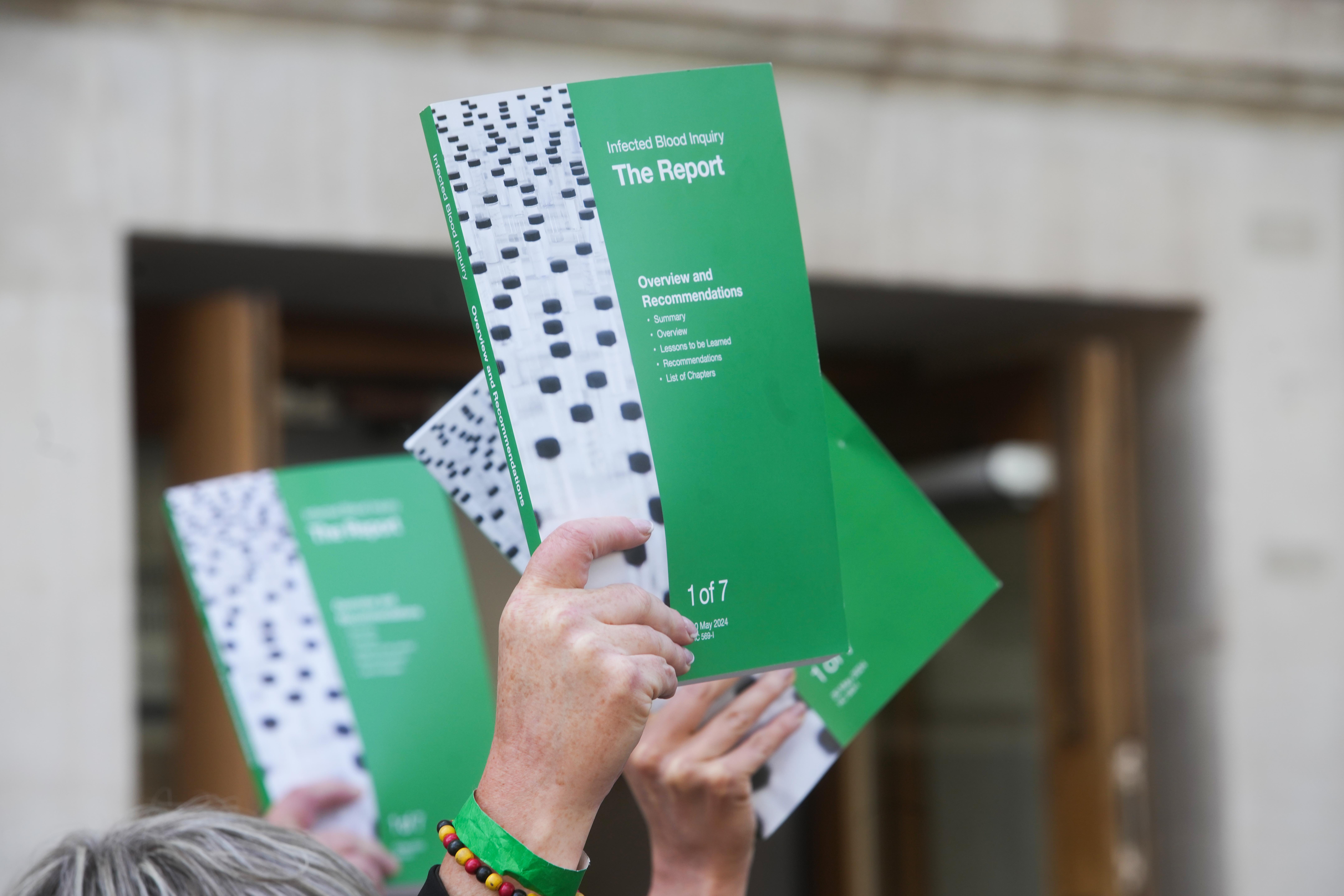
The watchdog considered seven Government schemes related to four major scandals and said most of the estimated total – about £12.8 billion – is expected to go to victims of the infected blood scandal.
It was dubbed the worst treatment disaster in the history of the NHS, with more than 30,000 people in the UK infected with HIV and hepatitis C after they were given contaminated blood and blood products between the 1970s and early 1990s.
More than 3,000 people have died as a result, and survivors are living with lifelong health implications.
Other schemes considered by the NAO were for the Windrush scandal, now referred to by some victims as the Home Office scandal, which erupted in 2018 when British citizens were wrongly detained, deported or threatened with deportation despite having the right to live in Britain.
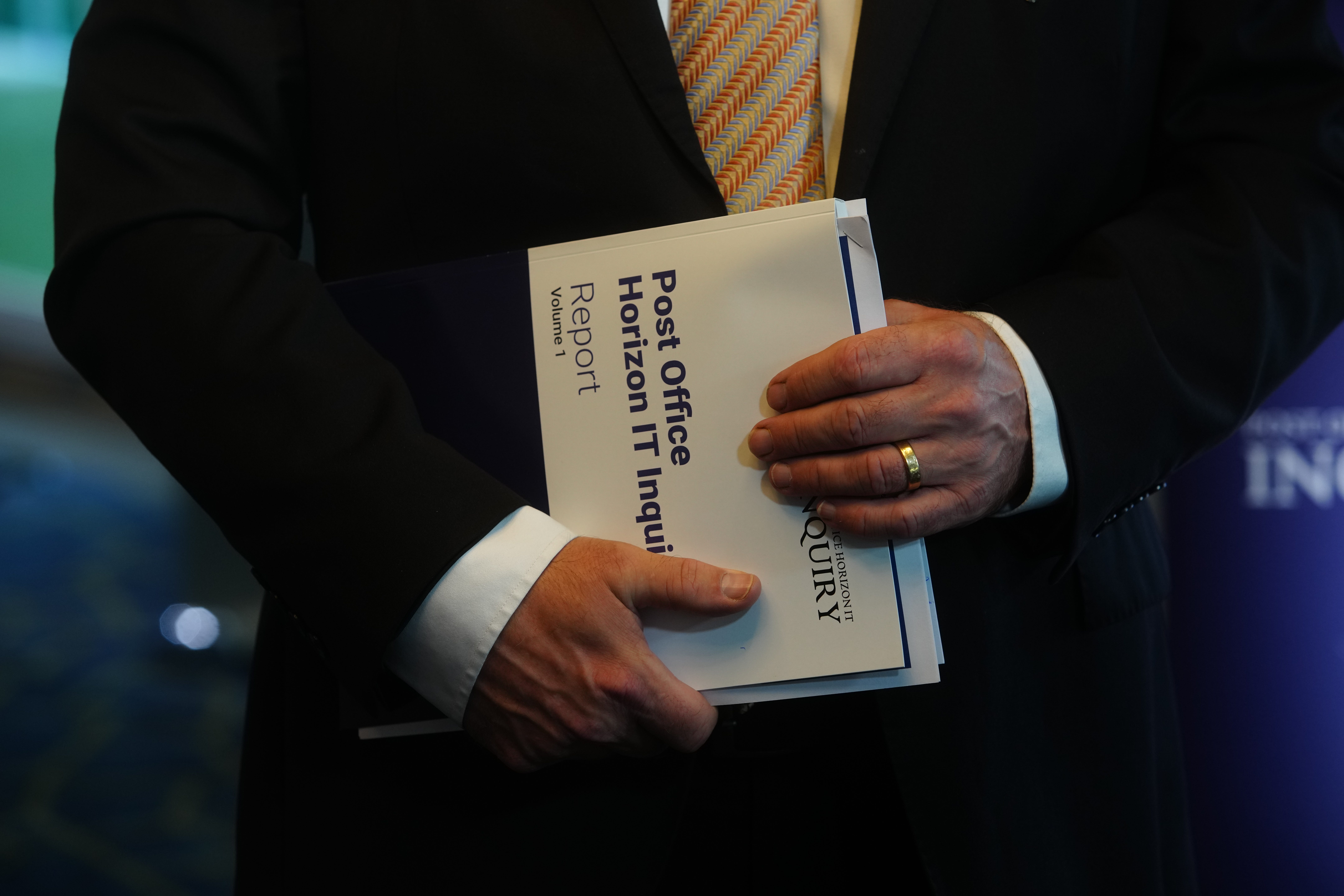
The NAO also looked at four schemes for victims of the Post Office Horizon IT scandal – which saw people wrongly prosecuted and convicted throughout the UK between 1999 and 2015 as a result of Fujitsu’s faulty software, with a significant number contemplating self-harm and some taking their own lives.
The report also took into account the LGBT Financial Recognition Scheme led by the Ministry of Defence to compensate UK Armed Forces veterans who were dismissed or discharged because of the pre-2000 ban on homosexuality.


The report said that of the five out of seven schemes which remain open, four have received claims from two-thirds or more of the expected total number of eligible people.
But the watchdog cautioned that “for most schemes this number is an estimate with considerable uncertainty”.
The report noted in “most cases, initial estimates of the rate at which schemes would receive and could process claims were wrong”, with some schemes building up backlogs of cases and longer processing times for compensation to be handed out as a result.
But the watchdog said “major changes” in how the schemes operated, such as what is described as more relaxed evidential requirements, did appear to have helped tackle backlogs and waiting times.
As an example, it said final payments have been made on more than 80% of eligible claims to the Horizon schemes.
The report warned that the schemes have had to balance the need to process payments speedily with the “increased likelihood of overpayments, underpayments and fraud”.
The watchdog said all the schemes it considered include “identification checks to mitigate against false applications, including the risk that schemes could be targeted by organised crime groups”.
Sir Geoffrey said: “Victims of the actions, or inactions, of public bodies, are rightly entitled to compensation for the terrible harms and injustices they have endured.
“The magnitude of the Government’s compensation schemes lays bare the scale of suffering: an estimated £14.9 billion in compensation across the most significant schemes, including £12.8 billion alone for victims of the infected blood scandal.
“Much of this has not yet been paid, despite many of the harms stretching back years and, in some cases, decades.
“Government has historically underestimated the complexity of these schemes, meaning that people are waiting too long to receive payments.
“Government is trying to apply the lessons from previous experience, but there remains work to be done to ensure that all those eligible receive the compensation they are owed.”
Gareth Davies, head of the NAO, said: “People who have experienced harm should be able to expect a clear process for claiming compensation and no unreasonable delay in processing their claim.
“There is clear evidence that more recent compensation schemes have learned from the experience of earlier schemes, helping reach more affected people and speed up payments to those eligible.”
A Government spokesperson said that as of the end of March “over £5.1 billion has been paid in compensation through these or similar interim schemes”, but added that it “recognises that no amount of money will make up for the impact these scandals have had on victims and their families”.
They added: “We are constantly working with the relevant communities to improve the take-up and delivery of compensation, and have delivered numerous improvements to our schemes in response to recommendations in recent years.
“The rate of compensation paid shows this Government is serious about delivering justice as swiftly as possible.”


