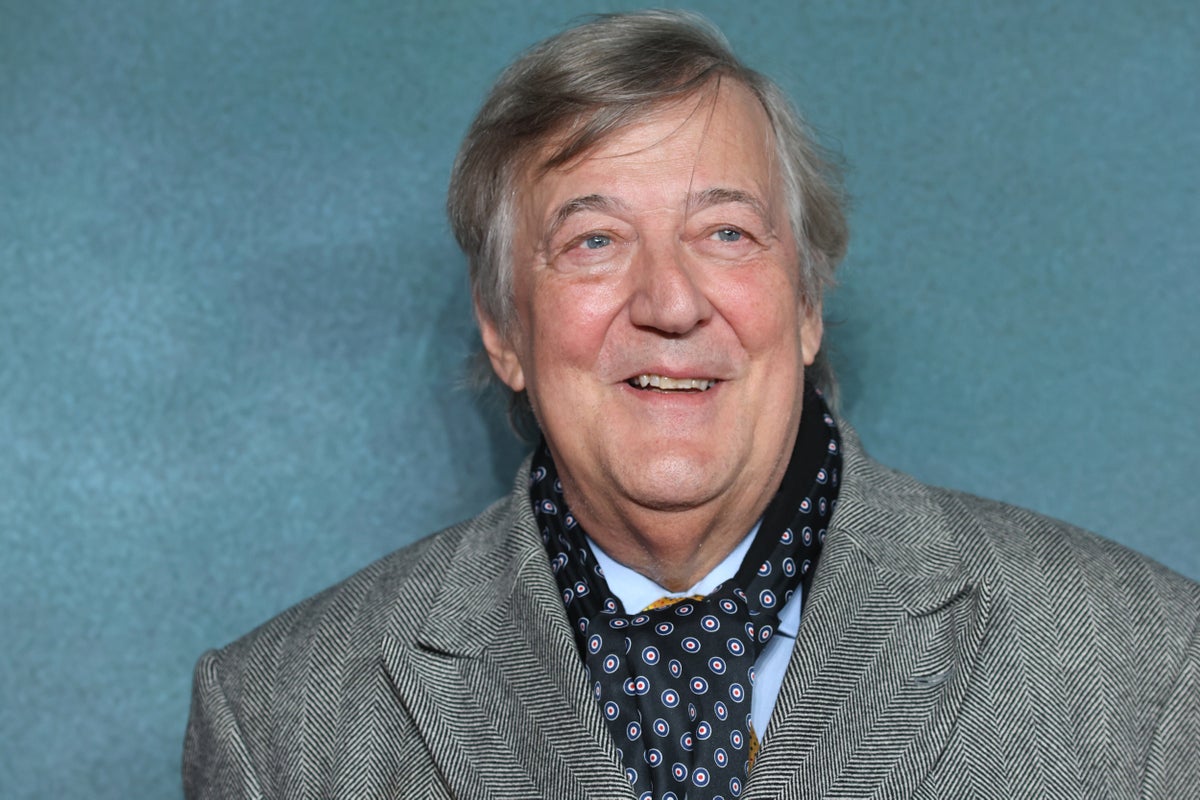
A new app backed by Stephen Fry can prescribe a poem to suit every mood, from Mary Oliver for sadness to Frank O’Hara for joy.
Ode, which launched this week, uses artificial intelligence to supply users with the perfect piece of verse for their day. The free-to-use audio-driven experience is part of a wider movement exploring how AI might be harnessed to support mental wellbeing.
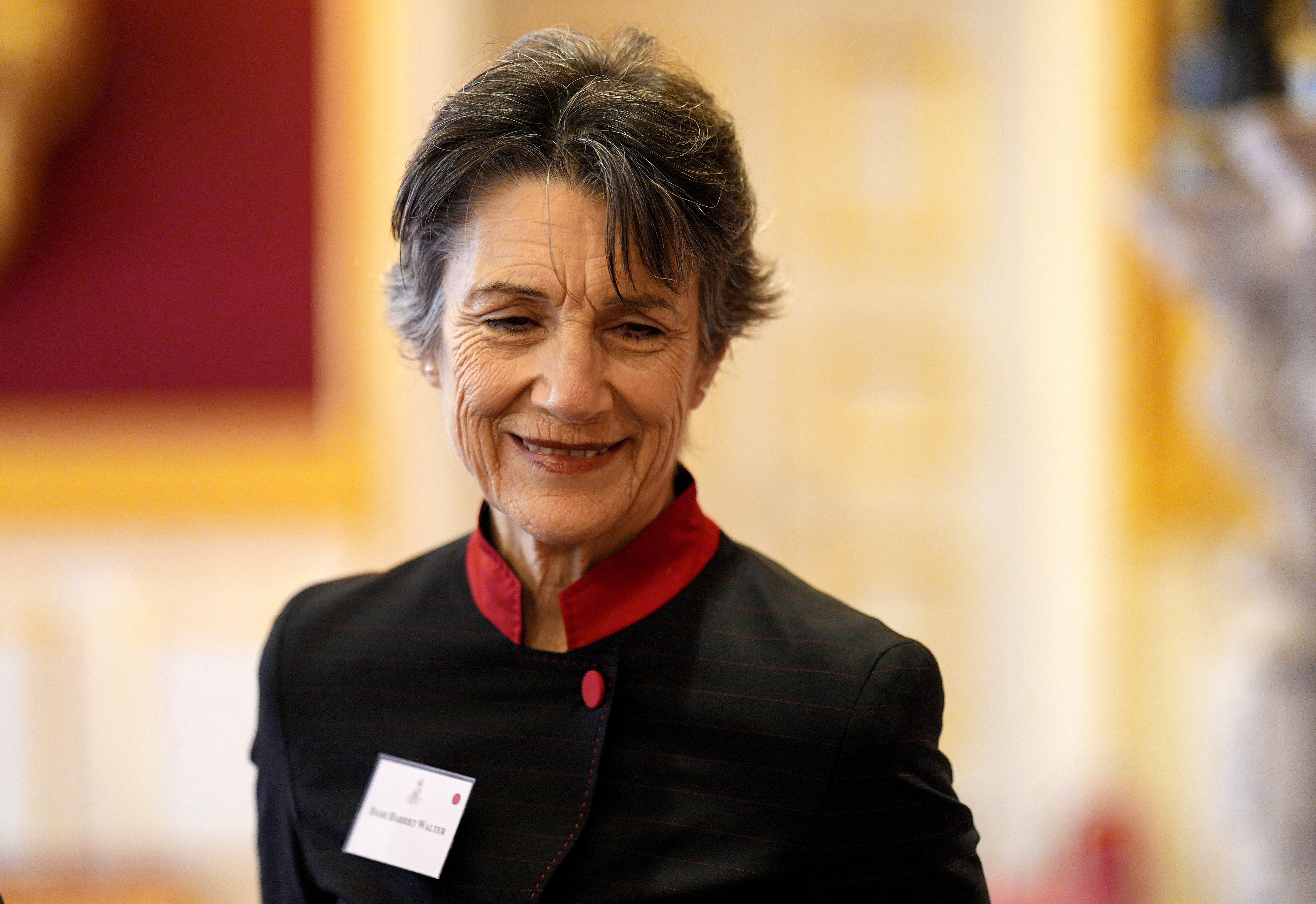
Harriet Walter, Stellan Skarsgård, Jeremy Irons, and Indira Varma are among the other famous faces to have lent their support – and their voices in the form of poetry readings – to the social enterprise founded by William Sieghart and Amelia Richards. It builds on Sieghart’s work as the author of the Poetry Pharmacy anthology, a series of books that organises works not by author or theme, but by feelings such as grief, heartbreak and anxiety.
Ode uses AI to help people find poems that resonate with how they’re feeling at any given moment. On the website and in the app, users are invited to respond to audible prompts – delivered by an AI narrator taking on the persona of Sieghart – which encourage meaningful reflection as opposed to one-word answers. All conversations remain confidential.
While the app is powered by advanced voice and transcription models, all of the poems that are selected are real poems read by real actors.
The usefulness of AI in mental health spaces remains an open question. Therapy-style chatbots, in particular, have stirred unease: nearly half of young Europeans say they’ve used them to discuss personal issues, but experts remain cautious about their limitations and long-term impact.
Many of these apps are attempting to meet rising demand as the NHS strains under pressure. Around one in four people in the UK experience a mental health problem each year, with the NHS reporting a surge in demand for mental health services last year, represented by the number of open referrals received.
As a result, waiting lists for talking therapies stretch from weeks to months. People are eight times more likely to wait over 18 months for mental health treatment than physical health treatment, with mental health campaigners arguing for a dedicated plan to address these waiting times.

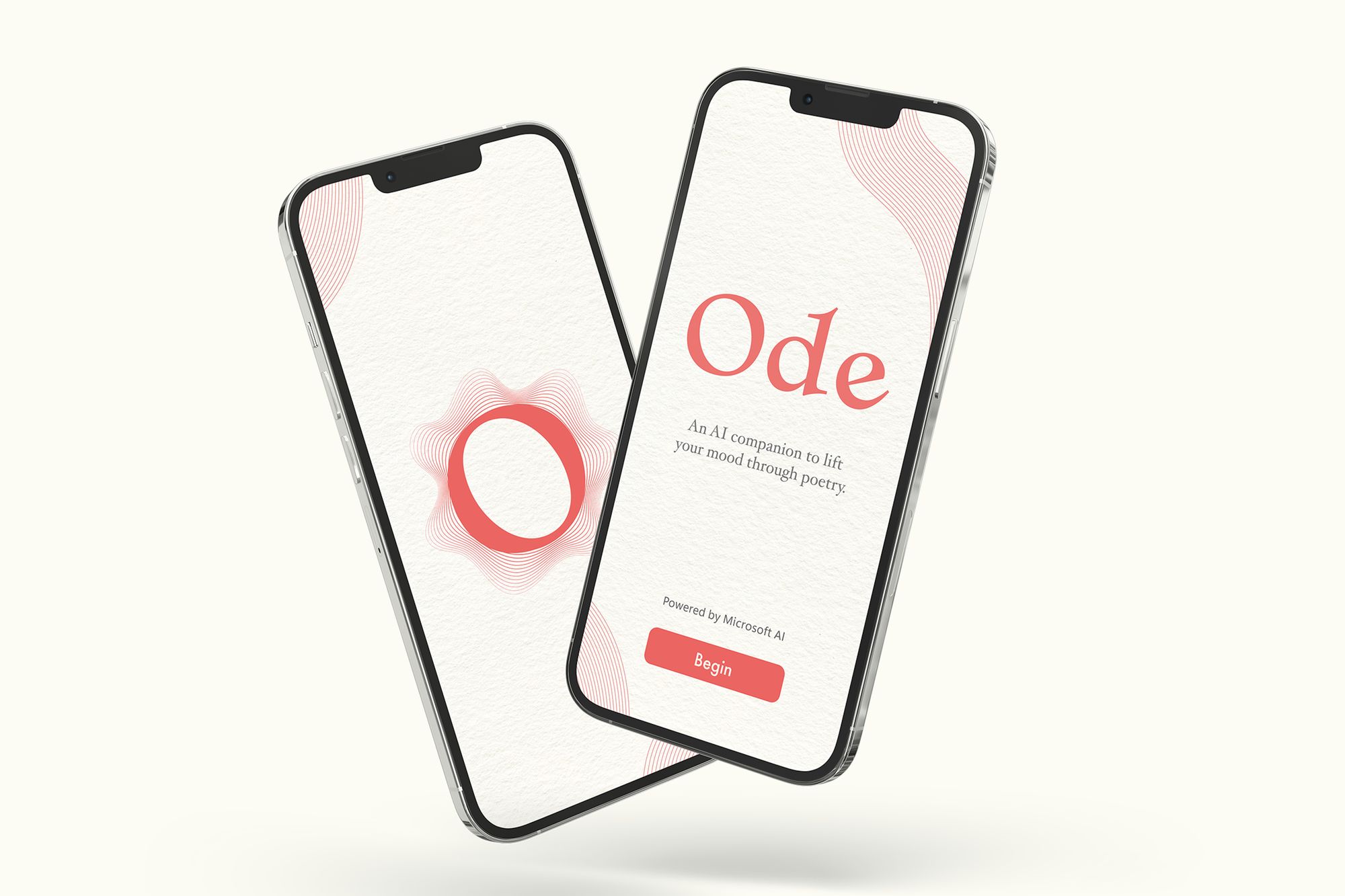
Ode is one of many AI-driven apps that hope to bridge that gap with poetry, the writing, reading and sharing of which has been shown in studies to help people cope with loneliness and isolation, and reduce feelings of anxiety and depression.
“I’ve spent much of my adult life trying to get poetry out of the poetry corner, because I believe in its power to heal and inspire,” said Sieghart.

“This project offers the ability to scale a small idea on a global level, and I am hugely excited by the number of people whose lives might be touched by the simple magic of a poem.”
Ode has been approved for use in the NHS by the Organisation for the Review of Care and Health Apps (ORCHA), allowing staff to recommend it to patients.
“We’re proud that Ode uses Microsoft’s AI models, not to replace human connection, but to extend it, making moments of reflection and self-care more accessible in everyday life,” said Trevor Back, product lead at Microsoft AI, with whom Ode was developed alongside the creative studio Gravity Road.