Just three miles from Stonehenge, archaeologists have made a remarkable discovery which sheds new light on the history of prehistoric religion.
For decades, it has been known that solar alignments formed a crucial part of the design of Stonehenge – but now, excavations near the world-famous monument have revealed that sun worship was a significant part of the Stonehenge area’s religious practice at least 450 years before the main phase of Stonehenge was constructed.
The discovery at Bulford in Wiltshire shows that by 3000 BC, prehistoric Britons were celebrating the midsummer sunrise and midwinter sunset.
Now archaeologists are beginning to wonder whether similar rituals and celebrations may have been going on at the site of Stonehenge centuries before the famous stones were erected.
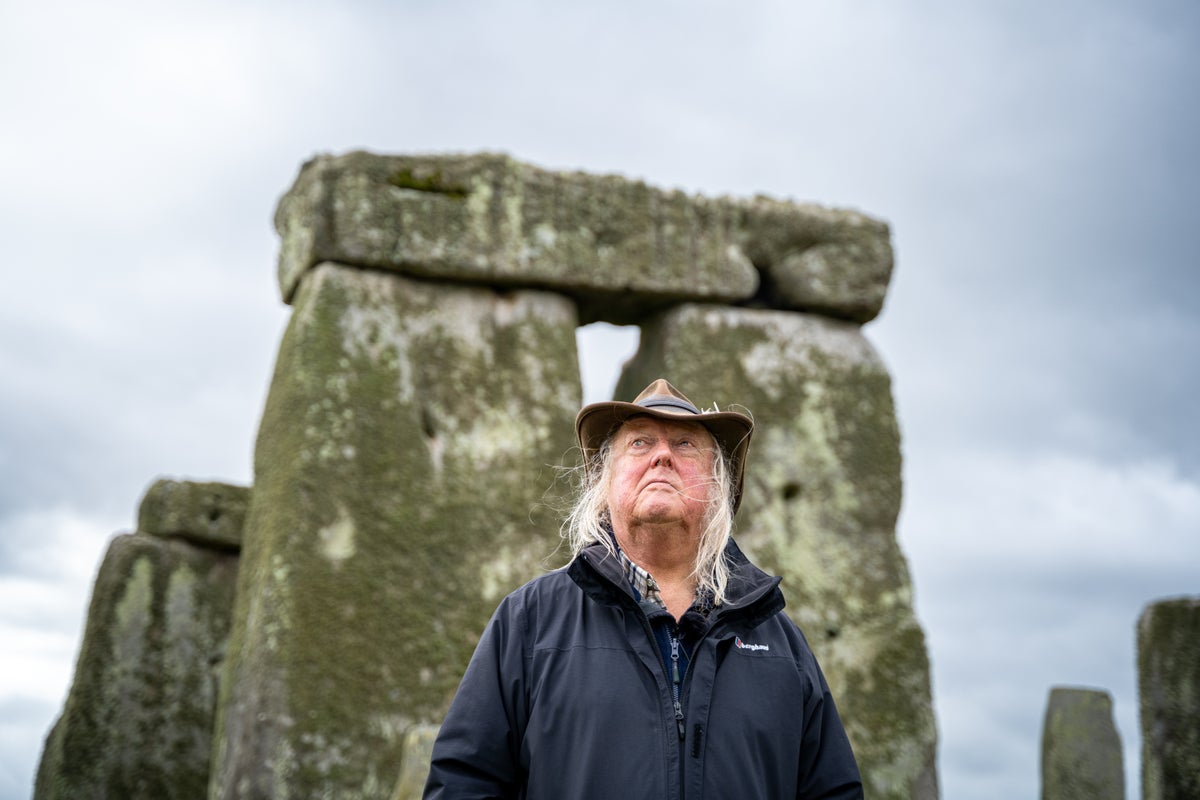
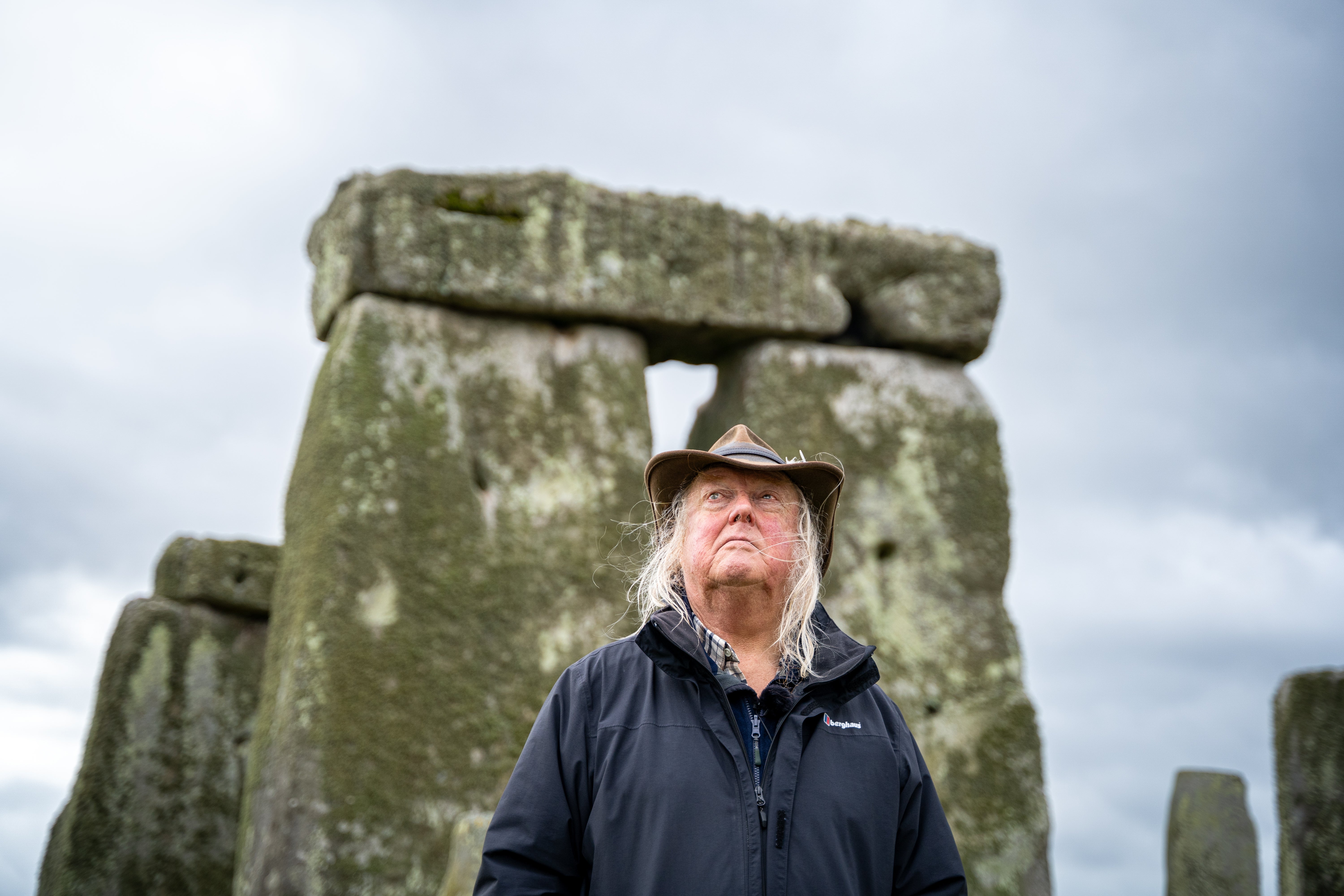
At Bulford, archaeologists, directed by a leading expert on the Neolithic era, Phil Harding of Wessex Archaeology, have unearthed a complex religious site consisting of 50 ritual pits – and what were almost certainly two timber monuments, exactly 120 metres apart, which were deliberately aligned with the summer and winter solstices.
The pits (ritually filled with feasting debris) and the timber monuments (probably 3.5-metre tall 50-centimetre diameter potentially highly decorated wooden posts) were dug and erected around 5000 years ago – and the posts prefigure what was to be constructed in stone 450 years later at Stonehenge itself (when the key stones at that famous monument were specifically positioned to mark the summer and winter solstitial alignments).
What’s more, Stonehenge’s circular earthen bank, built long before the famous still-surviving stone monument, but at the same time as the newly-discovered Bulford site, is roughly 115 metres in diameter – so it is now conceivable that early Stonehenge may have had similar solstice-marking’ totem poles’ externally on opposite sides of its still extant earthwork circle (Stonehenge’s original ‘henge’).
Apart from Stonehenge and Bulford, the only other precisely solar aligned monuments (of identical or older vintage) known in Europe are at a giant tomb in Ireland and in at least two temples in Malta.
Now scientists are likely to start redoubling efforts to search for such alignments at other sites.
“The solstitial alignment discovered at Bulford is likely to help encourage archeoastronomers to investigate whether there are similar solar alignments in even older monuments in Britain, Ireland, western France and elsewhere,” said archeoastronomer Dr Fabio Silva of Bournemouth University.
Interest in heavenly objects – stars, planets, the moon and the sun – were of immense importance to early civilisations and cultures. Yet, counterintuitively (within at least Europe and the Middle East), very early respect for the sun seems to have been a mainly Western European phenomenon, with early tombs often very roughly oriented towards the east, ie., towards the rising sun. Early sunrise-oriented tombs in Britain for instance date back to roughly 3700 BC.
While in the Middle East, where civilisation originated, huge respect for the sun and sun worship itself did not happen, on the whole, until slightly later – indeed, in ancient Egypt, not until around 2700 BC. But, significantly, star worship (rather than sun-worship) appears to have been equally important in both early prehistoric Western Europe and the Middle East.
The Bulford research is still in progress and will help archaeologists to understand the importance of cosmology in prehistoric religions.
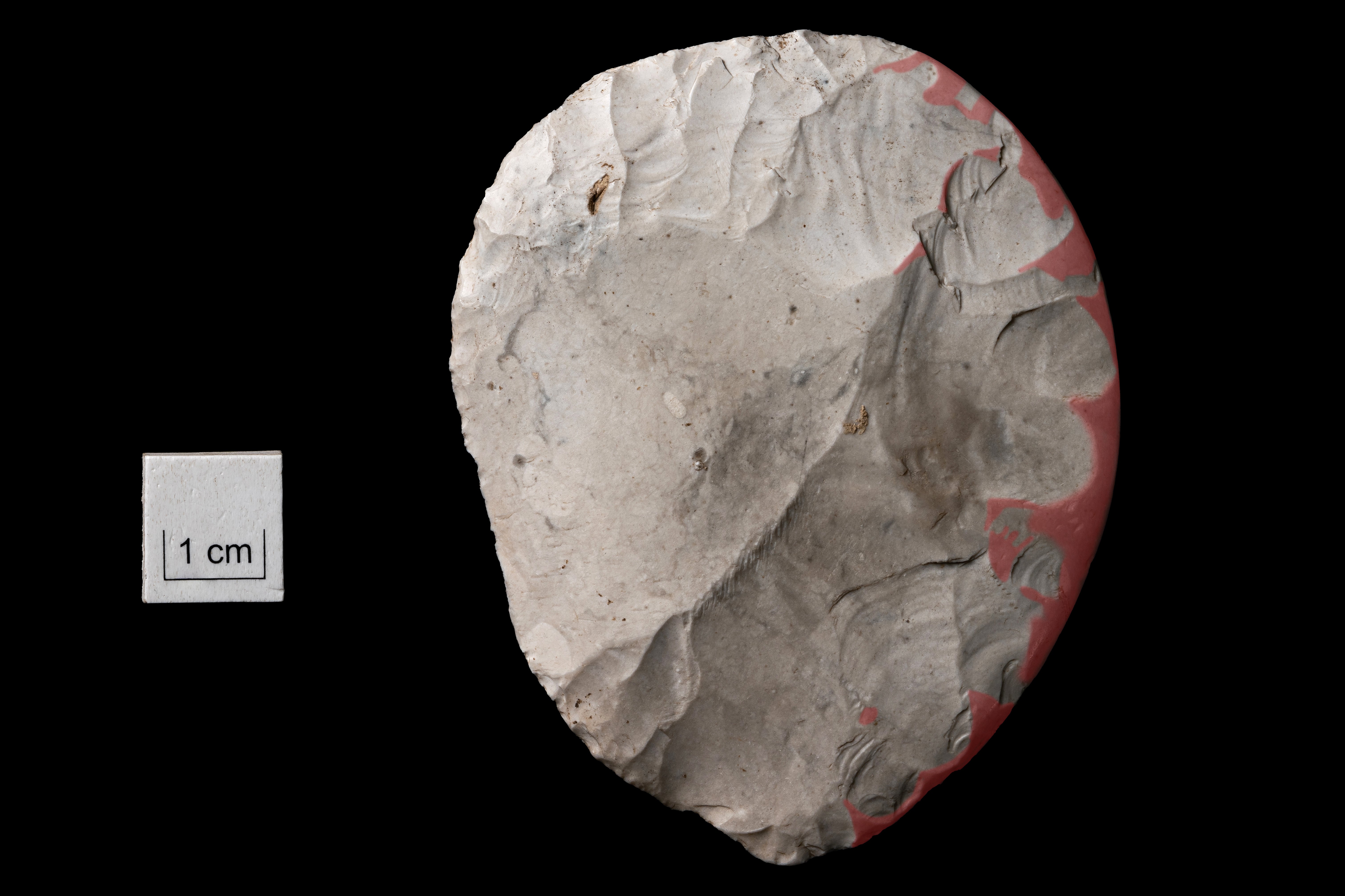
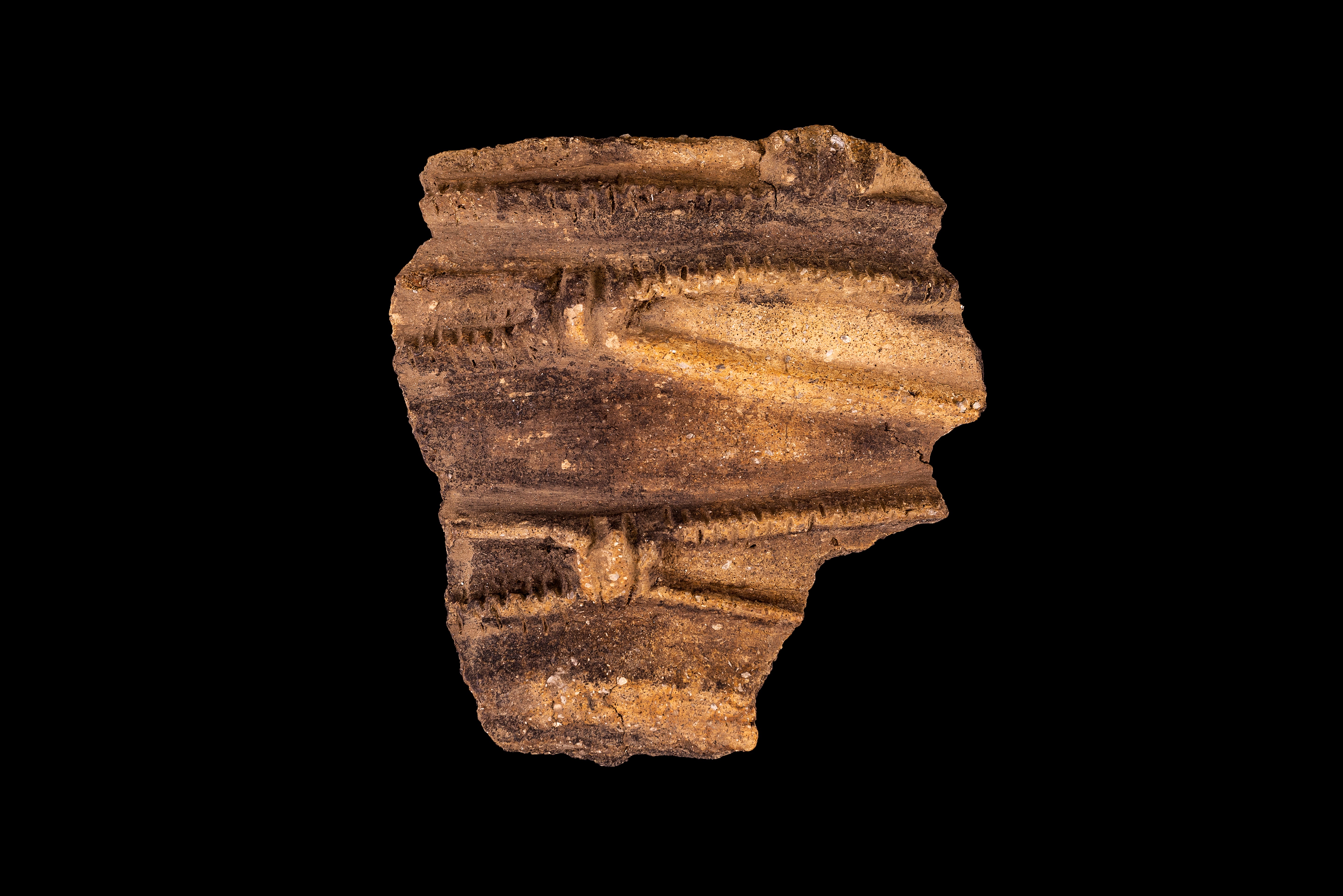
Some of the ritual pits at the newly discovered site may, in some way, be connected to the solar alignment celebrations. It’s likely that those events featured communal feasting – and the pits certainly show evidence of that. Each of them is filled with feasting debris, broken pottery, goat/sheep and pig bones and flint artefacts.
But a cluster of them have more unusual contents – bones from giant wild cattle (aurochs) and red and roe deer, and in one specific pit, a very rare high status roughly circular flint knife (possibly symbolising the Sun) which had been placed in a deliberately vertical position, its now no-longer-extant wooden handle buried in the ground and its circular blade pointing upwards.
It is conceivable that the area around this pit was used by key people (potentially priests or others) to witness the crucial solstitial alignments.
The apparently extremely limited distribution of such neolithic era precise solar alignments in the world is as yet an unsolved mystery. As far as is known, they only occur in the Stonehenge area, a very major monument in Ireland (a huge tomb at Newgrange), in at least two very important temples on the small Mediterranean island of Malta and in a tiny number of locations elsewhere in the world.
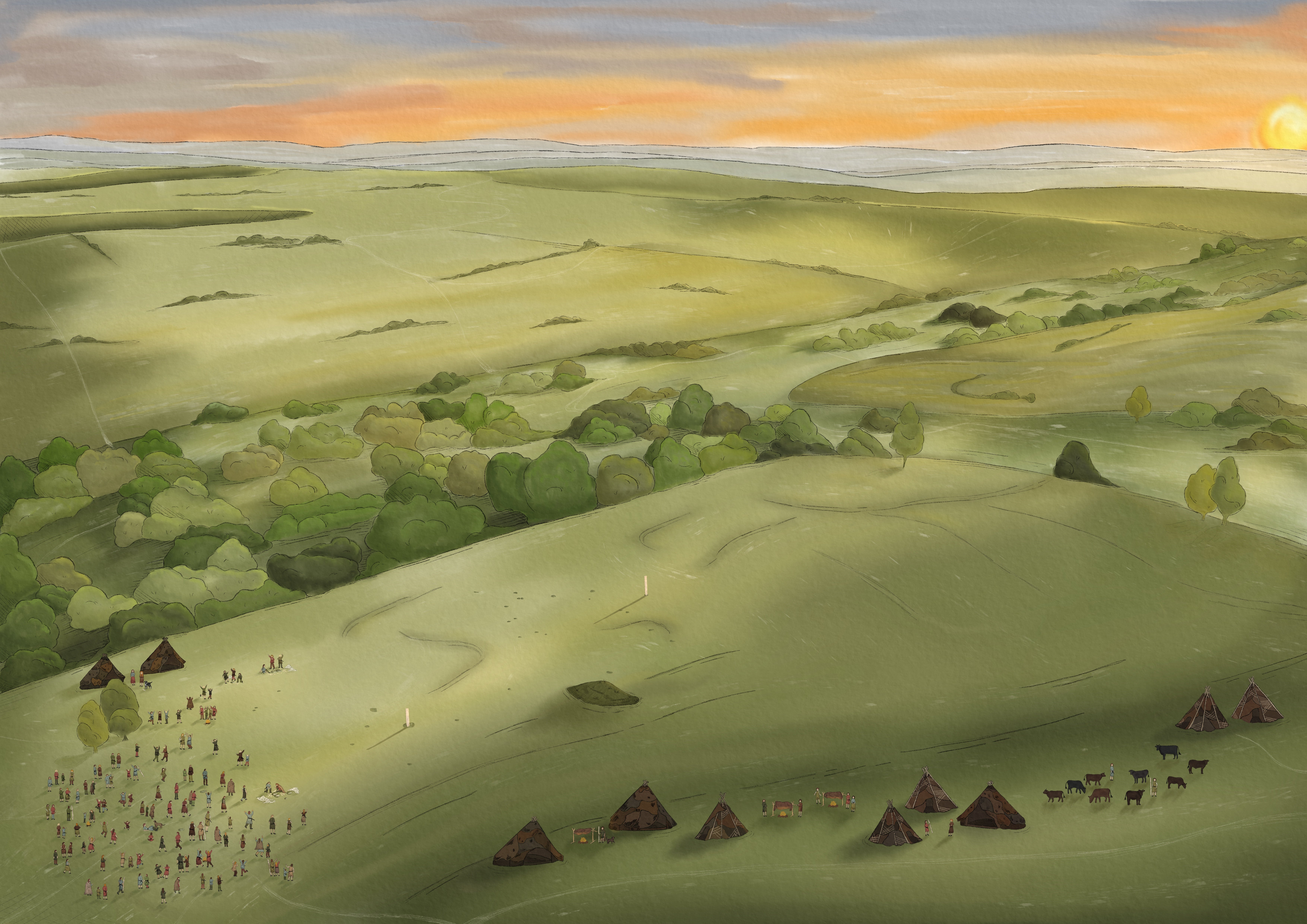
In virtually all the areas they occur, they tend to be associated with extremely high status prehistoric sites and locales. That suggests that any highly developed prehistoric – and often probably un-connected – solar cults may well have been elite-associated and relatively uncommon (though high profile), rather than common and widely distributed.
The ongoing Bulford research is likely to shed further light on the nature of at least the Stonehenge area’s solar alignment tradition.
“The Bulford and other discoveries reveal that precise prehistoric solar alignments were very important in the Stonehenge area. Bulford itself pushes that phenomenon in that ritual landscape back by several hundred years,” said archaeologist Dr Amanda Chadburn, co-author of Stonehenge – Sighting the Sun.

.jpeg?trim=624,0,625,0&width=1200&height=800&crop=1200:800 "Are today’s motorists starting to care less about horsepower? – UK Times")