






Individuals grappling with alcohol problems could benefit from weight loss injections, experts suggest.
It comes after a new study revealed that the drug Wegovy can help curb drinking habits.
Researchers found that alcoholics who administered semaglutide experienced reduced alcohol consumption, fewer heavy drinking days, and a significant decrease in cravings.
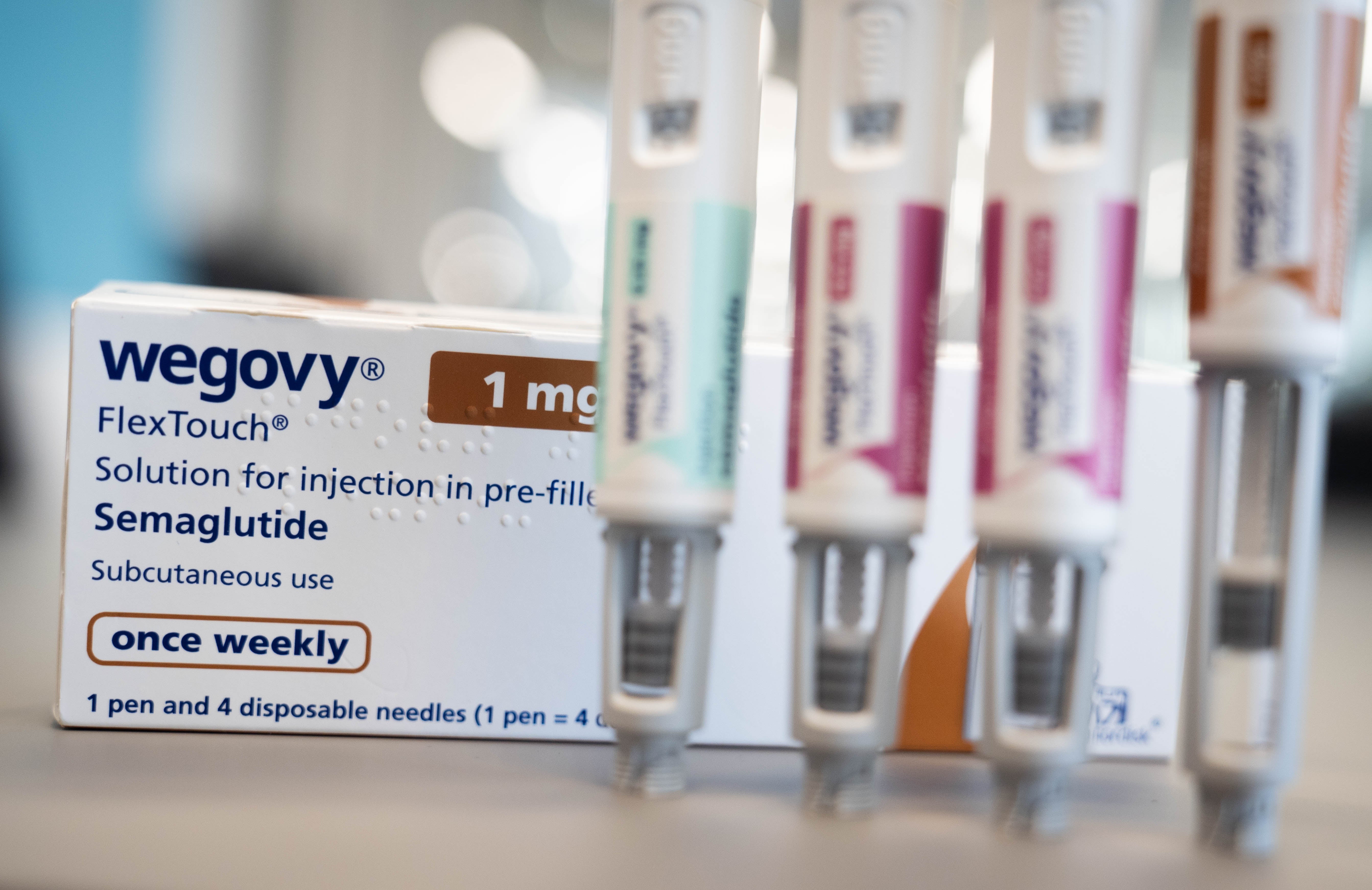
The Danish study assessed semaglutide – known commercially as Wegovy for weight loss and Ozempic for type 2 diabetes – among 108 obese patients seeking treatment for alcohol use disorder.
All participants received talking therapy. Over 26 weeks, half were given a placebo, while the other half received 2.4mg of semaglutide.
At the trial’s outset, participants, based at a Danish health centre, reported an average of 17 heavy drinking days in the 30 days prior to the study.
After six months, those on semaglutide saw heavy drinking days fall to approximately five over a 30-day period, compared to nine days for the placebo group.
Overall alcohol consumption also reduced more among those taking semagultide compared with those taking the placebo.
At the start of the trial, participants had an average of approximately 2,200g of alcohol over the previous 30 days, which decreased over six months to an average of 650g among those taking semaglutide and 1,175g for those taking the placebo, according to the research team, led by experts from the Mental Health Centre Copenhagen and Frederiksberg Hospital.
Professor Anders Fink-Jensen, principal investigator of the study, said: “The results suggest that semaglutide not only affects appetite but also influences the biological mechanisms underlying addiction.
“This opens the door to complementing existing treatments for alcohol use disorder with a GLP-1 receptor-targeted approach.”

First author Dr Mette Kruse Klausen added: “This is a patient group with a high disease burden and a substantial risk of both physical and mental complications.
“Reducing the most harmful drinking patterns could make a meaningful difference for patients.”
In a linked commentary, also published in The Lancet, academics from the US said: “The importance of evaluating GLP-1 therapies as new therapeutic options for alcohol use disorder cannot be overstated,”
“Should forthcoming studies confirm efficacy of GLP-1 therapies for alcohol use disorder across a broad range of populations and settings, public health implications could be substantial – a possibility that deserves celebration.”
Commenting on the study, Dr Marie Spreckley, research programme manager at the University of Cambridge, said: “Overall, this study provides encouraging early evidence for a potential new treatment approach for people with co-occurring obesity and alcohol use disorder, but larger and longer-term trials in more diverse populations are needed before this can inform routine clinical practice.”
Matt Field, professor of psychology at the University of Sheffield, said: “This well-conducted trial showed that 26 weeks of semaglutide treatment led to a marked reduction in the frequency of heavy drinking among people with alcohol use disorder who were also obese.
“It goes beyond previous observational studies of GLP-1 agonists and provides some of the strongest evidence yet that these medications may help some people to reduce their alcohol consumption.”
Prof Field added: “There are still important gaps in our knowledge about the long-term effects of these drugs and who might benefit from them the most.
“In this study, there was no follow-up after semaglutide treatment had finished.
“This means that we do not know if people reverted to their previous heavy drinking behaviour once they stopped taking the medication, something that may be a real risk because other studies have shown that when people stop taking GLP-1 agonists, they regain a lot of the weight that they have lost.
“Another key question is whether beneficial effects of these drugs extend to all patients with alcohol use disorders and other addictions, a significant minority of whom are underweight.”

