




It’s a weird moment when you realise doctors don’t know everything. Mine occurred after I was hospitalised for a raging pelvic infection, which doctors had dismissed for weeks as nothing more than a standard UTI. Bloods were taken, scans were done and I was rushed into surgery that was forecast to take 45 minutes but, in fact, took four hours. At 26 years old, I lost a fallopian tube that was too damaged to stay in my body. It took months to recover physically – and far longer to adjust mentally.
But I’d learned something: that, as a woman, you have to advocate for yourself more than you should to get the help you need within the healthcare system. After demanding follow-up scans and blood tests, I was diagnosed with PCOS and showed signs of suspected endometriosis and pelvic scarring, which left me in agonising pain. I’m still yet to have the endometriosis diagnosis confirmed; on average, this laborious process takes just shy of a decade.
Unlike in Europe and the US, we don’t have standalone gynaecologists in the UK. In Spain and Portugal, for example, you can nip along and get expert care in the same way we’d see a dentist or optician. But when going through the NHS, GPs become gatekeepers, whom I’ve had to see dozens of times before being given a hospital referral. Then, as has been widely reported, wait times are chronic; It’ll be six months minimum before I see a specialist – other women told the Royal College of Obstetricians and Gynaecology that they waited years.
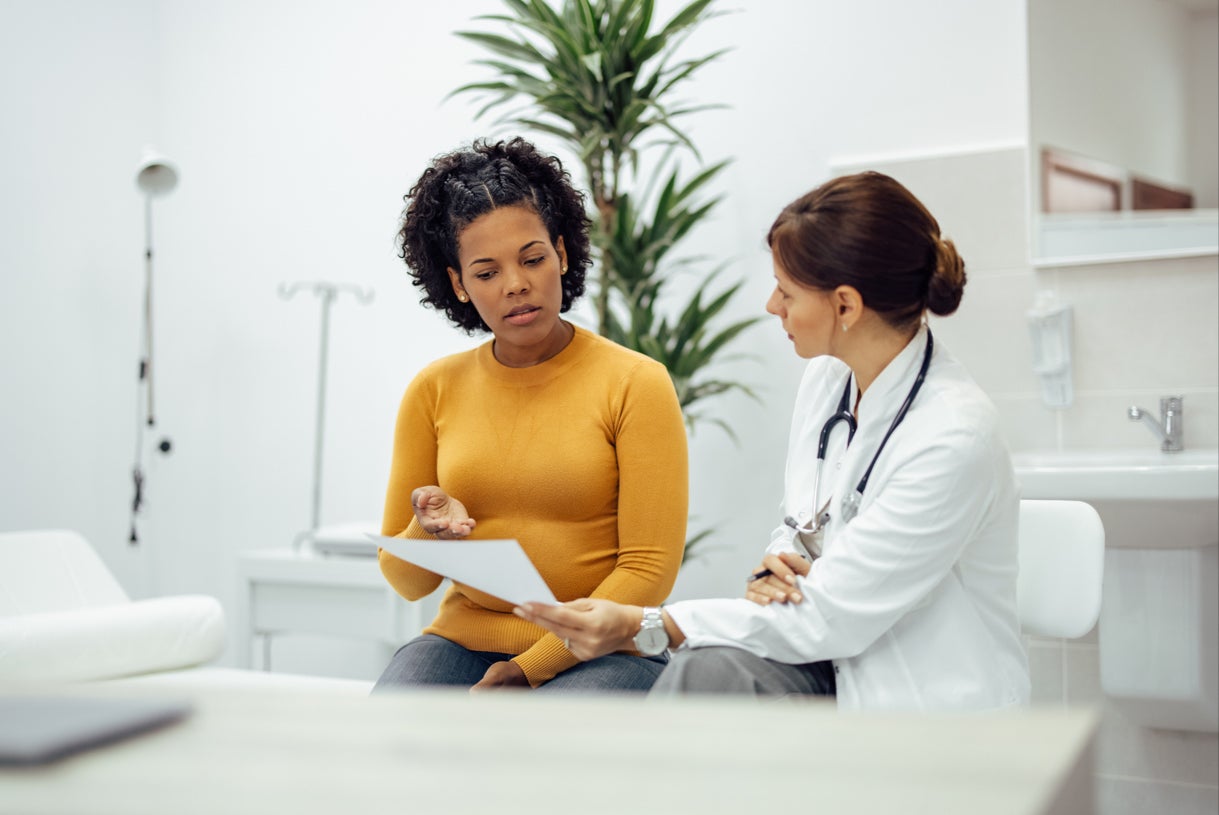
Then, when you finally sit down to have the appointment, comes the medical misogyny and gaslighting. I’ve been told, repeatedly, that there’s nothing wrong with me, that there is something wrong with me but nothing can be done about it besides taking the contraceptive pill, that the pain I’m experiencing is due to depression, and that the only way the agony will ever subside is if I give birth. Is your blood boiling yet?
In April, the government released its renewed Women’s Health Strategy, promising to “transform” the NHS’s performance. “At the heart of these challenges is a systemic failure to listen to women,” the authors wrote. “If our approach to health and care does not work for all women – 51 per cent of the population – then simply put: it does not work,” they added.
So far, so true. But the problem with progress is that it is so slow. This isn’t impatience or pessimism: it’s a fact. When you spend day in, day out, fatigued, in pain, unable to work, and emotionally and physically drained – you don’t have another minute to wait for a systemic overhaul. You need answers and action now, which non-specialist doctors don’t have.
All of which is to say, when I heard PCOS was having a one-letter name change to polyendocrine metabolic ovarian syndrome (PMOS), meaning the diagnoses should finally reach beyond women who have cysts on their ovaries and instead also consider those having issues with metabolic health and hormone imbalance, I sort of shrugged.
Diagnosis, yes, is key. Approximately 170 million women worldwide have PCOS/PMOS, with experts estimating that 70 per cent of sufferers are undiagnosed. To finally have an answer to your exhaustion, brain fog, irregular periods, weight gain and hair loss is validating but – when the detection doesn’t unlock access to targeted treatment or effective specialised support – it’s ultimately useless in altering life quality.
It’s taken me three years to actually get any help to manage this condition, much of which I have uncovered outside of NHS offices. I’m starting to ovulate properly again; pain has lessened, my insulin levels are regulating and my testosterone levels have shot down. I’m not a medical professional – but I have spoken to a lot of them, and I know what works for me now. PMOS has no cure, but there are measures (other than the contraceptive pill) that you can take to help yourself. This is what has helped me so far.
A simple healthy diet
There are hundreds of thousands of recommendations about what to eat and what not to eat when you have PMOS. But the simplest, easiest way I’ve found to improve insulin resistance, manage hormone imbalance and ease chronic inflammation (and therefore back pain) is to eat vegetables, protein, fruit, and complex carbohydrates 90 per cent of the time. That doesn’t mean that you can’t have a pizza on the weekend; just for the majority of my meals I focus on whole foods and prioritise oily fish, which have powerful anti-inflammatory properties.
Gradually, you’ll start to identify your own triggers. For example, coffee causes me to bloat and experience back pain. So, I opt for matcha or herbal tea most mornings.
Getting mental health support
Recent studies have shown that people with PCOS are four to seven times more likely to have depression and anxiety, three to six times more likely to have an eating disorder, and 8.47 times more likely to attempt suicide. In a survey conducted by the non-profit PCOS Challenge: The National Polycystic Ovary Syndrome Association, 62.15 per cent of respondents reported high to severe mental health impacts caused by the condition.
I underwent counselling a year after my diagnosis, while I was still battling with referrals, scans, assessments and gaslighting. It was inestimably beneficial to have somebody outside of my social or family circle who could objectively look at what I was going through and offer support and affirmation that what I was going through was hard, not something to shrug off. The Awareness Centre were excellent for this.
Exercising – even when feeling bad
On the days when back and pelvic pain was radiating through my body, the last thing I thought I wanted to do was exercise. But after committing to 150 minutes of moderate to vigorous aerobic exercise, I found that moving my body, even on days when I didn’t think I could manage it, actually eased my symptoms as the pelvic blood circulation caused my muscles to relax, reduced inflammation and allowed endorphins to work as natural relief. Often, I found that HIIT classes and quick 5ks spiked my cortisol too much. To calm my body down while still working out, I instead opted for a flow class that incorporated weights, cardio, pilates and yoga like Paola’s Body Barre. Pelvic physiotherapy exercises also help.
Proper pain relief
Astonishingly, pain is not listed as a side effect of PMOS in the NHS guide on the condition. Yet, pain was the most frequently reported symptom in a study as far back as 2017.
For days when I can barely stand due to pain, I use an (NHS-approved) Tens machine to send electric currents to my nerves, blocking pain signals by overwhelming them. I also take naproxen, which works by reducing hormones that cause inflammation and pain in the body.
When chronic fatigue due to pain sets in, I add in melatonin and magnesium before bed, which I find eases migraines, promotes a deep sleep and improves my mood the next day.
Advice from alternative experts
As frustrating as it is to effectively have to heal yourself because the health service can’t, there are, consequently, some amazing experts offering insight and advice online (just make sure they’re properly accredited) that you can then ask your doctor if it’s suitable for you.
Women’s health practitioner Sophie Richards helped me find an anti-inflammatory diet. Meanwhile, I never would have known to try metformin to regulate my cycles and reduce insulin resistance if it weren’t for Dr Thaïs Aliabadi’s insight on the health podcast SheMD. Natural alternatives to this insulin regulator include berberine or myo-inositol, which have been found to reduce androgen and insulin resistance in some studies. The general rule of thumb is to try new supplements for three months and see how you get on. Omega-3 and zinc have also been shown to help improve inflammation and hair loss.
Going private to identify the root cause
While it’s absolutely not right that women are being left to slip through the cracks of the health service, private specialists and alternative care can really help treat hormone disorders if you can afford it.
I had an initial consultation with GP turned women’s hormone expert Dr Nirusha Kumaran, who recommended I consider a nutrigenomics panel to help refine and tailor my supplement use, a Dried Urine Test for Comprehensive Hormones (DUTCH) to see how my body is metabolising and breaking down hormones and provide needed support, and a microbiome analysis, that looks at different gut metabolite markers, microbiomarkers, pathogens and inflammation markers, to find the root cause of the imbalance – not just treat the symptoms.
“It goes back to an understanding of biochemistry, which is why a lot of doctors don’t recognise or appreciate it,” says Kumaran. “They say ‘OK, this is your issue, this is your treatment’, but what are the root cause drivers? Often, when you fix those, it will lead to an improvement in symptoms. There are answers outside of conventional medicine.”

