

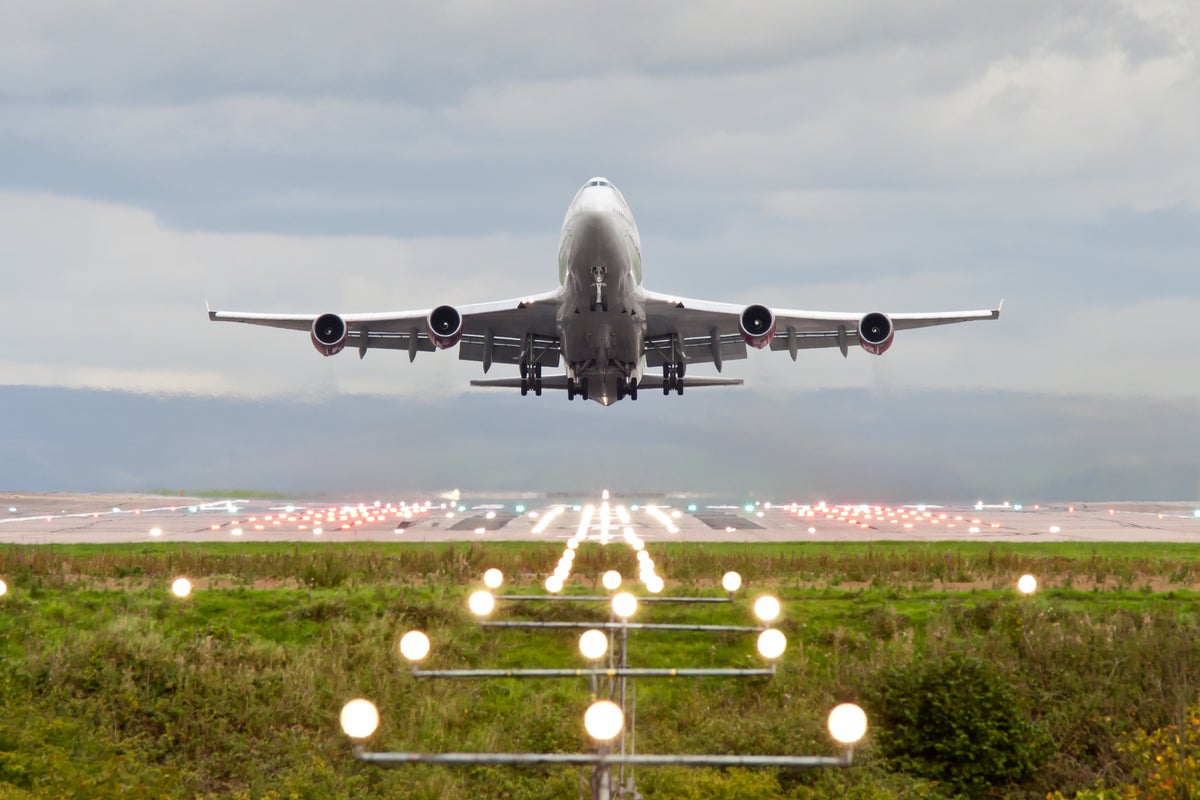
A passenger jet carrying 168 people risked being unable to stop safely in an emergency after it cleared a runway just 13 feet (four metres) above the ground, an investigation has concluded.
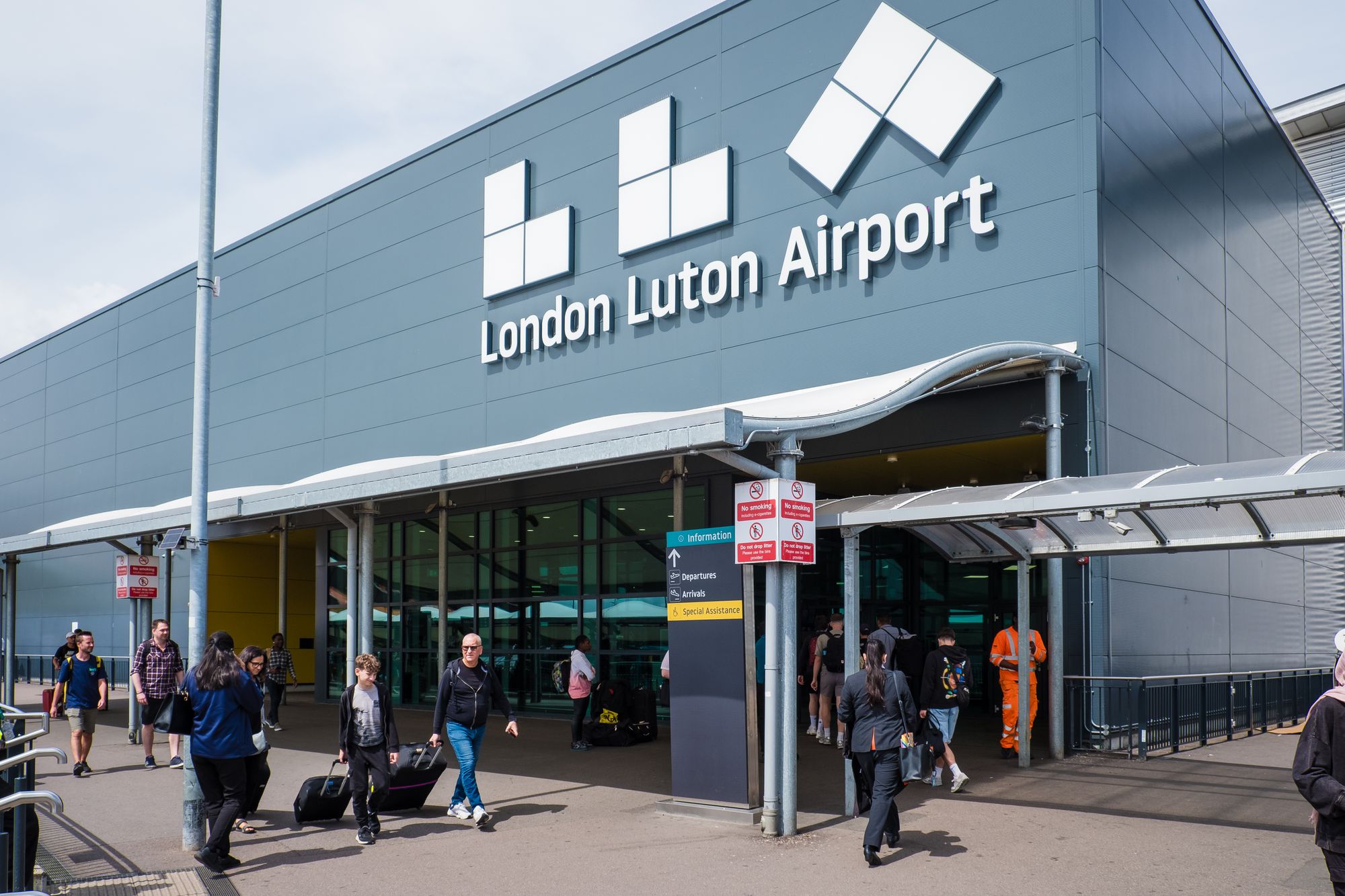
The incident involved a Boeing 737-800, transporting 162 passengers and six crew members from Luton airport to Athens, Greece, on April 22 last year.
A report by the Air Accidents Investigation Branch (AAIB) stated that the pilots failed to adjust the settings on their flight management computer (FMC). This oversight occurred after they were instructed to depart from an intersection on the runway, rather than utilising its full length.
This resulted in the maximum amount of thrust being lower than required based on the available distance.
The plane lifted off just 162 metres from the end of the runway, and was just 13ft above the ground when it crossed that point.
The AAIB said: “If the aircraft had suffered a loss of thrust during take-off, there was a potential that it would not have been able to stop on the remaining paved surface following a decision to reject the take-off or, alternatively, achieve minimum height clearances during departure following a decision to continue the take-off.”
Airliner pilots preparing to take-off are required to enter thrust settings into their onboard computer which mean the aircraft has sufficient runway remaining in case they are forced to stop because of a failure.
This also ensures they reach a minimum height to clear obstacles after passing the end of the runway.
The flight involved in the incident at Luton airport was operated by Ascend Airways, which collapsed in April.
The company, headquartered in Bishop’s Stortford, Hertfordshire, offered wet-leasing, which involves supplying planes with pilots and cabin crew to other airlines.