




Downing Street has defended the “normal practice” of prime ministers recommending individuals for peerages, following reports that Sir Keir Starmer could pack the House of Lords with 19 new Labour peers.
The Times reported that Number 10 is preparing to announce nominations for the unelected chamber days before the Prime Minister leaves office.
According to the newspaper, Labour is set to receive 19 new peers, while the Conservatives have been allocated four and the Liberal Democrats five.
This would bring the total number of peers appointed by Sir Keir to 135 since he entered government two years ago, The Times said.
Labour has previously accused the Tories of having “stuffed” the red benches while in power, enabling the party to now frustrate the government’s legislative plans in opposition.
Before winning the 2024 general election, Sir Keir argued the House of Lords should be abolished, and said honours should be for “public service not Tory cronies”.

In office, the Government passed the House of Lords (Hereditary Peers) Act 2026, putting an end to seats being available for hereditary peers by virtue of their family ties.
Asked about the reporting on his upcoming nominations, the Prime Minister’s official spokesman told reporters: “I’m not going to comment on that speculation.
“More broadly, it’s normal practice for prime ministers to recommend individuals for peerages.
“But this Government has already delivered on its commitment to remove the right of hereditary peers to sit and vote in the House of Lords, and that represents a significant constitutional reform.”
The official added that ministers are “exploring further reform in the form of a participation requirement and retirement age”.
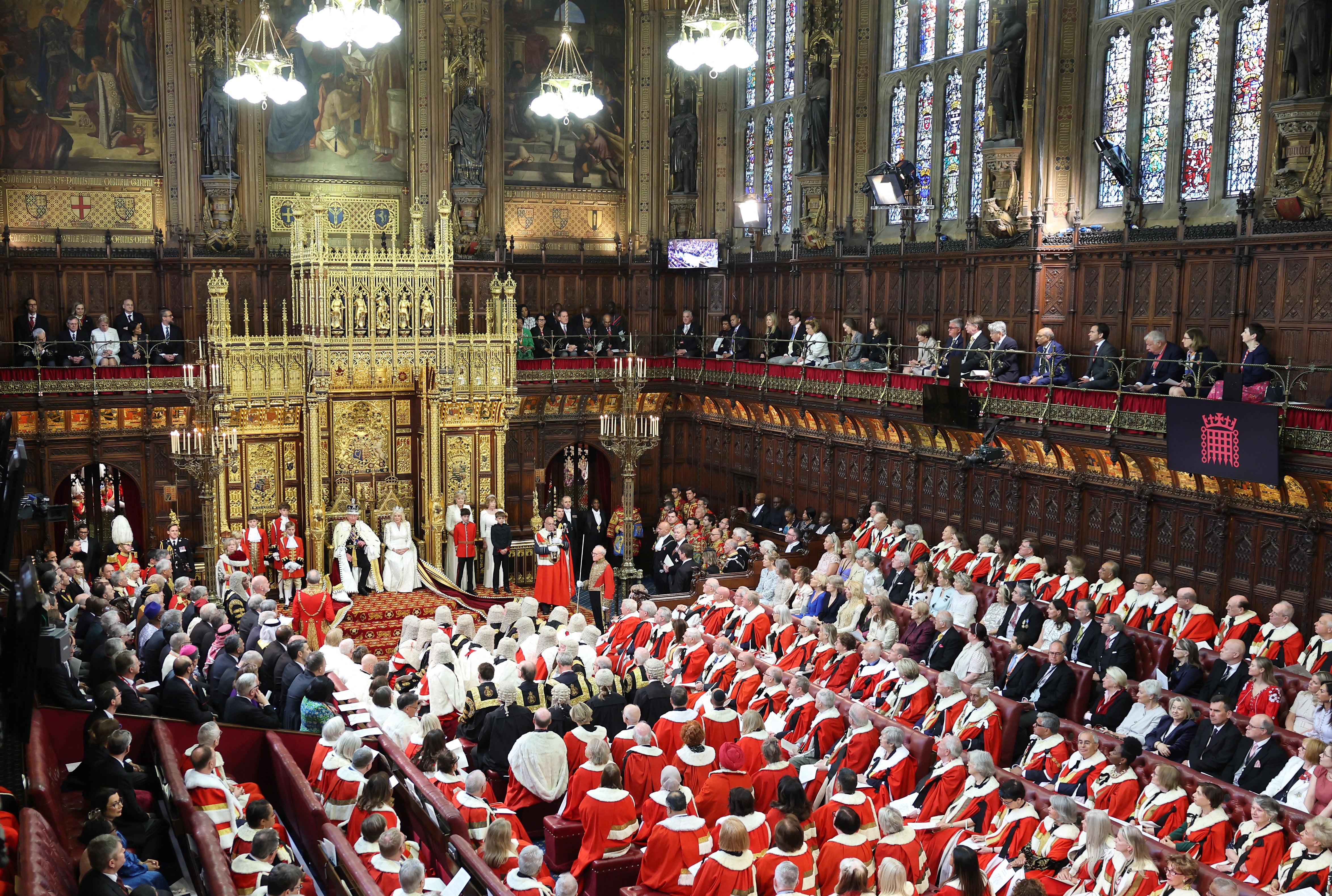
Sir Keir’s new list would need to be signed off by the House of Lords appointments commission.
There have been long-standing concerns about the size of the House and calls to reduce its membership, which currently stands at 774, compared with MPs, who are capped at 650.
Figures show the Conservatives remain the largest bloc in the Lords, with 246 peers compared with Labour’s 216.
There are 156 crossbench peers and 74 from the Liberal Democrats.