

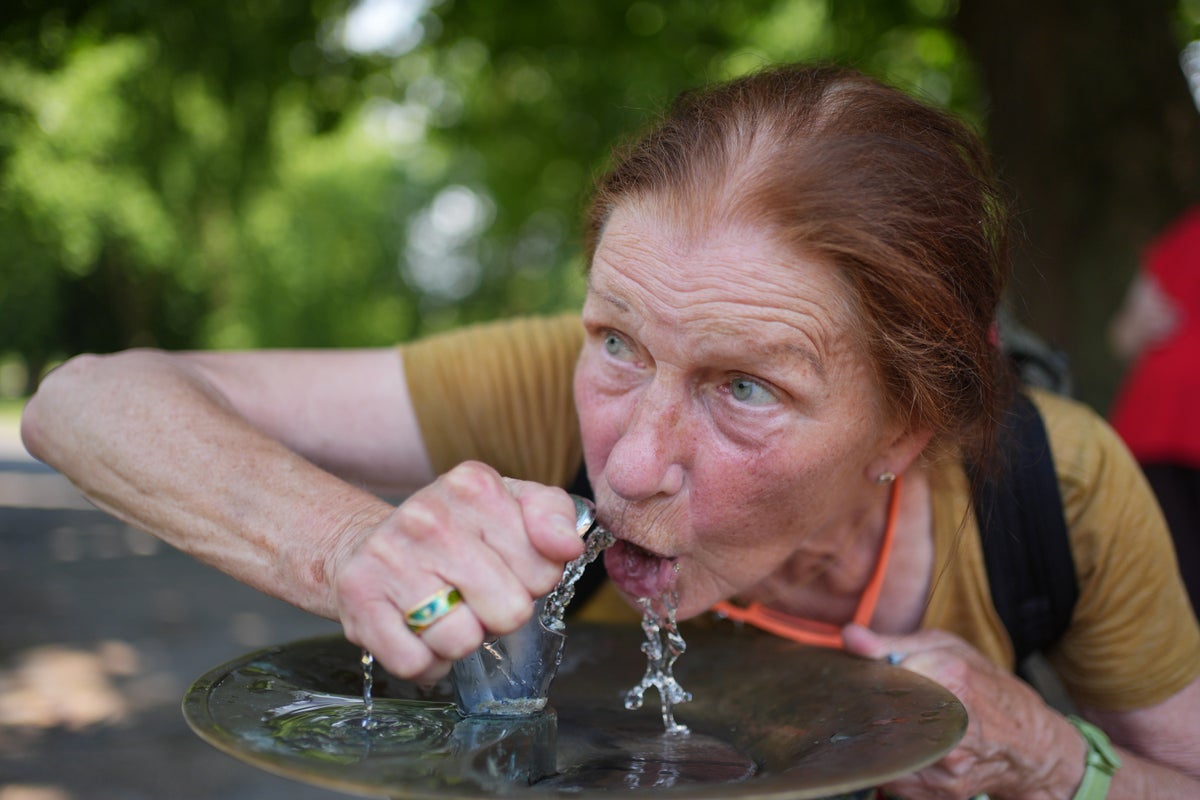
There have been more than 1,300 excess deaths across Europe since 21 June as an unprecedented heatwave continued to push temperatures to record highs, the head of the World Health Organisation said.
France alone recorded at least 1,000 additional deaths in just three days.
“Heat stress is often called the ‘silent killer’, and European homes, workplaces, and schools were not built for these temperatures,” WHO director-general Tedros Adhanom Ghebreyesus said on X on Sunday.
“Europe is the fastest-warming continent on Earth, heating at twice the global average. Right now 150 million people are living under extreme heat, hundreds have died, schools are shut, grids are buckling.”
France bore the worst of the death toll. There were more than 1,200 deaths on Wednesday, when France was sweltering under its hottest temperatures, increasing to more than 1,400 deaths on each of the two following days, Public Health France said.
In April and May, before the heatwave, France’s daily death rate was between 900 and 1,000. The agency concluded France experienced at least 1,000 additional deaths during those three days alone, a figure it cautioned was likely to rise as more data came in.
Some 85 per cent of the deaths involved people aged 65 and above, with the sharpest increases in areas under red warnings of extreme heat, which covered about three-quarters of the country at the heatwave’s peak.
At least 74 people have also drowned in France since the heatwave began, most in unsupervised bodies of water such as rivers, lakes and ponds, interior minister Laurent Nuñez told Le Parisien.
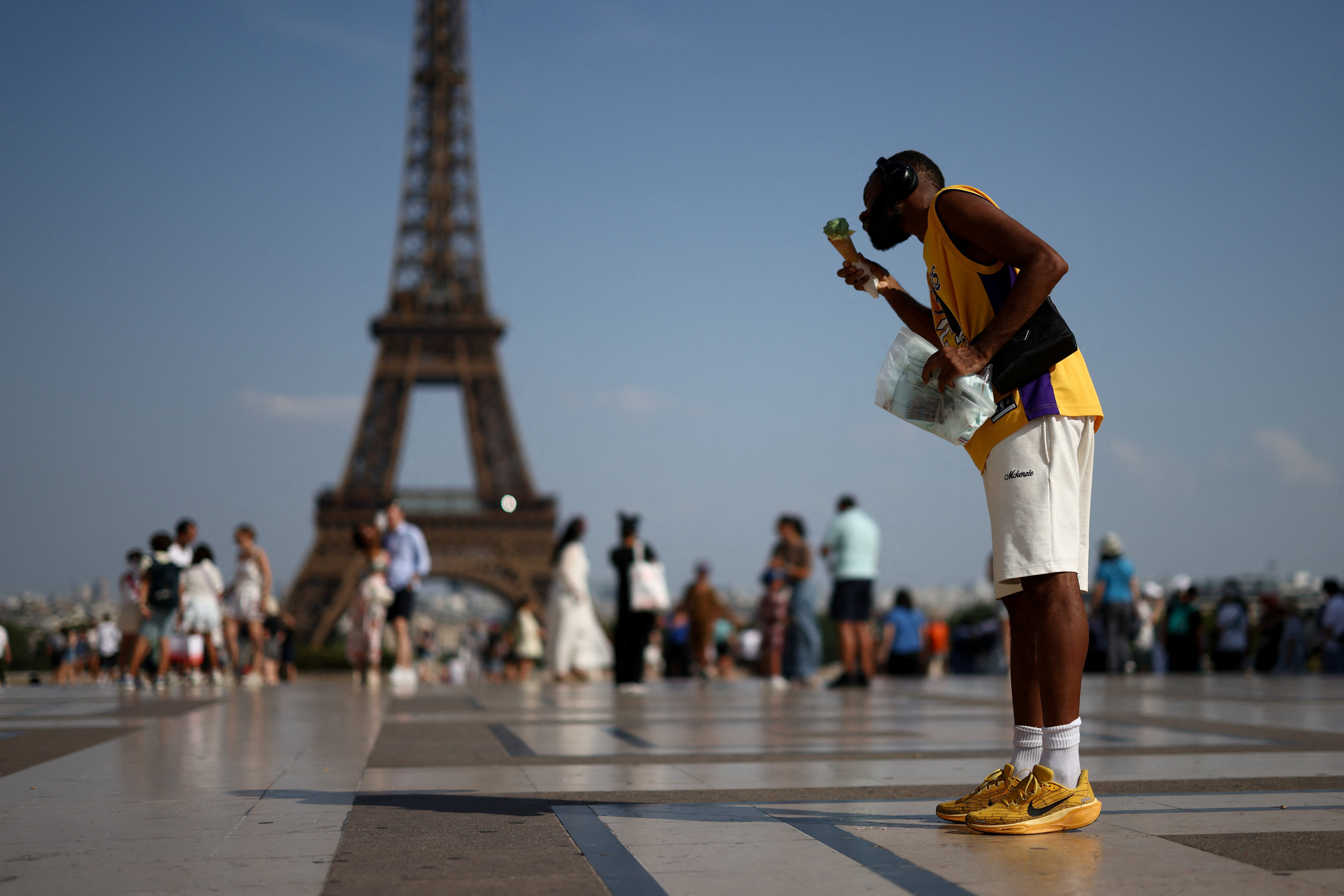
Temperature records were broken across the continent on Sunday as the heat moved east. Germany recorded 41.7Celsius in Neißemünde, near the Polish border, its hottest-ever day for the third consecutive day.
The Czech Republic set its hottest day on record at 41.9C in Doksany, north of Prague, surpassing the previous record of 40.9C set on Saturday, the country’s meteorological institute said. Poland also broke its all-time temperature record with 40.5C in the town of Slubice, a spokeswoman for the Institute of Meteorology and Water Management told AFP.
A rapid attribution study by World Weather Attribution, published on Friday, found the record-breaking heat and humidity in Europe would have been virtually impossible just five decades ago, and is now 200 times more likely than it would have been 20 years ago.
Climate change was responsible for the extreme weather, Dr Tedros said, warning that the “once-in-a-generation” heatwave was now occurring nearly every year.
Authorities across the continent took emergency measures. In Paris, officials banned takeaway alcohol in public and cancelled the city’s pride march to ease pressure on emergency services. In the Netherlands, the Defqon.1 music festival was cancelled following an unprecedented code red warning. Berlin police used water cannons to cool crowds, and wildfires were sparked across Germany.
In the UK, the Met Office lifted its final extreme heat warning on Sunday after a historic week that saw the hottest June day record broken three times in succession. Temperatures peaked at 37.3C in Santon Downham, Suffolk, on Friday.
Rare red extreme heat warnings, which had only ever been issued once before, were in force across large parts of the country, thousands of schools closed, and critical incidents were declared at several NHS trusts. The UK Health Security Agency also lifted its heat health alerts on Sunday. Average June temperatures in the mid-to-low twenties are forecast for the coming week, with a high of 25C in London on Monday.
Dr Tedros called on European governments to implement heat health action plans focusing on preparedness, prevention and stronger health system responses.
