.jpg?trim=0,0,0,0&width=1200&height=800&crop=1200:800 "The franchises — from McDonald’s to Chick-fil-A — which make the most in sales: ranked – UK Times")



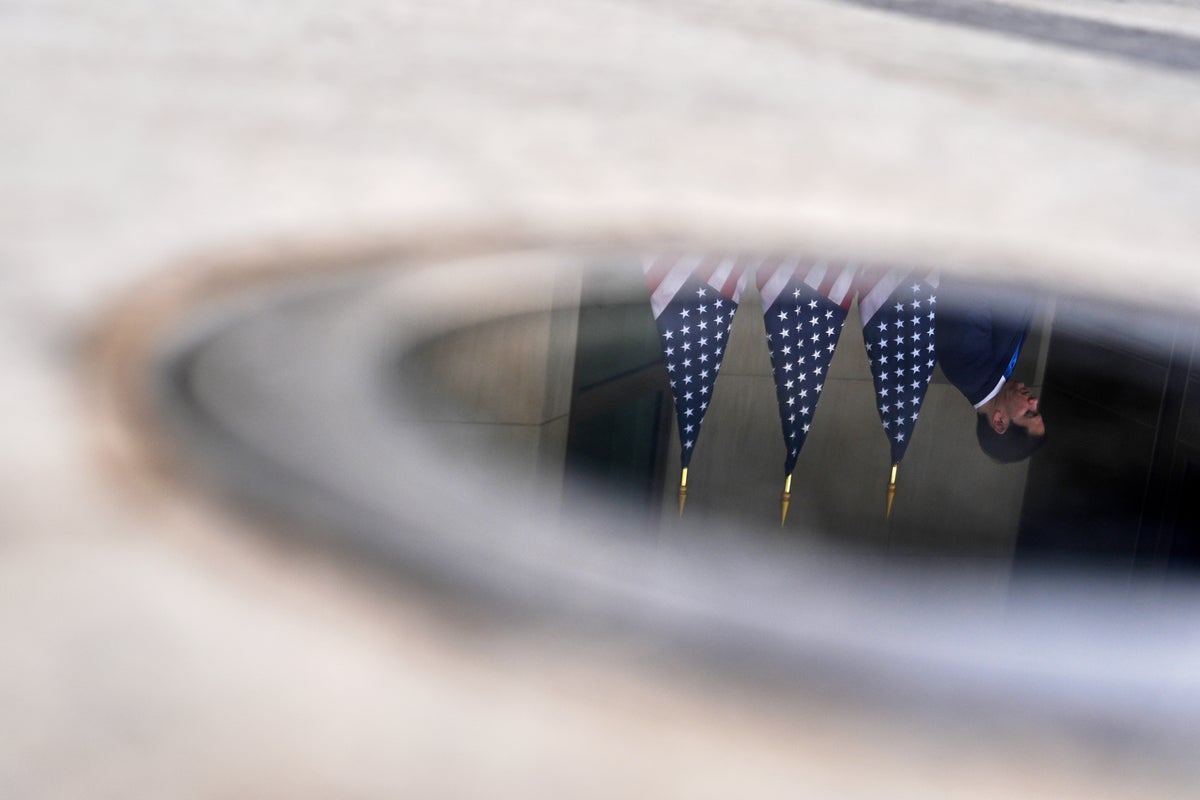
The Trump administration has not confirmed ambassadors to more than 100 nations, more than doubling the vacancy rate from the same period in the president’s first term.
The gaping holes in the American diplomatic corps have left the country less informed and less able to respond to a variety of ongoing crises, according to observers, as more than half of the world’s nations lack a full U.S. ambassador.
The unfilled seats come at a time of global uncertainty, as the U.S. wages a war with Iran; the Ukraine conflict threatens to spill over into NATO countries in Europe; and President Trump is pursuing a maximalist foreign policy from the Caribbean to Greenland.
As of mid-May, there were 109 vacant ambassadorships out of 195, according to the American Foreign Service Association, including those for strategically important nations such as Ukraine, Russia, Saudi Arabia, and the United Arab Emirates.
During President Donald Trump’s first term, just 45 ambassador posts were vacant, a Wall Street Journal analysis found.
“Those missions should all have ambassadors when you’re fighting a war,” Barbara Leaf, a retired diplomat who served high-level positions in the Middle East during the first Trump and Biden administrations, told Reuters. “At a moment of crisis – and it’s an open-ended crisis – this administration has left these missions in a parlous state.”
The White House deferred questions to the State Department.
“The President has the right to determine who represents the American people and interests around the world, and we eagerly await the Senate’s confirmation of many of these representatives,” a State Department spokesperson said in a statement to The Independent. “The Department has confidence in our ability to communicate with our counterparts around the world and advance the national interest. In those embassies without a Senate-approved ambassador, experienced chargé d’affaires lead the missions.”
Government employees and high-level foreign diplomats alike told the outlet that the vacancies have made it difficult to communicate effectively in moments of crisis, such as when Trump threatened last month to destroy Iranian civilization, setting off fears the U.S. was preparing to use a nuclear weapon.
Diplomats said they were unable to get a clear response from the State Department about what the president’s threat really entailed.
Last year, about 3,000 employees left the State Department, and the Trump administration recalled 30 Biden-appointed ambassadors. The downsizing was part of a larger series of cuts to the U.S. foreign policy apparatus, which also included shrinking the National Security Council and halting billions of dollars in foreign aid.
The president, who frequently boasts about his diplomatic prowess and has angled for a Nobel Prize, has nonetheless been unable to quickly end the Iran or Ukraine wars, despite promises to do both.
In place of full, Senate-confirmed ambassadors, the U.S. has relied on lower-level chargé d’affaires officials at embassies, as well as diplomats whose missions straddle multiple countries, such as Tom Barrack, who acts as envoy for Syria and ambassador to Turkey.
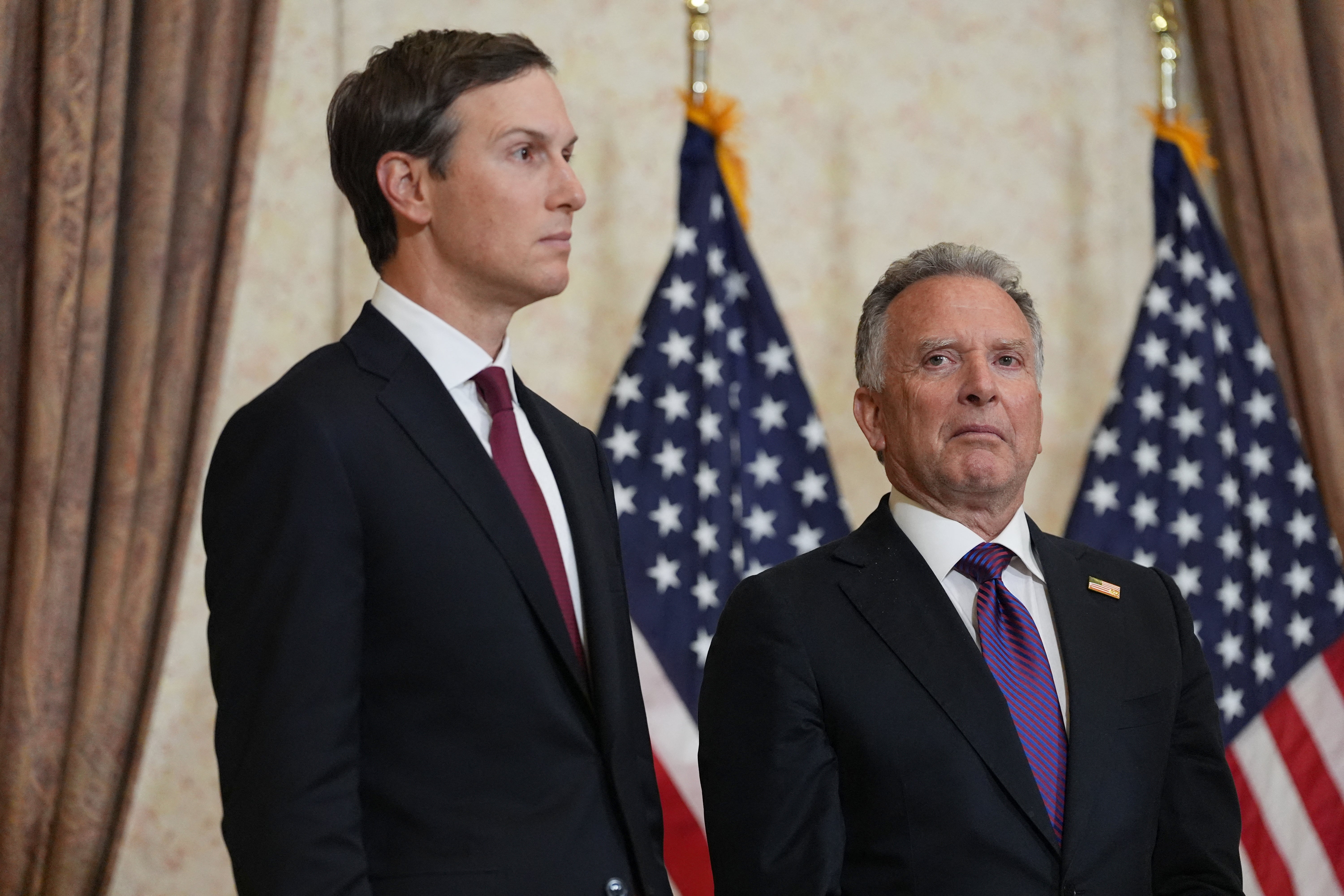
The president has also leaned on personal associates for high-level tasks. Jared Kushner, the president’s son-in-law, and Steve Witkoff, a co-founder of the Trump family’s World Liberty Financial crypto business, both serve as special envoys leading the Iran and Ukraine war negotiations.
Critics have accused the president of appointing unqualified partisan allies to high-level posts.
The administration appointed former football star and Trump ally Herschel Walker to be ambassador to the Bahamas, after his Senate campaign in Georgia flamed out in a series of alleged personal scandals. And the White House has nominated election denier and failed Senate candidate Kari Lake of Arizona to be ambassador to Jamaica.