

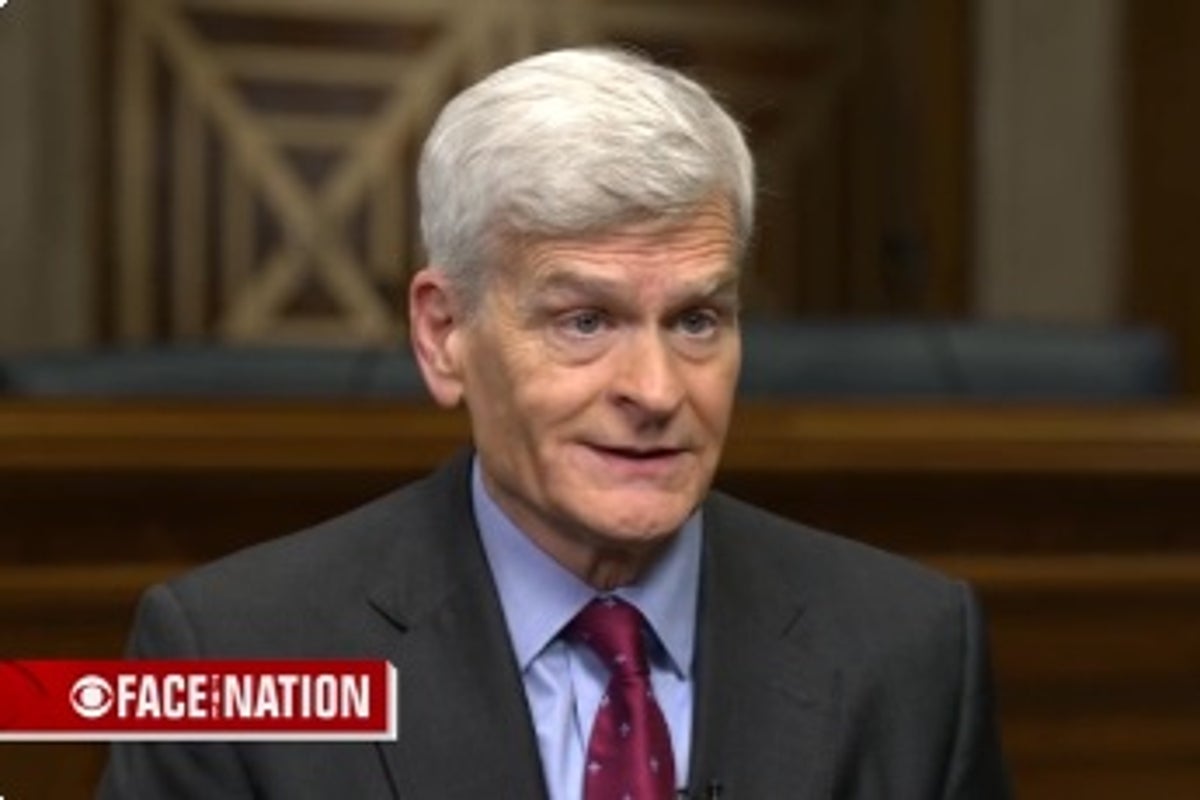
Senator Bill Cassidy elevated his feud with the Trump administration on Sunday as he accused Health Secretary Robert F. Kennedy Jr. of “violating” commitments he made during his confirmation process.
The Louisiana senator, who was among only a handful of Republicans who voted to convict the president over the January 6 riot, will be ousted from Congress after he lost his May primary to a Trump-backed challenger.
Since then, he’s publicly opposed the president on a string of issues, including backing an Iran War Powers resolution that passed the Senate with his vote and over the Department of Justice’s plans for a “weaponization” fund to reward January 6 rioters and others prosecuted during the Biden administration.
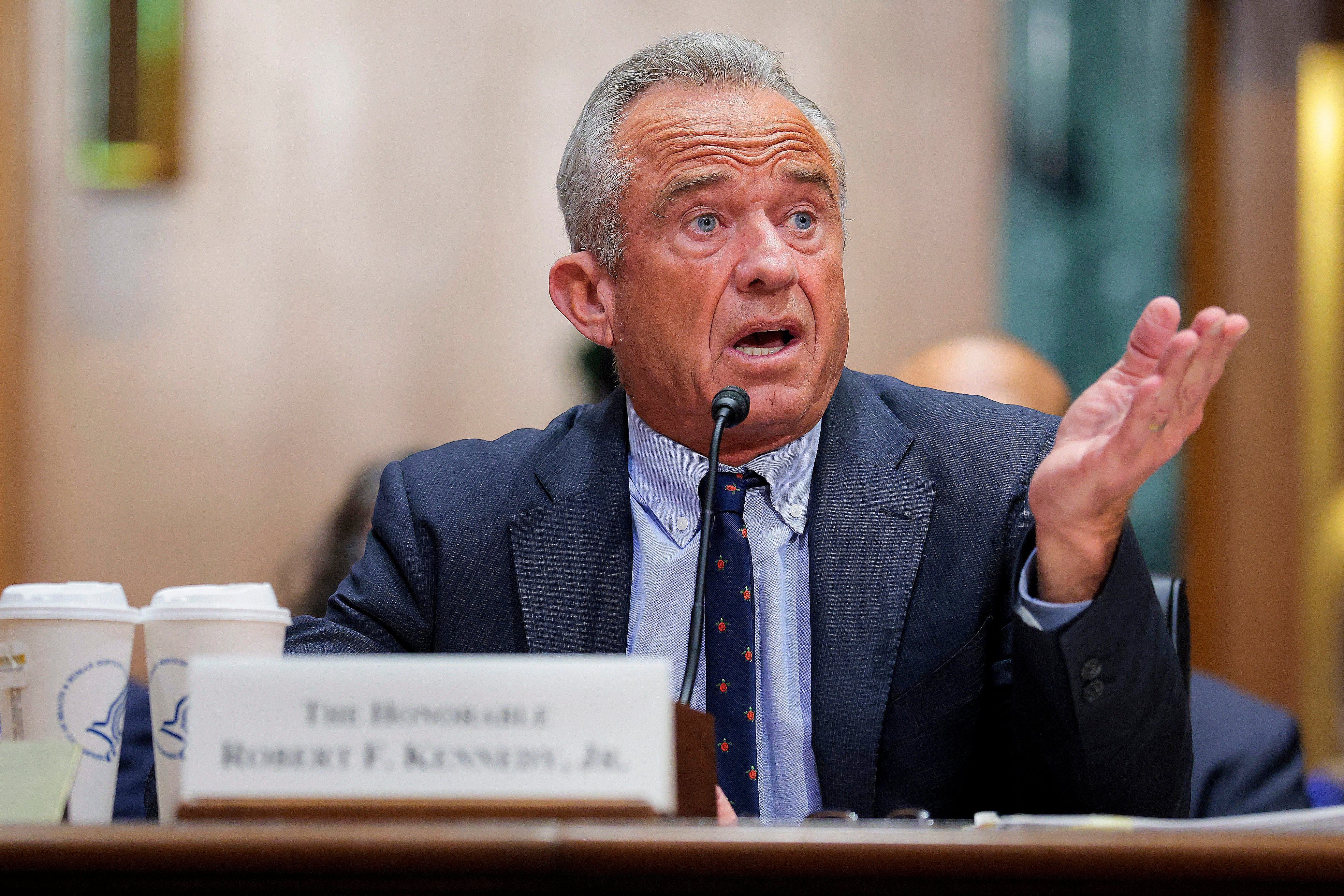
On Sunday, Cassidy addressed an issue for which he’s taken criticism from Democrats for months: His vote to confirm RFK Jr., a known vaccine skeptic, to be Health secretary. Cassidy, a licensed physician and chair of the Senate HELP panel, had the power to block Kennedy’s nomination before it left his committee.
Cassidy told CBS’s Face the Nation that it was “pretty clear” and “easy to surmise” that Kennedy had lied about his intentions to pursue an anti-vaccine agenda when he met with the senator to secure his vote.
“If you build public health upon a foundation of lies, then you’re going to have the absence of adequate public health,” added the senator, who said that promises made to him “have been violated” in the months since Kennedy took office.
“At this point, the commitments that were made to me have been violated. When commitments are made, trust is destroyed. It’s difficult to have effectiveness,” he said. But he denied that he thought Kennedy had committed an impeachable offense.
Cassidy’s lukewarm condemnation of the Health and Human Services secretary follows an in-person confrontation with Trump last Wednesday. At a Senate GOP luncheon called to resolve the chamber’s growing discontent and break the deadlock around several issues, Cassidy and Trump “yelled” at each other, according to senators present, including Cassidy himself. Trump called the Louisiana Republican a “lunatic”, according to one, after the senator described the war in Iran as a mistake.
The senator later admitted that he “lost his temper”, claiming it was due to his Irish ancestry.
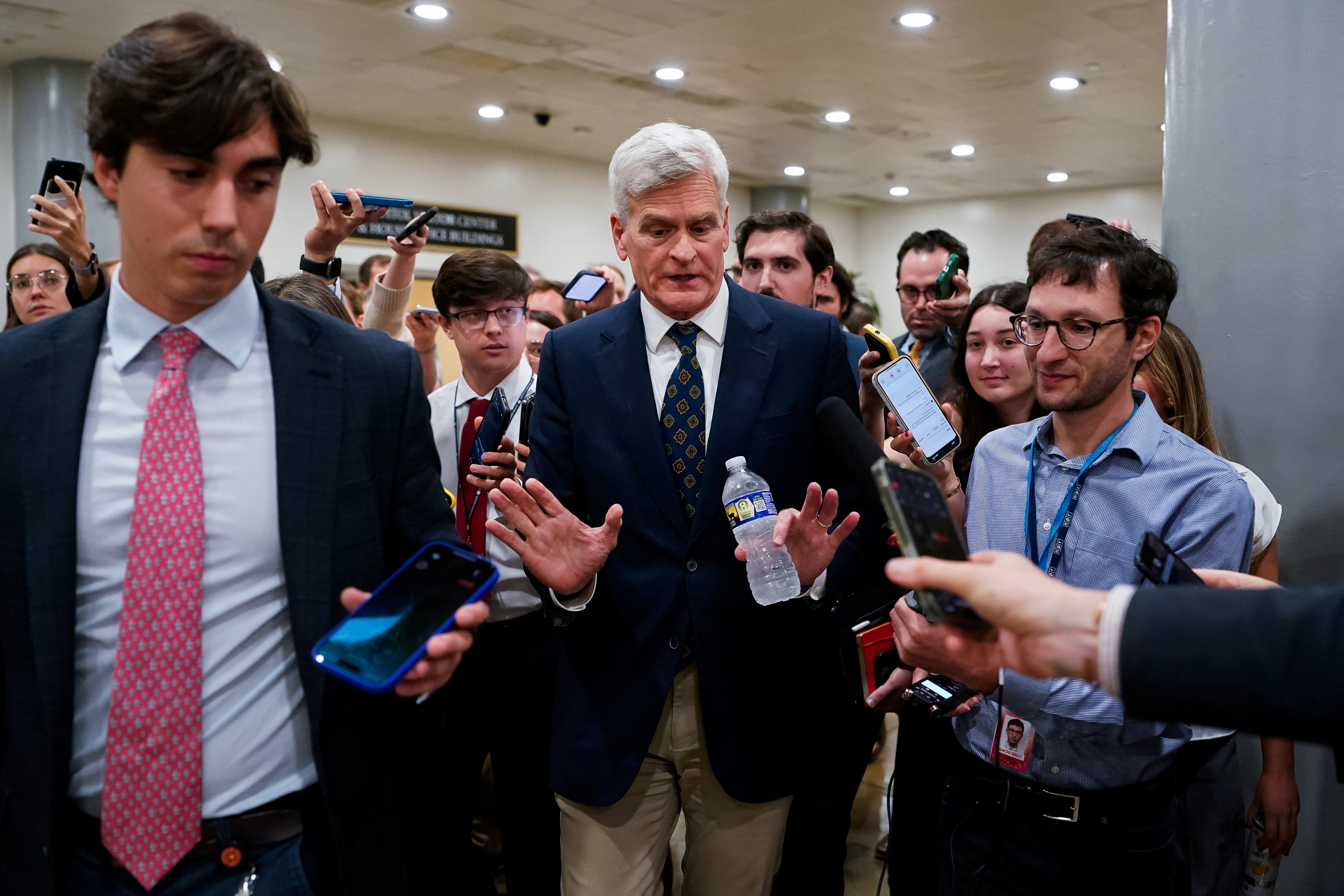
In his interview Sunday with CBS’s Margaret Brennan, he described that exchange: “I raised my volume to match his, and we spoke to each other like that, or shall we say, spoke at each other, not to each other. Now, I shouldn’t have lost my temper, nor should he, but you know, my wife will tell you every now and then, my Irish temper gets the best of me.”
Cassidy tweeted that he was invited to a briefing at the White House to receive greater details about the war in Iran. Following their intense conversation and his White House follow-up, Cassidy and fellow Republican Sen. Rand Paul switched their votes to aid Senate GOP leadership in blocking a War Powers resolution that came to the floor later Wednesday afternoon.
“As it turns out, I got a briefing afterwards. In one sense, I actually accomplished the mission of what I needed to do,” remarked Cassidy on Sunday.
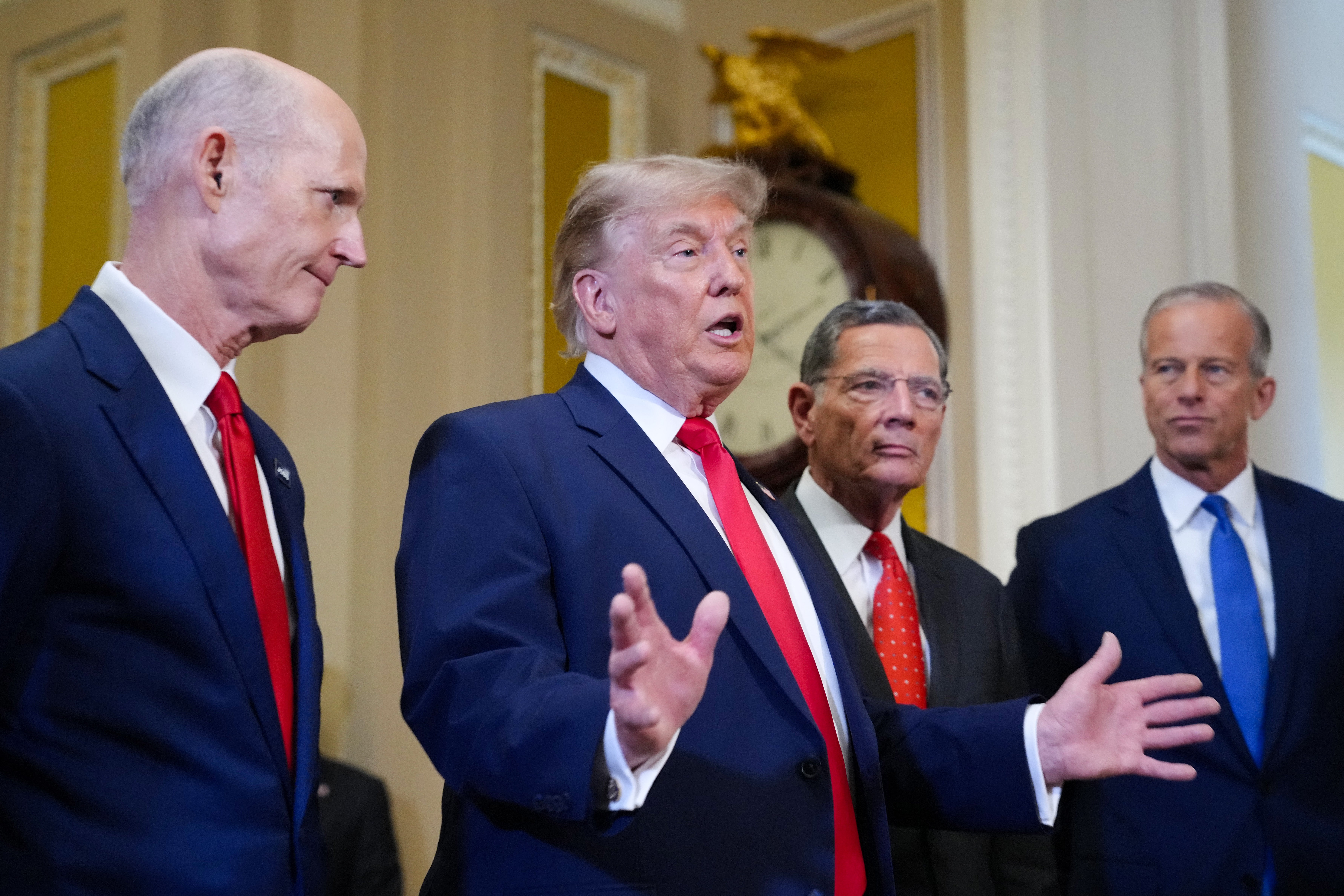
In the interview (which was pre-taped on Thursday, one day after the drama in the Senate), Cassidy portrayed his working relationship with Trump as one defined by chaos and tumult but one that was ultimately repairable following their various disagreements. Even as he made clear that Trump’s endorsement had been the key factor in his primary defeat to Rep. Julia Letlow in May, resulting in him losing his seat, the senator claimed that “I think [Trump] got the message yesterday. Congress wants to be read in.”
He had a similar message regarding Kennedy, telling CBS: “I may disagree with him on this or that, but I absolutely agree with him on the fact that he is trying to find out what the problems are in our society and trying to find the true way to address it.”
Cassidy’s rebuke of the president at the caucus luncheon on Wednesday comes as the upper chamber has been noticeably at odds with the White House’s priorities on several occasions in recent months.
The dispute over the DOJ weaponization fund was the most dramatic example, and evoked a fiery statement from former Senate GOP leader Mitch McConnell, calling the idea “utterly stupid” and making it clear that Republicans would never vote to authorize it. But the chamber is also battling the White House over reauthorization for the Foreign Intelligence Surveillance Act (FISA), which Trump is demanding be tied to an unrelated bill to impose voter ID restrictions that have failed to gain 60 votes in the chamber.
The nomination of Trump’s next director of national intelligence, Jay Clayton, is also frozen over a number of issues, including the dispute over FISA and the Democrats’ opposition to the appointment of the current acting DNI, Bill Pulte.