There are times where one can be guilty of hyperopia in modern rugby union, with an obsession with World Cup cycles sometimes a distraction – a focus on the future, rather than the present.
That said, a fascinating Six Nations has set up the next 18 months perfectly as the constituent sides begin to build more fully towards a tournament tilt at Australia 2027.
The launch of the new Nations Championship will be another excellent gauge of where each is at. Come July, England, Scotland and Wales face a tricky itinerary with games against South Africa, Argentina and Fiji, while France, Ireland and Italy take on New Zealand, Australia and Japan.
The competitiveness and complexity of this Six Nations has left each side with thinking to do and questions to answer as they look ahead to the international action to come.
Here’s one thing that each side should do in the months ahead:
France – Address defensive deficiencies
Assessing what comes next for France is made tougher by the fact that Fabien Galthie will likely select a second-string side for their summer tour. The predominance of the Top 14, which extends until the end of June, limits the players that the head coach is allowed to select – with their meeting with the All Blacks just seven days after the final, expect a different looking French side to take the field in Christchurch.

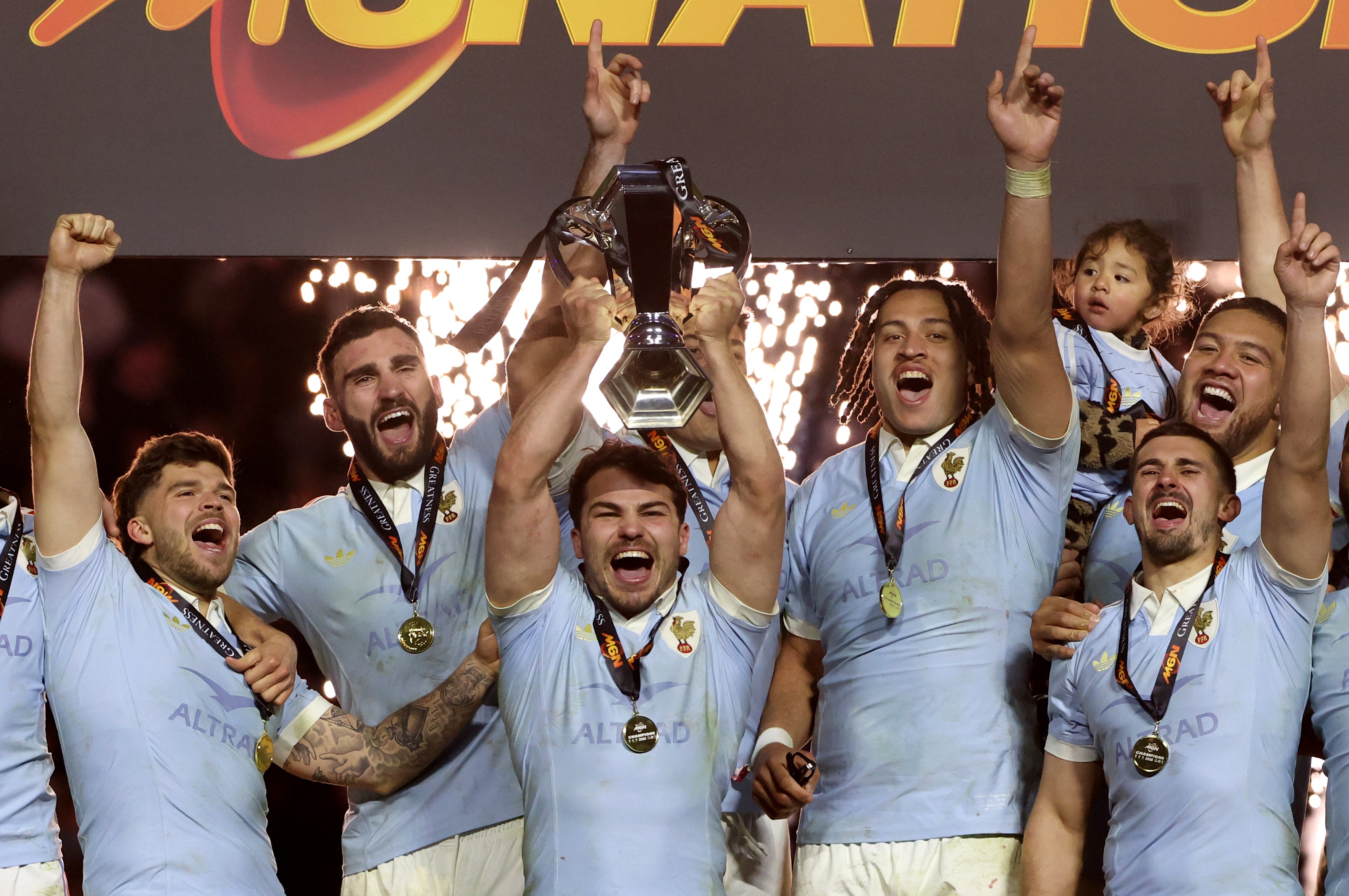
That has worked to their advantage in the past, with Galthie bringing through several players who have become Six Nations regulars in that July window. But a need to build cohesion in a relatively young squad was shown by the defensive deficiencies exploited by both Scotland and England at the end of the campaign. Antoine Dupont and Matthieu Jalibert were both caught out defending in the 13 channel in the final game.
It has been suggested that Shaun Edwards is no longer such an influential figure in the environment, while centre Gael Fickou’s defensive discipline was missed, even if one can understand the decision to bring through a new set of centres. The 31-year-old may well lead France on their summer tour and bring up a century of caps, and could still be a useful voice within the squad more generally.
Ireland – Figure out prop priorities

A title may have eluded them but this will have been a pleasing campaign for Ireland in many ways, managing to both compete for the crown and rebuild on the go. If there are still a few nagging concerns over the squad’s age profile, and not all are youngsters, the emergence of Stuart McCloskey, Robert Baloucoune, Tommy O’Brien and Jamie Osborne has created a freshness in the backline, with Mack Hansen and Hugo Keenan still to come back in.
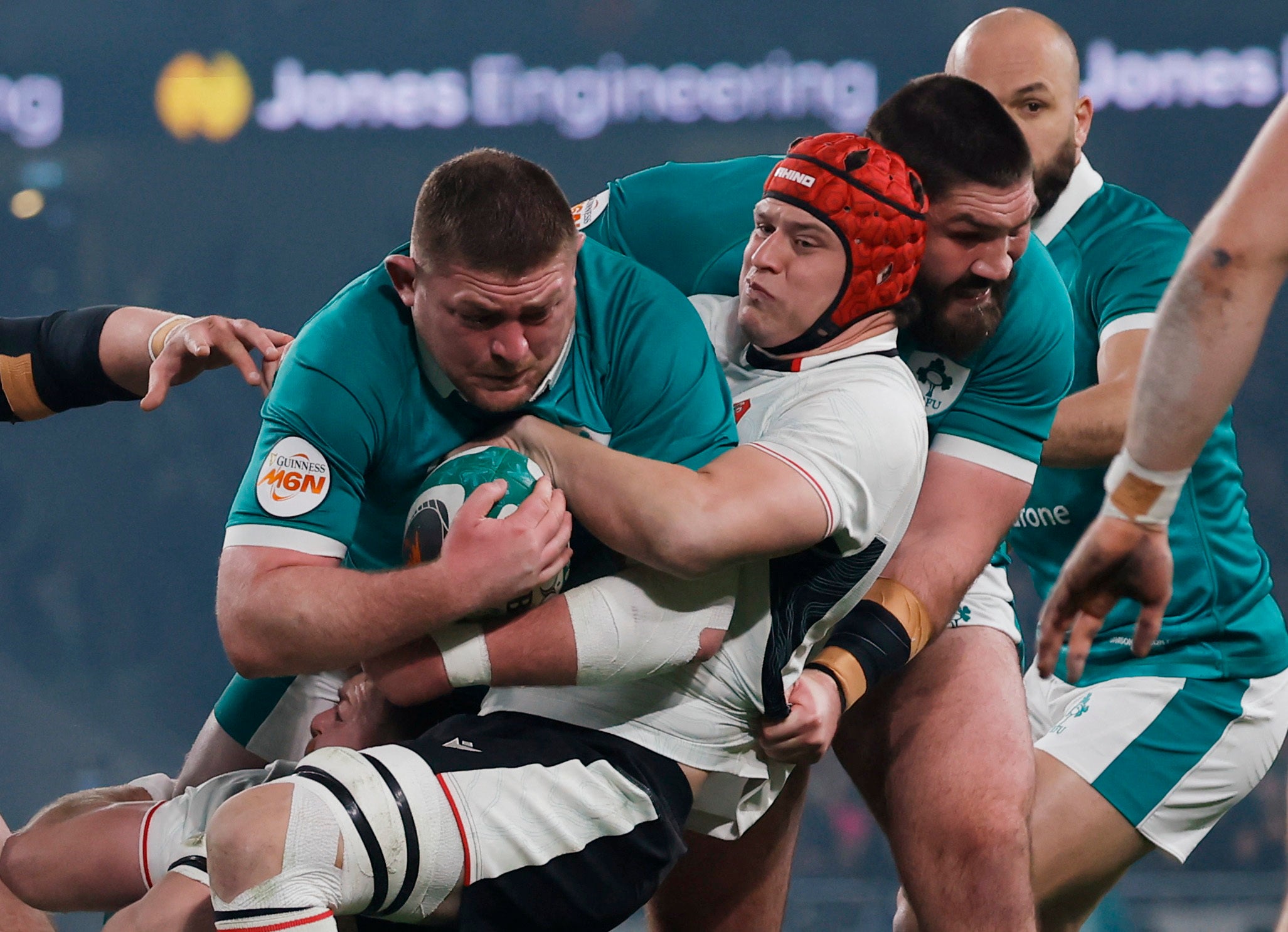
There are concerns up front, though, with an injury crisis at loosehead exacerbating existing problems with Ireland’s scrum. Getting Andrew Porter and Paddy McCarthy back will be a boon while there is a decision to be made with Tom O’Toole, a tighthead by trade who filled in admirably on the left of the front row. Does he now deserve a shot at his preferred prop position? Tadhg Furlong is perhaps beginning to show his age after a couple of years of injuries and back-up Finlay Bealham is older still, while Thomas Clarkson was below his best in this campaign. Andy Farrell may take a flyer on a young prop for the summer tour, with a game against Japan in Australia a useful opportunity for development.
Scotland – A look to the future?

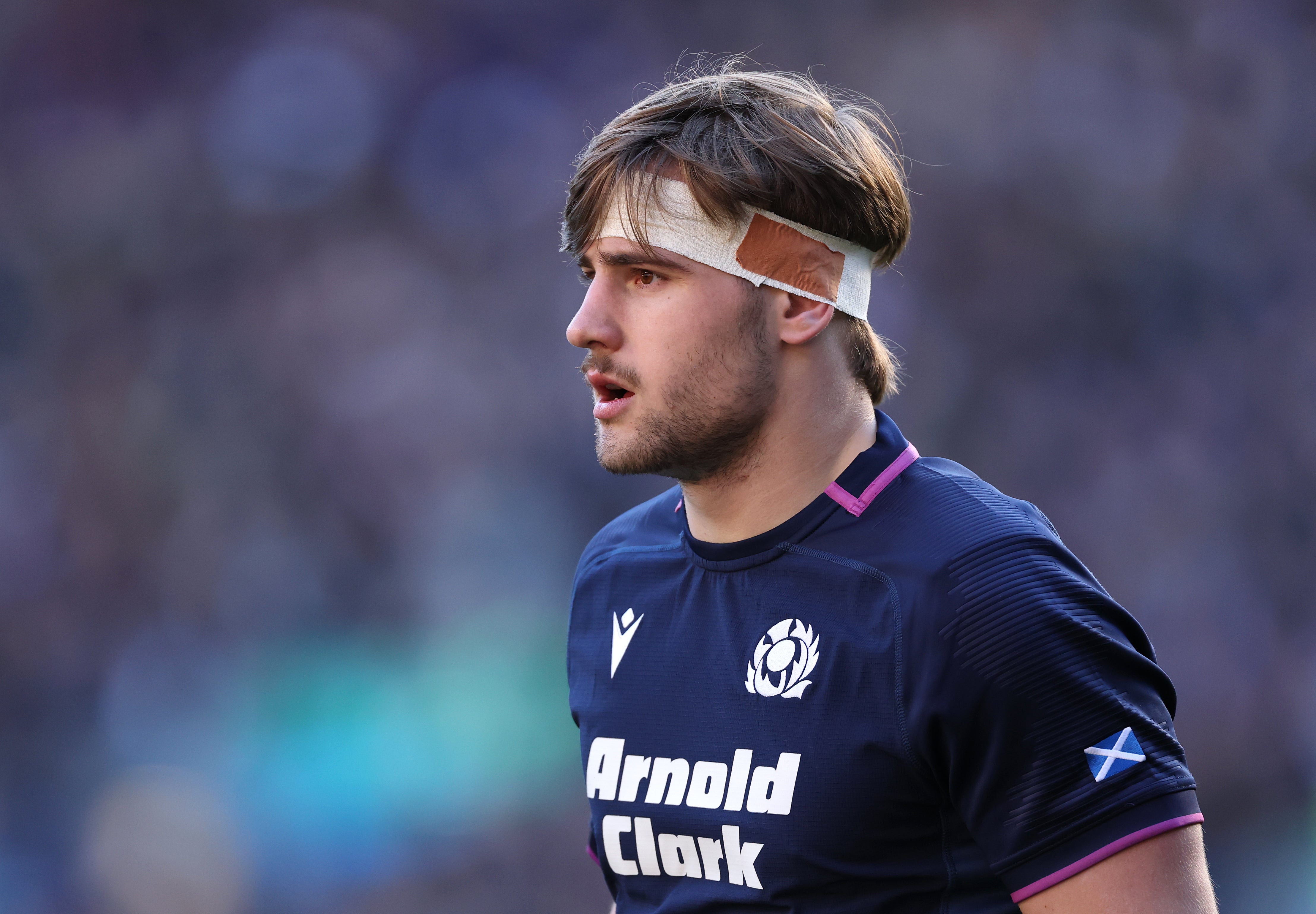
The Ireland monkey remains on the back of Scotland, with the progress of this campaign inhibited by their inability to overcome their least favourite foe. Losing both locks was a big blow ahead of the trip to Dublin, but Gregor Townsend’s team never seem quite able to match Ireland’s back five intensity. Meetings with Argentina and South Africa will most certainly test them in that sense.
It is tough to know what to do with a settled squad about which there is much to like. Could Townsend be bolder in looking to the future? There are signs he may be starting to do so with some of the Scotland A selections, and there are a few promising talents now knocking on the door. It was a surprise to see Glasgow hooker Gregor Hiddleston not get a chance in this campaign, while flanker Freddy Douglas’s time will surely come – the similarity in profile between he and Rory Darge as elite jackal threats may be an issue, though. Good things are said about young tighthead Ollie Blyth-Lafferty, but strong reports of Jack Dempsey’ moving to Japan would give Townsend a significant vacancy to fill in terms of back row carrying punch.
Italy – Find a ruthlessness

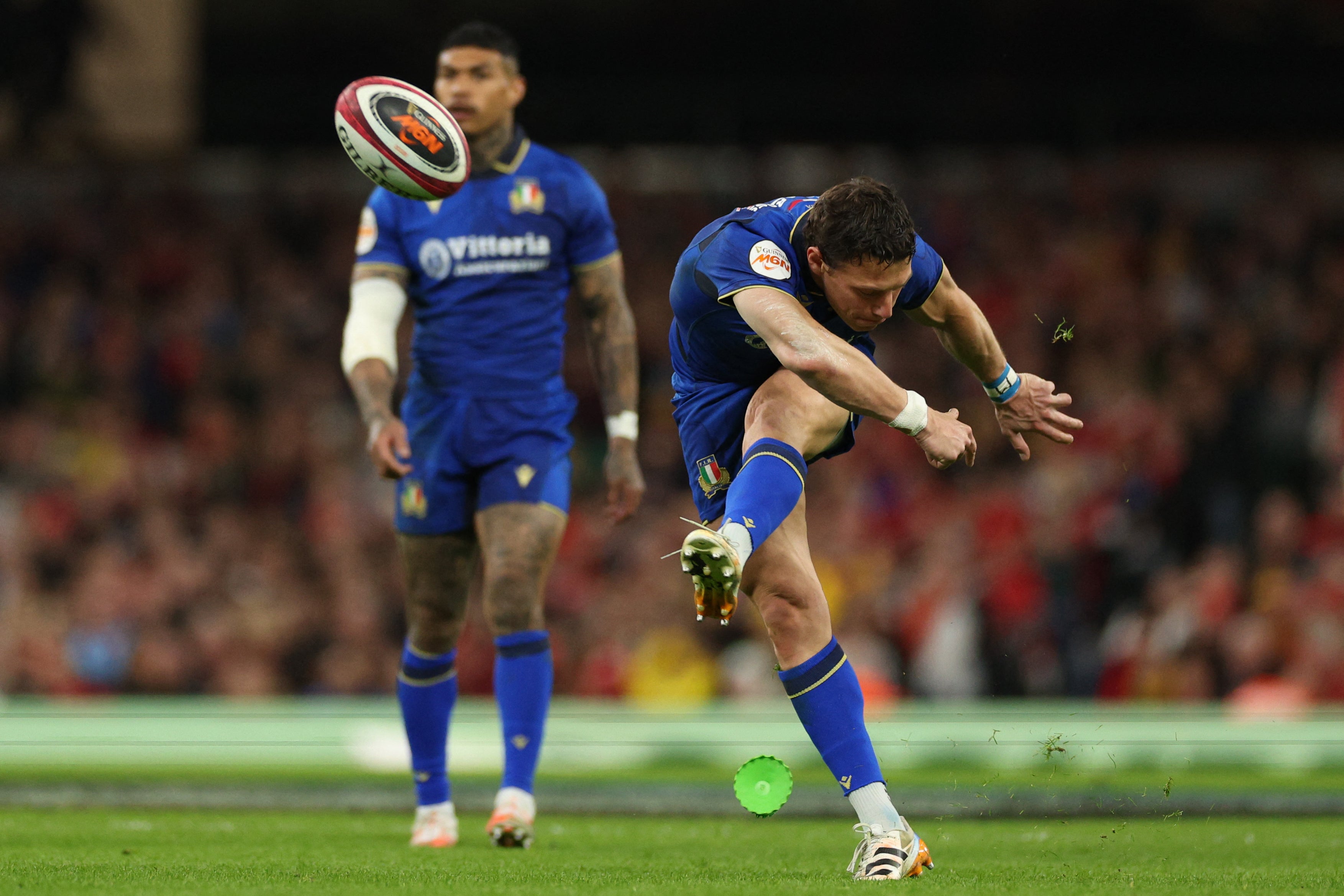
Italy’s time as perennial underdogs is clearly now in the past, and Gonzalo Quesada must continue to drive a mentality shift within his squad. Italy struggled to convert their chances in this competition, with their efficiency in the 22 an ongoing concern despite the gifted attacking individuals they have in their squad. Their basics are now largely at a really high level; it is about layering on the next stage of development.
One area that did let them down was Paolo Garbisi’s kicking. The fly half finished the competition down at a 72 per cent success rate, and there were times where his decision-making in attack could perhaps have been better, too. Still a good game manager, the midseason arrival of Tomas Albornoz to Toulon has put pressure on the 25-year-old’s place – Garbisi is good enough to kick on again and lift Italy to a new level.
England – Strategise for the Springboks

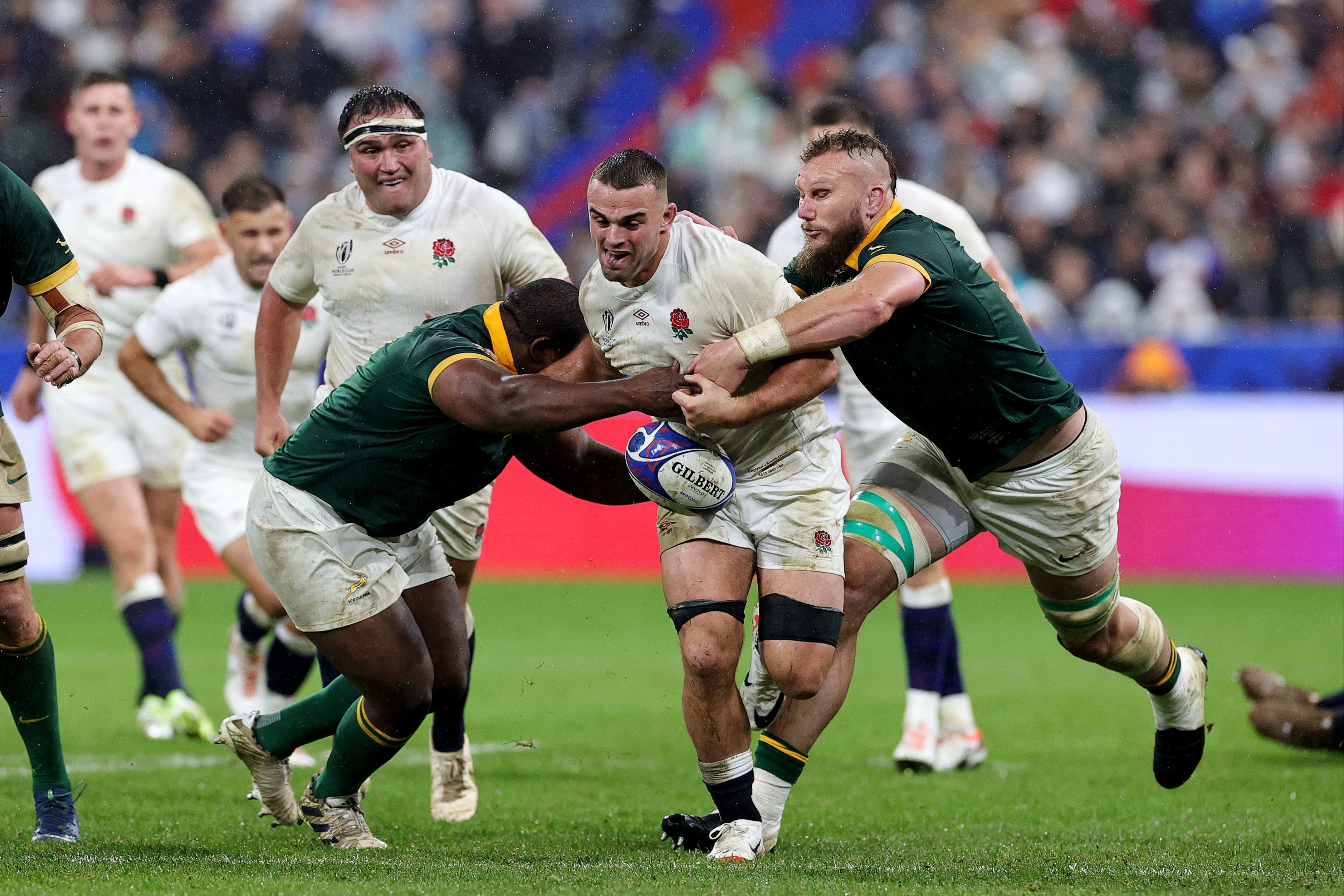
Strange though it may be to say, England feel confident that they can go to Johannesburg in their Nations Championship opener and run South Africa close. Already in the immediate aftermath of an overdue showing against France, senior players within the squad were speaking with excitement about the opportunity ahead, with a chance to right the wrongs of this campaign and secure the signature away success that still eludes this group.
Australia showed last year in the Rugby Championship that the Springboks are not unbeatable at Ellis Park, particularly in the first game of a campaign when Rassie Erasmus’s squad is still coming together. England will have to be at their best, though, and brave in the manner in which they play. Getting George Martin fit to add second row heft could be key, while England’s senior players – short of their best for too much of the Six Nations – will have to stand up and drive the environment as it seemed they managed to ahead of the France game.
Wales – Continue to find signs of progress

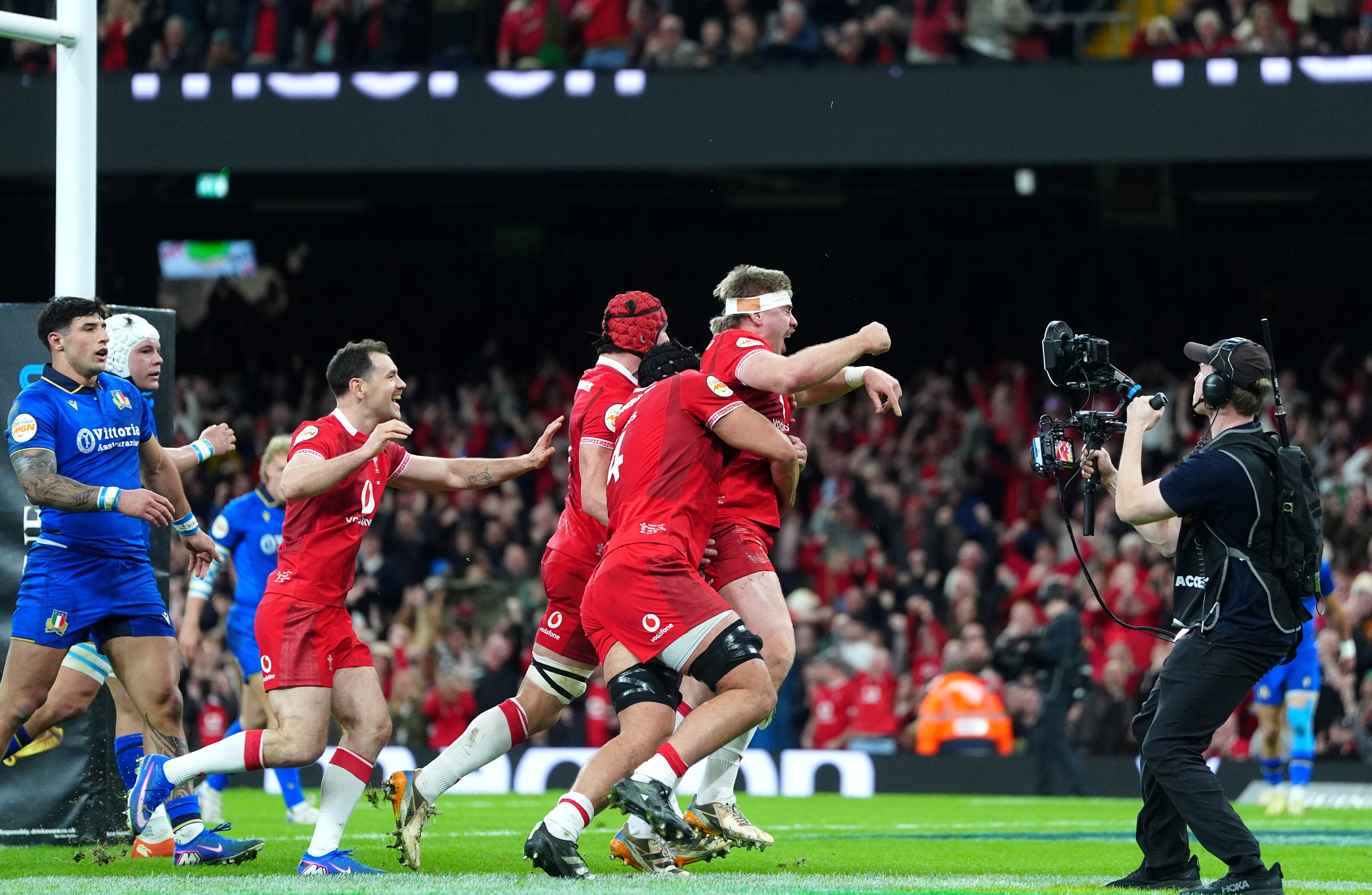
With the long wait for a Six Nations win over, Wales can now look for other tangible signs of progress. Getting Fiji first up in July in Cardiff should be useful to Steve Tandy given the Pacific Islanders tend to build to their best during the course of a campaign, while the strange scheduling of that game gives Wales the chance to build more connection with a home crowd even in what is supposed to be an away fixture.
It will likely be trickier beyond that but Tandy can benchmark against the South Africa and Argentina from November to see how his side are tracking. Within that will be a need not to panic if things go awry – there is clearly spirit and strength developing even with the backdrop behind the national team troubling, and two tough trips can be a significant learning experience.