

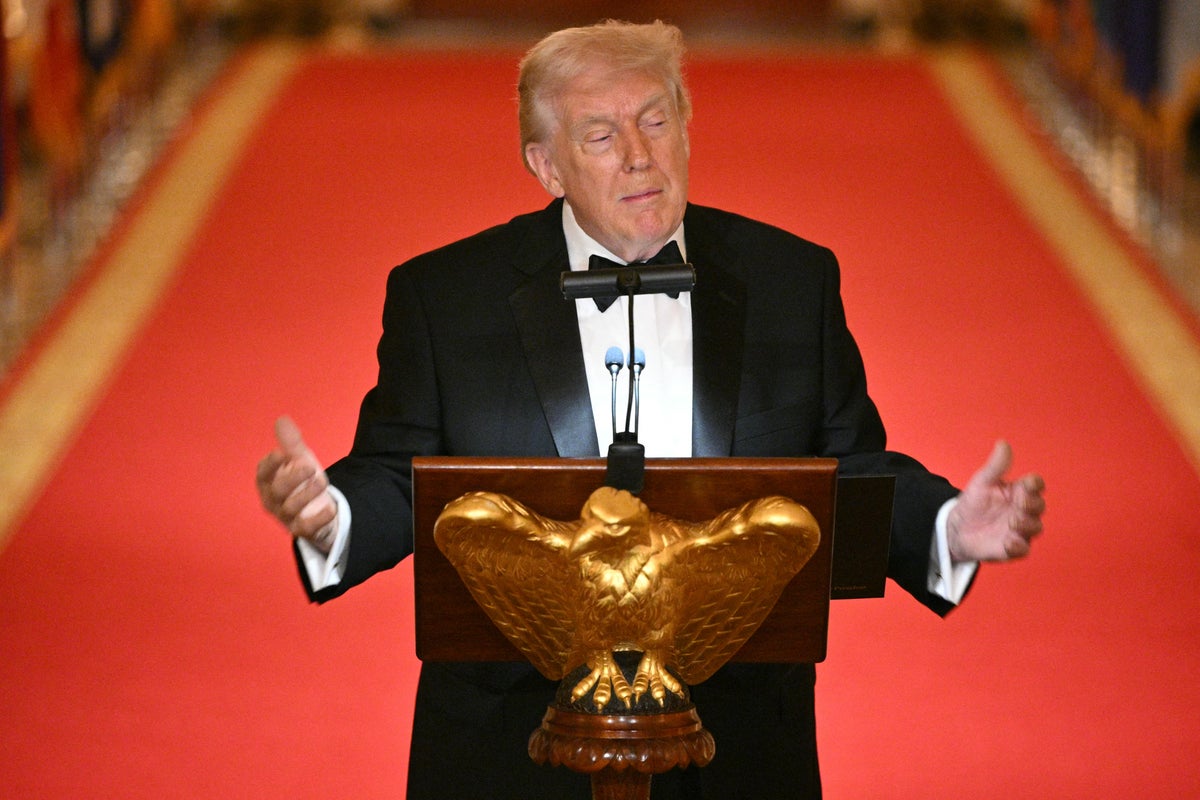
This is what should be the most fun weekend in Washington: the White House Correspondents’ Dinner.
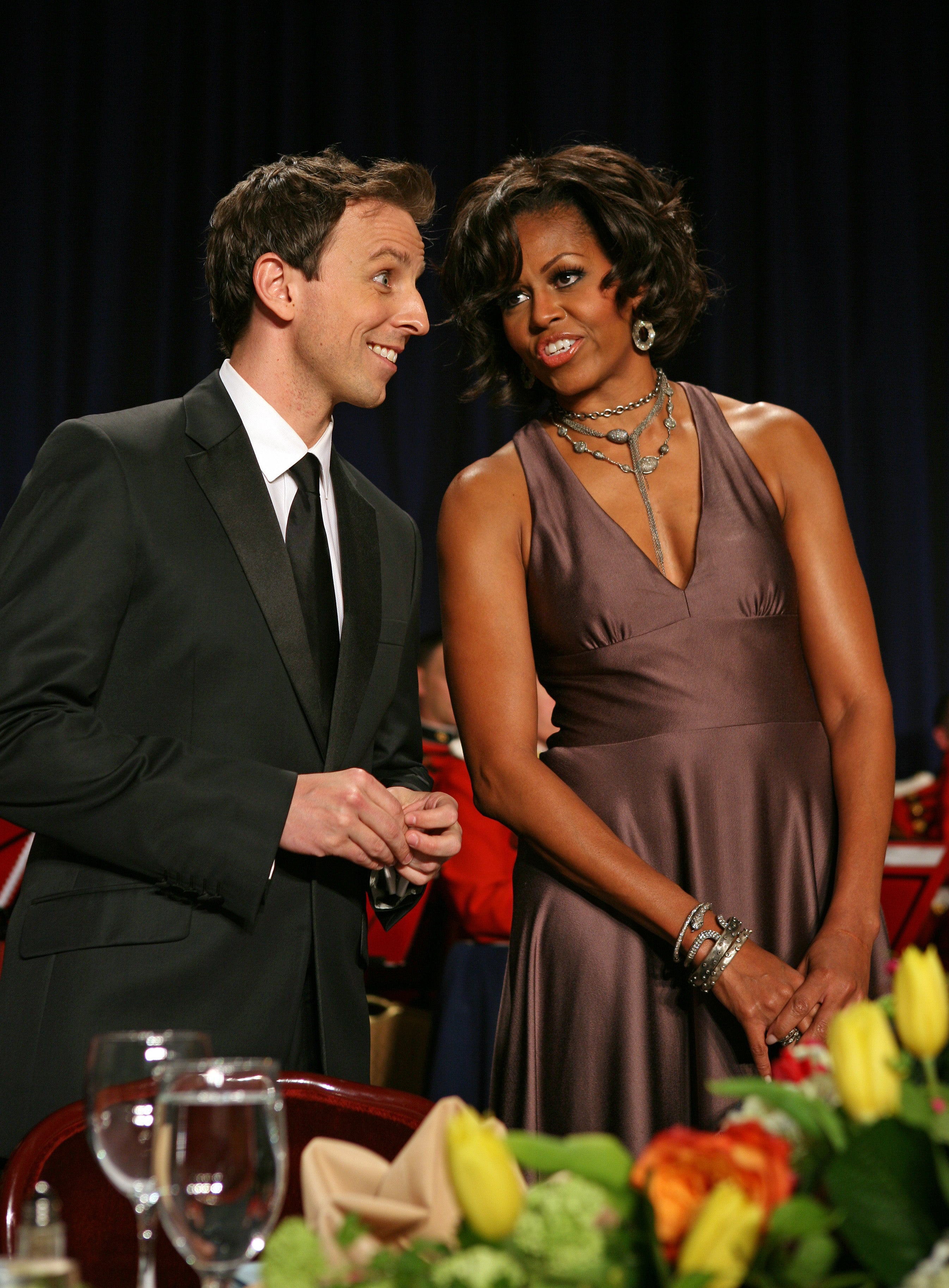
And of course, all eyes will be on Donald Trump, who is making his first appearance at the dinner as president of the United States. Much has been made over Trump returning for the first time since he last attended, in 2011, when President Barack Obama and host Seth Meyers ruthlessly mocked him–and possibly spurred him to run for president.
There’s also the fact that instead of a comedian, the evening will feature mentalist Oz Pearlman as emcee.
Many are shocked and chagrined that the Washington press corps would insist on dining with a guy who regularly mocks us, whose Federal Communications Commission threatens to stonewall us, and whose White House took over the press pool. And this is to say nothing of barring the Associated Press from covering the White House for refusing to go along with renaming the Gulf of Mexico to “the Gulf of America.”
Some have called on reporters to confront the president at the dinner. People ask if journalists are self-hating — many of us do hate ourselves, but not for these reasons — or if we are somehow “complicit” in Trump’s presidency. Certainly, some in MAGA world must think it preposterous for the president to want to dine with the “enemy of the people,” even if it is solely to “own the libs.”
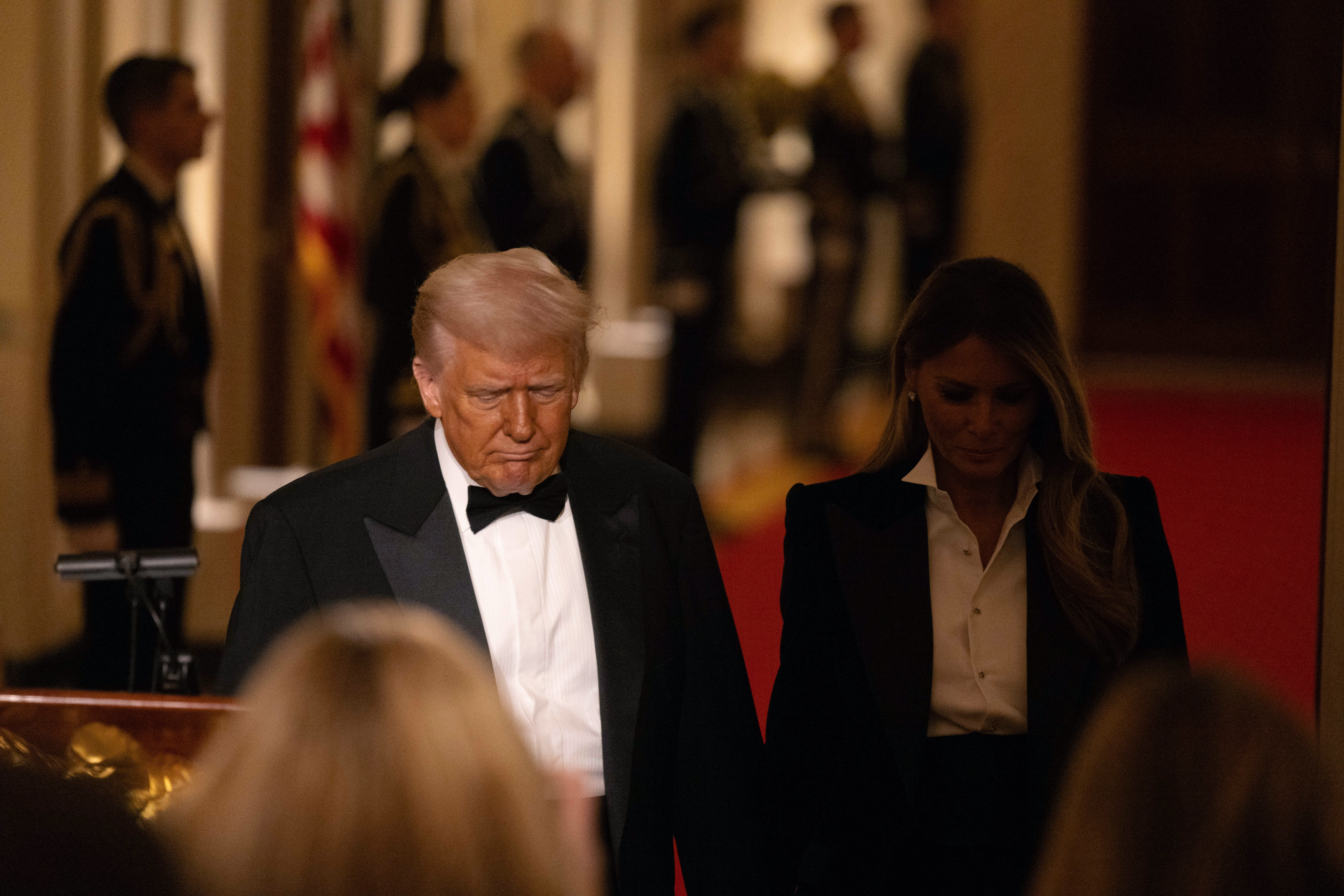
But in a weird way, it kind of makes sense, because, as much as he can’t tell it to the masses at his MAGA rallies, Trump needs the press more than he cares to publicly admit.
It’s somewhat fitting that Trump will make his way to the soiree the week after Wrestlemania. Being a member of the WWE Hall of Fame, he is a master of the concept of wrestling’s kayfabe, which is making the viewer believe that what is happening onscreen is real.
Sure, Trump loves to make us in the press the “heels” in his dramatic soap opera. His White House even put The Independent on its “media offenders” list. But just a few days later, Karoline Leavitt was taking questions from Andrew Feinberg, my colleague at the White House.
And, of course, there are the phone calls. These days, it’s become something of a common trope that everyone in Washington has Trump’s cell number. Reporters call him at every hour of the day, he rattles off whatever he’s thinking, reporters rush to publish it. That creates an incentive for editors across town to have their reporters call Trump, only for him to give contradictory information. And so the cycle continues.
This isn’t necessarily bad. Any reporter wants to talk to any president. And Trump’s re-election proved that Americans couldn’t keep their eyes away from the Trump show for too long. In fact, The Independent called Trump to talk about the shooting down of an F-15 crew member amid the war in Iran.
But Trump’s ability to short-circuit the normal avenues of coverage might also work to his advantage. The New York Times’s Maggie Haberman, probably the most astute Trumpologist working right now, laid out Trump’s strategy of calling reporters clearly earlier this month..
“I mean, he just gets everybody to call him for a couple of minutes, and that’s a way to not answer harder questions,” she said. It’s a strategy he honed during his days working New York City news stand tabloids.
“The guy was buying the whole news industry with a return phone call,” the late Jimmy Breslin wrote in 1991. “The news people provided Trump with the currency of his life, publicity, and he believed it was real and the news people believed him right back.”
Not much has changed. In another life, Trump would not be at the head of the table at the correspondents’ dinner, but working the red carpet and asking Kaitlan Collins and Jake Tapper of CNN who they’re wearing and making snide comments about the dress of an editor at The Washington Post or the fact I can never figure out how to properly tuck in my tuxedo shirt.
But Trump’s gossipy impulses now have consequences. Contradictory statements can determine if the Strait of Hormuz will remain closed or if NATO wants to keep up negotiations.
And unlike in pro wrestling–where the most seasoned viewers know that John Cena and CM Punk really are not feuding–most viewers will not know that Trump is mostly playing being adversarial to the press and think that he really is sticking it to us as a way to “fight. fight. fight.”
Perhaps we should have a bit more shame. But really, if we got into this far in the business, we probably shed our shame somewhere in journalism school.
And maybe that’s the one thing we share in common with the president. That, and the fact that whatever they serve us probably won’t be as good as a Big Mac and fries.