

“OK, I need to have a phone call with work.”
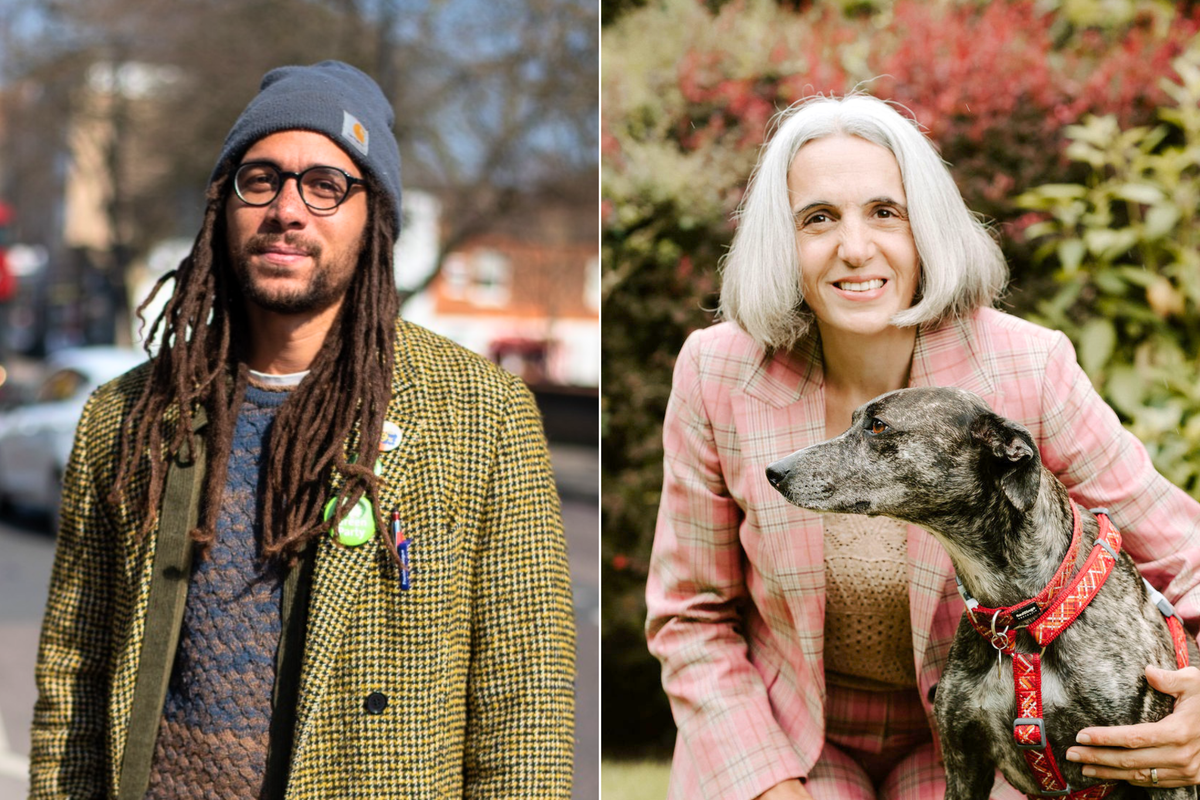
That was the first reaction of Tyrone Scott, 34, who became a Green councillor in Hackney last month despite “not expecting to win at all”.
He was selected as one of the party’s many ‘paper candidates’ heading into the local elections on May 7 – usually selected with little ceremony and little expectation of success, and put in place to ensure the party is fully represented at the ballot box.
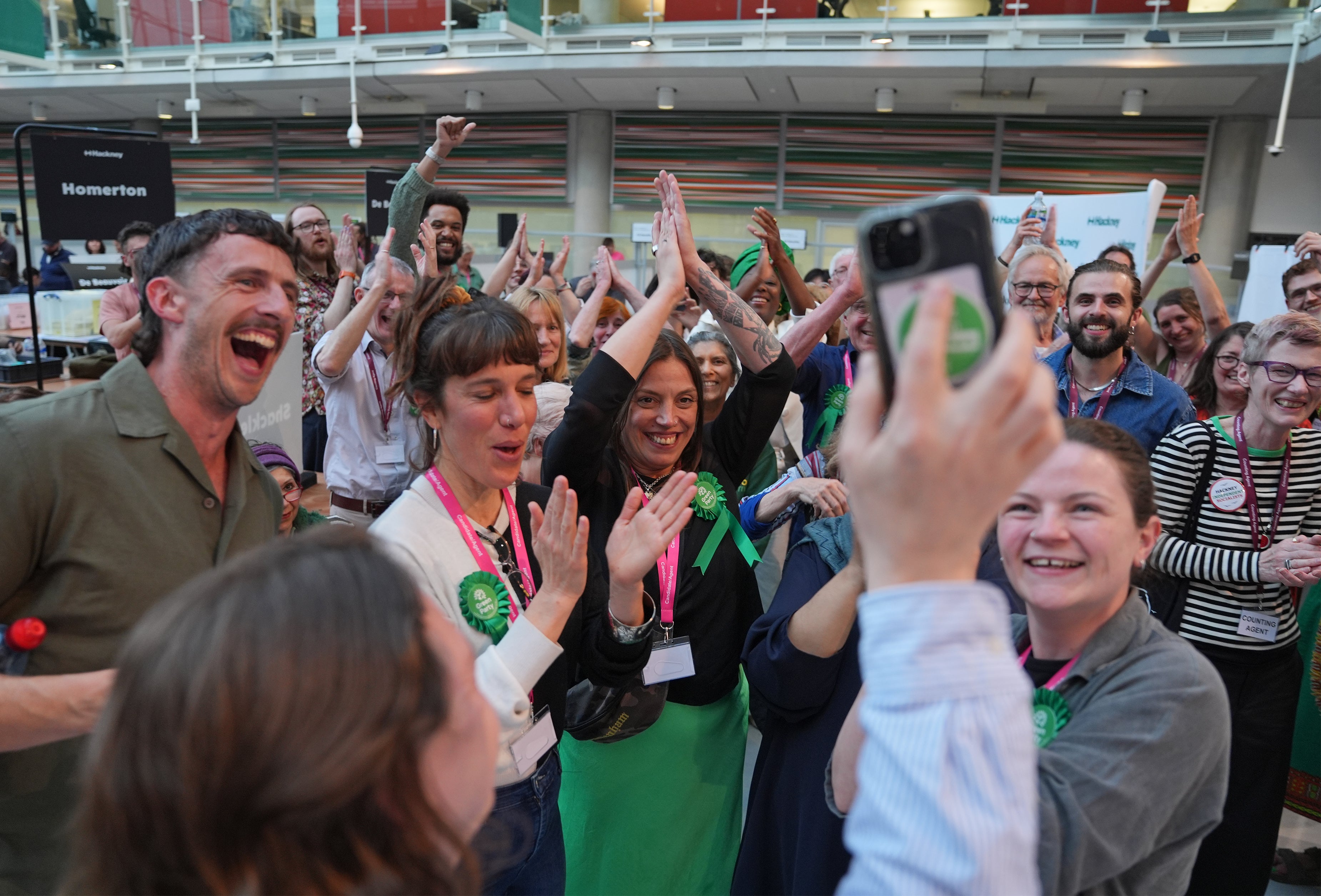
“It was anxiety, nervous excitement and uncertainty, but definitely delight was the overbearing feeling,” says Mr Scott, reflecting on the moment he was declared a councillor.
A month on, and he has thrown himself fully into the role. The NGO worker has been a Green Party member for 12 years, stood as councillor twice before and in 2022 even stood to be the party’s deputy leader – coming second to now-leader Zack Polanski.

This was around when he decided to focus more on his career, but remain active in local politics. His surprise victory means he is now planning to use his experience to guide newer party members, and he has already taken on roles as the Green group leader and chair of Hackney’s housing scrutiny commission.
Mr Scott adds that he always considered himself a “cardboard candidate” – not expecting to win, but always prepared to do the job if he did.
Just across the borough border in Islington, Caroline Allen found herself in an almost identical scenario. A veterinarian and the former RSPCA chief vet, Ms Allen had only returned to politics in December, and stepped forward to fill a position for the Greens in Finsbury Park.
“I was told that it was one of the ones where we were less likely to get elected,” she says, “So I thought, well, I’ll go in… because I’ve got my business to get on with. Then I got elected. I’m a great believer in things happen for a reason.”
Like Mr Scott, the realisation that she had won hit her in waves at the sports hall count. She said: “You do get a sense as you see the bundles being collected and the boxes open.
“So it isn’t a complete shock, but it’s still exciting. There’s obviously some recalibration going on in your head of like, ‘What does this actually mean for me?’ Because it’s not like a new job that you’re going to start in three months. It’s like you’ve got to go to training the next day.”


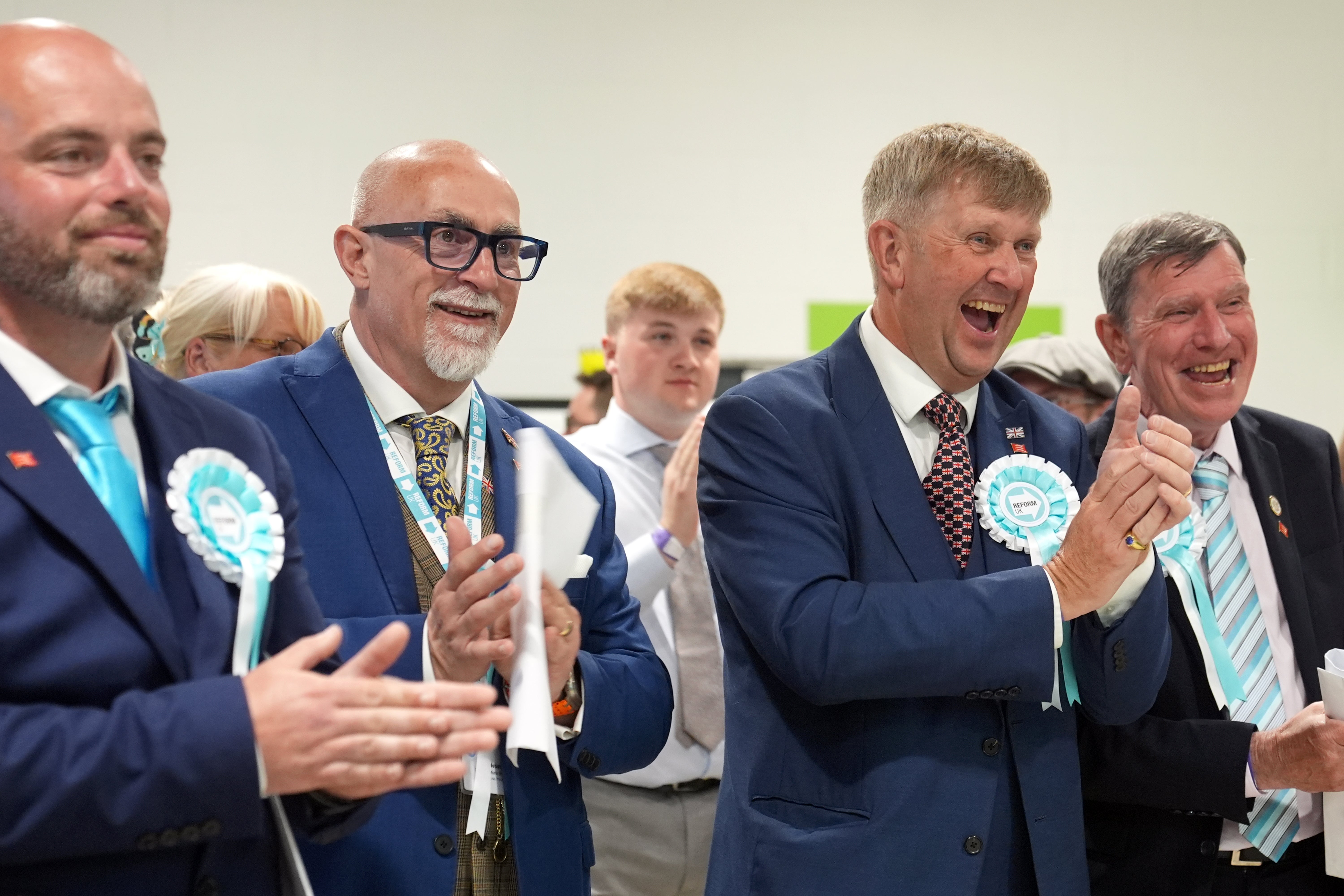
However, not all paper candidates are as ready or able to take up their posts when successful. Since last months vote, more than 20 newly elected Reform and Green councillors have already left their seats, prompting criticism that the practice has meant poor vetting in many cases.
The elections saw an historic result for Reform and the Greens, with the parties respectively winning the first and second highest vote shares. Support for Labour collapsed across England, losing 1,498 councillors, as well as a disastrous result in Wales.
But the rapid increase in support for both of these parties has also prompted concerns over the quality of candidates each are fielding at the local ballot box, with many feared to be ill-equipped or unsuitable to occupy their posts.
Of 1,454 elected councillors, Reform has lost 15 in the month since the election. Meanwhile, the Greens have lost eight of their 587.
“The recent increases in turnout at elections, as well as the increase in candidate numbers, are welcome signs of increased public participation in politics,” says Lord Mark Pack, a Lib Dem peer and political polling expert.
“[But] we shouldn’t view the growth in candidates as an excuse for poor vetting, especially as so many of the recent stories have involved information publicly available online.”
He added: “If [the Greens and Reform] have taken a gamble on standing people without being able to properly check them, that’s a political choice that it’s right to hold them accountable for.”

The Green’s official guide for paper candidates in South Norfolk states “the more candidates, the more seriously we get taken”, adding that they increase general media coverage, give more people the opportunity to vote Green, and prevent other parties from taking the ward “for granted”.
So is this an undemocratic practice, or a necessary rebalancing exercise against a system rigged in favour of the ‘big three’ political parties?
It’s an “open question”, says Dr Hannah Bunting, co-director of the University of Exeter Elections Centre.
“The reason that we’ve got to this such low level of trust is because politicians have not delivered on their promises to the electorate. So if you continue to do that … in terms of not even delivering the person that people have voted for, then that is detrimental.
“But I think it’s probably also more prevalent for these two parties, because they don’t have the same institutional organisational party machine behind them.”
Organising candidates for local elections is a huge undertaking, with 25,000 candidates contesting over 5,000 seats on May 7. Reform contested 95 per cent of seats, up from 60 per cent the year before – nearly level with Labour’s 96 per cent and above the Conservatives 94.
Meanwhile, the Greens contested 88 per cent of seats, up from 65 per cent in 2025. This was an unprecedented scaling up for both of the newer parties, both putting up a record number of candidates for a single election.
“Our electoral system is not built for this kind of party competition,” Dr Bunting says. “It wasn’t as concerning when you had these paper candidates when we knew they weren’t going to get any representation … that’s where the rules of the game were set up.
“Whereas now, these people could actually win, and it’s all changed. But our electoral system and most of our electoral rules are not really built to be able to deal with that level of party competition.”
Reflecting on the early losses, Mr Scott said: “To have this level of growth, is, is something that’s new to us, and with that comes challenges and learning experiences.
“But at the same time, the vast majority of our paper or cardboard candidates were people who were ready to do the work.”
A Green Party spokesperson said: “4,509 Green Party candidates stood at the local elections. Recently the Green Party has seen rapid growth to 230,000 members – in light of this, we are investing further in our due diligence processes.”
Reform UK was approached for comment.