Oil prices remained below $100 a barrel on Friday as Wall Street set another record and Asian stocks headed for a second consecutive week of strong gains, with markets watching for signs that the Iran war ceasefire expiring next week would be extended.
Brent crude fell 1.1 per cent to $98.31 a barrel and US benchmark crude dropped 1.4 per cent to $89.90, after Donald Trump said the next meeting between the US and Iran could take place over the weekend and suggested he was open to extending the two-week ceasefire beyond its expiry next week.
Iran’s UN envoy said Tehran remained “cautiously optimistic” over negotiations with the US. A 10-day ceasefire between Lebanon and Israel also went into effect on Thursday.
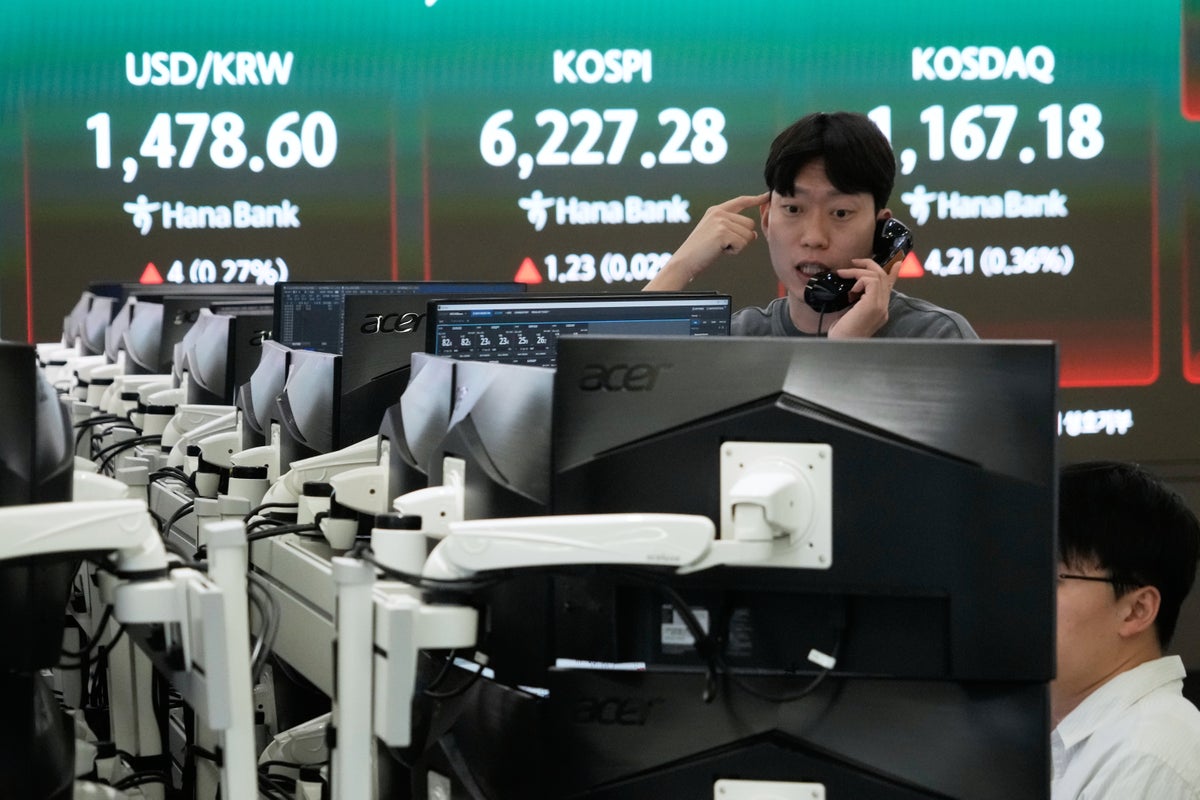
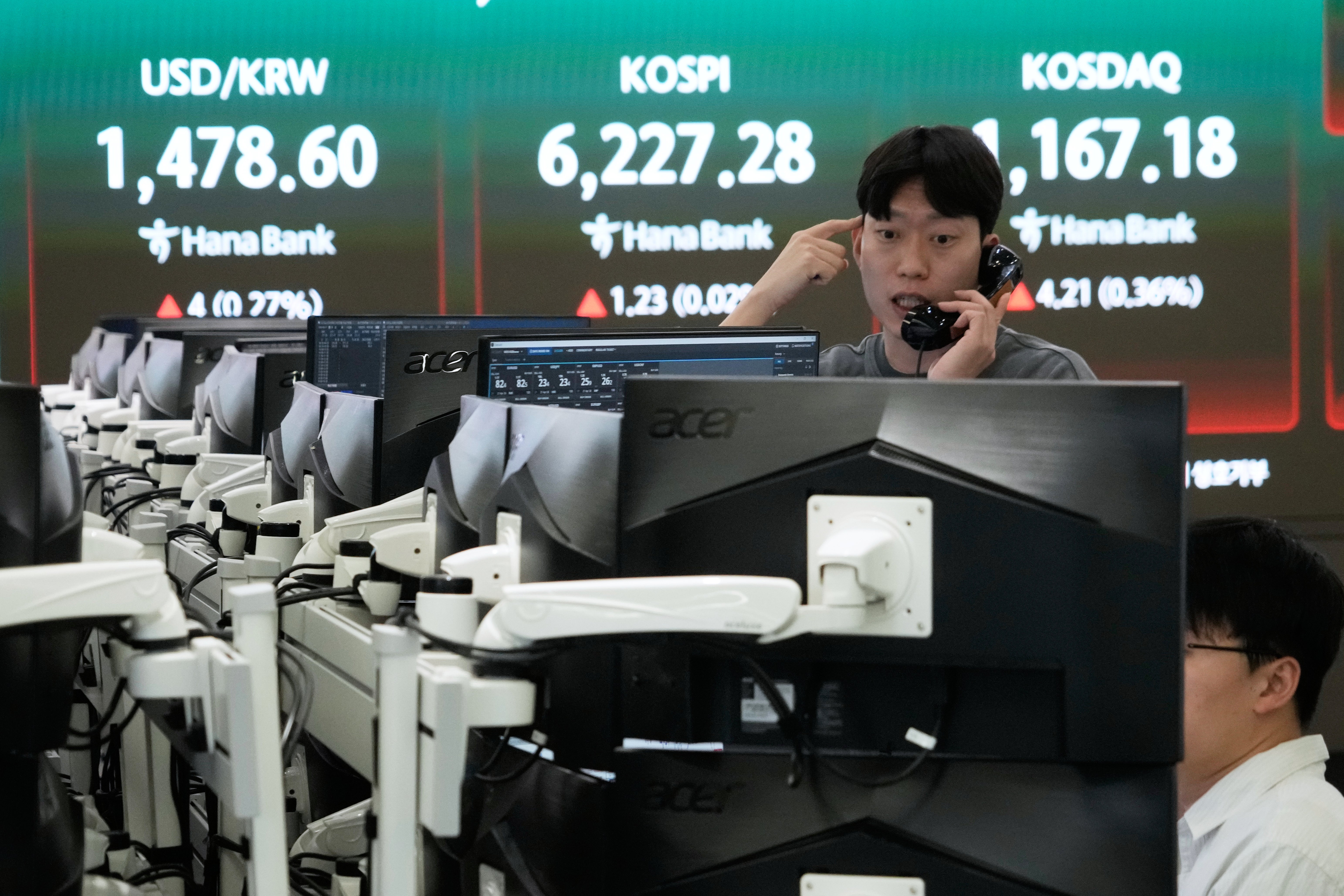
Asian markets pulled back on Friday despite Wall Street setting another record the previous session. Tokyo’s Nikkei fell 1 per cent to 58,930 after hitting an all-time high on Thursday. South Korea’s Kospi was 0.6 per cent lower, Hong Kong’s Hang Seng dropped 1 per cent and the Shanghai Composite edged down 0.1 per cent. Australia’s S&P/ASX 200 lost 0.3 per cent and Taiwan’s Taiex traded 0.5 per cent lower.
MSCI’s broadest index of Asia-Pacific shares outside Japan remained close to its highest level since 2 March, the first trading day after the Iran war broke out. The index is up 14.5 per cent in April after dropping 13.5 per cent in March, with almost all stock markets now back to pre-war levels.

On Wall Street, the S&P 500 closed 0.3 per cent higher at 7,041 on Thursday, a day after eclipsing its previous all-time high set in January. The Dow Jones Industrial Average rose 0.2 per cent to 48,578 and the Nasdaq added 0.4 per cent to 24,102.
However, the speed of the recovery has surprised some analysts, who warned markets may be underpricing the risks.
“There’s quite a strong contrast between what policymakers and central bankers are saying about the risks that this conflict is creating versus what the market is implying,” Andrew Chorlton, chief investment officer for public fixed income at M&G, told Reuters.
“That seems somewhat complacent. It seems unlikely that there shouldn’t be some additional risk premium priced in, either to growth or to inflation.”
Others pointed to the strait as the critical test for whether the rally could hold.
“I think equity markets are remaining positive and some solid US earnings have helped, but — and it’s a big but — we need to see some concrete evidence that peace is going to last,” Nick Twidale, chief market strategist at ATFX Global, told Reuters.
“A full reopening of the Strait, or we could see some substantial corrections in global stocks in the coming days and weeks.”
The stakes on the energy side are rising. The head of the International Energy Agency warned on Thursday that Europe had “maybe six weeks or so” of jet fuel supplies remaining and that flight cancellations were coming “soon”.
The closure of the Strait of Hormuz has caused the worst oil price shock in history — Brent crude has surged roughly 40 per cent since the start of the Iran war in late February — and prompted the IMF to downgrade its global growth outlook, warning that a prolonged conflict could push the world to the brink of recession.
The US dollar, which had benefited from safe-haven demand in March, has since given up those gains, with the dollar index near its lowest level since 2 March after eight straight sessions of decline. The euro held at $1.1778 while the Australian dollar, considered a risk-sensitive currency, drifted near a four-year high. Gold edged up 0.1 per cent to $4,814.60 an ounce and silver gained 0.4 per cent to $79.04.