



Asian markets largely advanced on Monday, while global oil prices saw a significant drop, following comments from Donald Trump indicating progress in talks aimed at resolving the conflict with Iran.
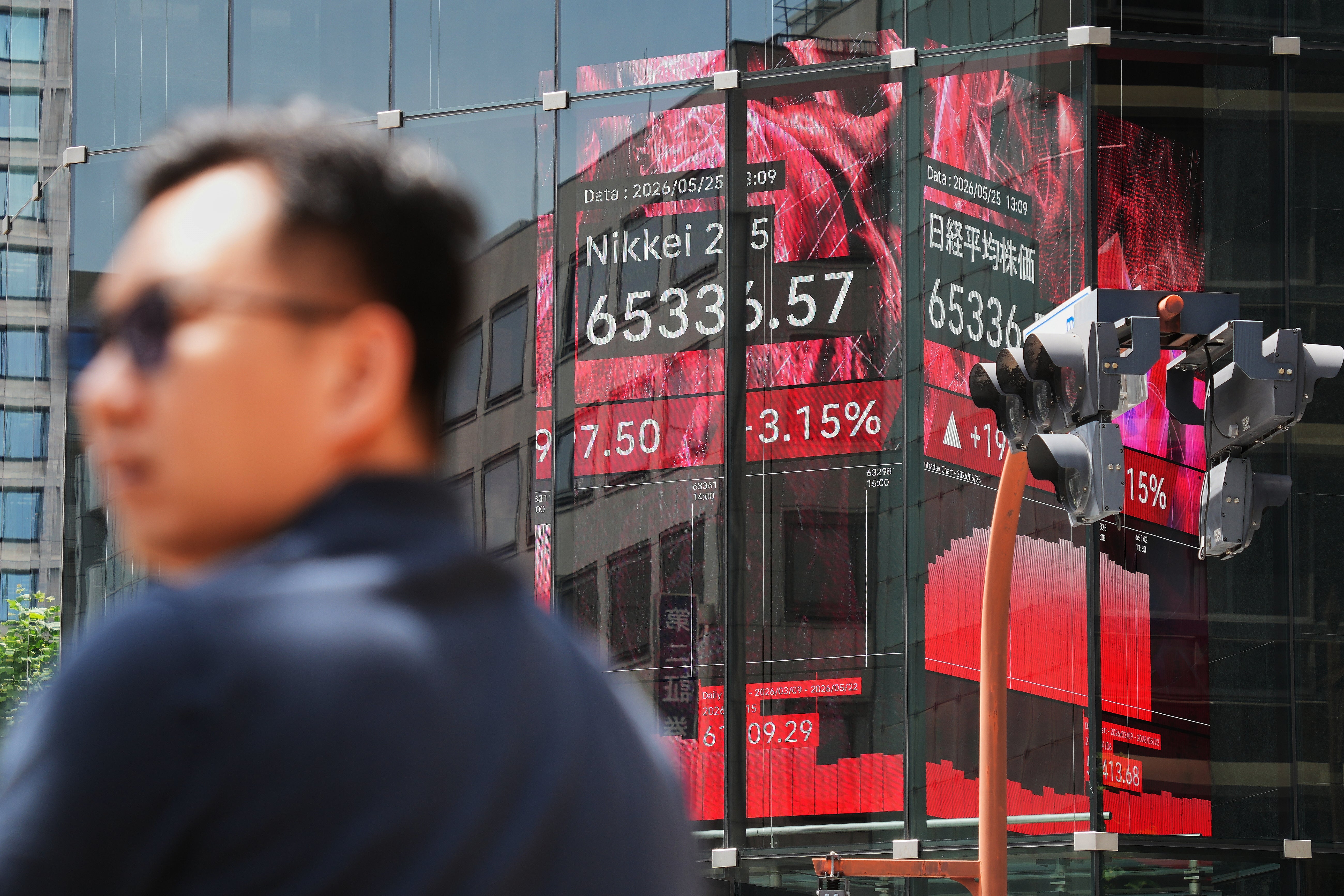
Japan’s benchmark Nikkei 225 index surged by 3.1 per cent in morning trading, reaching 65,321.56. Australia’s S&P/ASX 200 also added 0.4 per cent to 8,692.70, and the Shanghai Composite edged up 0.4 per cent to 4,127.53.
Trading was suspended in South Korea and Hong Kong for Buddha’s birthday holidays, with US markets also closed for Memorial Day.
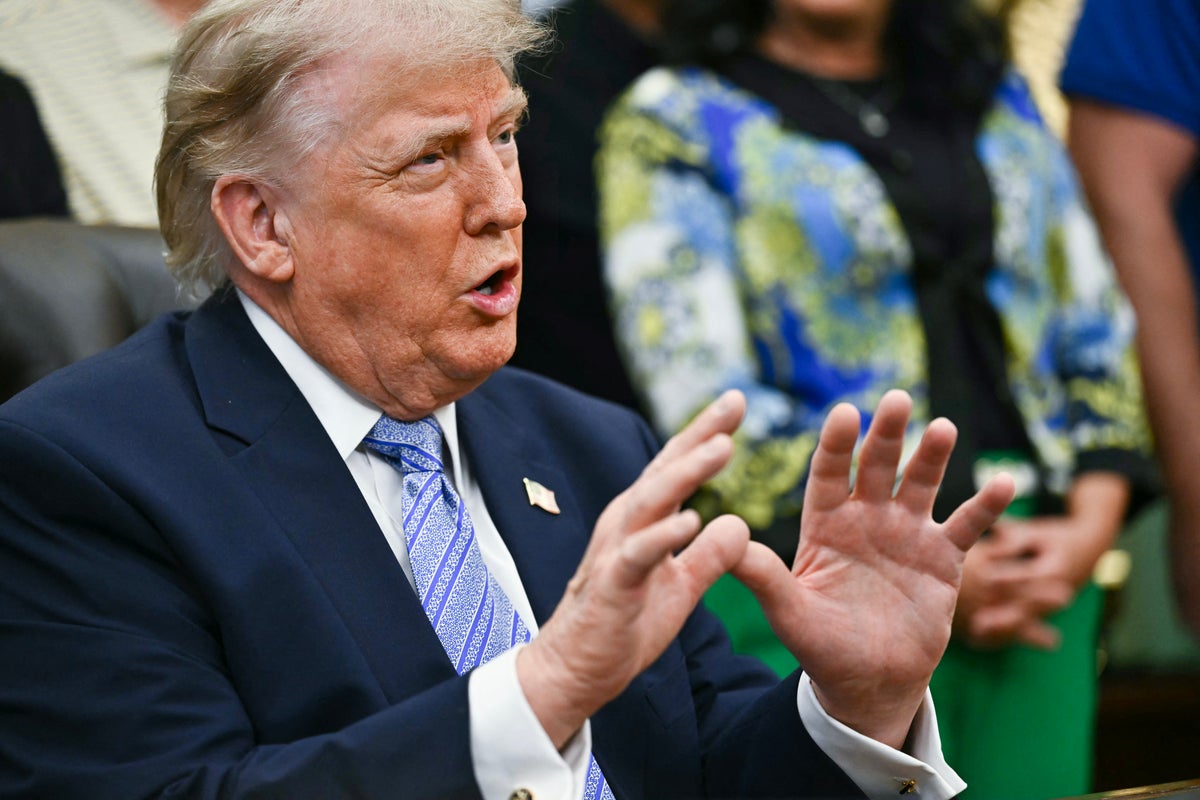
Mr Trump stated that negotiations with Iran were “proceeding in an orderly and constructive manner.”
This comes as regional officials informed The Associated Press on Sunday that the United States is nearing an agreement with Iran.
The potential deal would reportedly end the war, facilitate the reopening of the crucial Strait of Hormuz, and see Iran relinquish its stockpile of highly enriched uranium.

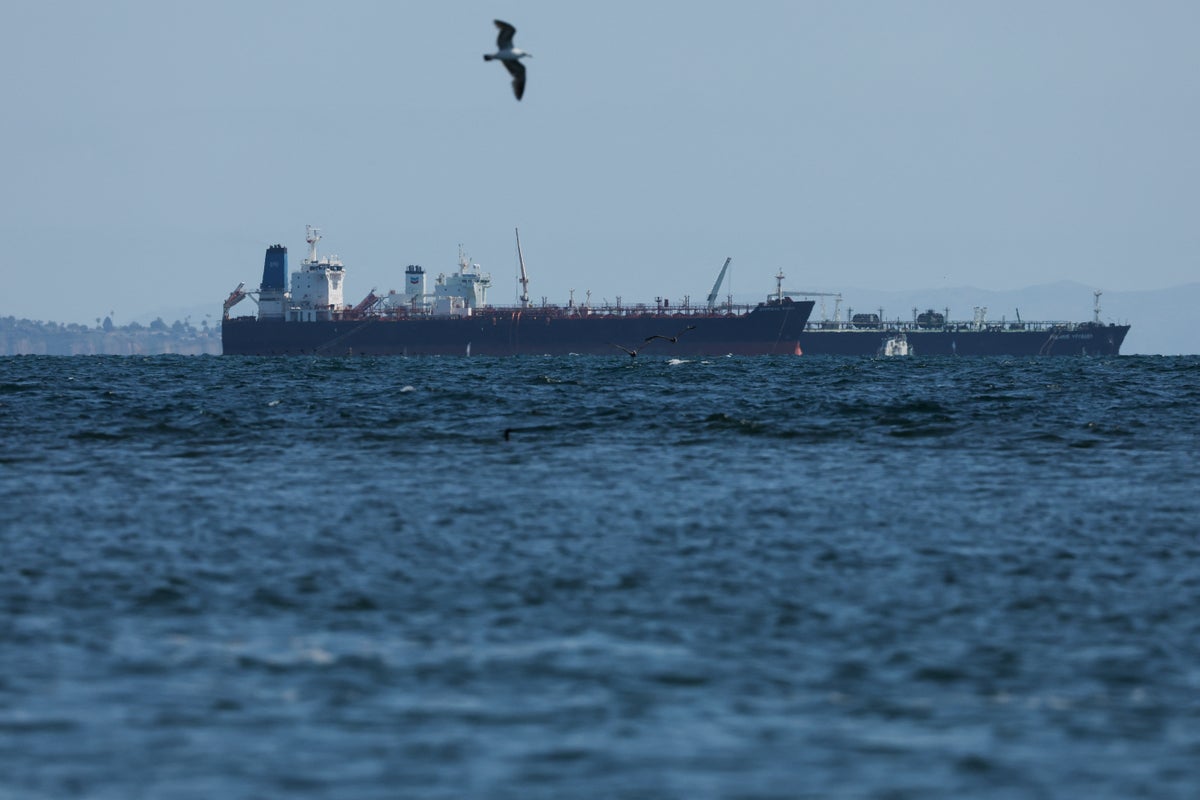
The reopening of the Strait of Hormuz is expected to be a key factor in determining the future direction of oil prices. Its closure has previously prevented oil tankers from exiting the Persian Gulf, disrupting crude deliveries to customers worldwide. Japan, for instance, relies heavily on oil imports, with the majority passing through the strait.
“Markets are rapidly transitioning from pricing geopolitical fear toward pricing a potential peace dividend as Hormuz reopening expectations pressure oil and the dollar lower,” analyst Stephen Innes said in a commentary.
Early Monday, benchmark US crude was down $4.35 at $92.25 a barrel. Brent crude, the international standard, sank $4.16 to $99.38 a barrel.
In currency trading, the US dollar declined to 158.80 Japanese yen from 159.16 yen. The euro cost $1.1641, up from $1.1605.
Friday on Wall Street, stocks finished their eighth straight winning week, the best such streak since 2023. That’s even though a survey showed US consumers are feeling even worse about the economy.


The S&P 500 added 0.4 per cent and pulled closer to its all-time high set in the middle of last week. The Dow Jones Industrial Average rose 0.6 per cent, and the Nasdaq composite gained 0.2 per cent.
Recent earnings reports from US companies that topped analysts’ expectations also helped markets. But worries about inflation have pushed bond yields higher worldwide.
The yield on the 10-year Treasury edged down to 4.56 per cent on Friday from 4.57 per cent late Thursday, but it remains well above its 3.97 per cent level from before the war.