


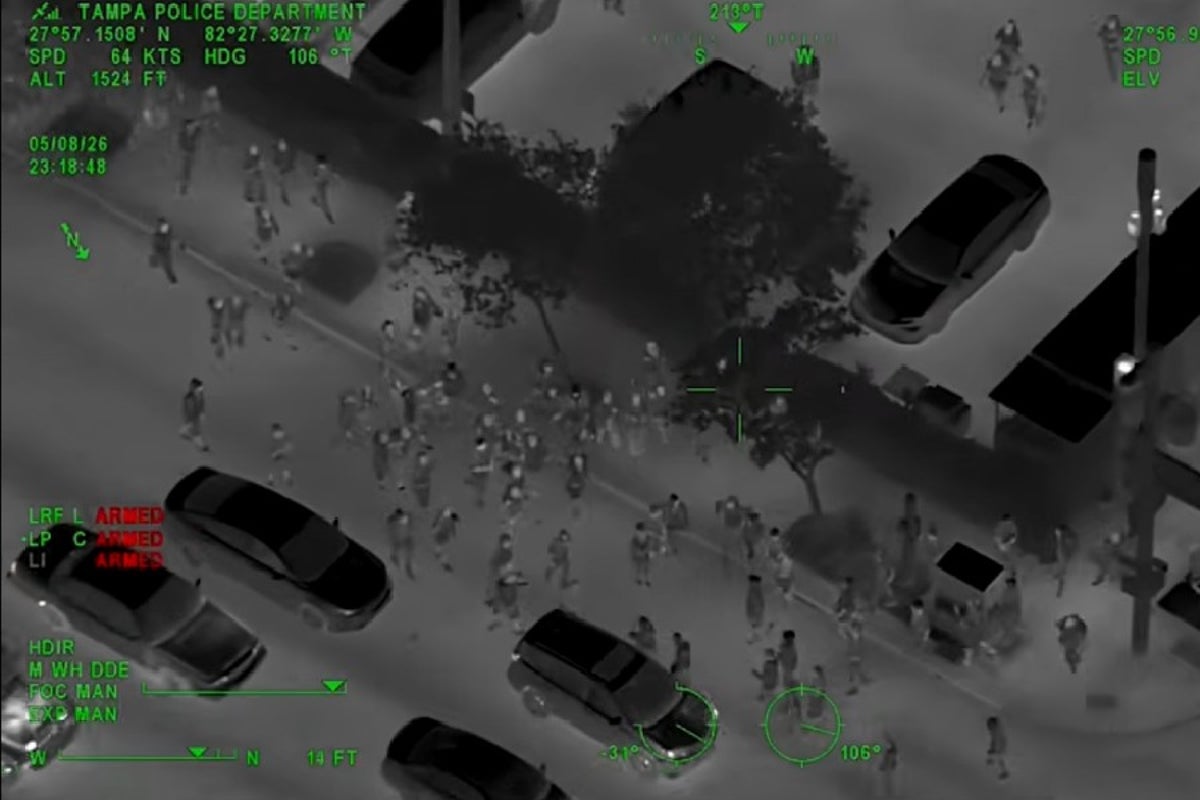
Arrests, curfews and threats to prosecute parents are among the official responses to the so-called teen takeovers of public spaces across the country — but it may not be enough to stem the violence tied to some of the unsanctioned gatherings.
The recent Memorial Day weekend saw a trio of young men wounded in a shooting three blocks from a Monday night teen takeover at Chicago’s 57th Street Beach, and five cops injured early Sunday morning when an 18-year-old motorist allegedly mowed them down as they tried to break up a large post-prom gathering in the city’s Near West Side neighborhood.
The latter incident got the attention of President Donald Trump, who wrote on social media that Illinois Gov. JB Pritzker and Chicago Mayor Brandon Johnson, both Democrats, were “terrible” leaders and he urged them to “call for help!”
Michael Alcazar, an adjunct professor at the City University of New York’s John Jay College of Criminal Justice, told The Independent that police departments across the country “have to be prepared” for teen takeovers, which are reportedly often promoted online through flashy posters created with artificial intelligence.
“These teen meetups aren’t going away because social media isn’t going away,” said Alcazar, who retired as a detective after 30-plus years in the New York Police Department. “For the most part, these are good kids having a good time — but they can get caught up in a mob mentality and think they can get away with anything.”

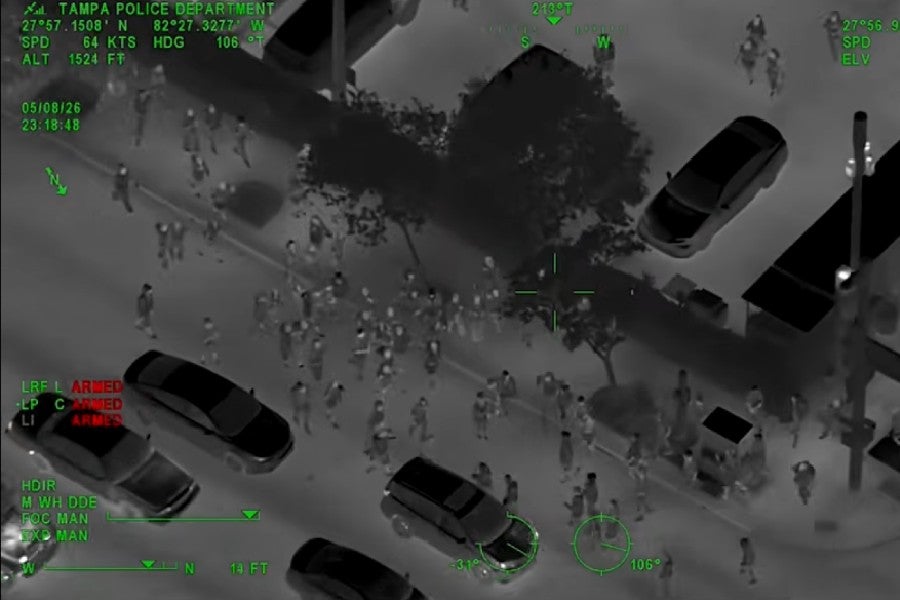
Florida State University sociology professor Deana Rohlinger said social media was also a factor in some gatherings spiraling out of control.
“Social platforms now reward visibility, spectacle and circulation much more intensely than they did 20 years ago,” she said. “That can create incentives for escalation because attention itself becomes a resource, and events can acquire momentum well beyond their original organizers or intentions.”
However, Kristin Henning, director of the Juvenile Justice Clinic and Initiative at Georgetown Law, told National Public Radio that viral videos of violence during teen takeovers have led to them “getting a bad rap.”
“The reality is, in so many of these instances, we are sensationalizing teenagers, often lower income children of color, who are taking over, if you will, or visiting gentrified neighborhoods,” Henning said. “The focus becomes on the delinquent or criminal activity that takes place.”

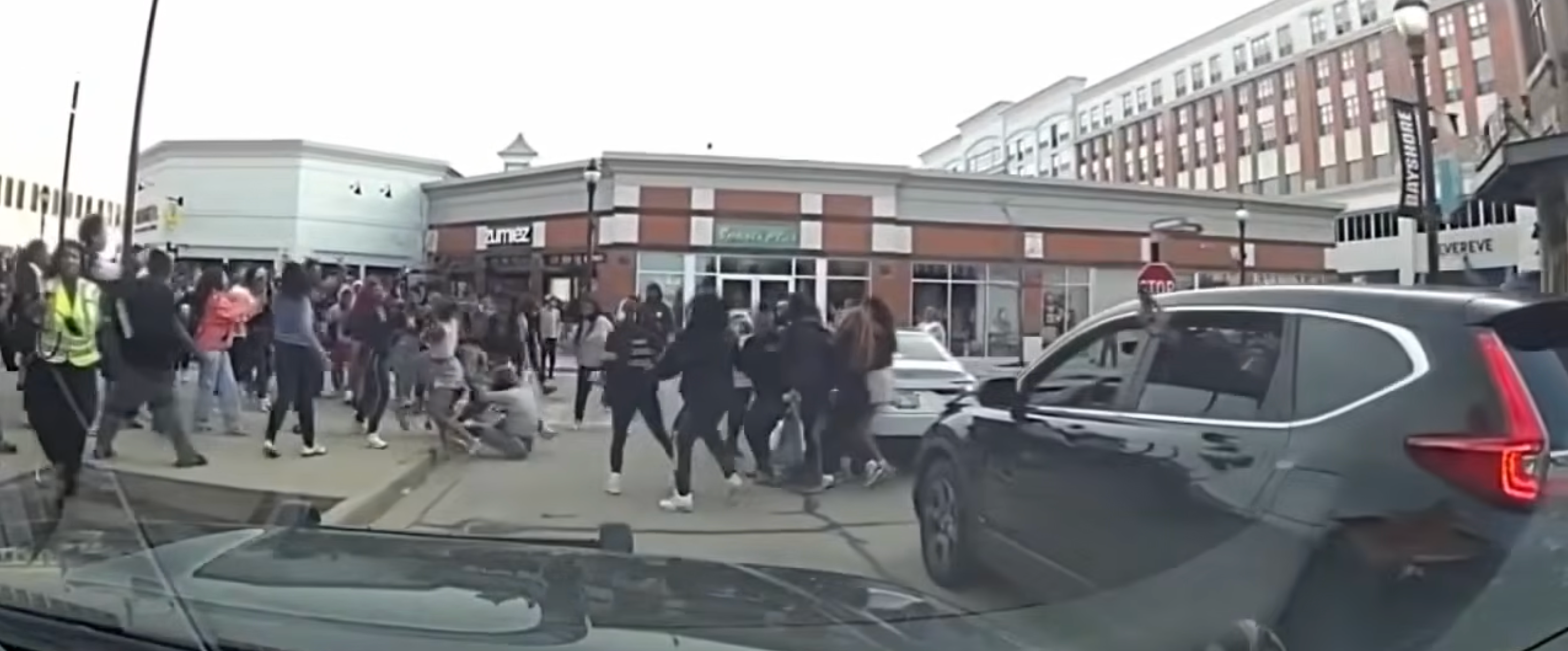
The scenes of dozens of teens gathering in one spot have been splashed across social media and the news. Some show large gatherings of teens having fun. Others have descended into chaos. Police have warned their communities or talked about efforts on how to slow them down.
In New Hampshire, state troopers arrested 51 people on charges including riot, second-degree assault and unlawful possession of alcohol after fights broke out May 19 at Hampton Beach during what officials called a “large-crowd event, which had been advertised on social media.”
The online flyers promoted a “Hampton Beach Takeover” that drew thousands of attendees, many of them high school seniors who were skipping school, according to WBZ-TV.
Hampton Police Chief Alex Reno said authorities had identified the organizers and were planning to arrest them, which WBZ-TV legal analyst Jennifer Roman called an “aggressive move” that “would certainly send a message.”
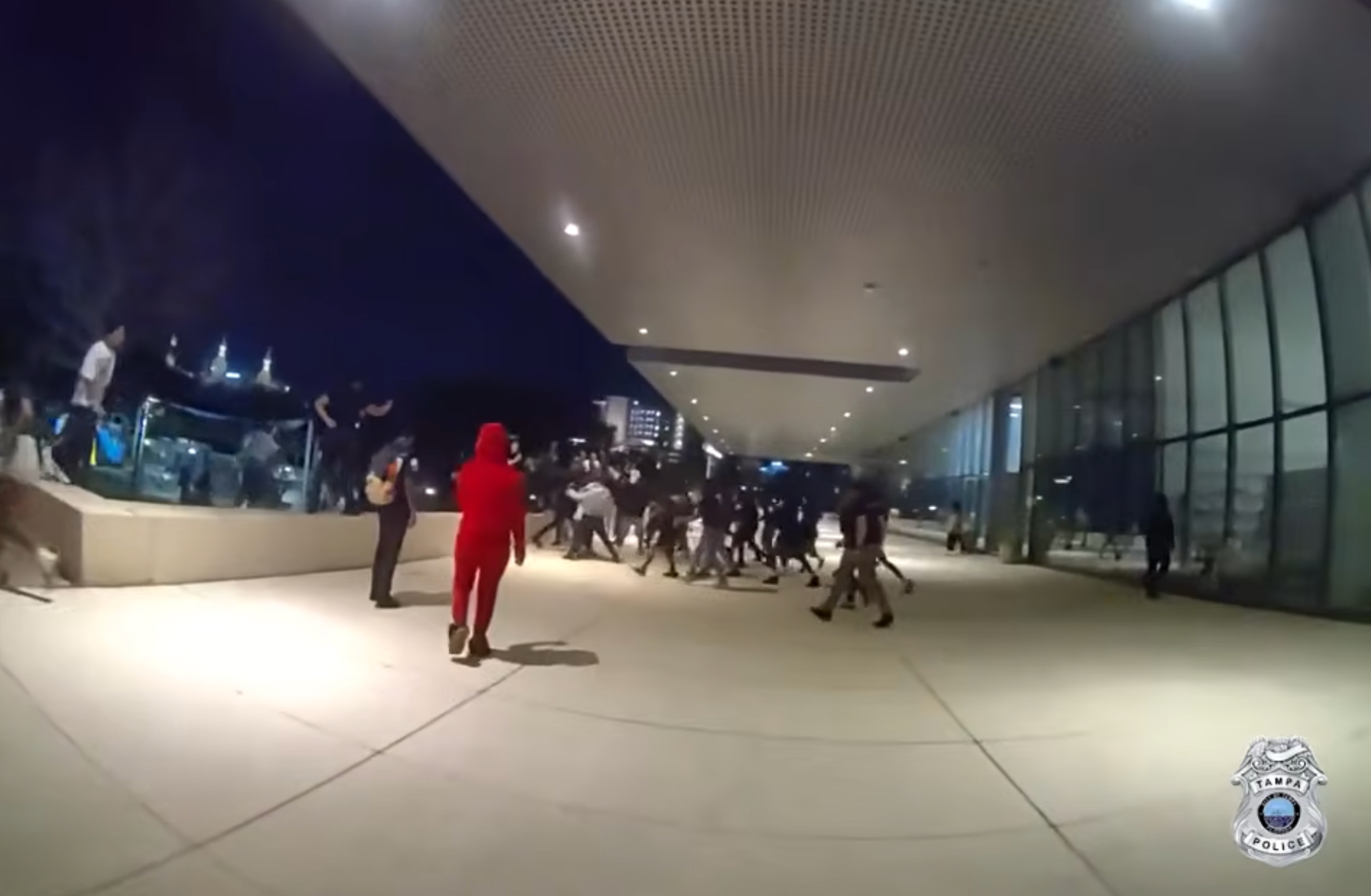
The Hampton Beach incident came just two days after about 500 teens staged a “large brawl” in downtown Detroit, according to an account posted on Facebook by Darious Morris, a member of the city’s civilian Board of Police Commissioners, and cited by The Detroit News.
A 14-year-old was also wounded by a gunshot to the chest when two groups clashed downtown around 9:40 p.m., about 20 minutes before police were dispatched to the scene of the brawl, according to The Detroit News.

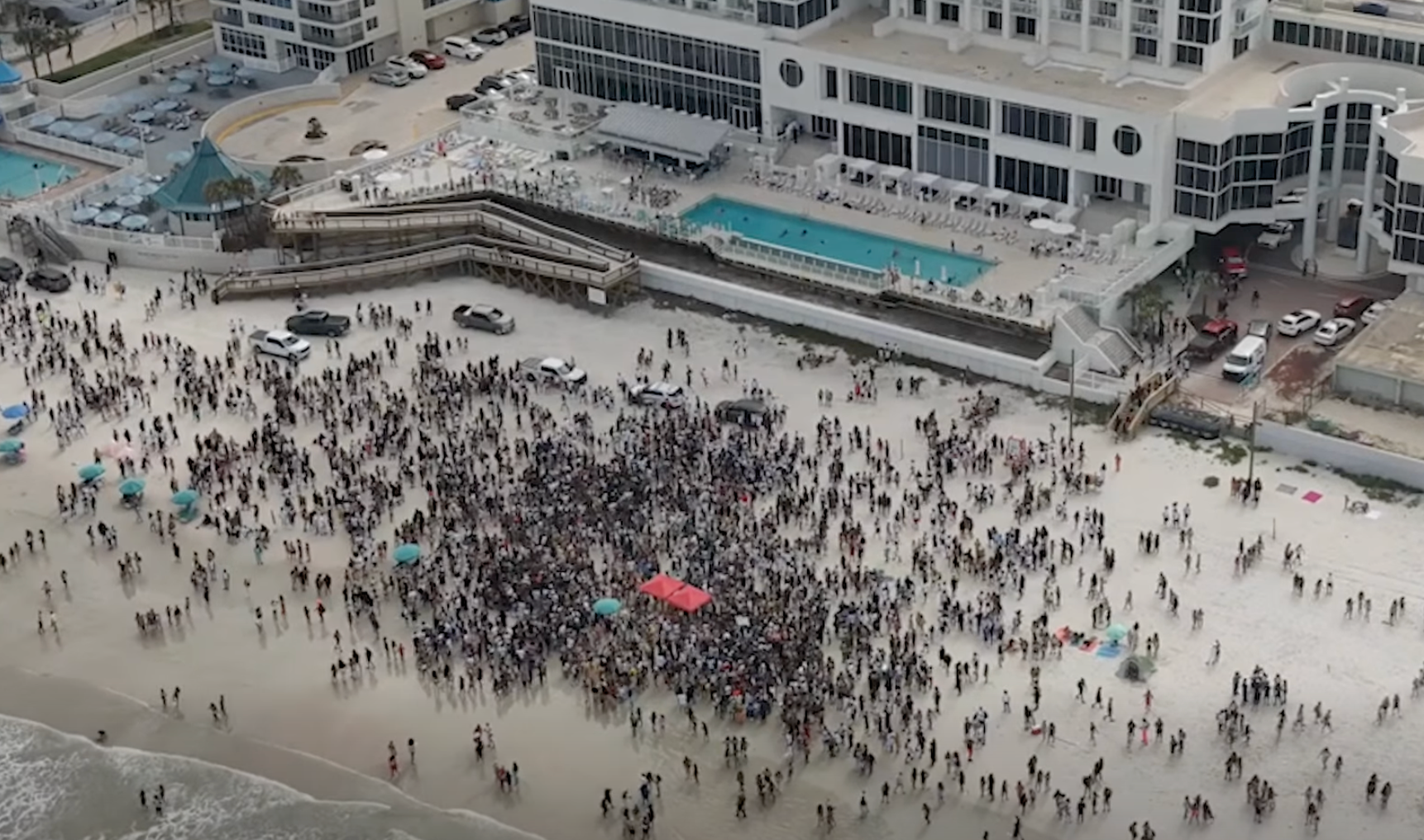
Morris said that young people were “strong on following trends” and that teen takeovers had become a national trend.
“It’s a trend because it gets views and social media clout — at the expense of compromising public safety, city resources and lost business revenue due to customers fleeing away for fear of being victimized,” he said.
Officials in Long Branch, New Jersey, imposed an 8 p.m. curfew and urged residents to take shelter last week after hundreds of young people swarmed the Jersey Shore town’s Pier Village, where some were caught on video jumping on a car after it pulled up in front of a local resort, WCBS-TV reported.
Outgoing Washington, D.C., Mayor Muriel Bowser also declared a public emergency Friday and imposed a 15-day curfew that bans youths under 18 from gathering in groups of nine or more following a brawl in a Chipotle restaurant in the city’s Navy Yard, where video reportedly showed teens tossing furniture and one using a chair to bash someone’s head.
U.S. Attorney Jeanine Pirro, a former Fox News personality, said the FBI was “using all of their resources” to track down the brawlers and also vowed to hold their parents accountable “for the upheaval that is going on in this district and impacting everyone who lives here,” according to WRC-TV.
“Starting now, parents, you’re paying the bill, and if you know where your teen is and what your teen is doing and you allow them to continue their conduct and continue to allow them to flourish, then we’re going to prosecute you,” Pirro said.
Chicago Alderman Brian Hopkins said Monday that he and other members of the City Council were drafting an ordinance to allow cops to charge parents with contributing to the delinquency of a minor if their children violate a 2018 curfew.
It requires anyone under 17 to be at home or accompanied by a parent or guardian after 11 p.m. on Fridays and Saturdays, and after 10 p.m. all other days.
Last year, Mayor Johnson vetoed a stricter measure after it was passed by the City Council, which failed to override the veto.
“We need the mayor to step up and stand with us on it. Tough talk is fine, but that doesn’t seem to change anything,” he told WMAQ-TV.
Johnson released a statement calling for parental accountability following the teen takeover of the 57th Street Beach, but in later remarks stopped short of endorsing Hopkins’ proposal, WMAQ said.

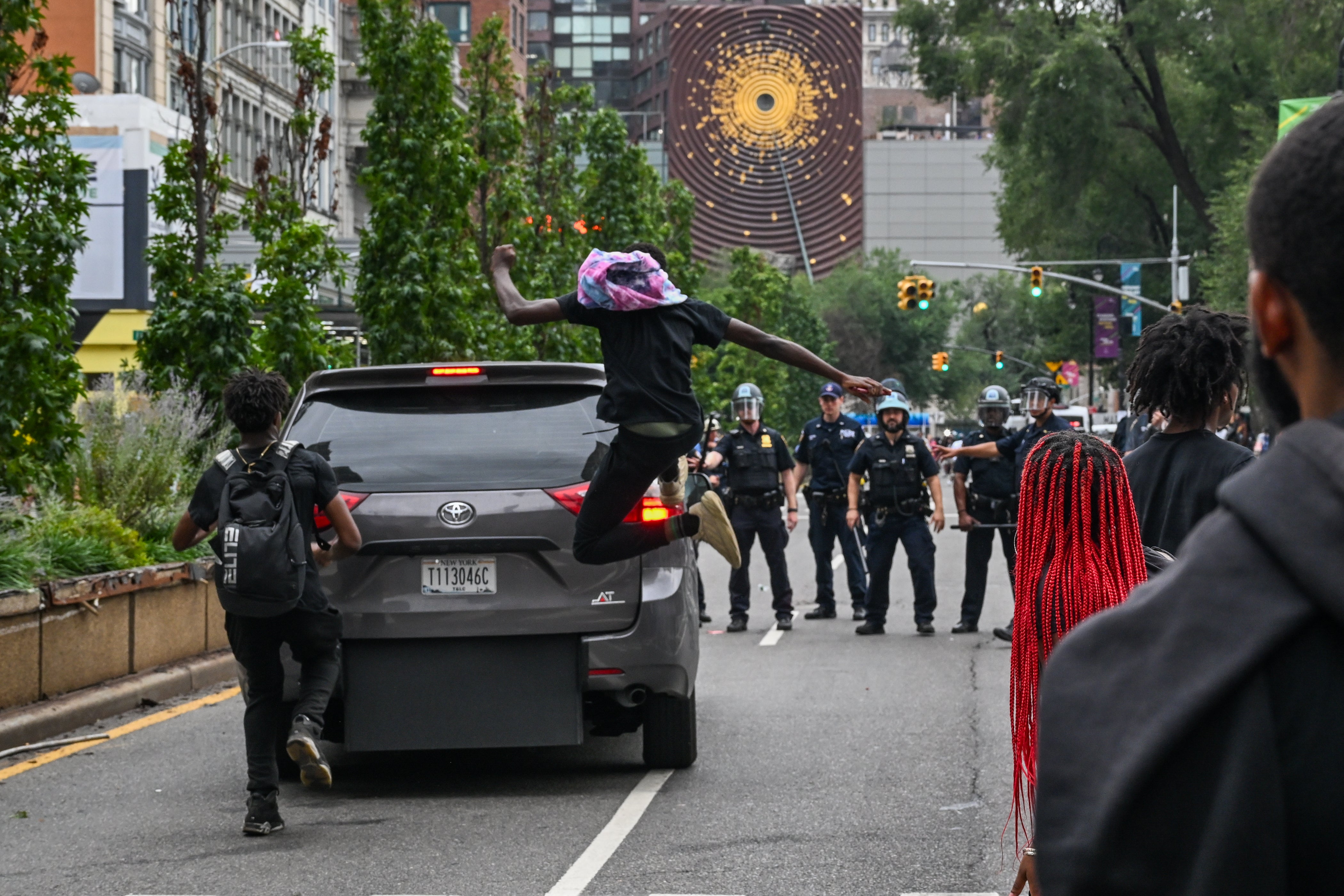
Alcazar, the former detective, said New York City got an early taste of teen takeovers in 2023, when thousands of young people thronged Manhattan’s Union Square in response to internet personality Kai Cenat’s announcement that he would give away a new PlayStation video game console and other electronics.
The gathering quickly turned violent, with 65 people arrested and several injured during mayhem that included some jumping onto vehicles, throwing bottles and fighting.
Cenat was charged with inciting a riot and promoting an unlawful gathering, but the case was dropped in a deal that required him to publicly apologize and pay $55,000 for cleanup and landscaping repair costs.
Alcazar said teen takeovers posed the risk that gang members “are going to take the opportunity to secrete themselves in a crowd” and use it as cover to attack their rivals, while other “bad elements” could do the same to rob people.
Alcazar also said police needed to respond quickly because a teen takeover “could turn volatile very quickly” if some participants “feel comfortable wreaking havoc.”
“We need old school police tactics,” he said. “People need to realize there will be repercussions if crimes or violations are being committed. If you make a couple of arrests, that usually disperses the crowd.”

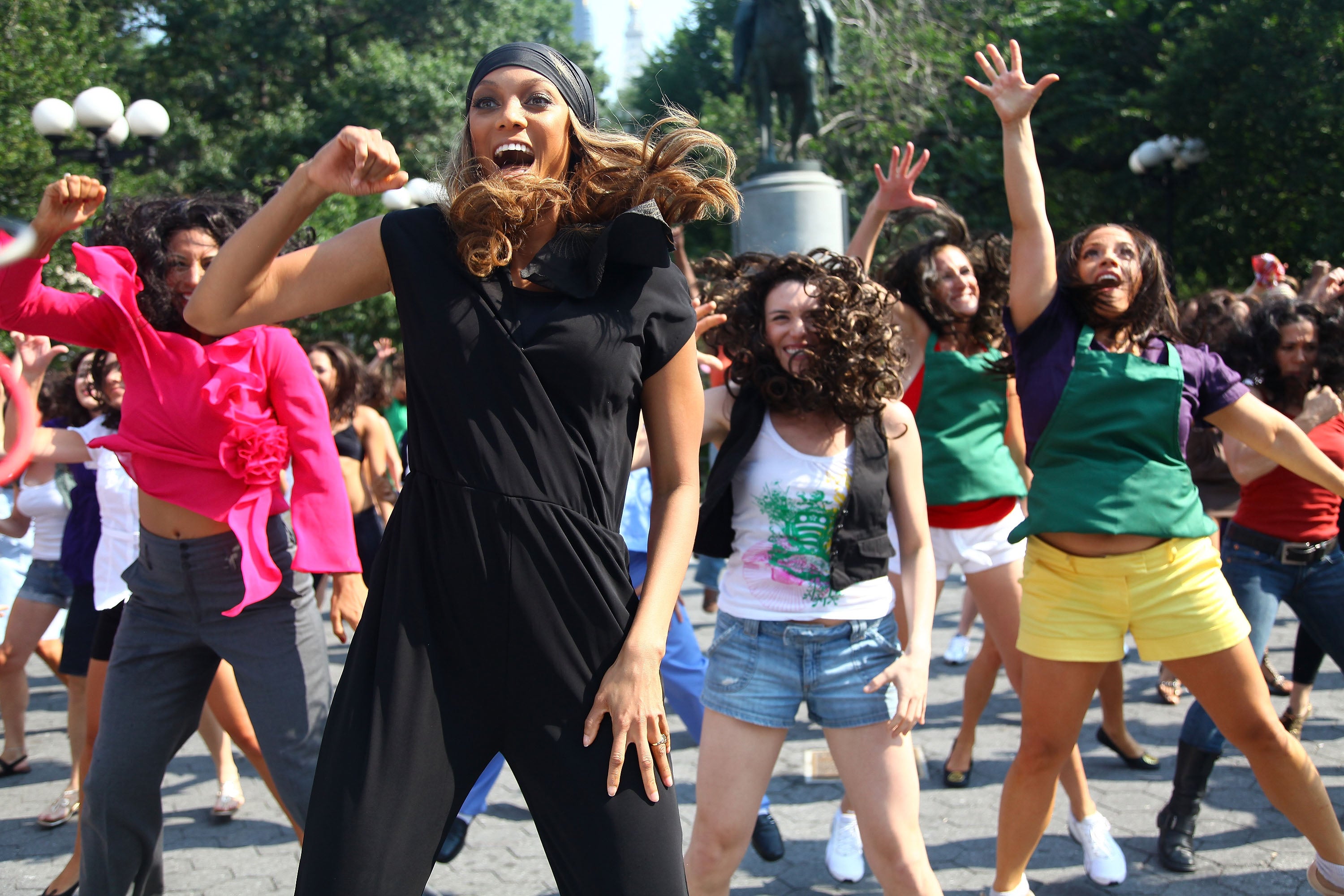
Rohlinge, the Florida State University sociologist, said that teen takeovers shared some similarities with the flash mobs of the 2000s and early 2010s, including “digitally enabled assembly,” but that flash mob events “were often framed as performative, playful and organized around novelty and participation.”
“That said, flash mobs were not uniformly benign. There were occasional incidents involving disruption, theft and violence, although those tended to be treated as exceptions rather than representative of the phenomenon,” she said. “What appears different today is less the existence of conflict and more the surrounding media environment.”
Duke University psychology Professor Emeritus Mark Leary said the process of “deindividuation” was likely a factor in the violence that’s accompanied some teen takeovers, much as it was during some protests against the Vietnam War.
“In the 60s, when they started studying this, a lot of the demonstrations that got out of control, there wasn’t any sense that they got together to get out of control and cause chaos. It’s just that it emerged,” he said. “In a large group, it’s difficult to identify you. You’ve sort of lost your individual identifiability in this group, and as a result, people say and do things they certainly wouldn’t do if they could personally be identified and pointed out.”
Leary said that most of the people taking part in teen takeovers were probably there with groups of friends or acquaintances and that “some of the teenagers that get out of control are essentially performing for their friends” because “the norms say: Hey, you’re a teenager, get out there and raise some hell.”

Teen psychology also likely plays a role, Leary said, citing research that shows the human brain’s prefrontal cortex, which is responsible for self-regulation, is “not entirely developed until 25 years old.”
“Considering the implications of things, considering the consequences of your behavior — I don’t think teenagers consider it as much, and even if they do, they have more trouble with self-control,” he said.
Leary — who called teen takeovers a “fascinating topic” worthy of research — said he wondered if there were more things for young people to do that were “enjoyable and interesting and maybe even risky, kids would decide to do that instead.”
That idea was echoed by Benjamin Shirtcliff, the head of the Landscape Architecture Department at the University of Oregon, who said that teens were often denied access to public spaces by prohibitions on skateboarding and other activities.
“Teens prefer to play in public spaces where other people also want to be. This isn’t shocking science,” he said. “Take away all the fun and they will make their own, regardless of risk,” he said.
Shirtcliff, who’s written about the development of New Orleans’ first public skate park on the site of a do-it-yourself version built by local teens, said that when young people “have the opportunity to build their own spaces, they stop engaging in risk-taking behavior and start taking care of each other.”
Shirtcliff also warned that the evolving situation around teen takeovers was “precarious” due to the possibility that “violence from authority and enforcement will unnecessarily cost human lives.”
“If you need an example of crowd-control without threat, look no further than the city of New Orleans and how they handle Mardi Gras in the French Quarter,” he said.