

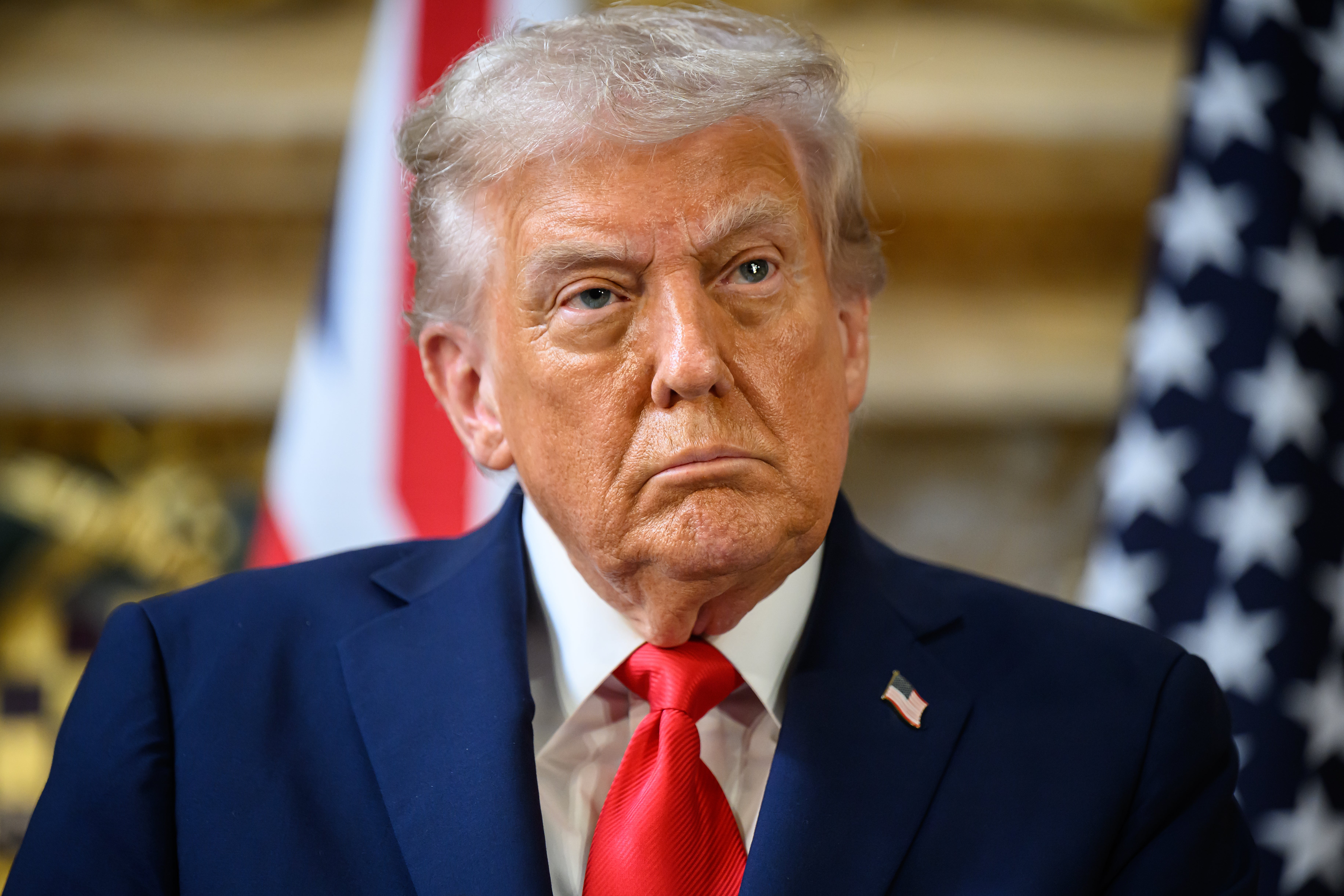
Leading members of Nato have dismissed Donald Trump’s demands to assist in the war against Iran, with Germany insisting that the conflict has “nothing to do” with the military bloc.
Trump had called on allies to help the US police the Strait of Hormuz, which has been blockaded by Iranian forces in response to the intense US-Israeli bombardment which began on 28 February.
“It is not Nato’s war,” said a spokesman for German chancellor Friedrich Merz. “Nato is an alliance to defend the alliance area. The United States did not consult us before this war, and so we believe this is not a matter for Nato or the German government.”
Sir Keir Starmer also went on the record, warning that Britain “will not be drawn into the wider war.”

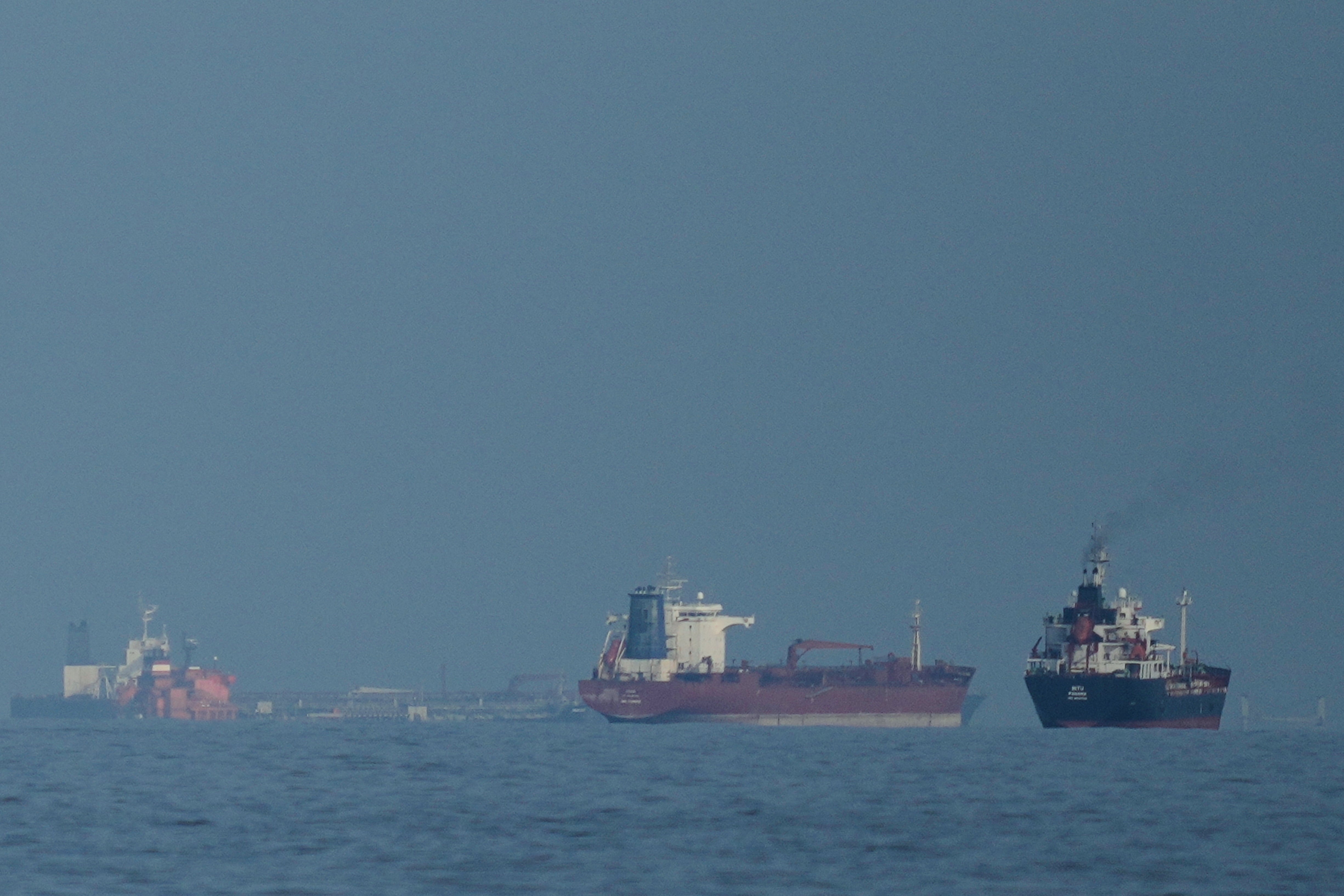
He refused to commit to sending in warships to help allow oil tankers to pass through the strategic waterway, even after a former Downing street advisor warned that he may need to consider “fuel rationing” if supplies dry up.
Sir Keir said: “Ultimately, we have to reopen the Strait of Hormuz to ensure stability on the market. That is not a simple task. There have been discussions going on in relation to a viable plan.
“We want to make sure that that involves as many partners as possible, that’s been our stated directive here, particularly talking to European partners, inevitably talking to Gulf partners and to the US, because we need a credible, viable plan, if we can.”
Responding to Sir Keir’s reluctance to get involved, Trump said he was “not happy” and “very surprised”, adding: “They should be involved enthusiastically.”
The ongoing war of words came as a senior Labour source, who is a regular part of the security discussions in relation to Iran and Ukraine, told The Independent that the feedback coming to the government from Republican allies as well as Democrats is one of “deep despair at the erratic behaviour of the president” with a number of allies “questioning his judgement”.
Trump has warned that Nato faced a “very bad future” if member states did not use their navies to support the US in the Strait of Hormuz, as Iranian forces use drones, missiles and mines to prevent fuel tankers from transporting a fifth of global oil supply.
But Germany’s defence minister, Boris Pistorius, also dismissed Trump’s request.
“What does (…) Donald Trump expect a handful or two handfuls of European frigates to do in the Strait of Hormuz that the powerful US navy cannot do?” he asked, downplaying warnings by Trump that failing to come to Washington’s aid could have consequences for the Nato alliance.
Meanwhile Italian foreign minister Antonio Tajani said diplomacy was the right way to solve the crisis in the strait and that there were no naval missions Italy is involved in that could be extended to the area.
“As far as Hormuz is concerned I believe diplomacy needs to prevail,” he told reporters on the sidelines of a meeting in Brussels.
Italy is involved in defensive naval missions in the Red Sea, “but I don’t see any missions that can be extended to Hormuz,” he added.

Meanwhile, UK work and pensions minister Pat McFadden warned: “It is not a Nato war, it is a US-Israeli action. The articles of association of Nato are that it is a defensive alliance.”
Some allies, however, did signal a cautious willingness to assist the US.
Kaja Kallas, the EU’s foreign policy chief, said the bloc is in talks with the United Nations about duplicating a deal which allows for grain to be exported out of Ukraine amid its war with Russia.
The EU is also discussing whether it could change the mandate of its Middle East naval mission, Aspides, which currently protects ships in the Red Sea from attacks by Yemen’s Houthi rebel group, to include the Strait of Hormuz, Kallas said.
Denmark, a country which has clashed repeatedly with Trump over his demands that it cede Greenland, said that even if the EU does not agree with the war, it should consider helping reopen the strait.

“Even if we don’t like what’s going on, I think it’s wise to keep an open mind on whether Europe… in some way can contribute, but with a view towards de-escalation,” said Danish foreign minister Lars Lokke Rasmussen.
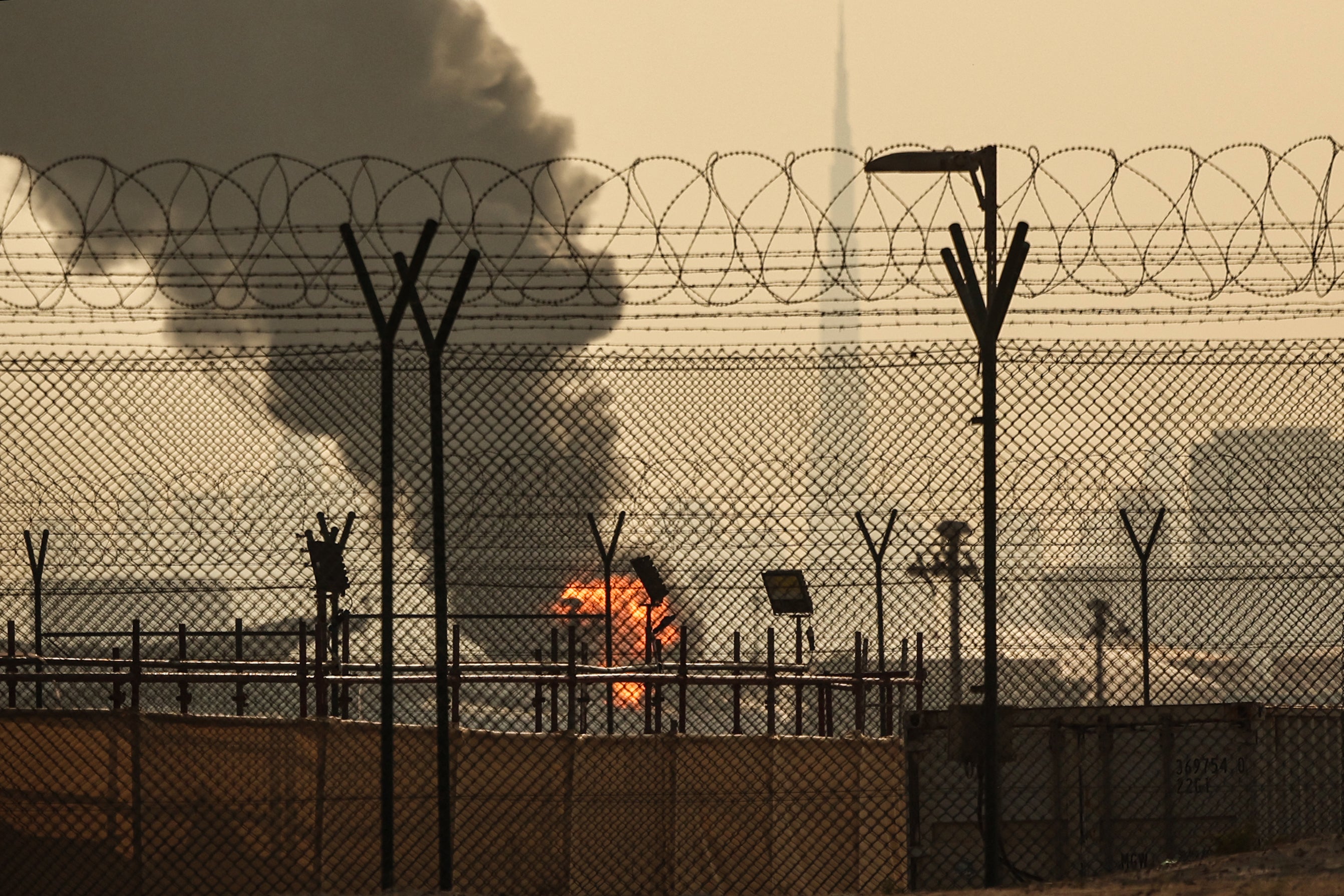
The war, which is now in its seventeenth day, has caused the price of oil to reach one of the highest rates since July 2022 on Monday, peaking at $104 (£78) per barrel as fuel costs continue to soar.
The conflict has shown no signs of immediately abating. The Israeli military has claimed that it still has thousands of targets to hit across Iran, with new ones identified every day.
“We have a precise plan. We still have thousands of targets in Iran, and we are identifying new targets every day,” military spokesman Brig Gen Effie Defrin said in a televised briefing.
On Monday, it also expanded its operations in southern Lebanon against Hezbollah.