


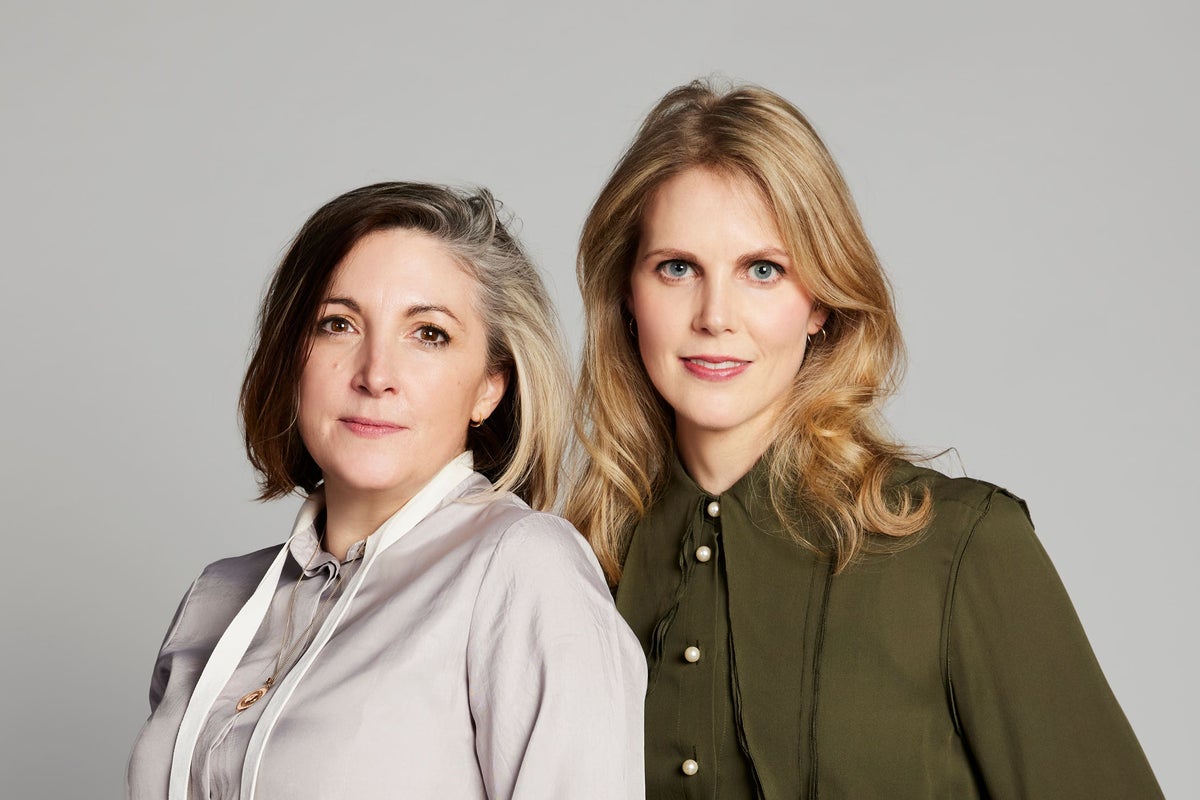
As Labour faces down the worst local election results by any party this century, readers earlier this week turned to former Downing Street insiders Helen MacNamara and Cleo Watson for an inside look at the political pressures facing Keir Starmer, No 10 and the wider Westminster establishment.
During our recent Ask Me Anything, the pair – hosts of The Independent’s politics podcast In The Room – answered questions on everything from Starmer’s leadership and Labour’s communication struggles to the rise of Reform and the Greens, as well as the culture of No 10 itself.
The discussion offered a revealing glimpse into how power operates at the top of government, with Helen explaining how civil servants react when they sense a prime minister is weakening, and Cleo describing the “fearful and dejected” atmosphere that can descend on Downing Street during political crises.
Readers also asked about Westminster’s drinking culture, the growing influence of social media on politics, and whether Parliament is equipped to deal with misinformation in the digital age.
On Labour, both warned the party faces deeper problems than messaging alone – with Cleo arguing the government entered office without a proper implementation plan, while Helen said ministers have struggled to build a compelling public case for their policies.
Other questions covered Nigel Farage’s ambitions, the future of Brexit, whether Labour could eventually move towards rejoining the EU, and what really determines whether a prime minister survives politically.
Here are some of your questions – and their answers from the exclusive Q&A.
Inside No 10 and Westminster culture
Q: What’s the most surprising thing about working in No 10?
Loz
Helen: Probably how scruffy it is. The State Rooms don’t really bear much close examination and away from those, behind the scenes, it’s like a three-star hotel that has slightly gone to seed…
Cleo: I think it is the insane amount of culture and history just sitting there. I remember being on the phone in the garden once and realising I was casually leaning against a Henry Moore sculpture.
There are really cool details like a piece of Moon rock gifted by the USA or a note wrapped around a stone from the 2010 Chilean miners reading: “We are all well in the refuge, the 33.” A British team were instrumental in the rescue and it is just another cool thing lying around that you generally don’t notice if you’re running around being busy and important…
Q: What do you miss about working in Downing Street – and what are you glad to avoid now?
Anonymous
Cleo: At this time of year, the Army band is practising for Trooping the Colour in Horse Guards. It gets quite annoying on its 50th listen, but it is a nice and quite bizarre backdrop to what is often a very fraught day.
In pretty much every other regard I don’t miss the job at all. Particularly when your boss is having a terrible time and the atmosphere is fearful and dejected. Specifically, I wouldn’t fancy being in charge of the WhatsApp message part of the Humble Address…
Helen: I don’t miss much and I really don’t wish myself back there. Having said that, it was a genuine privilege to work on the big problems and issues facing the country and try to make things better, so I am very glad I did it.
Plus, I met and worked with some amazing people who were dedicated public servants. And along the way there were a lot of laughs too.
And I still get to work with Cleo!
Q: Is there a problematic drinking culture in Westminster?
Anonymous
Cleo: In my old job, I saw the worst of this culture.
That said, being able to have a drink with colleagues – particularly when waiting around all evening – can be a great way to build relationships. While Parliament works the way it does – starting late and finishing late – other formats don’t really work for people.
To be clear, there is a lot of alcohol around. Some people have sensible rules for themselves about not drinking “on the job” – I did this and people genuinely didn’t care.
For people who tip towards problematic behaviour, they are often people who struggle with the culture of Parliament in general. Perhaps sensible hours would help with this.
Power, media and political survival
Q: What actually determines whether a PM survives politically?
Anonymous
Helen: It might sound odd but I think it essentially comes down to the PM’s character – what they’ve already got in the bank with people around them in terms of goodwill.
Mrs May lasted a lot longer than she might have because people didn’t dislike her that much and they didn’t have a better plan.
Before I saw it up close, I used to think politics and government was determined by external forces. Now I think it comes down to people much more and is far more random and luck-driven than you think.
Q: Do civil servants behave differently when they think a PM is weakening?
Robbie
Helen: Yes they do, in my experience – just like any other humans in a workplace dynamic.
For something that trades in power, the Civil Service is not very sophisticated in talking about it. If you think the PM is weak, and what you are being asked to do isn’t exactly in line with what you think your Secretary of State or department thinks is right, you are less likely to bust a gut to get it done.
I would imagine there is some watching and waiting going on right now.
That said, most civil servants work for their departmental boss and are most likely to respond to signals from them – so it depends whether Cabinet members are behaving as if the PM is weak.
Q: Do politicians care more about social media than newspaper front pages now?
Anonymous
Helen: I think we can see from the reactions to the Zack Polanski tweets last week how much of the debate is in those short synapse responses within the day.
I can’t imagine it being possible for politicians to only care about the next day’s headlines any more. It means less when fewer people are getting the paper literally in person. The front page had much more salience when it was carried around or left in the house all week.
It’s all very noisy and part of the issue is that even if politicians themselves are staying off social media, the people around them will be telling them about the reaction, so it’s hard to ignore.

.png)
Q: Is Parliament equipped to deal with fake news?
Anonymous
Helen: This is one of the things I worry about – not just fake news but how far we’ve got from people having access to reliable sources.
It’s worrying how much parliamentary answers are clipped for social media to create an inaccurate impression – using the appearance of truthfulness to do the opposite.
I think it’s even more important that MPs tell the truth and that the record is corrected. More power to the House of Commons Library to correct the record and hold the truth.
Labour, Starmer and the changing political landscape
Q: What happens internally if Labour performs badly in the local elections?
Anonymous
Cleo: Ultimately, there is going to be a weekend of waiting and seeing.
Then the possible contenders can decide whether to make a move. But nobody will want to go first and before you know it the moment can pass.
One thing worth thinking about is that if the results are as bad as predicted for Labour, the internal party machine is in trouble. Councillors are so important for winning elections because they do so much groundwork. Their level of rage – less likely to be briefed to the media – will be a red warning sign going off in No 10.
Q: Why does Labour struggle to communicate its successes?
Anonymous
Helen: Quite often “comms” is an excuse used when the ideas or policies are bad.
I think Labour has done some good things but they are stuck in an old mode of announcing things and moving on, when they should be building a case for their arguments.
I don’t think they pick the right things to emphasise. Investing in social housing is great – but where are the stories about homes being built?
They need simpler messages and to try to win some arguments.
Q: Is Labour still too shaped by the Blair era?
ChittieChat
Cleo: I think the real problem is that Labour did not come in with a proper plan.
You can have ideas – which is where I think the Blair gang made themselves useful while preparing for government – but you also need a Day 1, Day 10 etc plan to implement.
On the “special relationship”, we are definitely slow to spot where power is slipping. But crucially, we are sentimental. Shared language and history perhaps make us go heart over head when it comes to the economy.
Q: What do you make of claims around Labour Together and the “10 pledges”?
JeeJ
Cleo: We did an episode on Labour Together recently. It is a very interesting organisation.
In my experience of similar books focused on the Conservatives, a certain amount of salt pinching is needed.
People don’t pay attention to this stuff until they really want to, or until something changes the balance of public interest in a story.
Q: What decision can Starmer not afford to get wrong in the next six months?
Anonymous
Helen: Focus on the implications of the oil crisis – how to minimise the impact and how to take advantage.
It will further destroy people’s faith in government and democracy if they have to listen to a prime minister explain why everything is terrible next winter rather than seeing governments make smart choices in anticipation of the inevitable.
Q: Could Labour commit to rejoining the EU?
Anonymous
Helen: From where we are now, I wouldn’t be that surprised if they did.
Given the polling on the EU as things stand, it might be a good differentiator for them at the next election. They are going much nearer than I thought would be possible – dynamic alignment with the EU is a long way from the kind of Brexit Parliament voted for in 2019/20.
Four years ago I would have said impossible – now I think possible.
The opposition and the wider political picture
Q: Could the Greens become as big a problem for Labour as Reform?
Anonymous
Cleo: Yes, definitely. The strategy so far has obviously focused on heading off Reform, but the Greens are coming, and the problem for the PM is that lots of his own MPs will agree with a fair amount of what they have to say.
We talked a bit on the pod this week about Trump and Mamdani in New York. Very different ends of the spectrum but – perhaps a metaphor for Labour – they ended up getting on quite well when they met in the White House!
Q: Could Kemi Badenoch or Nigel Farage realistically become PM?
Anonymous
Cleo: Unless something weird happens, I don’t see a return to government for the Conservatives for quite some time.
Kemi Badenoch seems to be hitting her stride, but I think the Tories are dreaming if they think she has a realistic shot at becoming PM.
By all accounts Nigel Farage is thinking more seriously about a plan for governing than the current Labour government did before getting into office, but if character is destiny we only need to look at how his team regularly bust up with each other.
All in all, I don’t foresee “strong and stable leadership” just yet…
These questions and answers were part of an ‘Ask Me Anything’ hosted by Helen MacNamara and Cleo Watson on Wednesday 6 May. Some of the questions and answers have been edited for this article. You can read the full discussion in the original article.