




A medical cannabis oil capsule can significantly reduce agitation in older dementia sufferers, according to a first-of-its-kind study that offers a potential new treatment for one of the condition’s most challenging symptoms.
Researchers have found that two active ingredients found in marijuana, purified tetrahydrocannabinol (THC) and cannabidiol (CBD), have helped dementia patients suffering from agitation in later life.
The study, known as the LiBBY trial (Life’s end Benefits of cannaBidiol and tetrahYdrocannabinol), found nearly 90 per cent of the 120 participants with Alzheimer’s disease or other types of dementia showed overall improvement after 12 weeks.
The findings were part of a groundbreaking clinical trial and were presented at the Alzheimer’s Association International Conference by Jacobo Mintzer, Doctor of Medicine at the University of South Carolina and Brigid Reynolds, Clinic Coordinator and Clinical Nurse Practitioner at Georgetown University.
Dr Mintzer said: “These trial results were extremely impressive and showed a level of response not seen before in clinical trials related to dementia. Rarely do we see close to 90 per cent of patients in a trial respond positively to a new medication.”
Medications such as morphine, Valium and Haldol have been found to have limited effectiveness in treating dementia-related agitation and can cause side effects.
Ten medical centres nationwide conducted the LiBBY study visits at participants’ homes.
The participants, who were either in hospices or eligible for hospice care, were randomly assigned to receive either the oral combination of THC and CBD in a rapid-acting digestible oil suspension or a placebo.
Reynolds said: “Agitation affects many people with late-stage dementia causing symptoms such as restlessness, aggression and emotional distress that can profoundly impact patients and their caregivers.”

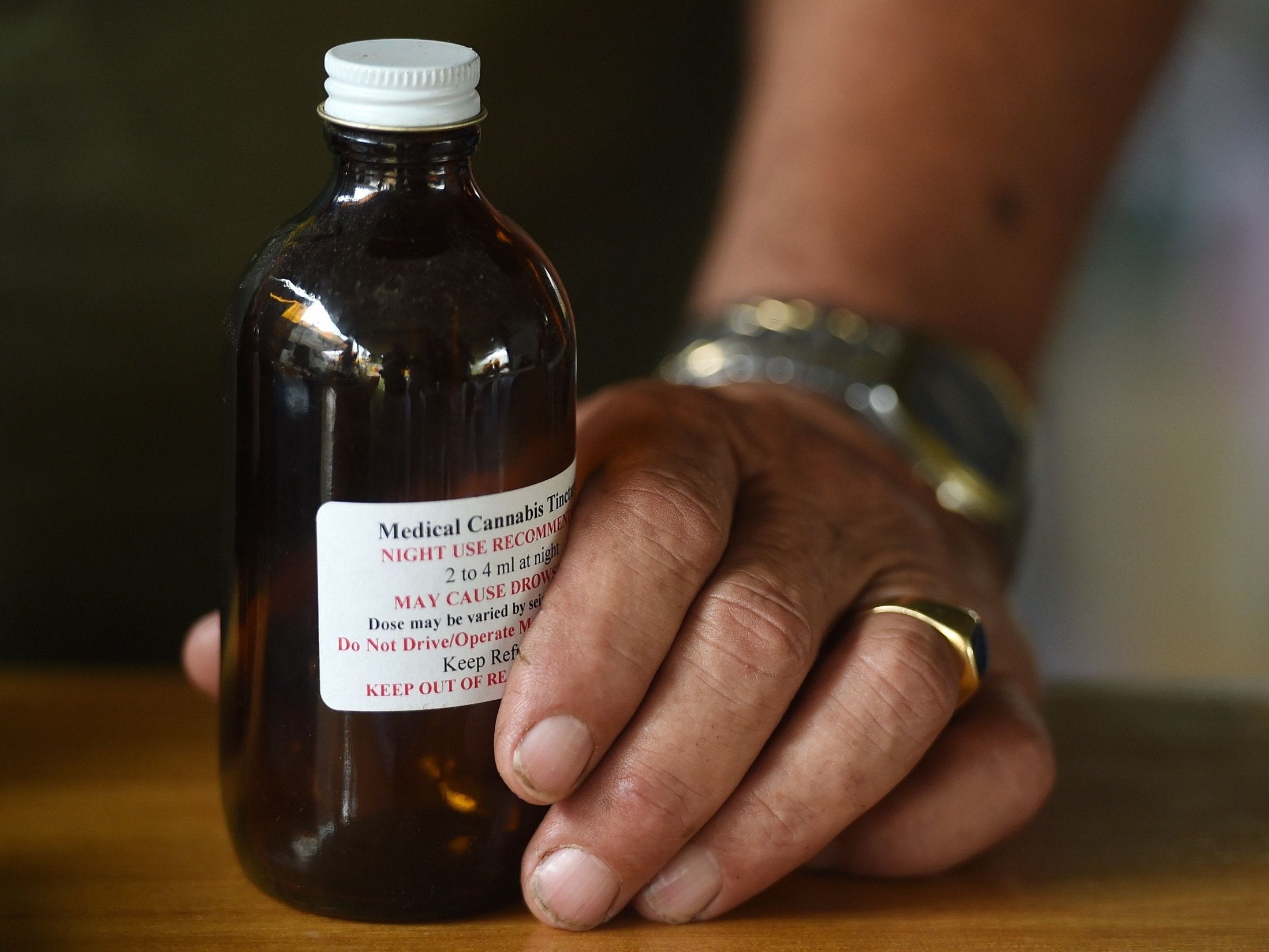
Laura’s mother, who took part in the LiBBY trial, said that taking part in the study gave her hope that new treatment options may one day improve quality of life for families living with dementia.
Laura noticed meaningful changes during her visits to her mother despite not knowing whether she was given the medication or a placebo.
She said: “We experienced joy. There were still moments of connection.”
The agitation was rated on a 7-point scale from never to several times per hour by the caregivers who were also responsible for giving the medication.
After two weeks, there was a 6.27-point reduction in the mean agitation scores for people who took the medication, compared to a sustained reduction in agitation in the placebo group after 12 weeks.
However, despite the impressive results, researchers have warned that the treatment in the trial differs significantly from commercially available THC and CBD products.
Reynolds said: “The medication used in this research was carefully formulated, manufactured, and administered under close medical supervision. Over-the-counter or commercially available THC and CBD products may vary widely in their composition, quality, and dosing, making them potentially ineffective or even harmful.”
The study has not yet been peer reviewed or published.