

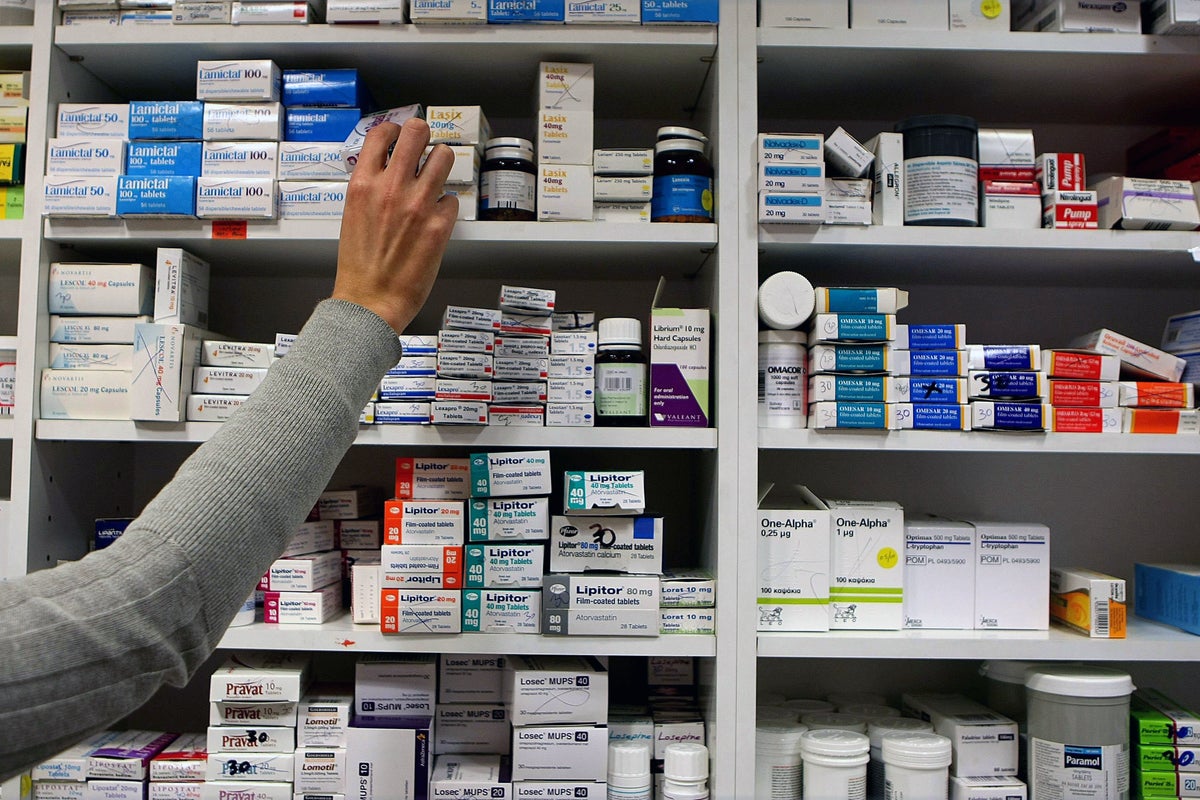
The NHS faces drug shortages within weeks if the US and Iran do not strike a deal to end the conflict in the Middle East, drug makers have warned.
Paracetamol, antibiotics, stroke prevention medicines and even some cancer drugs, which represent 85 per cent of all NHS prescriptions, may be in short supply as early as June, according to Medicines UK.
The company told The Telegraph it was “increasingly concerned that some chemicals and solvents used to manufacture active pharmaceutical ingredients are now in very short supply”.
Medicines that contain paracetamol and aspirin are thought to be the most at risk because they are manufactured using by-products from the petrochemical industry, which has been affected by Tehran’s blockade of the Strait of Hormuz.
The shortages may make it harder to fulfil patients’ prescriptions or make it more expensive for health services to source the medicines, the regulator warned.

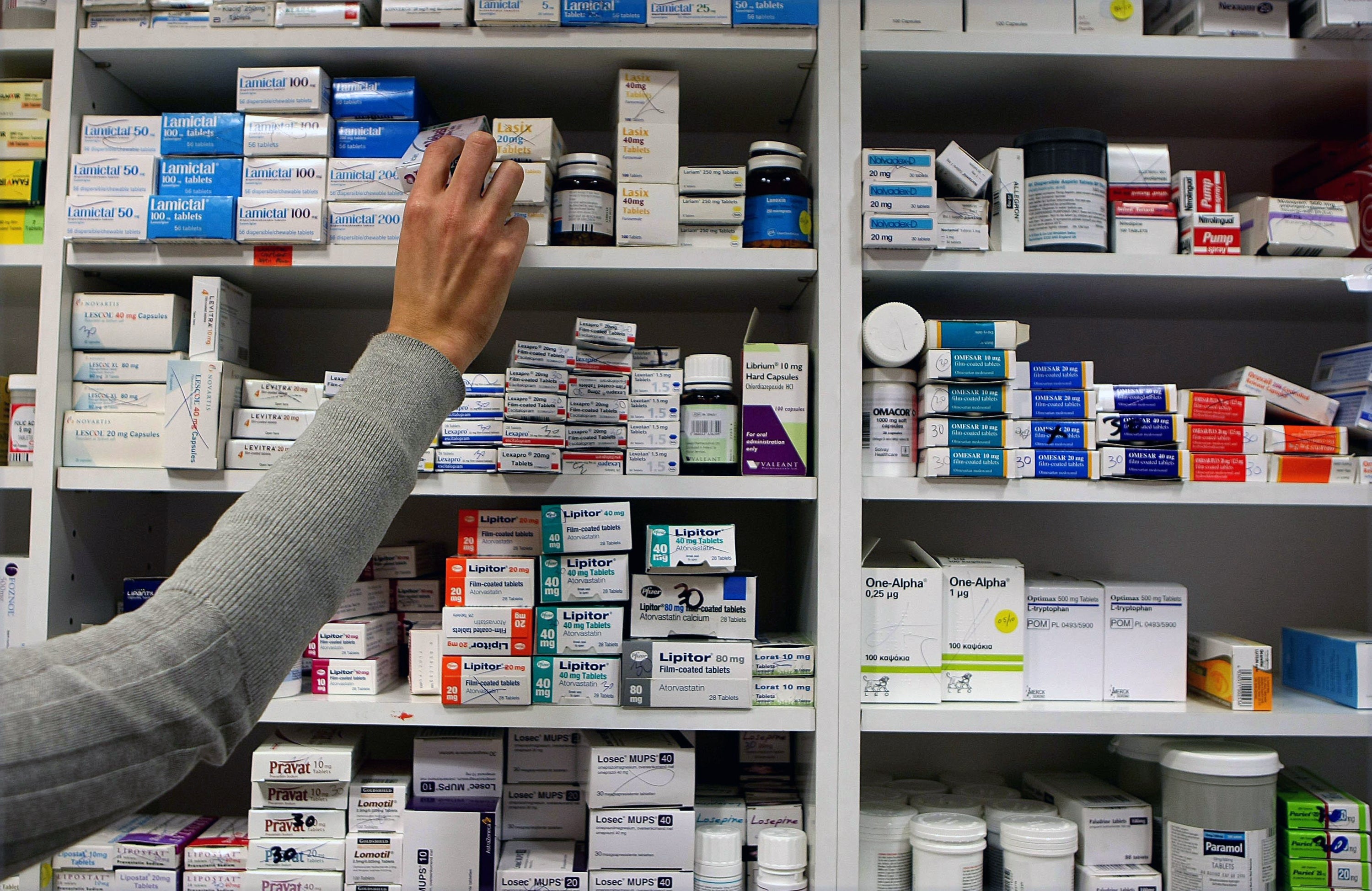
Medicines UK explained that it has only received about a quarter of its usual volumes of drugs due to the war.
Richard Sullivan, professor of cancer and global health at King’s College London, warned there was a shortage of cancer drugs. He told The British Medical Journal that “disruption in supply chains for cancer drugs and consumables for robotic surgery, which uses up an awful lot of equipment every time you operate on somebody”.
Dr Leyla Hannbeck, CEO of the Independent Pharmacies Association, explained that a significant proportion of pharmaceuticals rely on petroleum-derived inputs, which are used in many common medicines, from antibiotics to pain relief and chronic disease treatments.
“Disruption to the flow of crude oil and petrochemicals does therefore put constraints on the availability and cost of these critical pharmaceutical ingredients,” she told The Independent.
She added: “We are very worried about the impact of the closure of the Strait of Hormuz on medicines supply in the UK.
“Nearly a month ago, we wrote to the secretary of health and social care, warning him about these challenges and asked him to add medicines supply to the national register risk.”

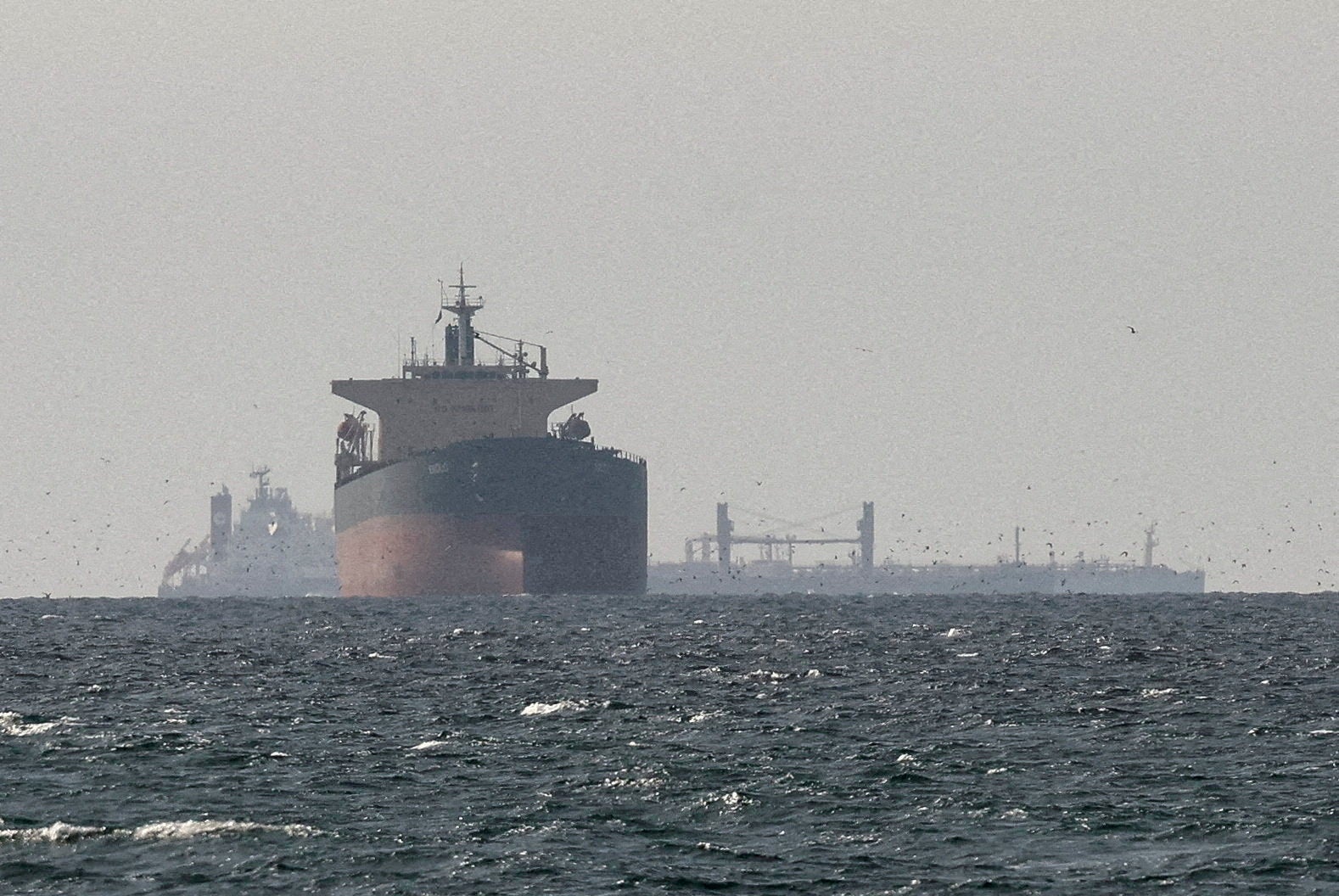
In a letter to Wes Streeting, Dr Hannbeck voiced her concerns over the supply of essential medicines that “millions rely on daily”, such as blood pressure medicines.
Following the letter, the government has said it was working to boost Britain’s domestic medicine manufacturing industry and reassured the majority of medicines are in good supply.
A Department of Health and Social Care spokesperson said: “We are monitoring the situation closely and there is currently very limited disruption to medical product supply from the conflict in the Middle East.
“We have robust measures in place to manage disruption across the health and social care sector to protect patients, including holding buffer stocks and the procurement of alternative products where necessary.
“The vast majority of the UK’s licensed medicines are in good supply, and we will continue working closely with industry partners to help ensure the continued supply of medical products.”