




The military conflict in Iran has cost U.S. households an estimated $100 billion overall, driven primarily by a sharp increase in energy costs following the closure of the Strait of Hormuz, a new study from Moody’s Analytics found.
The analysis indicates that the financial burden translates to roughly $750 per household since the conflict began in February. The military action, initiated by President Donald Trump without congressional approval, has led to a 35 percent surge in oil prices.
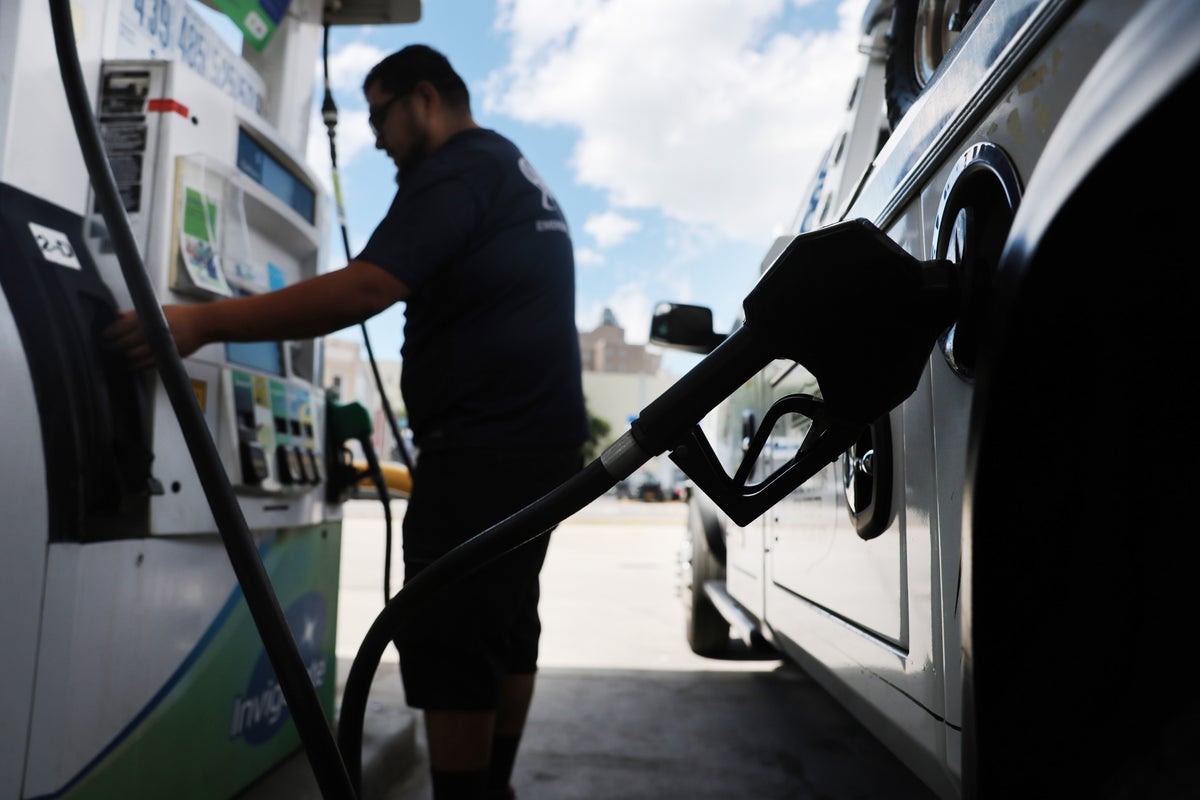
According to data from AAA, the national average price for regular gasoline sits at $4.29 per gallon, though prices remain elevated after previously climbing above $4.50. Costs continue to top $5 in six states following the disruption of shipping lanes in the region.
Although the White House has dismissed concerns regarding the economic impact, public polling suggests the financial pressure is affecting domestic budgets.
Trump has downplayed the inflation concerns, calling the price hikes “peanuts” in comparison to the threat of a nuclear-armed Iran.
However, a May survey conducted by Public First for Politico found that 53 percent of Americans say the cost of living is the worst they can remember, an increase from the 46 percent recorded in November.
The economic effects were highlighted by Mark Zandi, the chief economist at Moody’s Analytics. In a statement posted to X, Zandi described the conflict in Iran as a “big economic blow” for Americans.
Zandi stated that domestic tax cuts had initially offset the higher costs, but that is no longer the case.
“As of May 16, the bigger tax refunds Americans have received this year no longer cover the higher costs of gasoline, diesel, and jet fuel caused by the war,” Zandi wrote. “The financial pressure is thus mounting quickly, particularly on already hard-pressed middle and lower-income households.”
Data from the Bureau of Economic Analysis showed that the personal savings rate fell to 2.6 percent in April, down from 5.8 percent a year earlier, indicating that households are setting aside less money as daily expenses rise.
Economists have expressed concern regarding the longevity of this trend if energy prices fail to stabilize. Zandi warned that low savings rates leave families with fewer options to absorb ongoing costs, which could affect broader economic growth.
“With the saving rate about as low as it ever goes, unless the war ends soon and energy prices come down, they will have little choice but to rein in their spending, weighing further on the already sagging economy,” Zandi wrote.
The Independent has contacted the White House for comment.

