

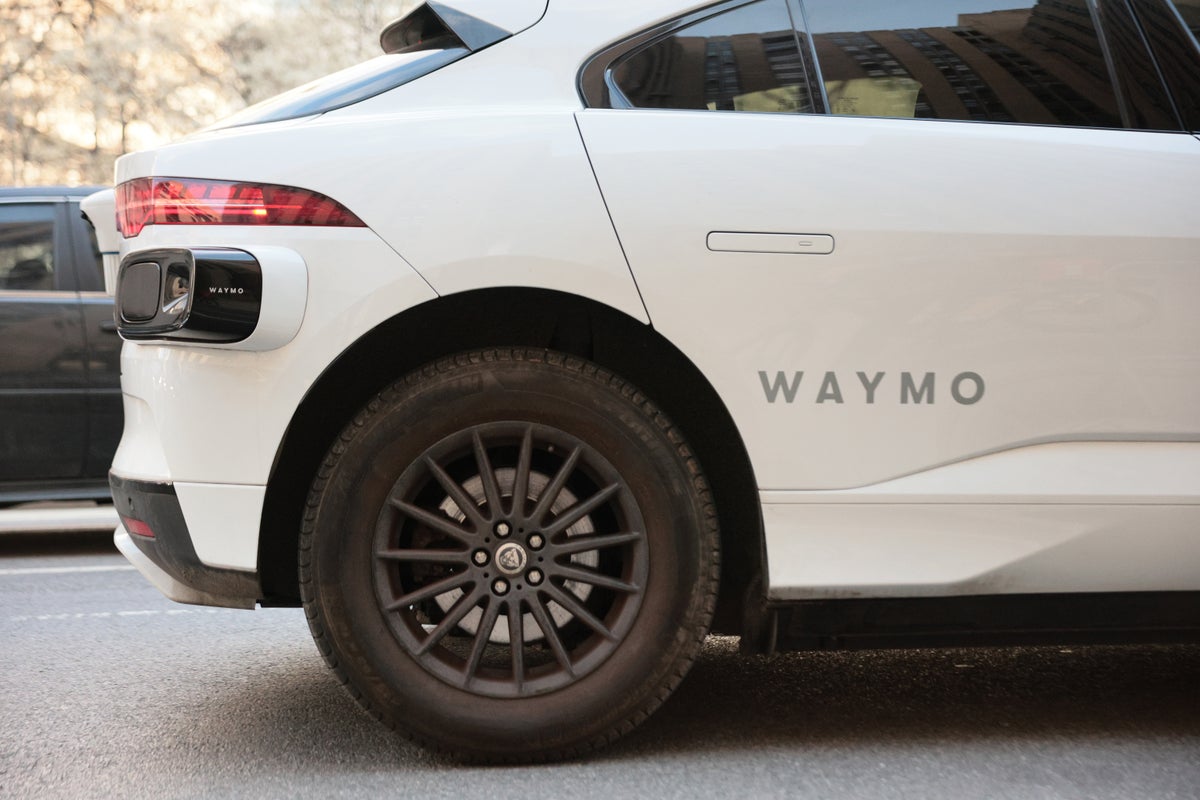
California police will soon be able to ticket driverless cars, like Waymo robotaxis, under new rules approved this week, finally giving officers a way to address traffic violations even when there’s no human behind the wheel.
Starting July 1, officers can issue a notice of “noncompliance” when a driverless vehicle breaks traffic laws, the state Department of Motor Vehicles said. The policy, tied to a 2024 law expanding oversight of autonomous vehicles, also requires companies to ensure their vehicles move out of the way during emergencies.
“When a notice is issued, D.M.V. will investigate the matter and determine what remediation, if any, is required,” the agency said in a statement. “If the manufacturer is unable to remediate the issue, the Department may restrict, suspend, or revoke the manufacturer’s operating permit.”
While some other states, like Arizona, already allow police to ticket autonomous vehicles, California officials say their new rules are the most comprehensive in the country.
“California continues to lead the nation in the development and adoption of A.V. technology, and these updated regulations further demonstrate the state’s commitment to public safety,” DMV Director Steve Gordon said in a statement. “These updates support the growth of the A.V. industry by enhancing public safety and transparency while adding additional accountability for A.V. manufacturers.”
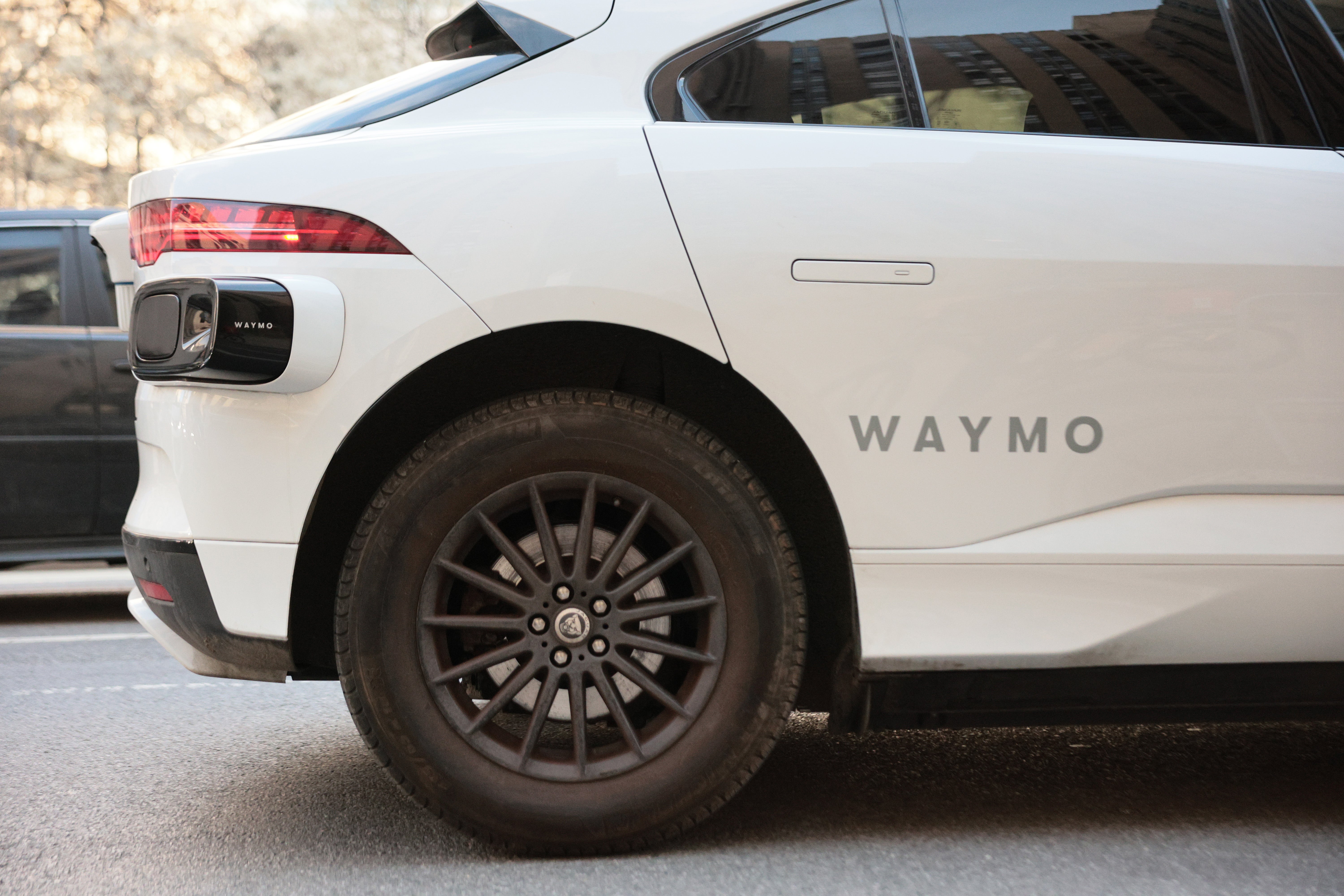
The new rules bring a clearer structure to what was previously a legal gray area for autonomous vehicles. Just last year, police in California pulled over a Waymo for making an illegal U-turn, but couldn’t write a ticket as there was no human driver present, the New York Times reports.
California has become one of the biggest hubs for self-driving technology, with Waymo leading the way. The company, which began as Google’s self-driving car project and is now part the tech giant’s parent company, Alphabet, operates robotaxis across the San Francisco Bay Area and in many cities throughout Los Angeles County.
As they’ve become more common across the country, more incidents involving driverless taxis have occured.
In Atlanta, there were reports of Waymo taxi failing to stop for school bus, while a child was struck by a vehicle in Santa Monica.
Robotaxis also blocked intersections during a San Francisco power outage and, in March, delayed an ambulance responding to a mass shooting in Austin.
The company says its vehicles are built to follow traffic laws, pull over for sirens, and get safer over time as they learn from real-world driving.
A Waymo spokesman told the NYT that the company was reviewing the new rules but declined to comment further.
The Independent has also contacted Waymo for comment.