



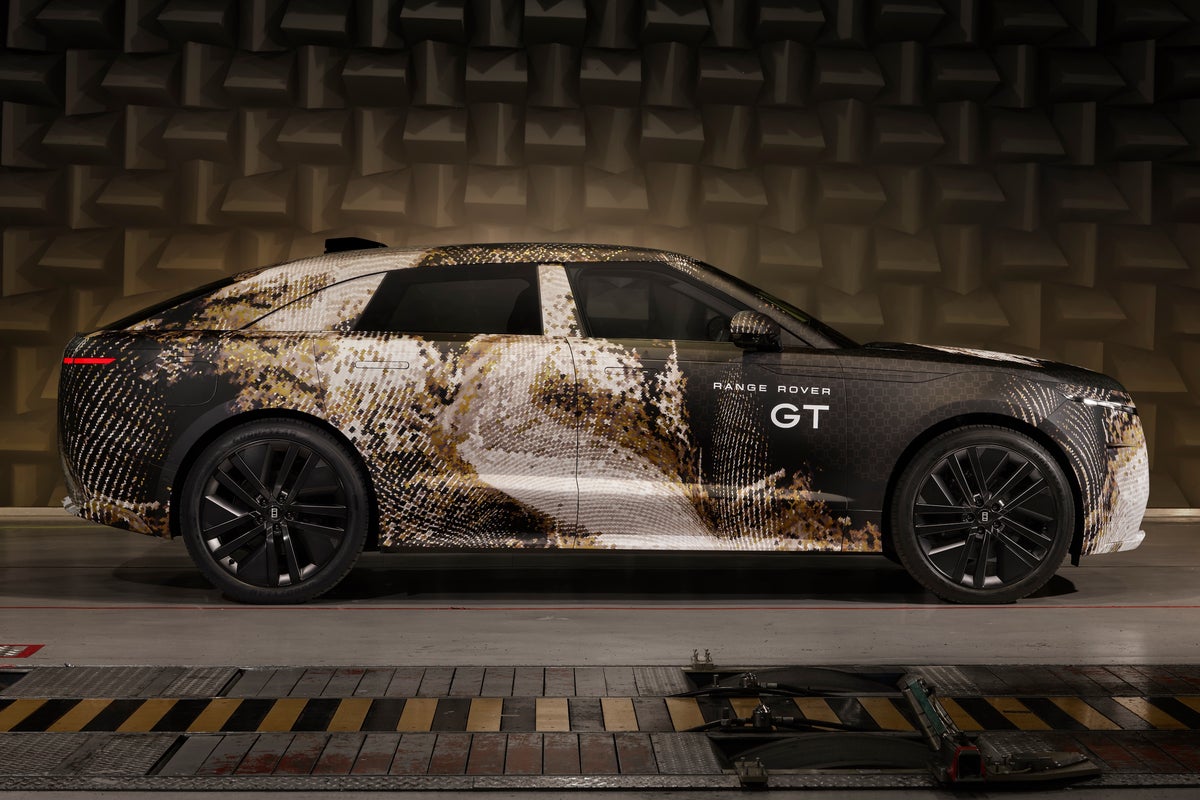
Range Rover is about to do something it has never done before – launch a low, sleek, electric grand tourer. It’s called the Range Rover GT, it will be built in Halewood on Merseyside and I’ve already had a secret preview of it.
Even beneath some eye-catching camouflage, the GT looks unlike any Range Rover before it. It sits lower and wider, with a more streamlined shape, coupé-like proportions and a strong shoulder line running along its sides. There’s no doubt that when the camouflage comes off it’ll be a stunning car.
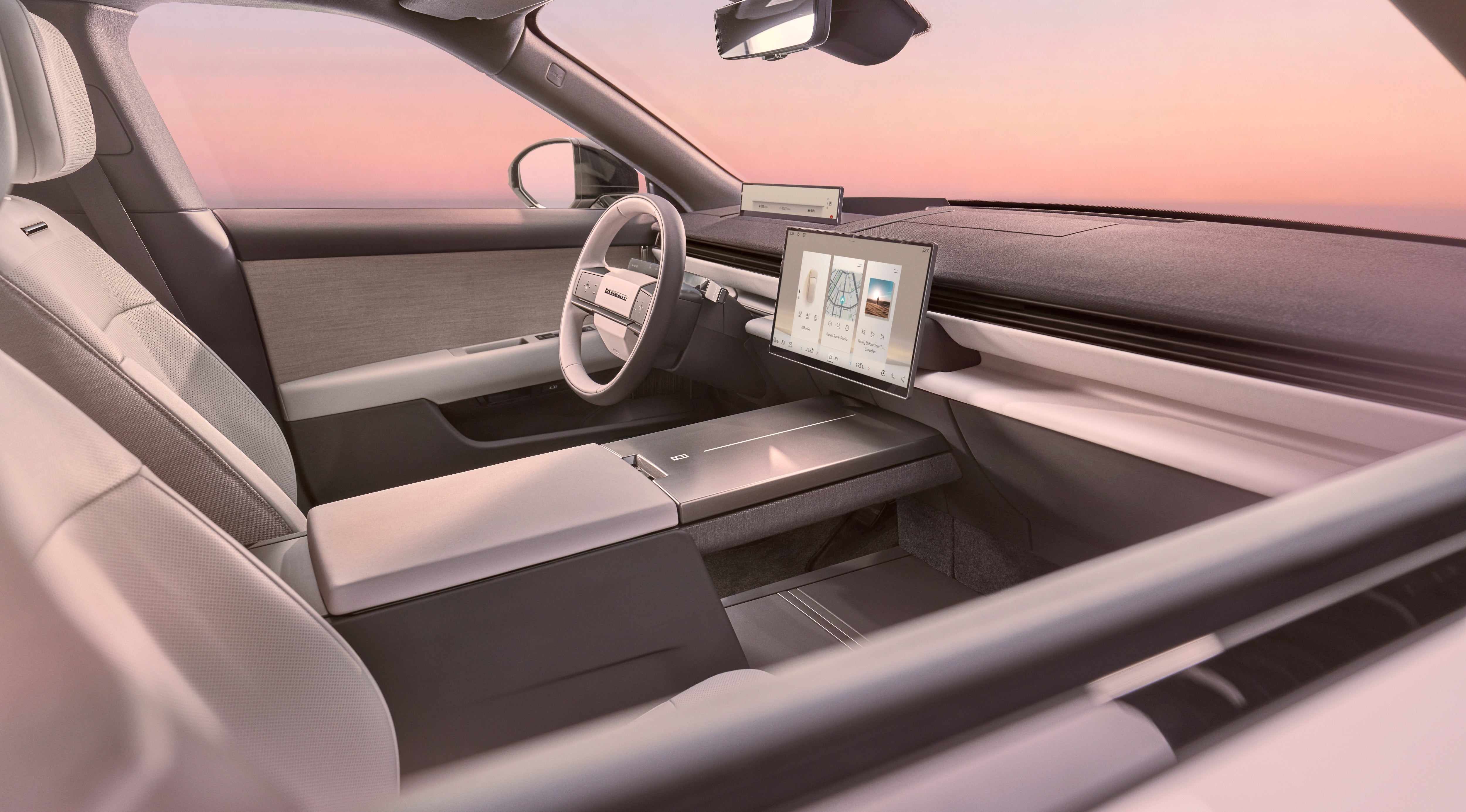
I’ve also had an early look around the car’s interior – and the good news is that it’s every bit as fresh as the exterior. It gets a calm, minimalist design, cleverly hidden technology, an enormous panoramic glass roof and more space in the back than its sleek profile might suggest.

The GT also introduces a new Electric Modular Architecture (EMA) platform and, as it’s set to be built at Halewood alongside the Range Rover Evoque and Land Rover Discovery Sport, gives us an intriguing look into the electric future of those established models. The GT will arrive first as a fully electric car, although Range Rover has confirmed that the platform will accept engines and that a fully hybrid GT model is also on the cards.
The new GT becomes the fifth member of the Range Rover family, joining the Range Rover, Range Rover Sport, Range Rover Velar and Range Rover Evoque. Martin Limpert, managing director of Range Rover, calls it “the most captivating expression of our brand” – and from what I’ve seen so far, it is certainly the biggest departure Range Rover has made for some time.
For now, Range Rover is revealing just the GT name and giving us our first proper look inside. The finished exterior and full technical details will follow later, but there is already plenty to get excited about.
Prototype GTs are already completing their testing around the world, wearing a special gold and black camouflage wrap created by Range Rover’s in-house design team. The pattern takes its inspiration from the landscape around Gaydon, Warwickshire, where the company’s creative and engineering teams are based. Local topographic contours have been turned into a flowing design intended to suggest long journeys, while its digital appearance points to the technology underneath.
The interior provides a much clearer idea of what Range Rover is aiming for. It is a very horizontal design, shaped around what the company calls “reductive modernism”.
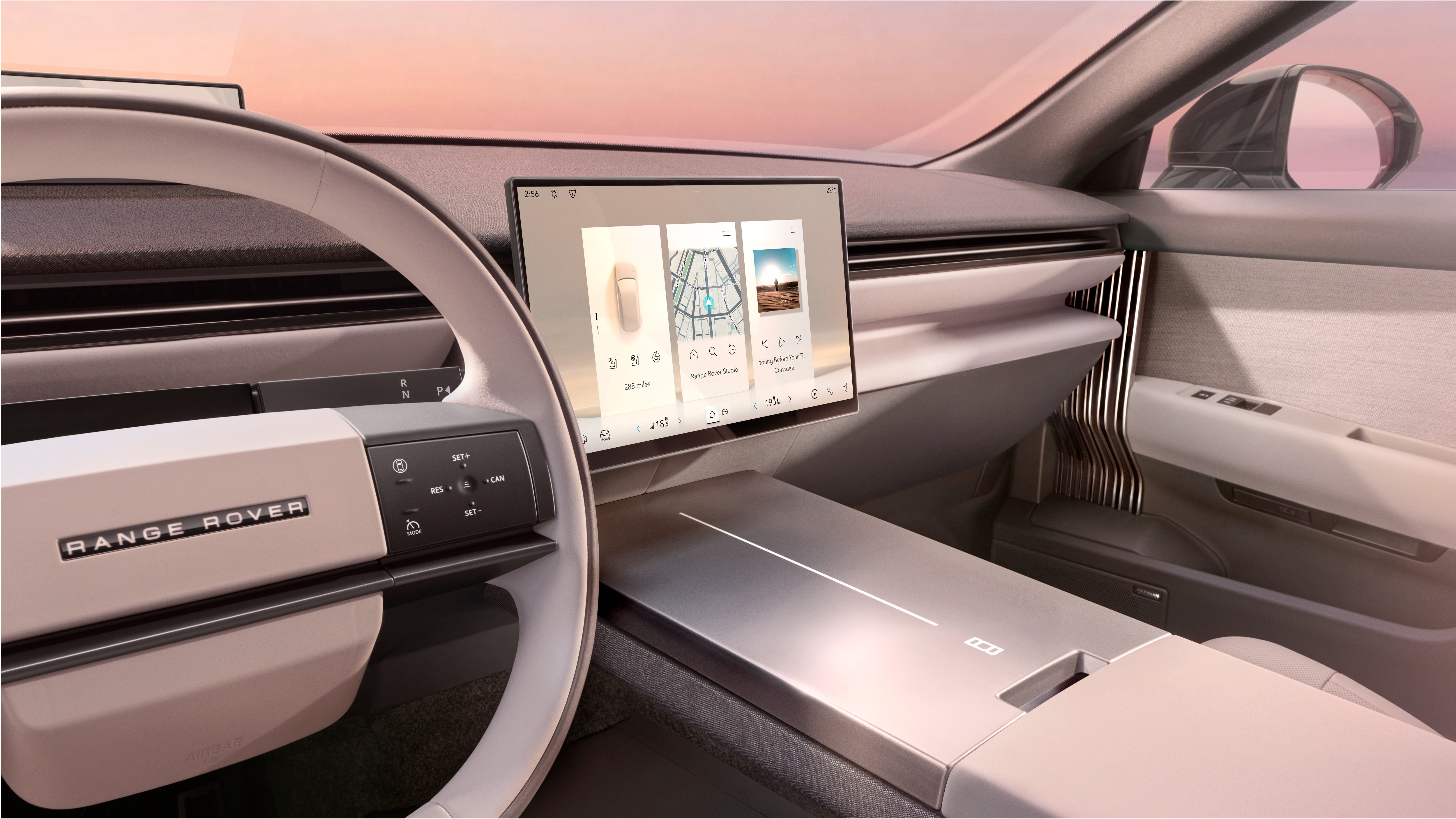
In casual terms, it’s a “less is more” philosophy. There are high-quality OLED displays but no conventional buttons, while much of the technology has been hidden within the cabin rather than put proudly on show.
“We’re creating sanctuary, it’s not about screens anywhere”, Ryan Miller, Range Rover product marketing director, told me when we sat down to discuss the new car.

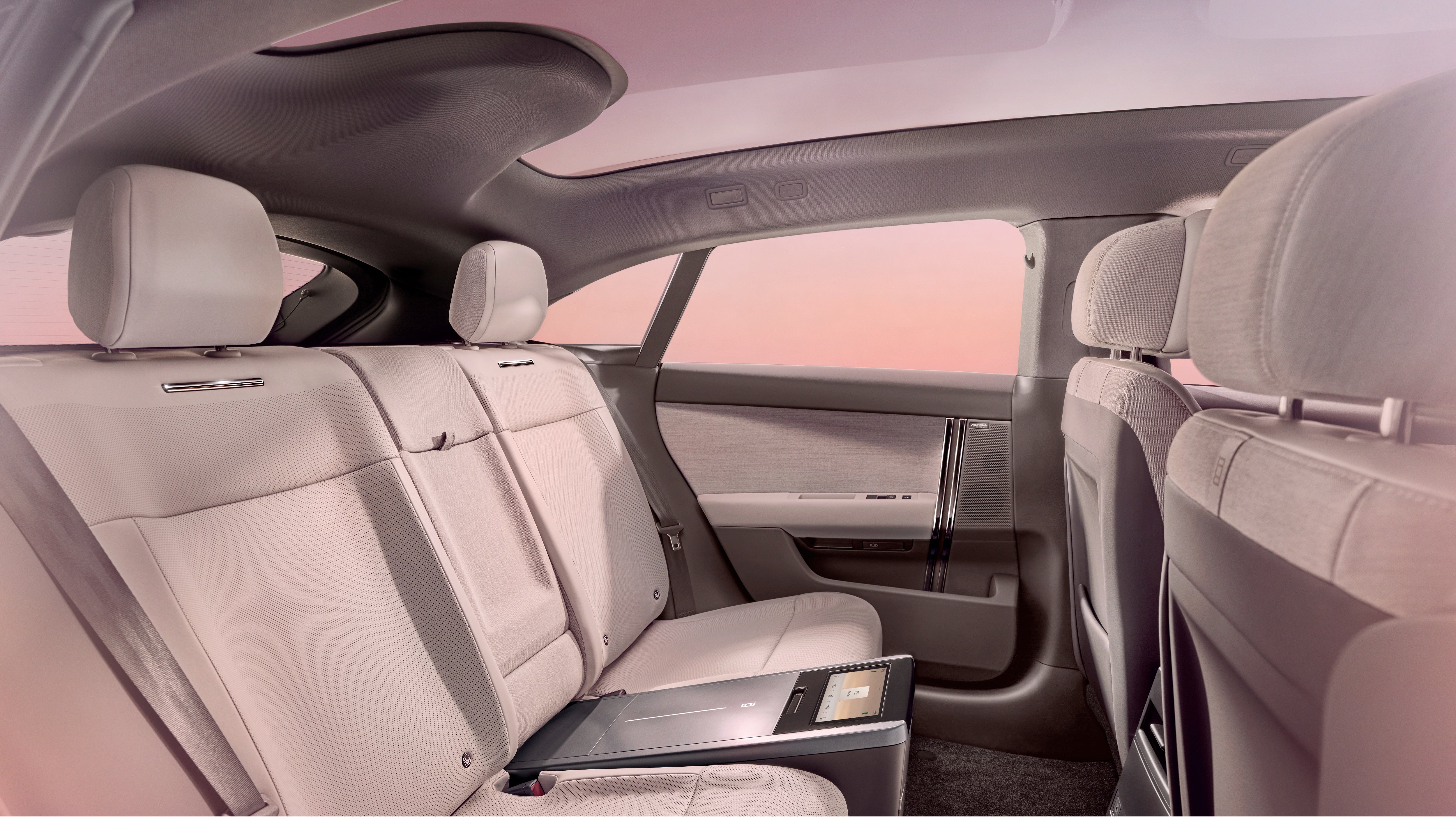
A horizontal bar runs across the full width of the dashboard, giving the cabin a clean, architectural appearance. The air vents are built into that bar rather than sat separately on the dash, with the direction and strength of the airflow adjusted using the central touchscreen.
A woven material wraps around the dashboard in one continuous sweep. It also hides the speakers within its surface, helping to cut down the amount of visible hardware.
There is still a large central display, but it has been made to feel like part of the overall design, rather than something stuck onto the dashboard. A small lip along its lower edge gives you somewhere to rest your thumb while using it – a nice nod to usability and an acknowledgement that touching a screen in a moving car is not always as simple as it sounds.
“We’re focusing on a smooth and easy customer journey,” said Miller. “We’re focusing on one-touch access on screen and natural voice control.”

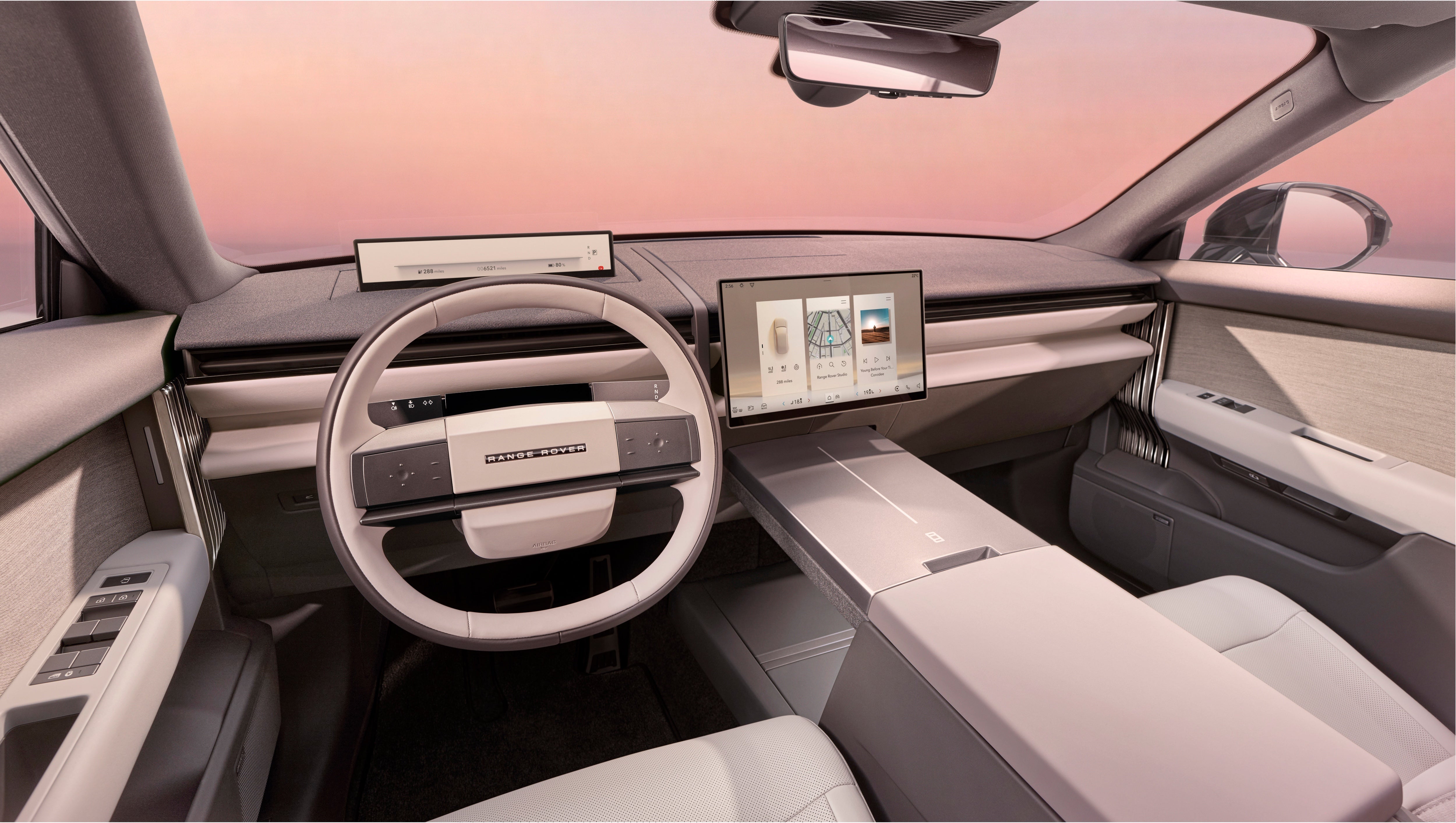
That means Range Rover wants commonly used functions to be available with just one prod of the screen, while a more capable voice-control system should allow drivers to adjust a wider range of settings by speaking naturally.
As well as the large central touchscreen, there is a long, slim driver display sitting on top of the dashboard. It has been positioned so that it can be seen above the slightly oval-shaped steering wheel, taking the place of a traditional instrument panel.
The steering wheel also has “hidden until lit” buttons. These remain out of sight until they are needed, helping towards that reductionist look. The gear selector has moved to a stalk on the right-hand side of the steering wheel; removing it from the space between the seats makes the centre console even more minimalist.
A panel on the centre console is expected to slide open to reveal wireless phone charging and cup holders. When those features are not being used, they can be covered to maintain the uncluttered appearance. That panel carries a new double-R Range Rover motif, with one letter R inverted above the other. Expect to see the design dotted around the GT and appearing on other new or revised Range Rover models in the future.

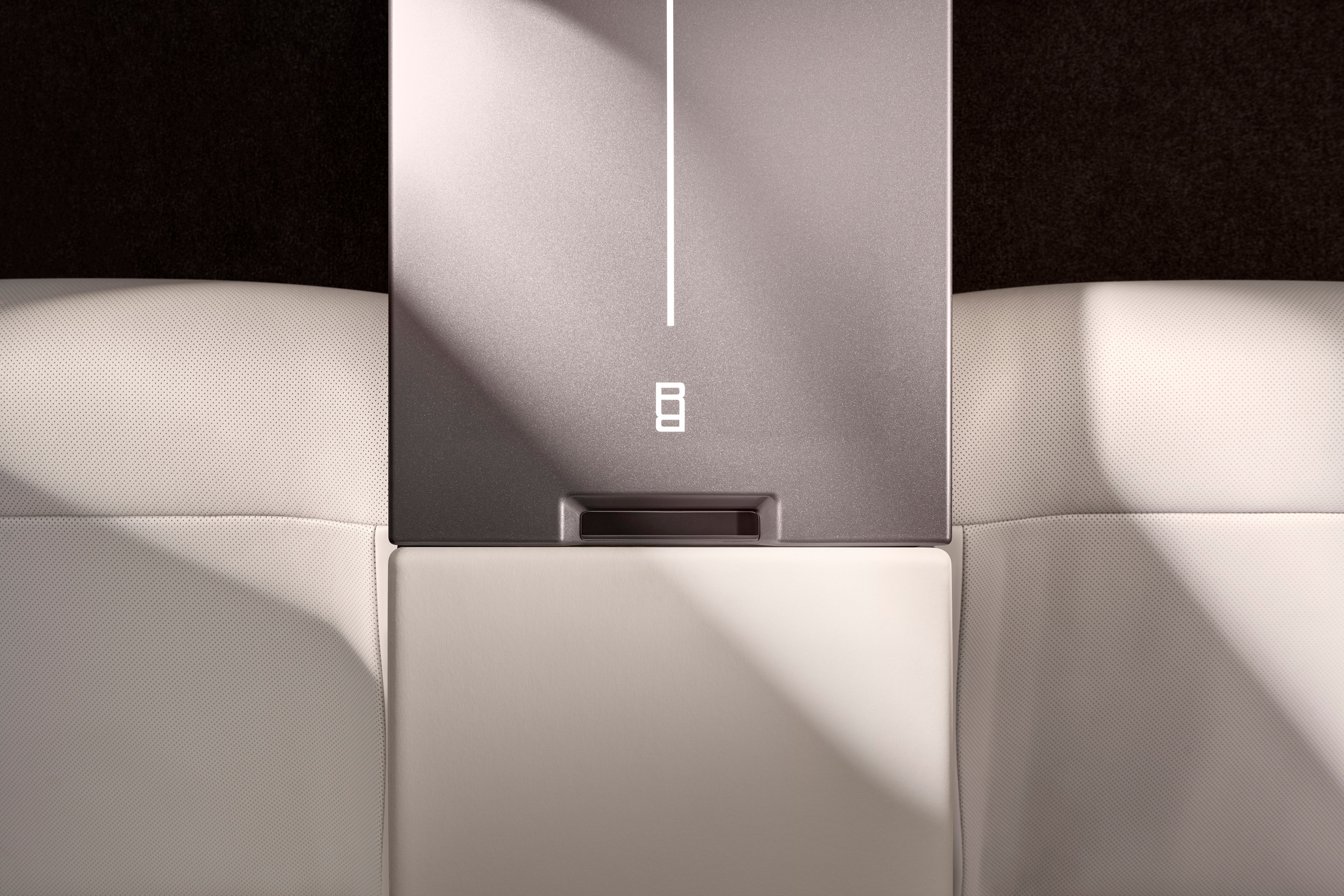
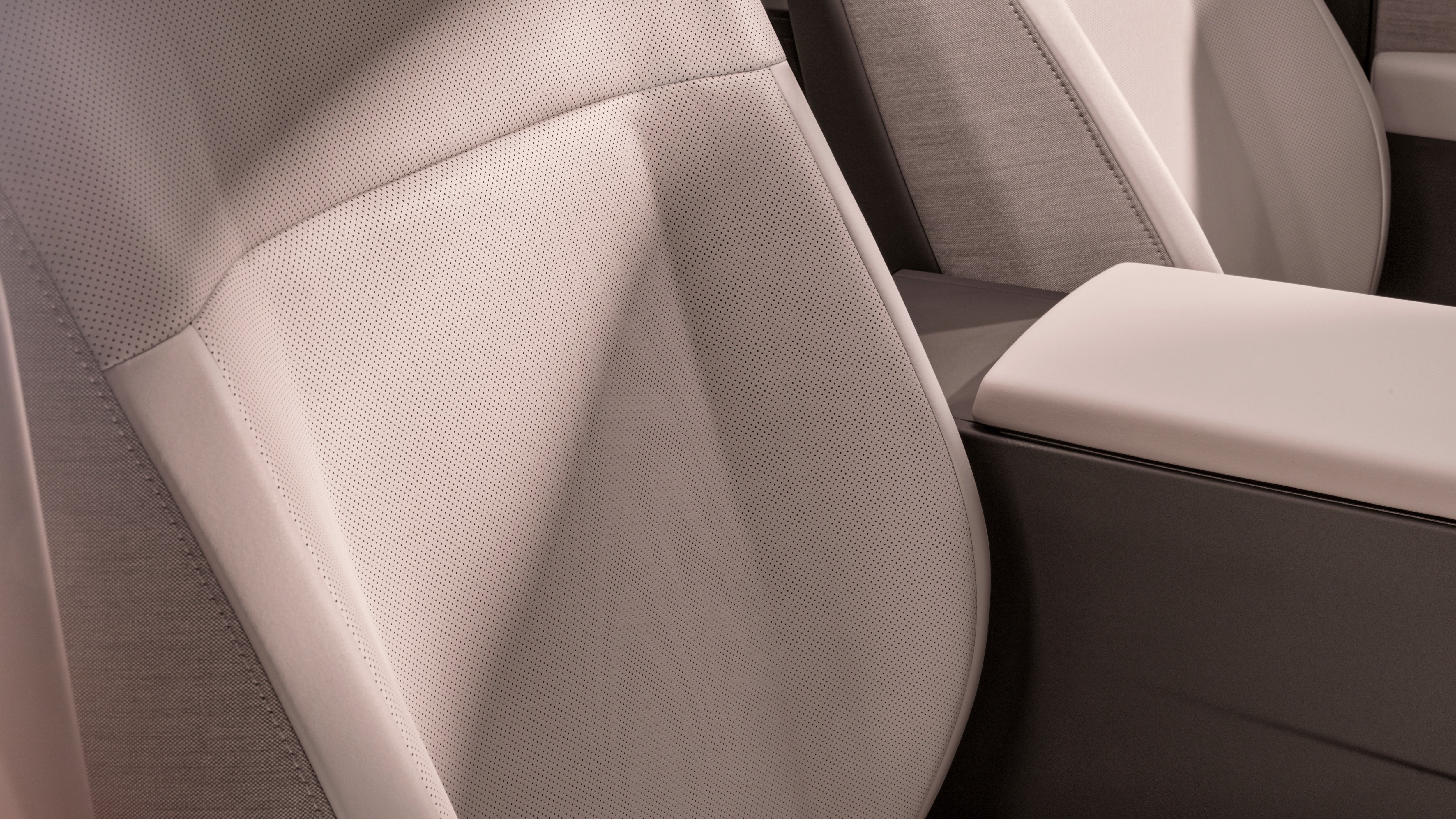
Even the seats follow the reductionist design philosophy, with simpler forms and fewer fussy details. However, Range Rover says they will still provide the comfort expected of a grand tourer built to cover long distances.
The interior shown in the first pictures is a 2+2 arrangement, with two individual seats in the back. A more practical three-seat rear bench will also be offered, so buyers will not be limited to carrying four people.
Range Rover is promising class-leading second-row legroom, while the GT has the largest-ever panoramic sunroof fitted to a Range Rover. As well as bringing more light into the cabin, the glass roof creates extra headroom and helps make the car’s sleek, low roofline possible without leaving rear passengers feeling squeezed.
The company says the finished car will remain true to the four pillars of Range Rover DNA: “Peerless design; Exceptional refinement; Breadth of capability and Best seat in the house”.

Range Rover is also putting each of its five models into a carefully defined place within the family. The GT is “the most captivating expression of our brand,” it says, and is expected to sit between the Range Rover Velar and Range Rover Sport. The Velar is “the most sophisticated expression of the brand”, while the Sport is “the most dynamic expression of the brand”.
The Evoque is “the most charismatic expression of the brand”, with the flagship Range Rover described as “the purest expression of the brand”.
All that hints at the Range Rover Sport and Velar being repositioned slightly to create enough space for the GT. The Sport could put an even greater focus on being the dynamic choice, while the Velar may become more design led.
Range Rover wants the GT to bring something different by mixing sleek proportions and a more car-like driving experience to the SUV brand, while still delivering the comfort and go-anywhere ability associated with the name. “The Range Rover GT will redefine the grand-touring segment with the ability to deliver beautiful and engaging GT poise, proportions and long-distance refinement while offering capabilities no conventional GT can match,” said Martin Limpert.
“We have spent the last few years working obsessively on the fundamentals of the GT formula, reinterpreted in a sophisticated, uniquely Range Rover way. The result is the most car-like, yet unmistakably capable, Range Rover ever created, now possible on our electrified EMA architecture – complementing our existing powertrain portfolio to deliver a complete set of options for every customer need. Its blend of effortless EV performance, first-class long-haul refinement and all-terrain capability is pure Range Rover; while its calming interior previews our vision of a modern grand tourer.”

The GT is another part of Range Rover’s wider push around “modern luxury”. The company has been named among the Top 100 Luxury Brands in the World and wants its cars to be considered alongside high-end names from well beyond the motor industry. There are plans for 12 new ‘commissioning suites’ around the world, taking the total to 25 globally.
Pricing, battery capacity, electric range, charging speeds and performance remain secret for now, as does the finished exterior. Those details will come later this year.
What we already know is that this is not simply another Range Rover in a slightly different size. The GT introduces a new platform, a striking new shape and a fresh interior style, while also offering our clearest preview yet of where the rest of the Range Rover family could go next.