

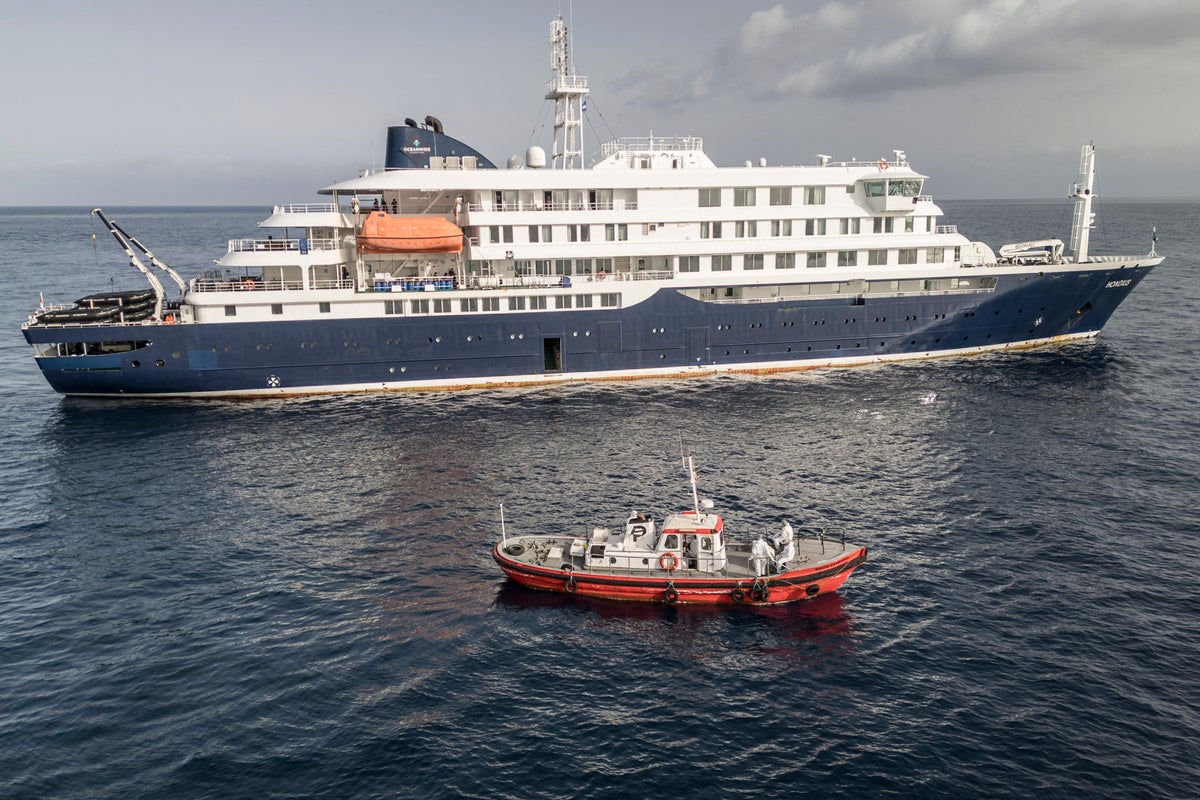
At least two New Jersey residents were potentially exposed to a person infected with hantavirus after leaving the MV Hondius cruise ship at the center of an outbreak that global health authorities are closely monitoring.
At least three people have died in the outbreak, and at least eight confirmed and suspected cases are linked to the cruise, according to the World Health Organization.
Two people in New Jersey are being monitored by health authorities and are not presenting any symptoms, according to the state’s health department. The residents were not passengers on the ship, and the potential exposure occurred during air travel abroad, according to Governor Mikie Sherrill.
“Risk to the public remains very low” and there are no confirmed cases in the state, she said Friday.
The state joins at least five others — Arizona, California, Georgia, Texas and Virginia — where officials are monitoring passengers who have disembarked and returned home. None of those patients have shown symptoms or tested positive for hantavirus, authorities said.

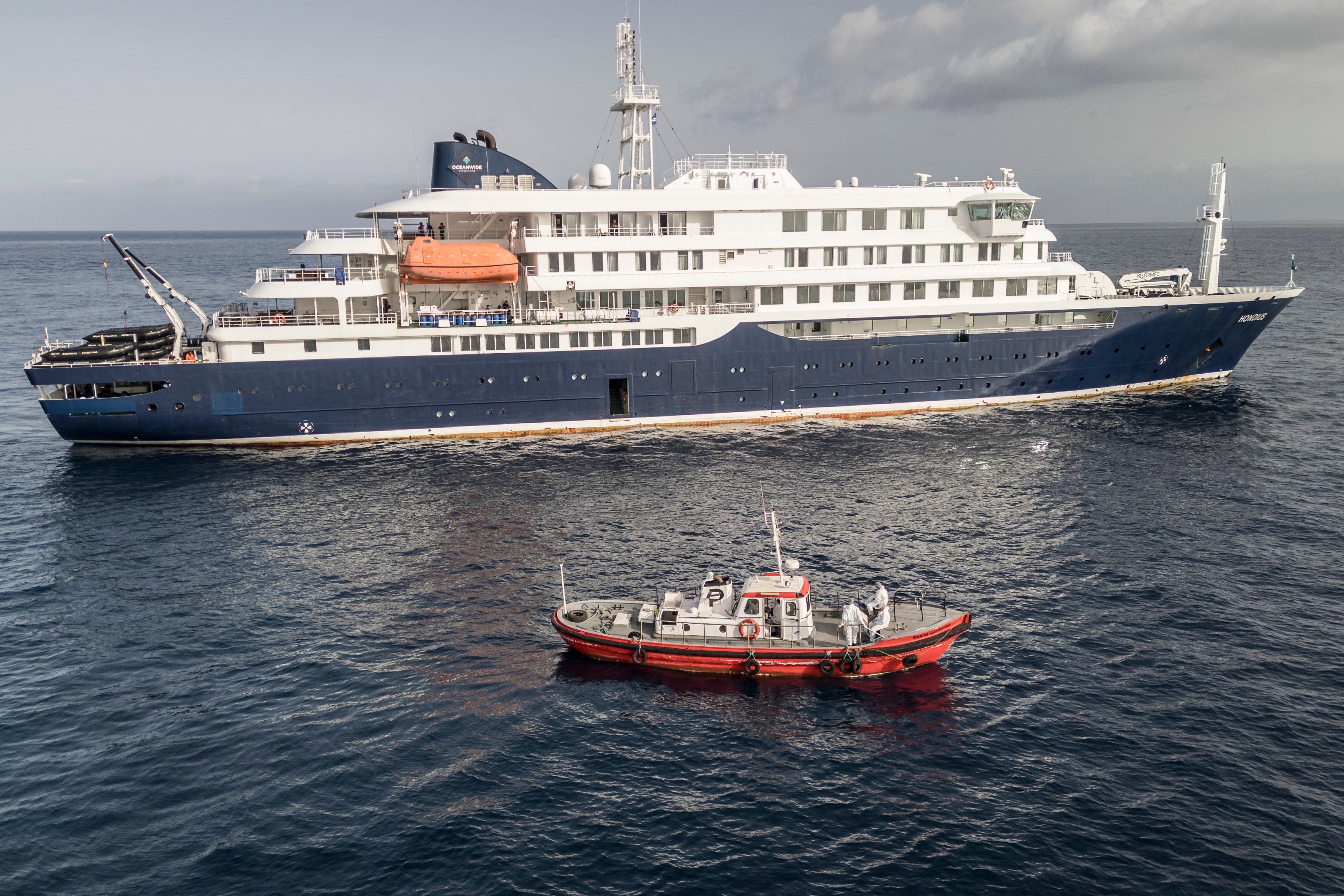
Hantavirus is typically spread through contact with infected rodents, and human-to-human transmission is considered uncommon.
Two residents in Georgia are being monitored, according to the state’s health department. Both are in good health and show no signs of infection, the agency said.
The Arizona Department of Health Services also is monitoring a passenger who is not symptomatic.
The current risk to the American public from the hantavirus outbreak is “extremely low,” according to the Centers for Disease Control and Prevention.
“We urge all Americans aboard the ship to follow the guidance of health officials as we work to bring you home safely,” the agency said May 7.
None of the cruise ship’s remaining passengers are showing any symptoms of the virus, according to shipowner Oceanwide Expeditions.
Several passengers have already been medically evacuated and 30 guests disembarked the ship at St. Helena on April 24, including six of the ship’s 17 Americans.

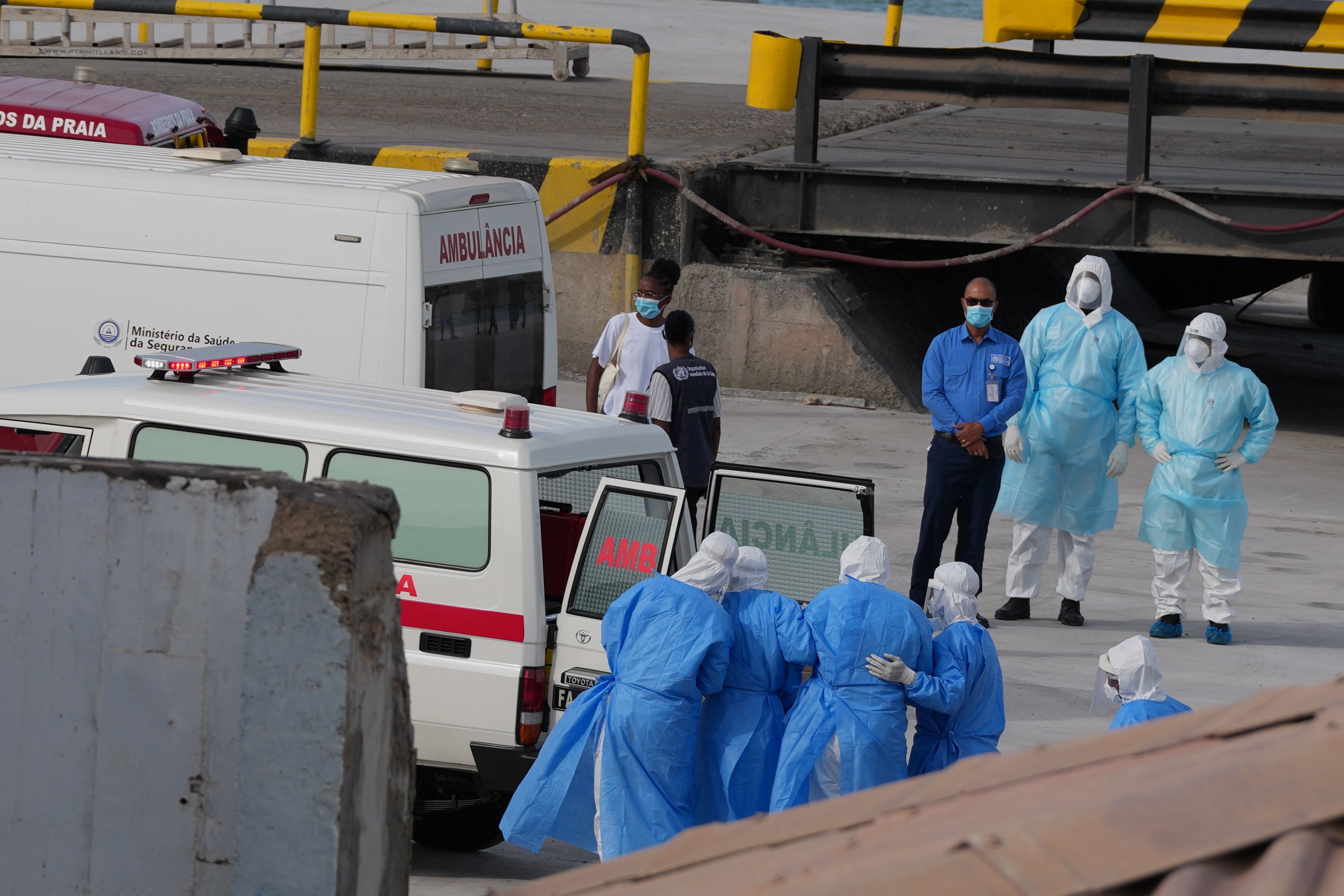
Hantavirus is fatal in nearly four out of 10 people who are infected, with fever and dizziness typically seen within two months after contact with an infected rodent, according to the CDC.
The incident has sparked fears of a COVID-19-like global pandemic, though the World Health Organization has stressed that the current risk to the public remains “low” and is far from a coronavirus-like global health emergency.
“While this is a serious incident, WHO assesses the public health risk as low,” he said. “Our priorities are to ensure the affected patients receive care, that the remaining passengers on the ship are kept safe and treated with dignity, and to prevent any further spread of the virus.”
WHO’s Dr. Maria Van Kerkhove stressed in remarks on Thursday that “this is not coronavirus.”
“This is a very different virus. We know this virus,” she said. “I want to be unequivocal … This not the start of a COVID pandemic. This is an outbreak that we see on a ship. … This is not the same situation we were in six years ago.”