



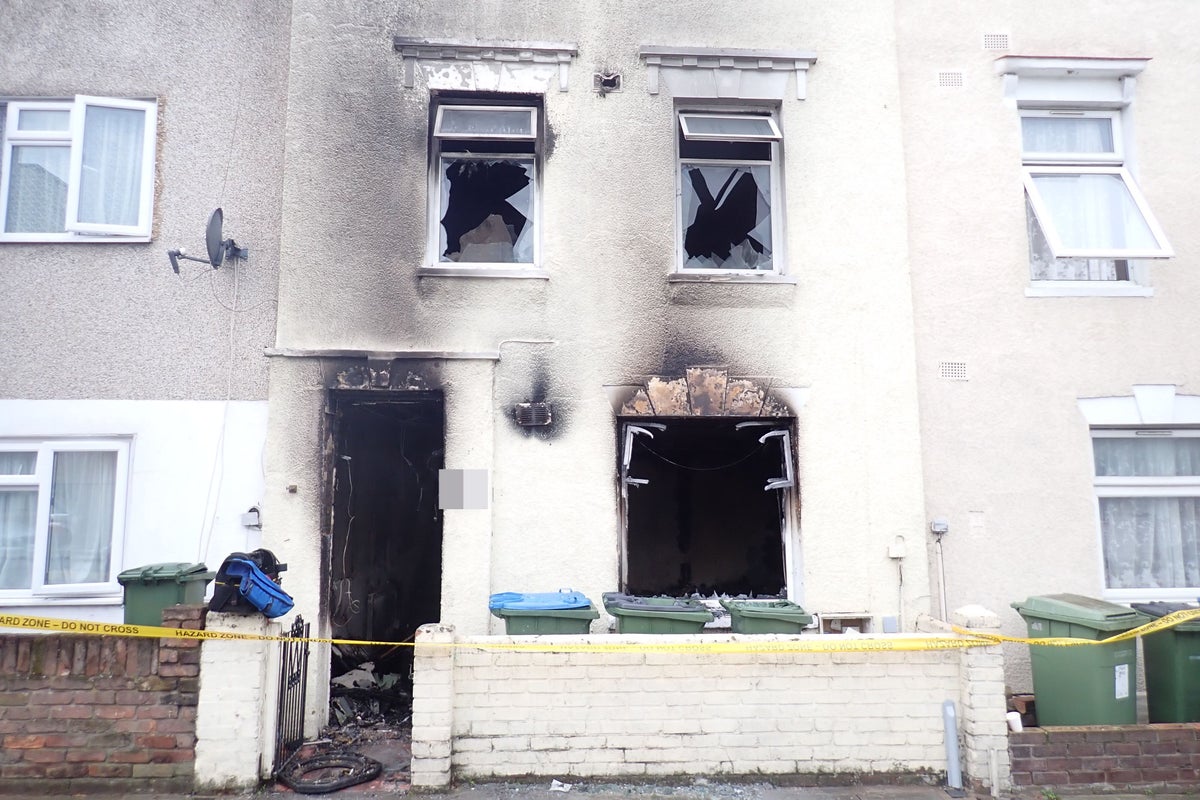
Fire brigades across Britain will now be required to record incidents involving batteries from e-bikes and e-scooters, the government has announced.
Fire Minister Samantha Dixon said that the existing data platform would be updated to include a specific section for lithium-ion batteries, also covering other electric vehicles.
This move comes amid growing safety concerns over lithium-ion power sources, which can spread rapidly and emit toxic fumes, and a surge in related blazes.
Lesley Rudd, chief executive of Electrical Safety First, welcomed the move.
She said that “substandard” e-bikes and e-scooters were “flooding the market”, making it “imperative” that fires involving them were recorded.
”For years, the fire reporting system has desperately needed modernising, so we are encouraged to see the Government will now capture battery fires, which will allow us to better understand the scale of the problem,” she said.
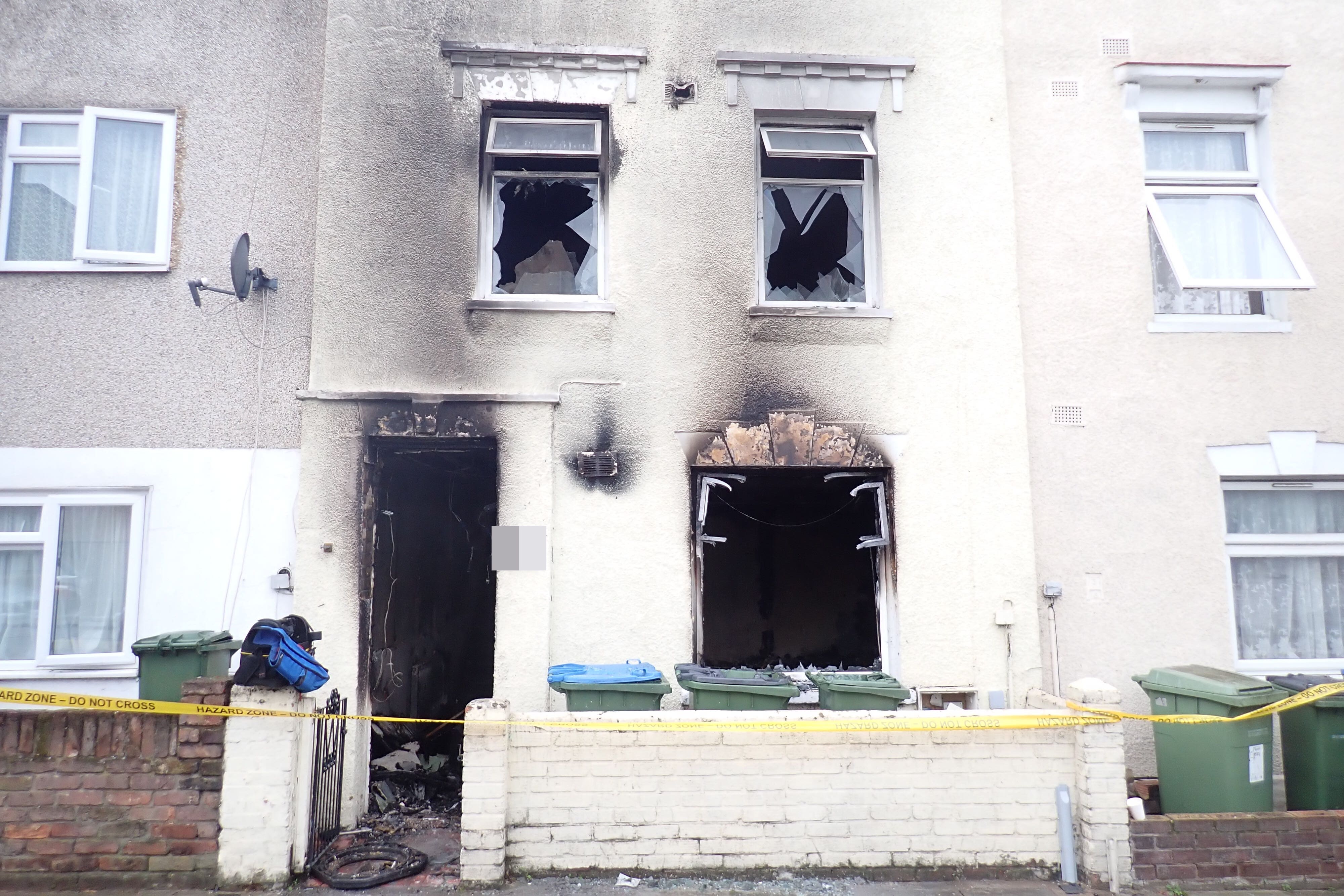
The urgency of the situation was highlighted in 2025 by the death of Eden Abera Siem, 30, after a fire likely caused by a charging e-bike battery at her north London home.
A recent investigation revealed a significant increase in such incidents, with e-bike and e-scooter fires reaching new highs in 2025, recording 432 and 147 respectively, based on data from 37 out of 49 UK fire brigades.
In response to a parliamentary question from shadow transport secretary Richard Holden, Ms Dixon said that the Fire and Rescue Data Platform, launched last November, would be enhanced to identify “whether the source of ignition was a battery and, where relevant, whether that battery was on charge at the time of the incident”.
She added: “These additions will ensure such information is collected and reported consistently across services.”
However, Mr Holden expressed concerns about the current data deficit.
“Battery fires can be more complex for emergency services to deal with, so the fact the system currently doesn’t properly record whether vehicle fires involve batteries means policy is being shaped by part of, rather than the full, picture,” he said.
“That’s why, if we’re going to have a serious debate about vehicle safety, it has to be based on real data, not handpicked analysis.”