


About one in 10 Americans enrolled in Affordable Care Act plans opted out of health insurance altogether last year after federal subsidies expired and caused price spikes, according to a new survey.
Of those who stuck with their plans, the majority feel they’ve been left in the lurch, reporting steep cost increases and fearing they’ll have to trim other household expenses just to keep their health coverage.
A survey — released by health nonprofit KFF — paints a sobering picture of the American health care system in the wake of lawmakers’ decision to let enhanced ACA subsidies lapse at the end of December. ACA enrollees face average premium costs of $1,904 in 2026, more than double the $888 average from last year, KFF previously reported. As of January, about 23 million Americans were enrolled in plans through the ACA down from 24.2 million in 2025.
President Donald Trump has long railed against the ACA, which is also known as “Obamacare.” Democrats sought to extend the subsidies that often go to providers, while Republicans pushed for payments to Americans to use toward healthcare.
According to the KFF poll, which sampled 1,117 people, 9 percent of enrollees said they are now uninsured. An additional 28 percent said they have switched to a new plan.

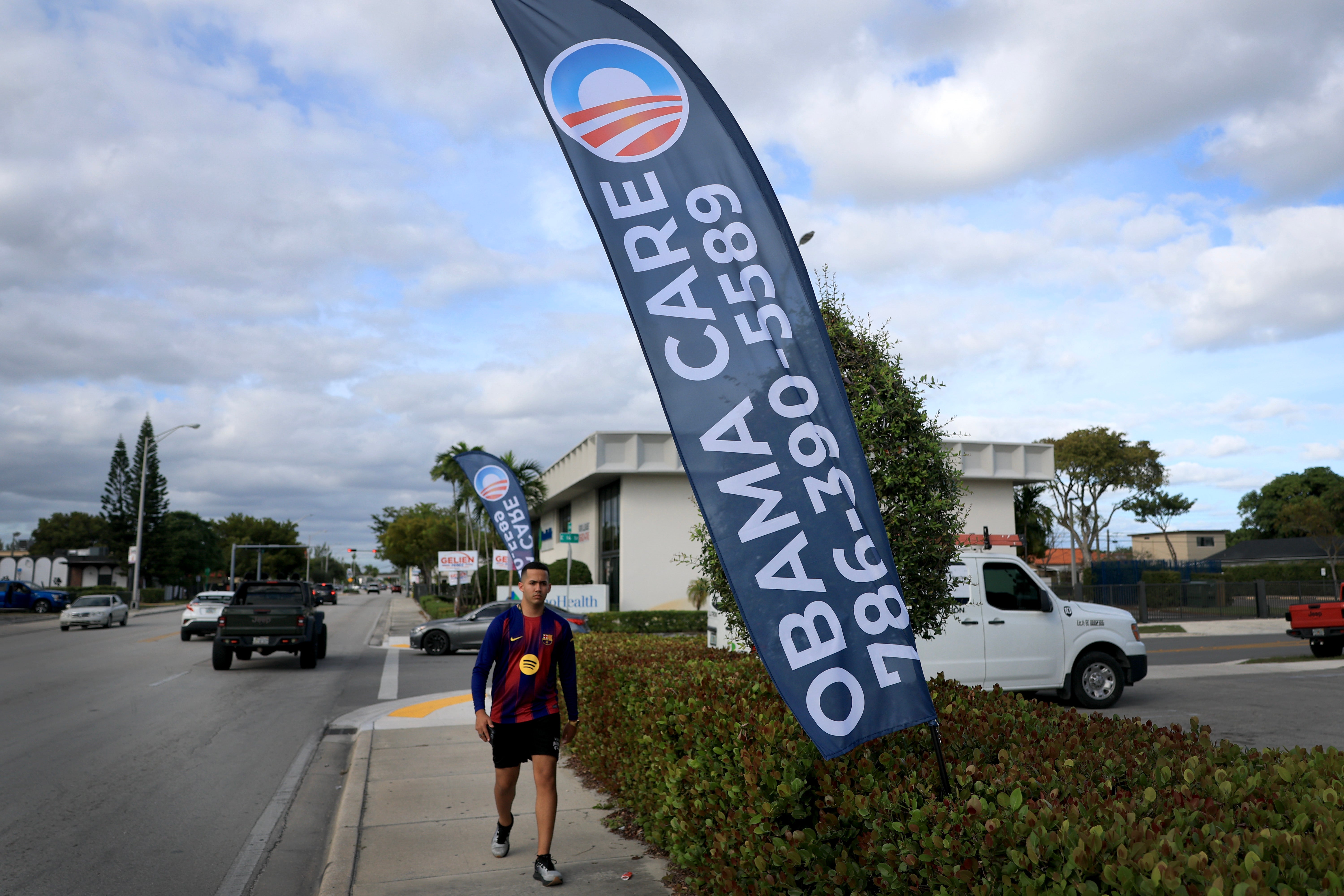
Of these individuals, a sizable share said that rising costs drove their decisions.
“The prices are simply too high,” a 34-year-old man from Texas said. “$800/month for the absolute cheapest plan for two people. Our income is $120k, so we don’t qualify for subsidies in Texas. I don’t think we could afford our mortgage if I had to pay for health insurance.”
“The end of ACA subsidies caused a huge increase in premiums, the cost of which I could not afford,” a 63-year-old man from California added.
In the future, coverage losses — which are already “significant” — may only increase, Cynthia Cox, a senior vice president at KFF, told The Wall Street Journal.
At the same time, Americans who elected to continue with Obamacare are grappling with severe financial hardship.
The overwhelming majority, 80 percent, said they face higher costs, while about half described premiums as being “a lot” higher.
Seventy-three percent fear they can’t afford emergency care, and 49 percent said they worry they won’t be able to foot the bill for routine care. Fifty-five percent are reducing, or will reduce, household expenses to pay for health care, and 17 percent worry about covering premiums year-round.
“We need healthcare,” a 59-year-old Virginia woman told KFF. “And now we will either avoid seeing a [doctor or] go bankrupt.”
A number of survey respondents also said that health costs could be a deciding factor for them in the upcoming midterm elections, with 48 percent saying the issue will “have a major impact on their decision to vote.”

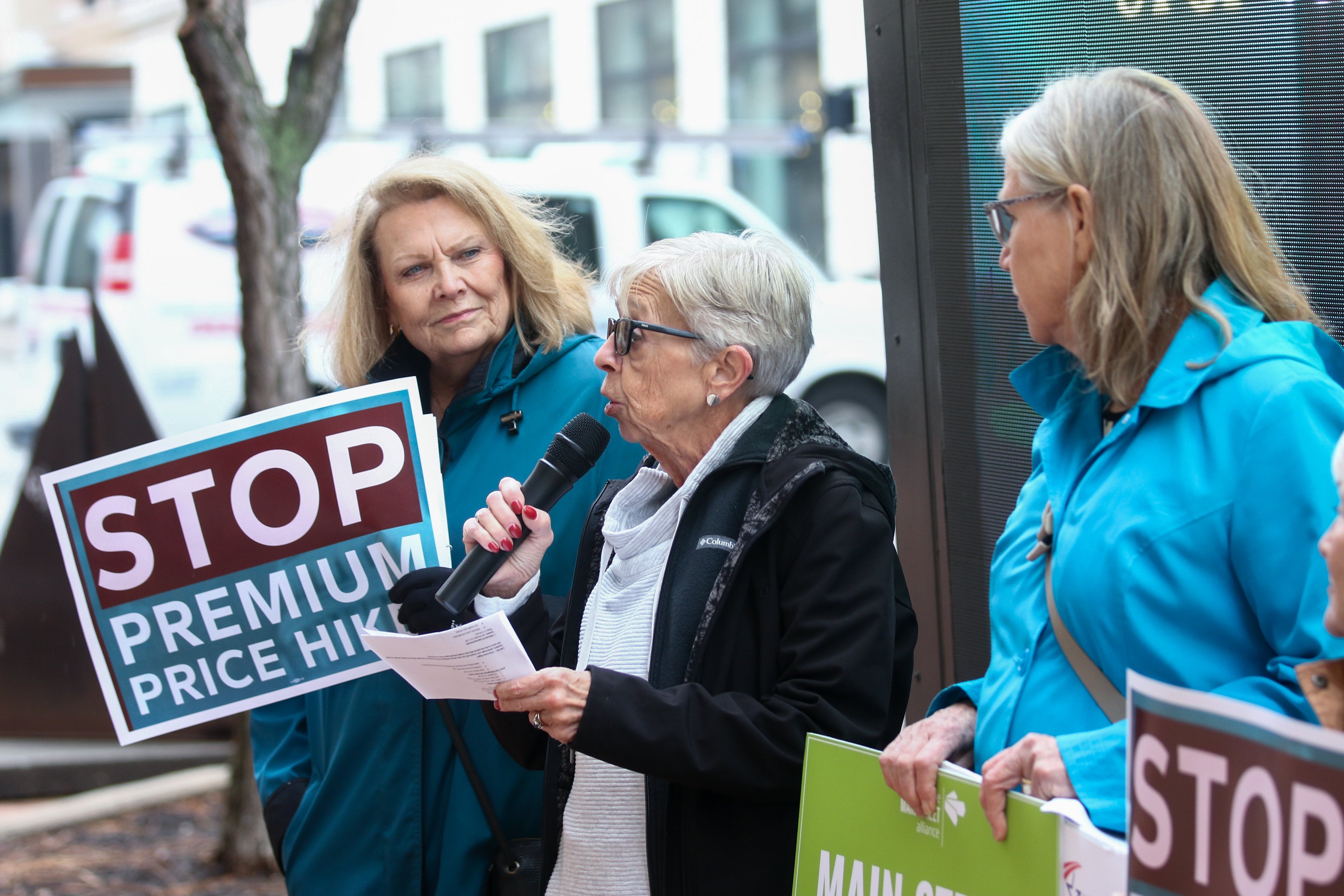
The survey comes less than three months after Congress allowed ACA enhanced federal premium subsidies to expire on Jan. 1.
The enhanced financial assistance was enacted in 2021 as part of a Covid-19 relief package signed into law by former President Joe Biden. A sunset clause was built in for the end of 2025.
The legislation led to dramatic upticks in ACA enrollment, especially among low-income Americans, though they also made health insurance more affordable for middle-income enrollees, who didn’t previously qualify.
The question of whether or not to extend the subsidies fiercely divided lawmakers on Capitol Hill for months, leading to a 43-day government shutdown. Democrats attempted to rope the subsidies into a bill to fund the government, but they eventually caved, allowing the funding to expire.
Republicans have claimed the subsidies had serious issues. Senate Majority Leader John Thune told reporters in December that an extension of “a failed program that’s rife with fraud, waste and abuse is not happening.”
But Democrats have warned about dire ramifications. “Make no mistake, the blame behind the skyrocketing health care costs millions are facing today is squarely at the feet of House Republicans, and the American people know it,” said Rep. Suzan DelBene, a Washington Democrat, on New Year’s Day.
Trump’s “Big, Beautiful Bill,” signed into law in July, also made major administrative and policy changes to ACA marketplaces. The changes, which largely flew under the radar, make it more onerous or more costly for many to sign up for ACA plans, experts told CNBC.