

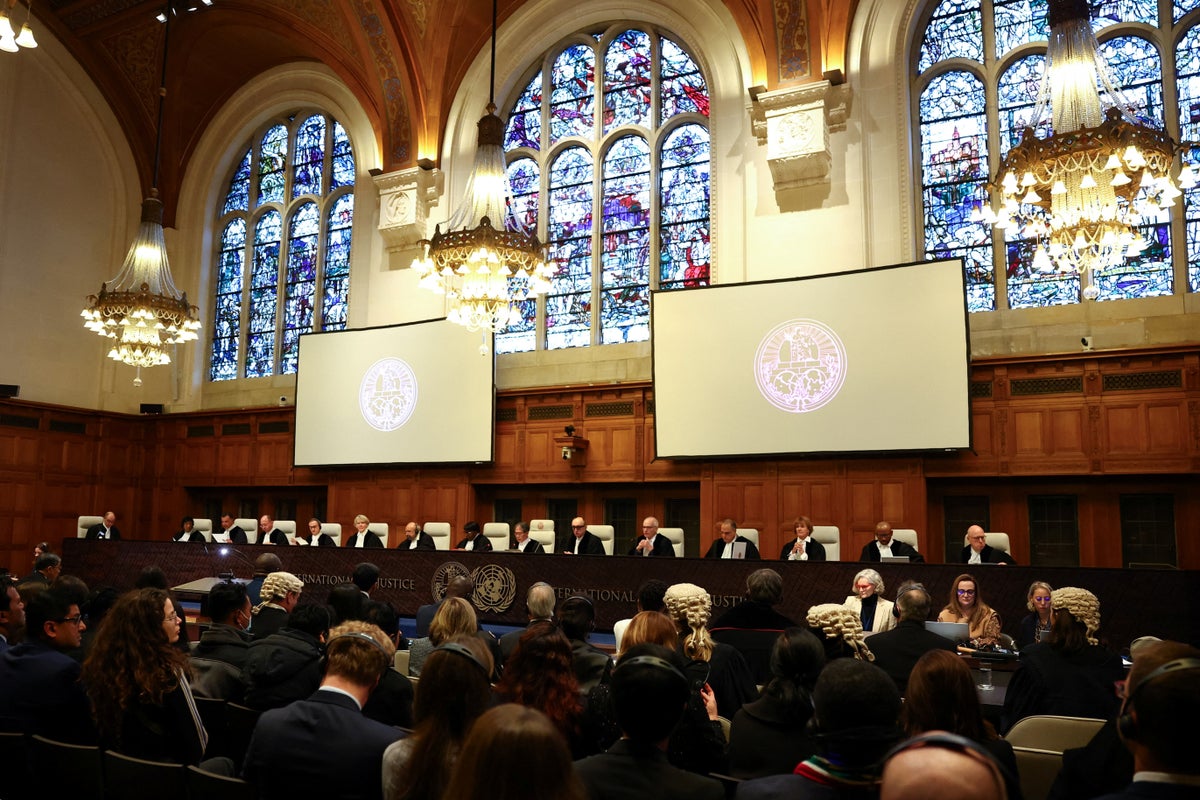
Myanmar targeted the Rohingya for destruction and made their lives a nightmare, the top UN court heard on the first day of the proceedings in a landmark case accusing the Southeast Asian country of committing genocide.
Dawda Jallow, justice minister of the Gambia, which brought the case, said no one was held accountable for the persecution of the Rohingya, a predominantly Muslim minority, and the perpetrators then felt emboldened to overthrow the elected government of Aung Sang Suu Kyi in 2021.
He said there were “credible reports of the most brutal and vicious violations imaginably inflicted upon a vulnerable group”.
This is the first genocide case that the International Court of Justice (ICJ) is hearing in full in over a decade. The case centres around the Myanmar military’s operations in 2016 and 2017 that sent over 700,000 Rohingya refugees fleeing into neighbouring Bangladesh to escape persecution.
Proceedings began on Monday and are expected to last three weeks, with Gambia presenting its case over four days and Myanmar responding on Friday. The world court will also hear from Rohingya victims of the violence during a closed session.


Mr Jallow told the court on Monday the Rohingya had endured decades of appalling persecution and dehumanising propaganda. “This culminated in the savage genocidal clearance operations in 2016 and 2017 which were followed by continued genocidal policies meant to erase their existence in Myanmar,” he said.
He noted the Gambia’s case involved members of the Rohingya community, including some who had travelled from refugee camps in Bangladesh.
He said the Rohingya were a simple people with dreams of living in peace and dignity.
“They have been targeted for destruction,” Mr Jallow said. “Myanmar has denied them their dream, in fact it’s turned their lives into a nightmare, subjecting them to the most horrific violence and destruction one could imagine.”
The Gambian minister said his country had brought the case to the ICJ as a “sense of responsibility” and that Myanmar was trapped in a cycle of atrocities, referring to the military’s overthrow of the Suu Kyi government.
At a 2019 preliminary hearing of the case, Ms Suu Kyu, then the leader of Myanmar, had rejected the Gambia’s accusations of genocide as “incomplete and misleading”, a move that tarnished the Nobel Peace laureate’s reputation as a defender of human rights.
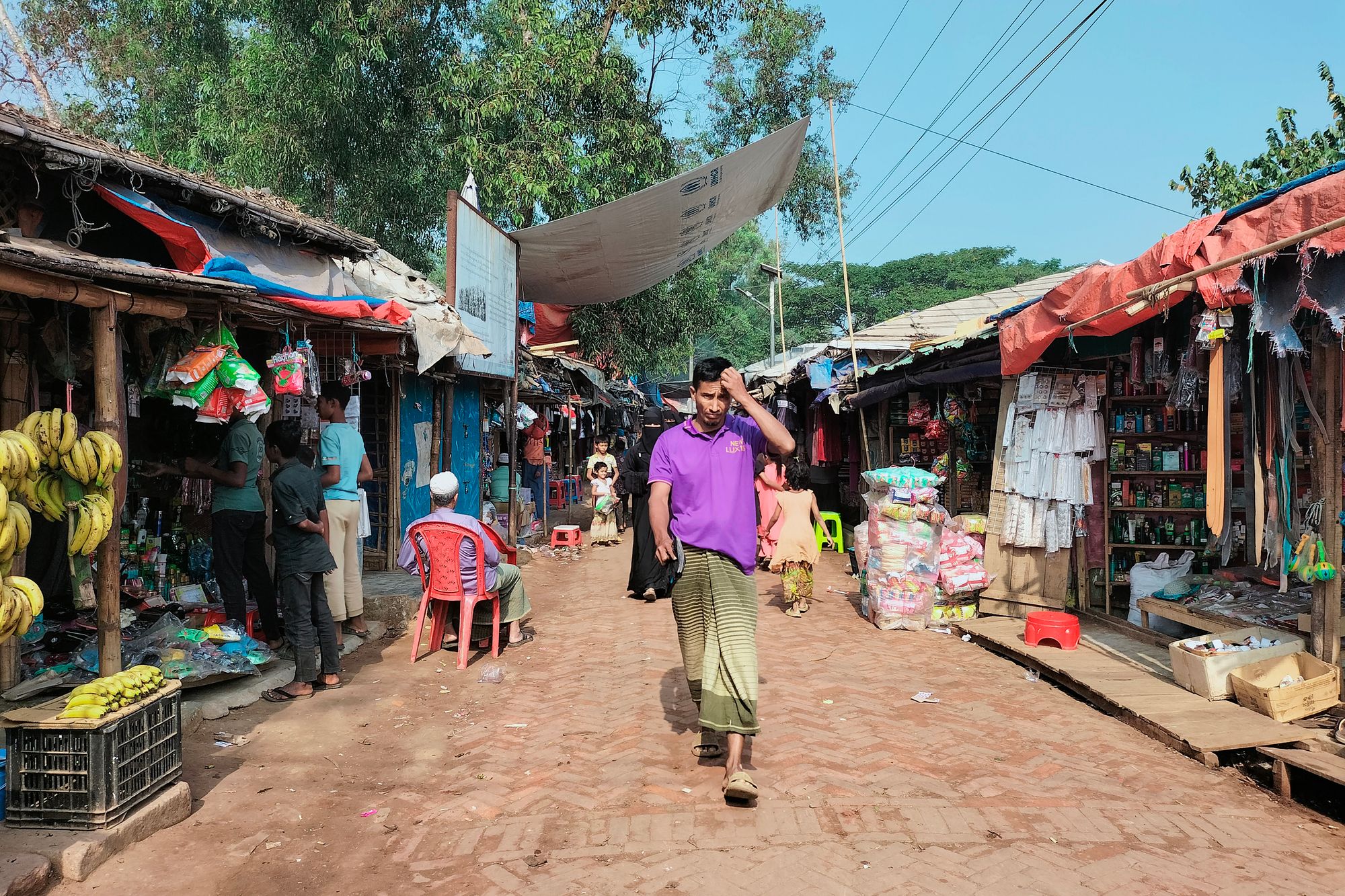
Speaking in The Hague before the ICJ hearing, Rohingya victims said they wanted the long-awaited case to deliver justice.
“We’re hoping for a positive result that will tell the world that Myanmar committed genocide and we are the victims of that and we deserve justice,” Yousuf Ali, 52, who said he was tortured by the Myanmar military, told Reuters.
Another survivor, Monaira, told the news agency they did not just hope to get justice, “we demand it and we would like to ask the court to take action against the Myanmar dictators, the leaders of the Myanmar military who committed the genocide”.
The Rohingya come mainly from the Rakhine state. They claim to be the descendants of Arab traders and other Muslim populations that lived in the region for generations. Myanmar, however, accuses them of being illegal immigrants from Bangladesh.
Although the ongoing case won’t result in individual sentences, experts say it will set a global precedent for what the world is willing to tolerate.
In particular, the proceedings are expected to set precedents that may affect South Africa’s case of genocide against Israel over the war in Gaza.
Myanmar denies genocide, as does Israel, whose lawyers dismiss the South African case as an abuse of the genocide convention.