


As the demolition of the Grenfell Tower continues, the booming sounds of heavy machinery fill the air. But outside the site, there is a quiet and contemplative silence.
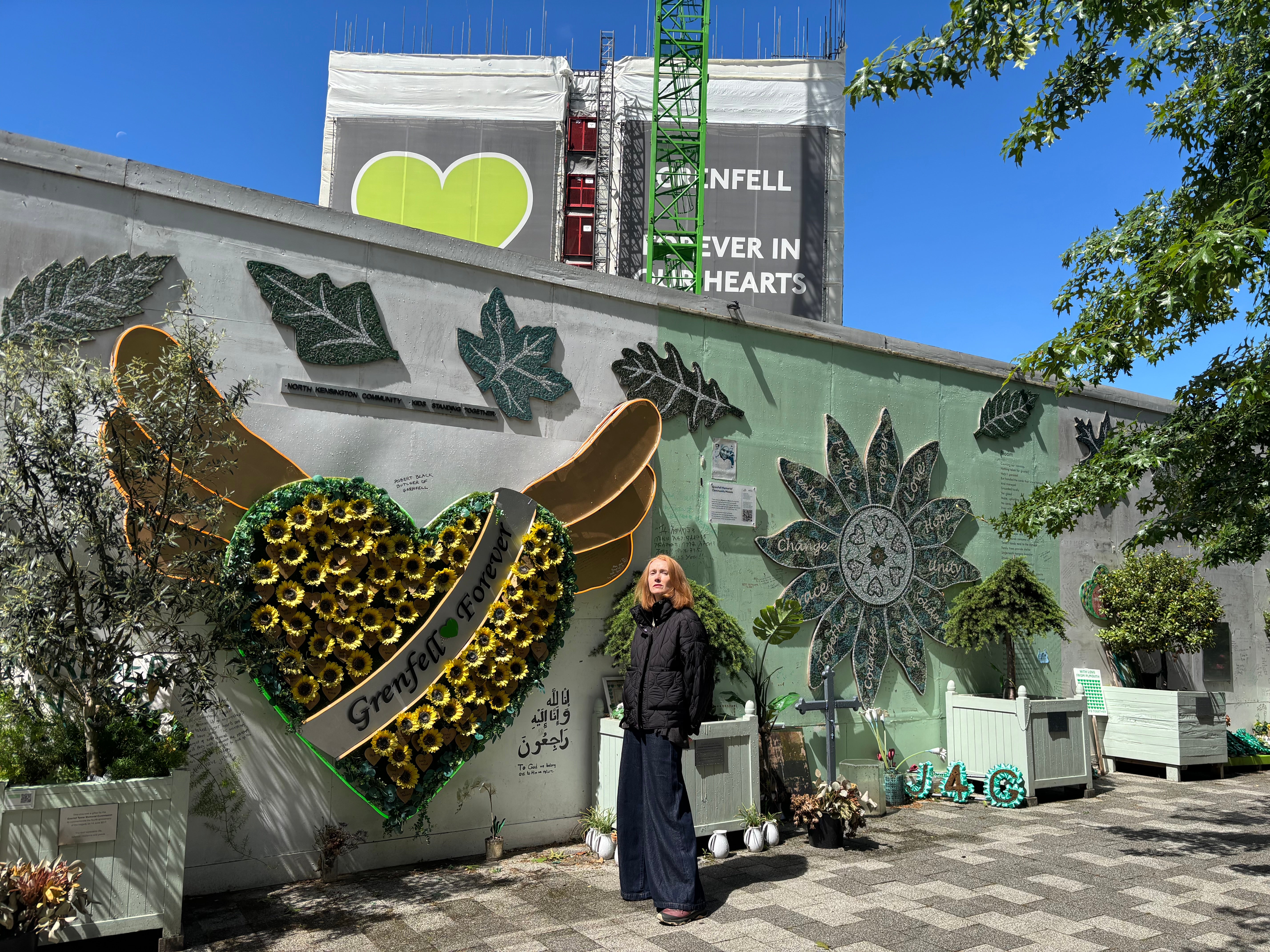
A group of people are working on the art installations on the hoardings that border the site. Those hoardings have long been used as a memorial for the 72 people who lost their lives in a devastating fire at the tower block in Kensington, west London in the early hours of 14 June 2017.
Lights are being fixed around a green heart – a symbol now synonymous with Grenfell – which has been filled with sunflowers by local children as a tribute to those who died.
On a stepladder adding those lights to the artwork is Melanie Juno Wolf, who works in the community to support those affected by the tragedy.
“It represents their voice and how they want their loved ones to be remembered”, she tells The Independent of the artwork.
“It’s been here for a few years now, and we keep it up as best we can. Each anniversary we light it up, it’s here for our local community to come and remember, and for the children to remember.”

Sunday marks the ninth anniversary of the fire, which was exacerbated by flammable cladding on the outside of the building, and was found by a six-year inquiry which concluded in 2024 to have been avoidable.
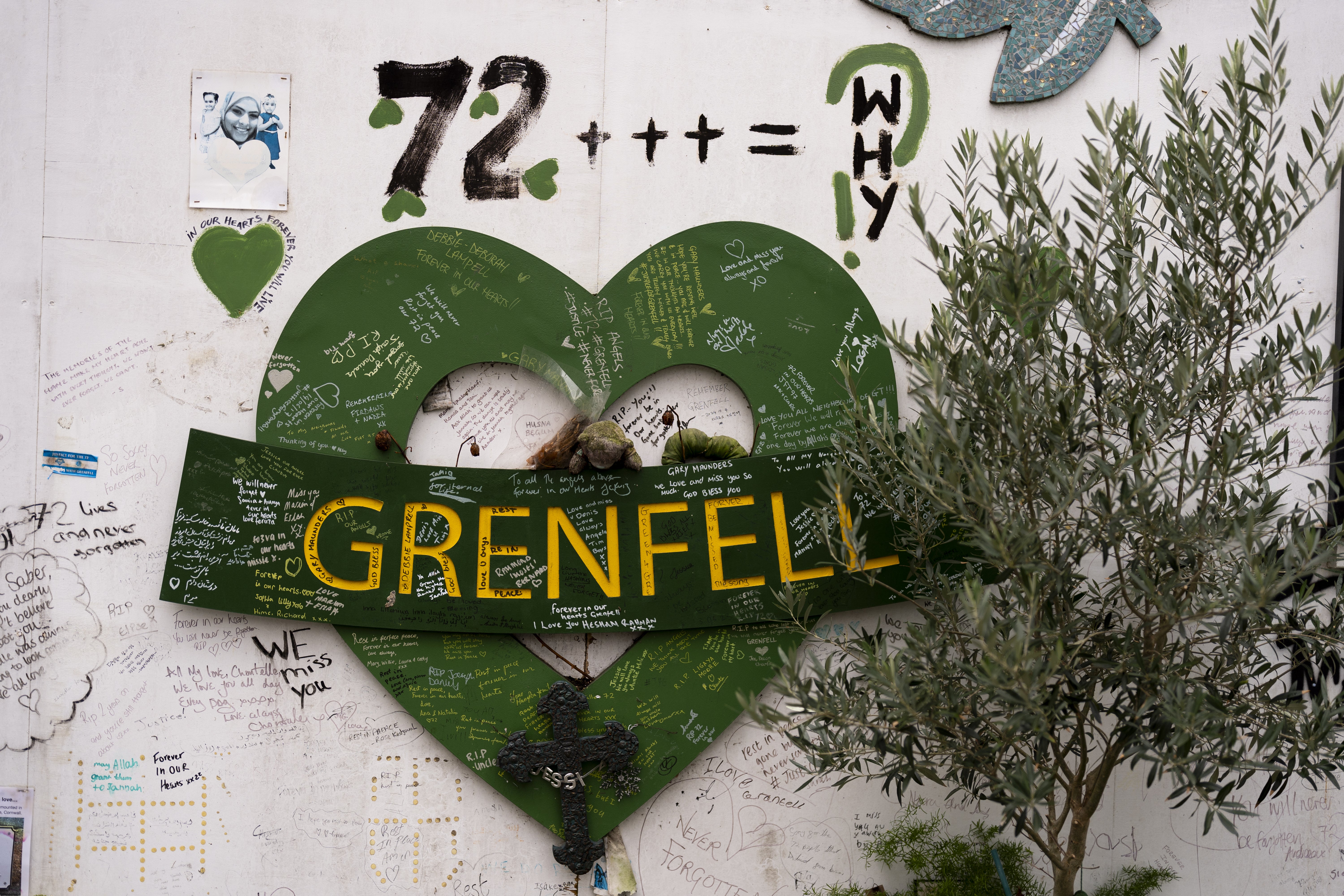
Along the memorial wall, a sign reads “72 lives, crime scene, zero convictions”.
The Metropolitan Police said last month that decisions will be made on whether any criminal charges will be brought before the 10th anniversary of the disaster, which is next summer.
Potential offences under consideration include corporate gross negligence manslaughter, fraud, health and safety breaches, and misconduct in public office.
Waiting a decade for meaningful progress in the investigation has contributed to a widespread and enduring feeling of disillusionment among bereaved families, campaigners and those living around what remains of the tower, according to Ms Wolf.
Her organisation, North Kensington Community Kitchen, provides access to food for those who need it most across Kensington and Chelsea, statistically one of the most affluent boroughs in the country.
That affluence is not felt on the Lancaster West housing estate, where the tower stands, however.
In fact, she says, nine years after the tragedy, those who live around what remains of the tower feel forgotten about.
“Those of us who live and have worked within the community for a long time are feeling bereft,” she explains. “We really are. People are feeling forgotten, left behind, and as if morsels have been thrown.
“Some people have managed to catch those morsels, but what about everybody else?”, she adds.
The treatment of Grenfell survivors and bereaved family members has long been criticised. The inquiry found that the disaster was preceded by “decades of failure” by governments and the building industry.
It also found victims, the bereaved and survivors were “badly failed” through incompetence, dishonesty and greed.
Survivors faced long-term trauma and were not provided with adequate support in the aftermath, it concluded.
“No family should have to wait over 10 years for justice for their loved ones, if it comes at all”, a spokesperson for the campaign group Grenfell United said after the police made its announcement last month.

“The final report of the Grenfell Inquiry laid bare the shocking failures, dishonesty and disregard for human life that led to the fire. Grenfell was not a tragedy without cause. Those responsible must now be held to account.”
Elizabeth Campbell, the leader of Kensington and Chelsea council, admits the local authority “could and should have done more to keep residents safe before the fire and to care for people in its aftermath”’
“We remain truly sorry for those failings,” she says. “We are determined to meet the challenge set by bereaved families and survivors.”
The Metropolitan Police’s deputy assistant commissioner Kevin Southworth said the police’s investigation has “continued relentlessly” since 2017, adding that they are on schedule to submit all files to the Crown Prosecution Service this autumn.
He said: “While our timescales are on track, we know for the bereaved, survivors and residents, who remain at the heart of everything we do, it has been a very long wait to get to this point.
“We cannot begin to understand the impact upon them of such a lengthy investigation, running alongside a public inquiry, but they have our commitment we have worked as quickly as possible while ensuring our investigation is meticulous to present the very best possible evidence to the CPS for charging decisions.”
Amid that backdrop, Ms Wolf sees her work as about trying to “find some thread of joy or happiness” for those affected.
She says: “Particularly for the children who’ve had to grow up with this and who continue into adulthood still feeling as though they’re not being heard.
“Yet we have no justice; people have no peace. They don’t have the resources that they need.
“When will they be heard? When will they be properly listened to? And when will there be justice?”
For Hamid Ali Jafari, 42, there is certainly no peace.
His father, Ali Yawar Jafari, 82, lived on the eleventh floor of the tower. As the fire took hold, he knocked on neighbours’ doors and rang a family friend to alert them to the blaze as it spread through the building in the early hours of 17 June 2017.
But Mr Jafari had serious health problems, and struggled to get down the stairs.
He never made it out of the tower.

Time has not been a healer for his son. He tells The Independent: “It’s been nine years and still I’m struggling, I’ve just never moved on. My life has been destroyed. Day in and day out, I’m still living through the same thing.”
“Every moment, even the breath I take, it’s painful”, he adds.
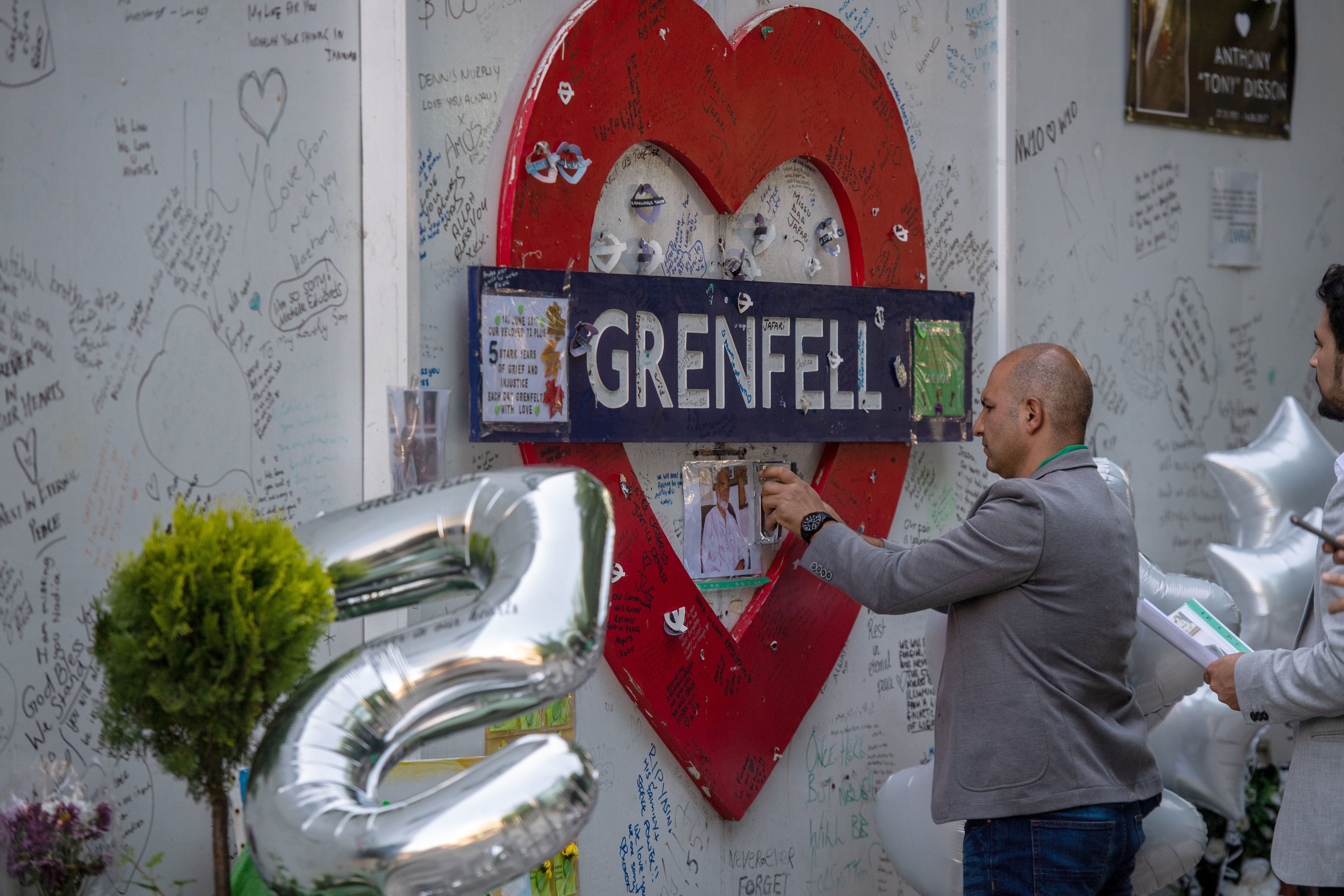
A photograph of Mr Jafari’s father is displayed on the memorial wall and he believes the tower’s continued presence keeps the failures associated with the fire in the public consciousness.
The once 24-storey structure is at the northern end of the Lancaster West housing estate. Adjacent to it is the Silchester Estate, where William ‘Joe’ Walsh, 66, has lived, in the Whitstable Tower, for 30 years.
Mr Walsh runs the Maxilla Social Club, which serves the close-knit community of the two estates. On the night of the fire, he opened the premises as a safe haven for residents.
“We heard the noise and everything else, and we opened about 2am”, Mr Walsh recalls.

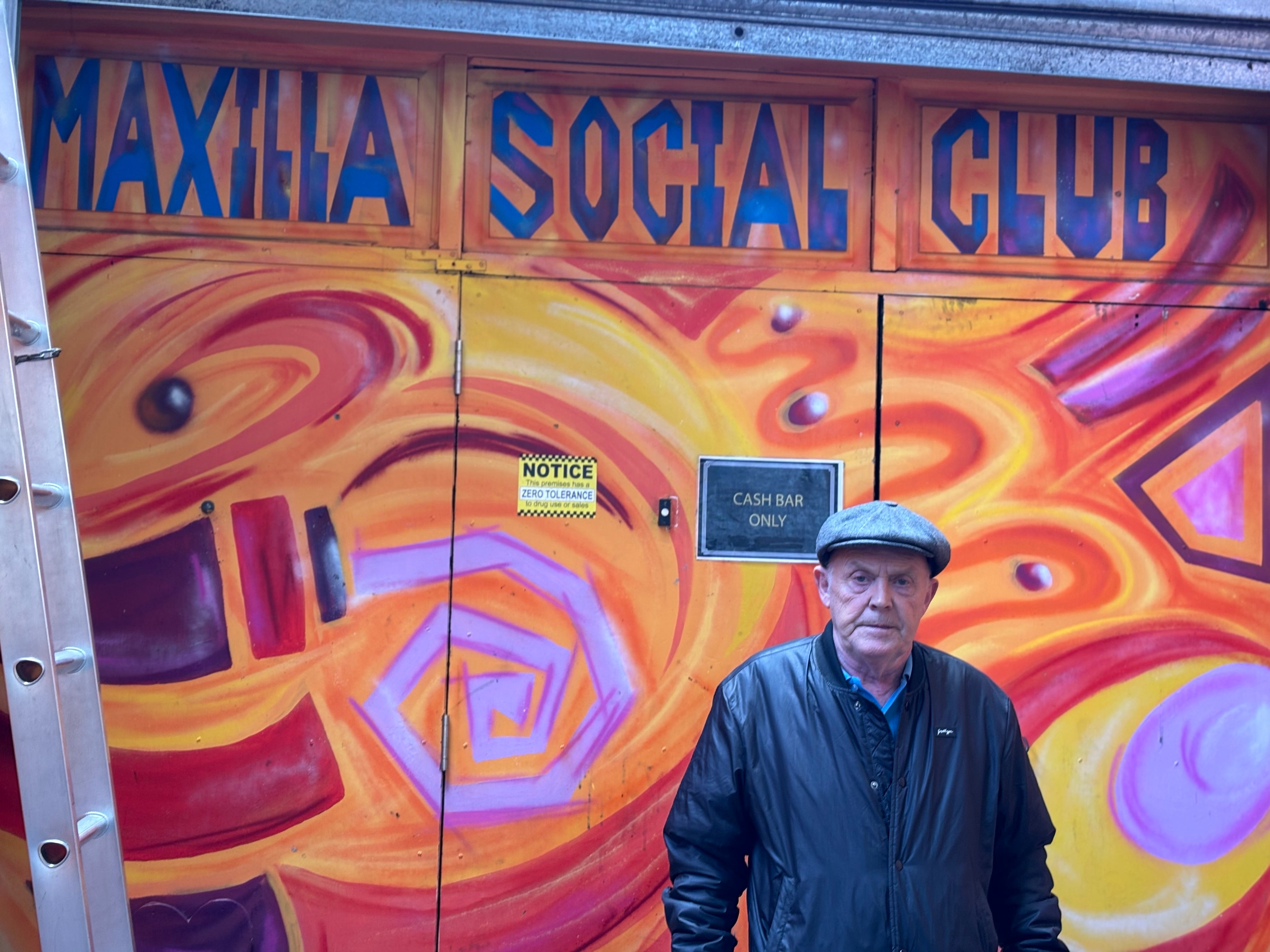
“I didn’t want to watch it, so it was just a case of giving them somewhere to come for shelter, tea, and coffee. We ended up being a donation centre for about six weeks because people just brought stuff.”
That community spirit was key to the initial response to the fire, he says, with people travelling from across the country to donate supplies. However Mr Walsh laments the way in which the estates have been left ever since.
He believes the authorities, including the Kensington and Chelsea council have stopped listening to the wishes of the residents, those who have to live underneath and next to the site of the worst UK residential fire since the Blitz.
Mr Walsh is, however, pleased that the tower is being demolished. He believes there is no chance for the estates to heal while the structure continues to serve as a painful reminder of what happened.
In February 2025, then-housing secretary Angela Rayner announced the tower would be taken down and that process began in September of that year, expected to take two years.
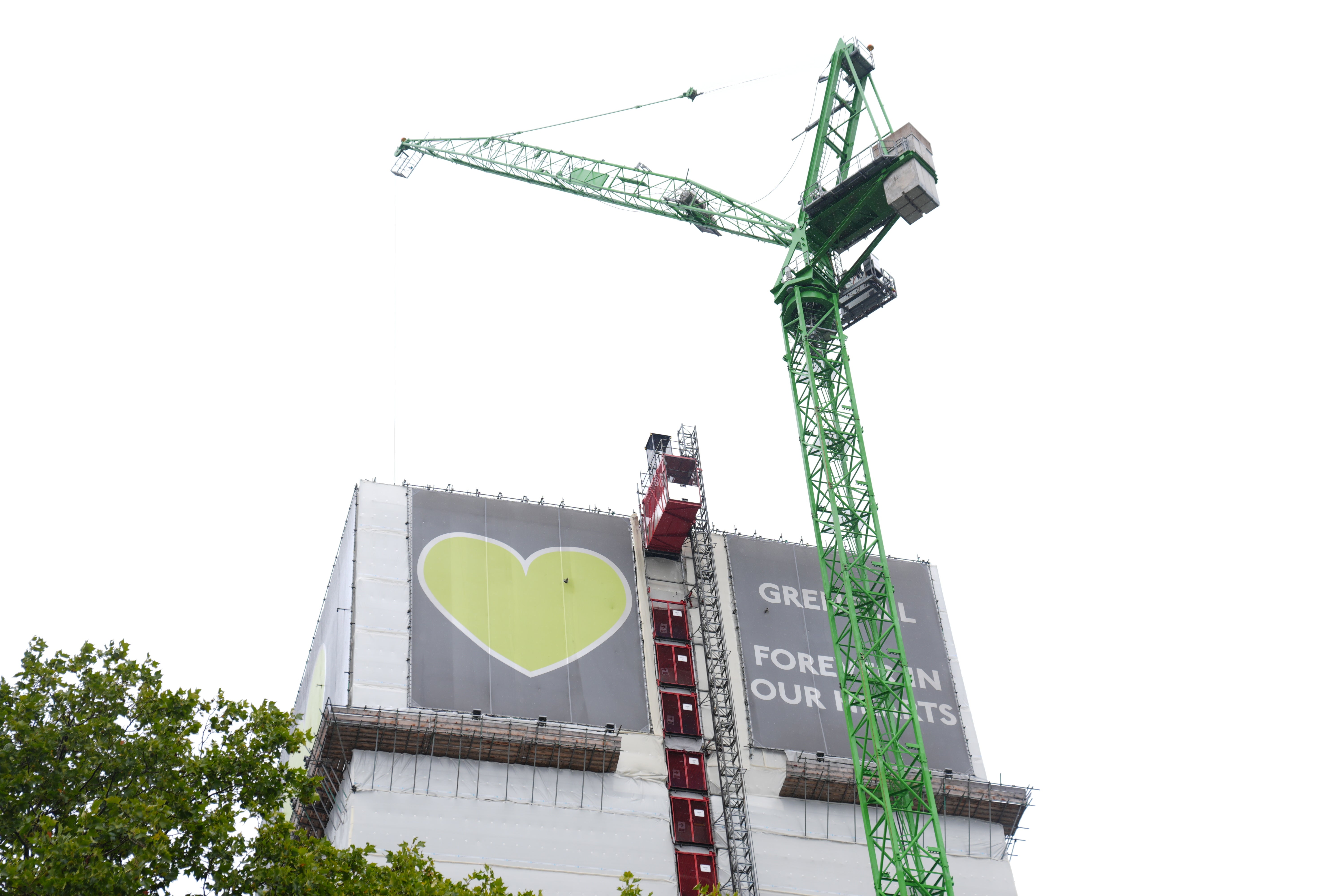
“Most people want it to come down”, Mr Walsh says. “It should be a park for the kids and build a memorial there.
“People don’t need to keep seeing it all the time. It’s been stopping them from being able to process it.”
There is no avoiding what remains of the tower for Leighton Evans, 49.
Mr Evans, who has lived on Lancaster West since 1983, takes The Independent on a walk around the estate, pointing out what has changed and what hasn’t since the fire.
Maintenance and improvement work is ongoing around the estate, adding to the commotion caused by the tower demolition, but Mr Evans says residents are still waiting for basic improvements to their flats, such as upgrading their single-glazed windows, working intercoms and boilers.
“We’ve been living around what is essentially a building site from when the work started for the renovation of the tower”, Mr James says.
“There’s an entire generation that have grown up knowing nothing but building works on the estate, which is disgusting. Every time we seem to turn a corner, something else happens and it just gets delayed again and again and again, and it’s just no good for us.”
The council has said it is “grateful to residents for their continued patience” as works continue, and it recognises that living alongside major building works is “challenging”.

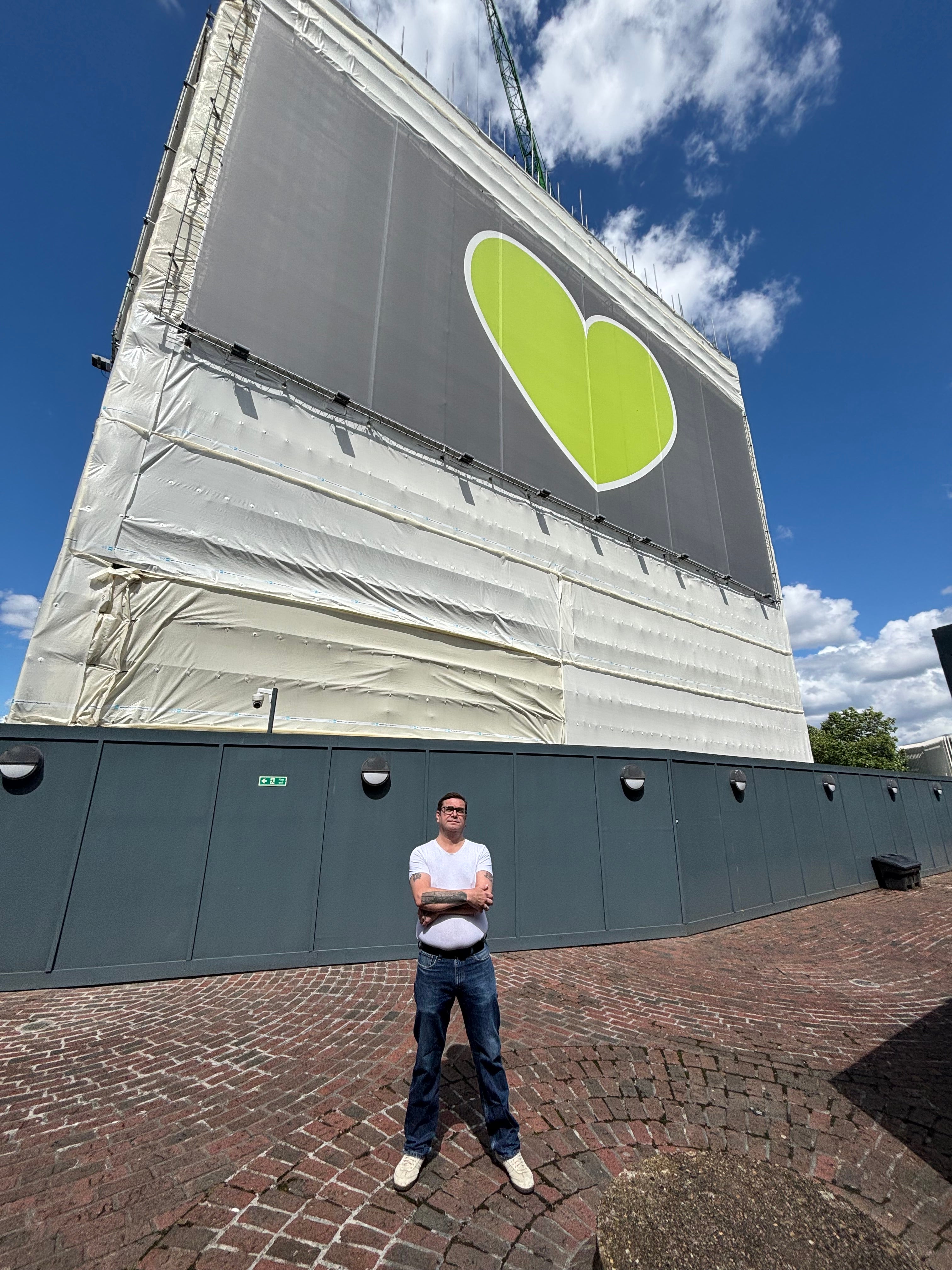
Earlier this month, the local authority announced it had agreed a contract for improvements on Lancaster West, with works to include new triple-glazed windows, external wall insulation, fire safety and upgraded heating and ventilation systems.
Mr James walks out onto a mezzanine floor on the exterior of one of the housing blocks. The tower, which has been wrapped in protective covering since July 2017, looms directly above.
Asked what it is like to live next to the site of a loss of life, Mr James says: “I don’t think it’s really hit everybody yet. I think when everything finishes, this all stops, there’s an estate that’s going to be suffering from PTSD.”
“Many of the people that were here originally have left because they just can’t take it anymore.
“It’s detrimental to people’s health, their mental health especially. If they can get away from it for the betterment of themselves, then, then they should do it, rather than stay here for the duration just to make yourself ill.”
Those who speak to The Independent appear to be searching for closure.
Nearly a decade has passed, but as the wait goes on to find out whether criminal proceedings will take place and as the tower itself continues to offer a reminder of the tragedy, any sense of closure remains elusive.
Mr Jafari is unsure that he will ever find it.
”About seven or eight years ago, my solicitor asked me one day. ‘Hamid, what does justice mean to you?’ And I said, I don’t know.
“And then someone told me that with Hillsborough it took more than twenty years until they got something. So maybe I’m not alive by the time our prosecution comes in.
“But even if a person goes to prison, it doesn’t bring my father back, it doesn’t bring my family back. It doesn’t bring my smile back.”