






More than 900 children have been held in Immigration and Customs Enforcement facilities beyond a court-imposed 20-day limit, according to a new report.
Under the 1997 Flores Settlement Agreement, the U.S. government is not supposed to hold children in immigration detention facilities any longer than is reasonably needed to arrange their prompt release or deportation. Federal courts have interpreted that “reasonable” time limit to be 20 days.
But some children imprisoned by ICE are spending much longer — some more than twice as long — locked up, according to an NBC News report.
The majority of the children detained by ICE are being held at the Dilley Immigration Processing Center in South Texas.
So many children have been kept beyond the 20-day mark that children’s rights advocates visiting the detention center have stopped using the number as a benchmark.

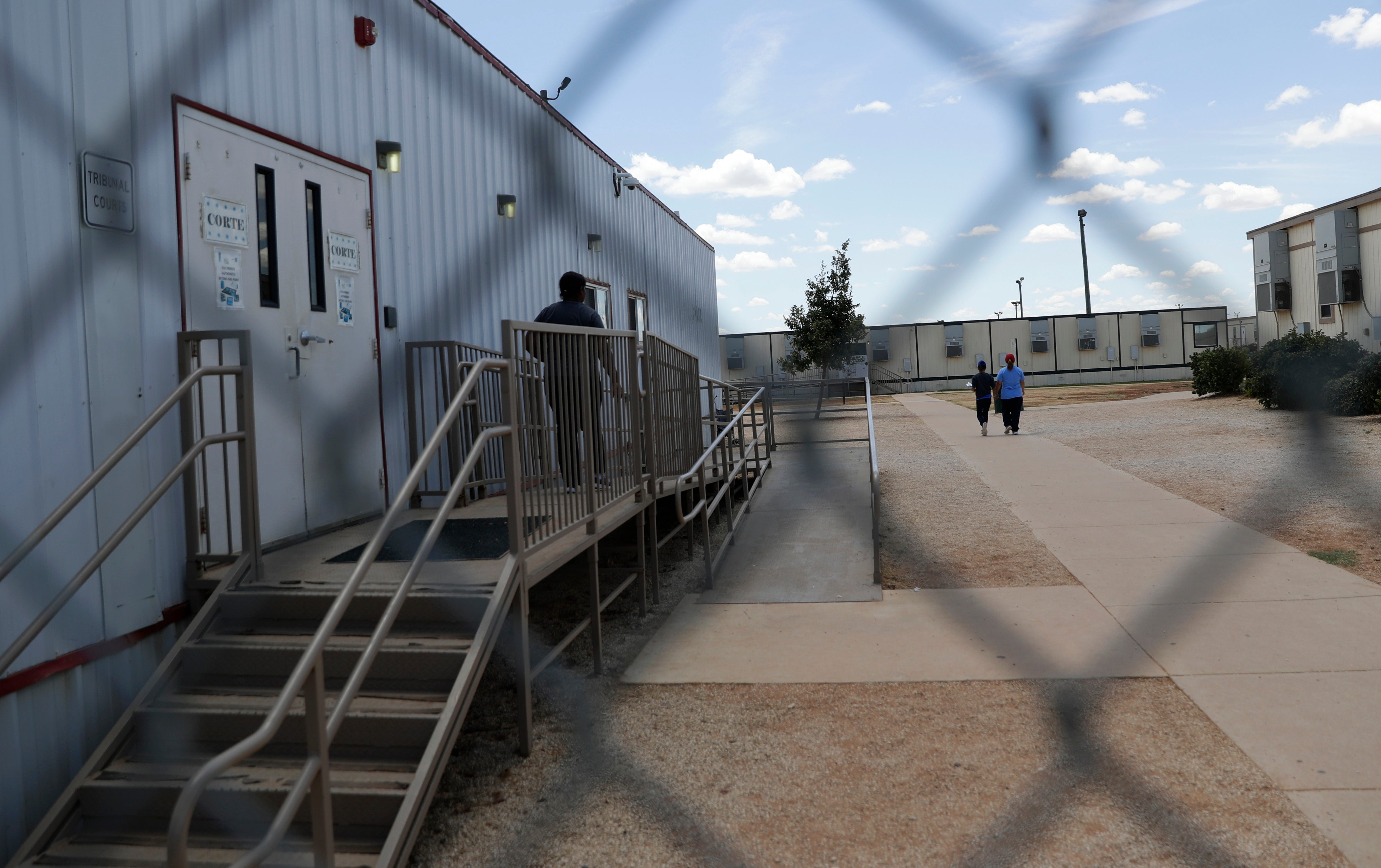
“We’ve started to use 100 days as a benchmark because so many children are exceeding 20 days,” Leecia Welch, the chief legal director at advocacy group Children’s Rights, told the Associated Press.
She said she visits the facility regularly and noted that in February, she counted more than 30 children who had been held for more than 100 days.
According to NBC’s report, approximately 270 of the children currently in ICE custody have been detained for more than 40 days.
NBC News spoke to a family of Russian immigrants who were arrested at the border and shipped to the Dilley detention center. The couple and their two young children — one 5 years old — were detained and were reportedly told that since their children were with them, they wouldn’t be held more than 20 days.
But 20 days came and passed. Aleksei — whose last name was withheld over fears of retaliation should he be sent back to Russia — asked his captors why his family hadn’t been released after 20 days, and he was given a variety of answers. One told him — erroneously — that the 20-day rule was no longer in effect.
Another told Aleksei he’d have to take it up with his boss. When Aleksei asked who his boss was, the guard at Dilley allegedly said he didn’t know.
“Maybe President Trump,” the guard allegedly said.

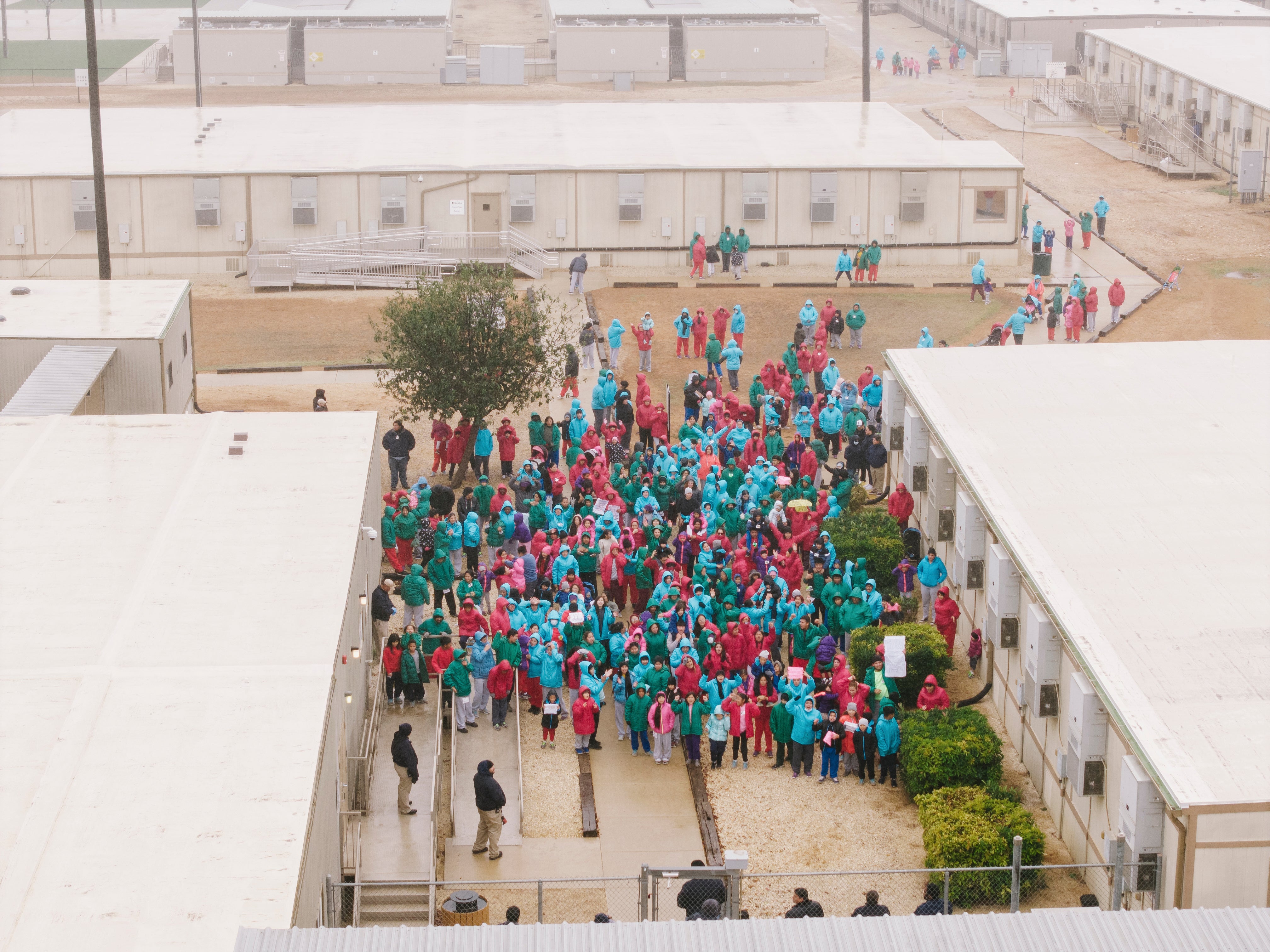
Other families are fighting for their freedom as well.
The El Gamal family, who have been in federal custody since last summer, have been detained longer than any other family at the Dilley facility since it reopened last year, when Trump returned to office, according to their lawyer.
“The most powerful adults in the world are subjecting the El Gamal children to systematic abuse for nine months and counting,” attorney Eric Lee, who represents the family, told The Independent in a statement. “It is farcical that the United States calls itself a democracy when the federal government deliberately ruins childhoods and strips young people of their innocence. We urge people all over the world to demand the El Gamal family’s immediate release.”
The family’s five children, ages 5–18, have been in custody since shortly after Hayam El Gamal’s husband, Mohamed Sabry Soliman, allegedly attacked a group of primarily Jewish activists in Boulder, Colorado. The group was demonstrating for the release of Israeli hostages held by Hamas. The attack wounded at least 29 people, and an 82-year-old later died from injuries she sustained during the attack. Soliman has pleaded not guilty to state charges, according to Colorado Public Radio.
The El Gamals have disavowed Soliman’s actions and say they did not know about his alleged crimes, but claim that they are now being punished.
“This prolonged detention has and continues to destroy our lives. It is slowly killing us on the inside,” the family’s 16-year-old, identified in documents as O.S., wrote in a letter. “Our mental health is at great risk. It is rapidly deteriorating with every day we spend here. Our lives are without purpose. We are just waiting for this nightmare to end.”
An Egyptian family — 18-year-old Habiba Soliman, her mother, and her four younger siblings — have been imprisoned at Dilley for more than nine months. Two of the children are 5-year-old twins.


They’re facing potential deportation to Egypt, but they’d prefer to return to their home in Colorado, according to NBC News.
Regardless of the outcome, Soliman’s time in Dilley may stay with her forever.
“This place broke something in us — something that I don’t know if we will ever be able to fix,” she told the broadcaster in a phone call.
The Trump administration is not just ignoring the 20-day rule but is actively seeking its end. Trump challenged the Flores agreement in 2019, but federal courts struck down his challenge in August. That hasn’t ended the president’s desire to remove the protection; his administration appealed the ruling earlier this month.
The Independent has requested comment from CoreCivic — which operates the Dilley facility — as well as the Trump administration.

