

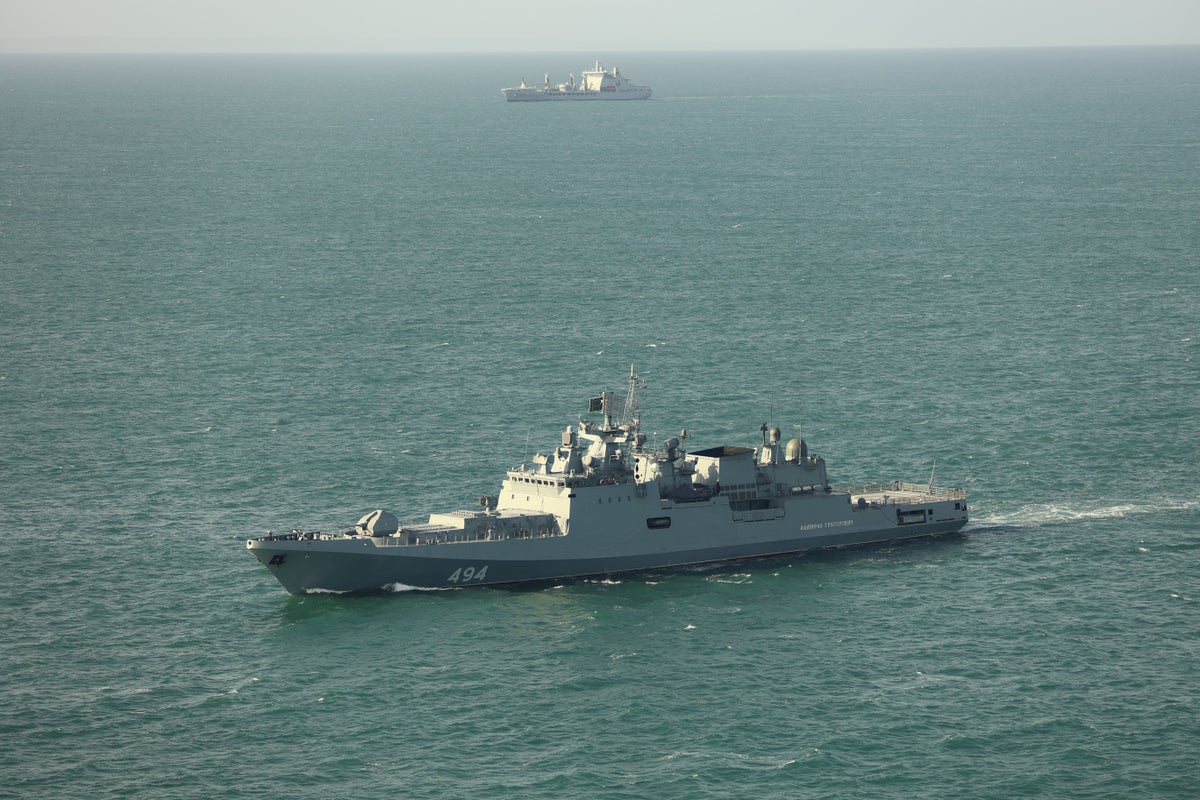
Saboteurs who deliberately damage undersea internet cables around Britain are expected to face jail under new laws designed to crack down on Russian interference.
The penalty for interfering with communications cables currently carries fines of just £1,000, unless prosecutors can prove the action was on behalf of a foreign power, which can be punished with a prison sentence.
But Liz Lloyd, the digital economy minister, said in a speech in central London that ministers would “make the law clearer, tougher, and much harder to evade, sending a clear message that if you act recklessly or if you deliberately target our cables, there will be serious consequences.”

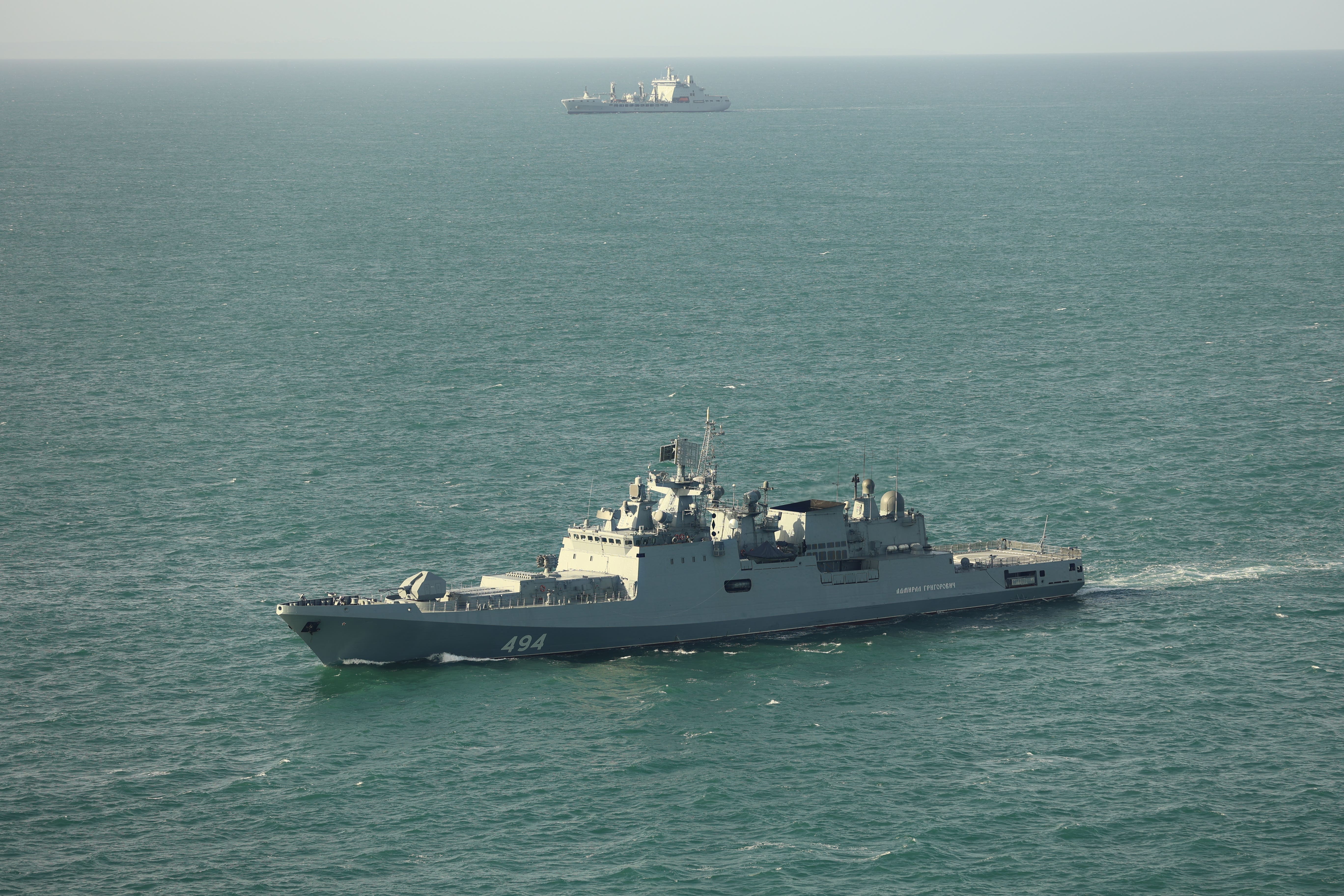
The move is designed to act as a deterrent to protect the undersea fibre-optic cables, which are responsible for 99 per cent of the world’s digital communications and perform an essential role in commercial, government and military operations by securely transmitting information.
Any damage to Britain’s undersea cables could cause serious political and economic disruption.
Baroness Lloyd said the UK’s message to Putin was simple: “We can see what you are doing and any interference will have serious consequences”.
Last month the defence secretary also issued a stark warning to Vladimir Putin after Russian attack and spy submarines were found operating in the North Atlantic.
John Healey told a press conference that in the previous few weeks, while many eyes were trained on the Middle East crisis, the UK had been forced to respond to “increased Russian activity” near crucial UK cables and pipelines in the Atlantic north of Britain.
And he revealed that the UK and allies monitored the vessels, which included a Russian Akula-class nuclear-powered attack submarine and two specialist submarines from Russia’s ministry of defence deep sea research programme, known as GUGI, for a month before they retreated.
The new tougher penalties will affect ship owners and operators who recklessly damage underwater infrastructure.
Acts of sabotage linked to a hostile state already carries life imprisonment for the most serious cases but undersea malicious activity sometimes operates in a “grey zone” which is difficult to prosecute.
The announcement came as the international community condemned Russia after one of its drones strayed into Romania and struck an apartment block.
Keir Starmer has condemned the crash as a “serious violation of Nato airspace”.
This is a developing news story, more follows…