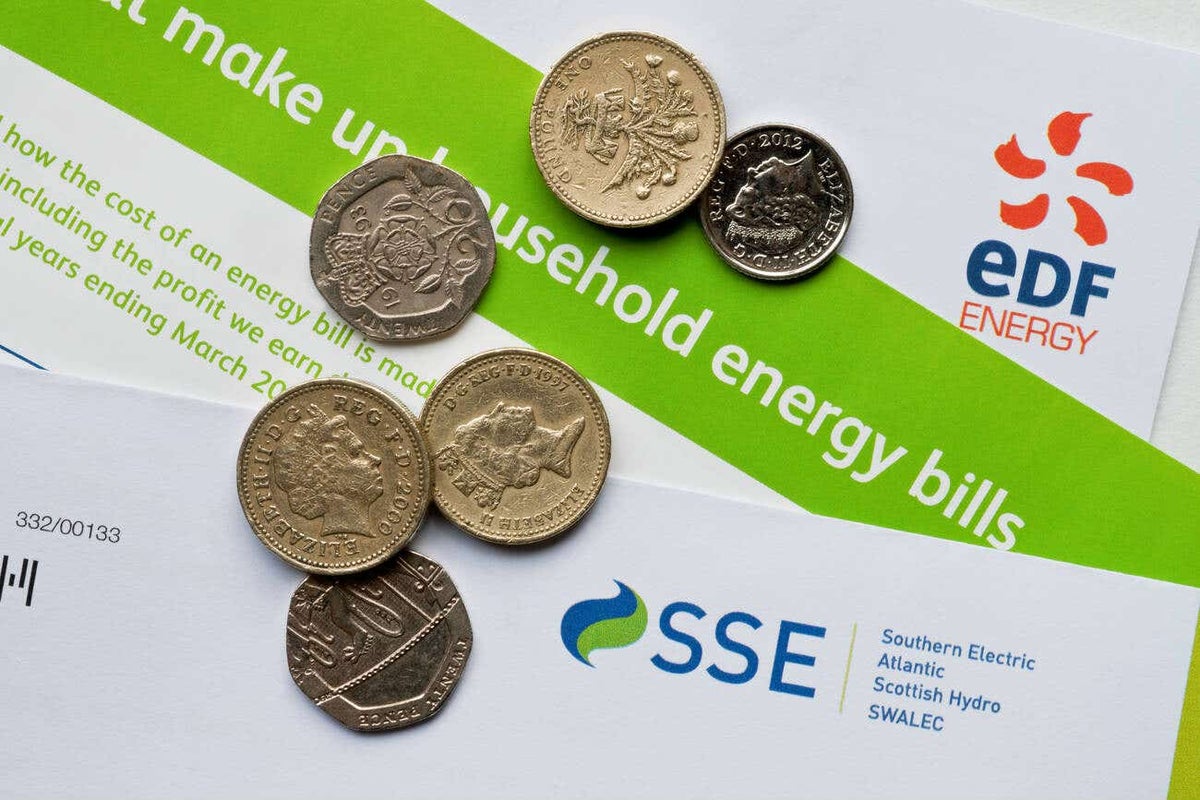
Energy regulator Ofgem has confirmed that the energy price cap will increase by 13 per cent from 1 July, a move set to heighten financial pressures on households across the country.
This adjustment means the average household using both electricity and gas will see their monthly bills rise by £18.
Specifically, gas bills are projected to jump by 24 per cent, while electricity costs will increase by 5 per cent.
Consequently, a typical household’s annual energy expenditure will reach £1,862, marking a £221 increase from current levels. Early predictions suggest further rises are anticipated in October.
Ofgem chief executive Tim Jarvis said: “Today’s price change reflects continued volatility in global energy markets. This means higher wholesale gas prices, driven by ongoing conflict in the Middle East, is impacting the price we pay for energy.
“We understand many will be concerned about rising prices. While energy use typically falls over the summer months, there are still practical steps households can take to manage costs, including exploring fixed tariffs or changing their payment method.
“Smart meter customers can also take advantage of half price or cheap electricity at the weekends.”
With prices continuing to rise, making small changes at home can make a real difference. Here are five simple swaps that could help you save a little extra money on your energy bills.
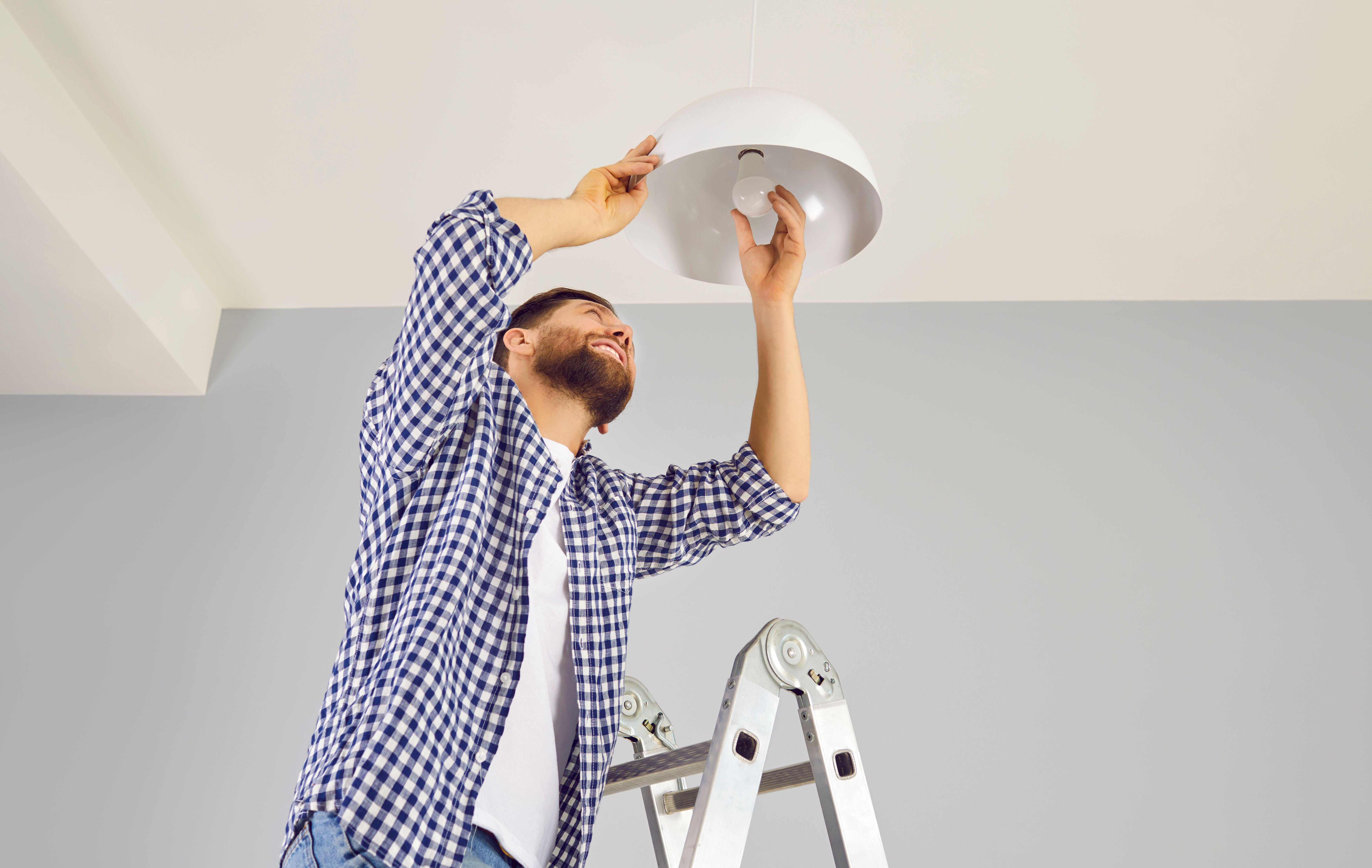
1) Swap out any old light bulbs
LEDs use up far less energy than traditional bulbs and typically last much longer, reducing the frequency of replacements.

Get a free fractional share worth up to £100.
Capital at risk.
Terms and conditions apply.
Go to website
ADVERTISEMENT
Get a free fractional share worth up to £100.
Capital at risk.
Terms and conditions apply.
Go to website
ADVERTISEMENT
“The easiest wins are always things that people have forgotten to swap over the past 10-15 years, and it’s often to do with lighting,” says Becky Lane, CEO of home energy company Furbnow.
“Old light bulbs are really inefficient, particularly halogen ones, and newer light bulbs over the past 15 years predominantly tend to be LED and how they consume energy is a lot more efficient than older ones for the same amount of light that they can output. So, if you haven’t swapped them yet, this can be a really easy switch to do.”
2) Replace locks, hinges and seals in your windows and doors
Upgrading or adjusting your window and door hardware is an effective, budget-friendly way to stop drafts, retain indoor heat, and lower your energy bills.
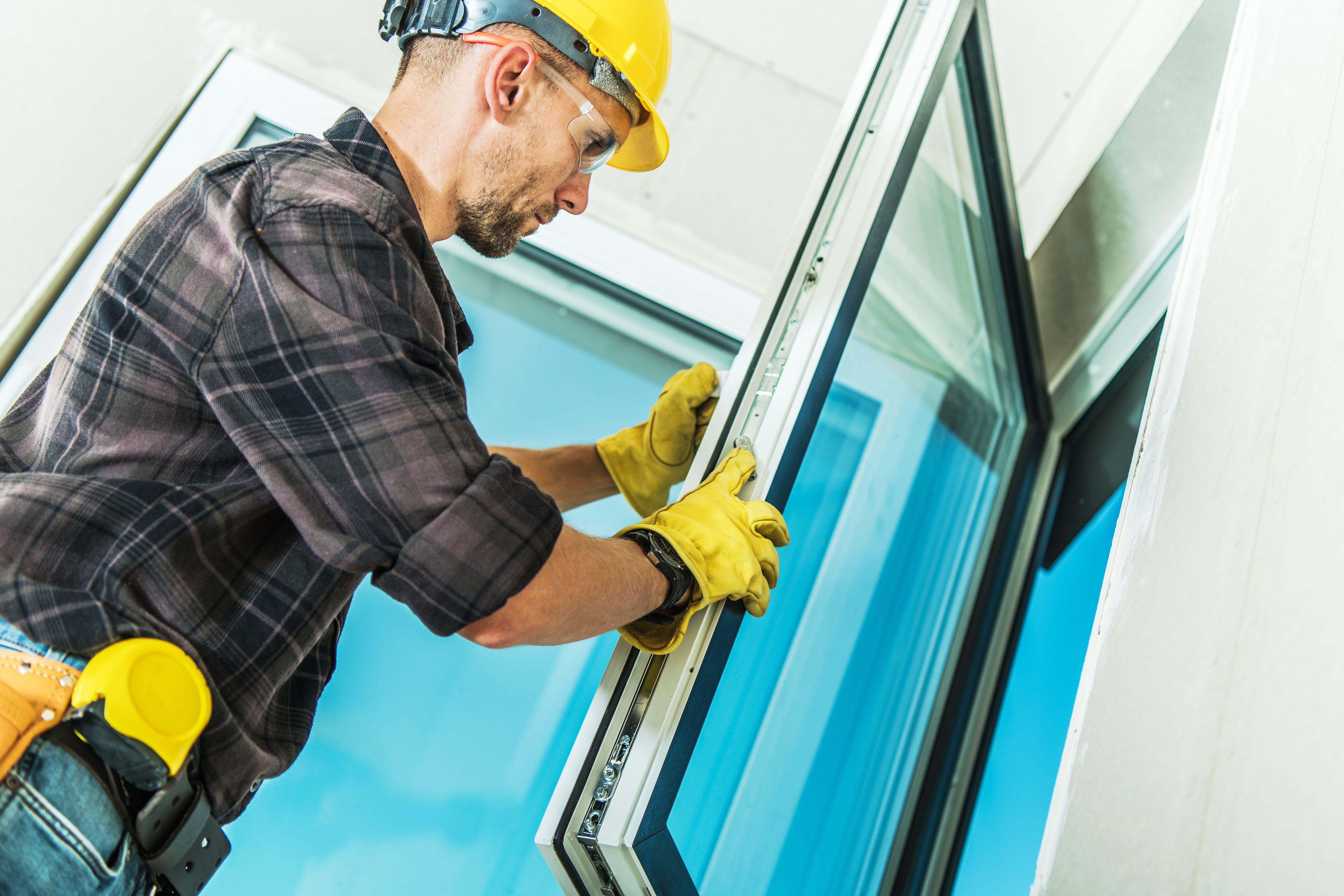
“The condition of windows and doors can have a massive impact on the energy efficiency of a home, but also impacts how drafty it is as well,” says Lane.
“Look at the condition of the seals and the frames. If it’s very drafty, you can replace the hinges and locks which tends to be really cheap. Replacing the seals is also fairly affordable and easy to do when it’s drafty to help reduce that wasted heat.
“Also, look to see if the glazing has actually blown, which causes windows to go all misty inside, as it might be worth replacing any panes which have blown too.”
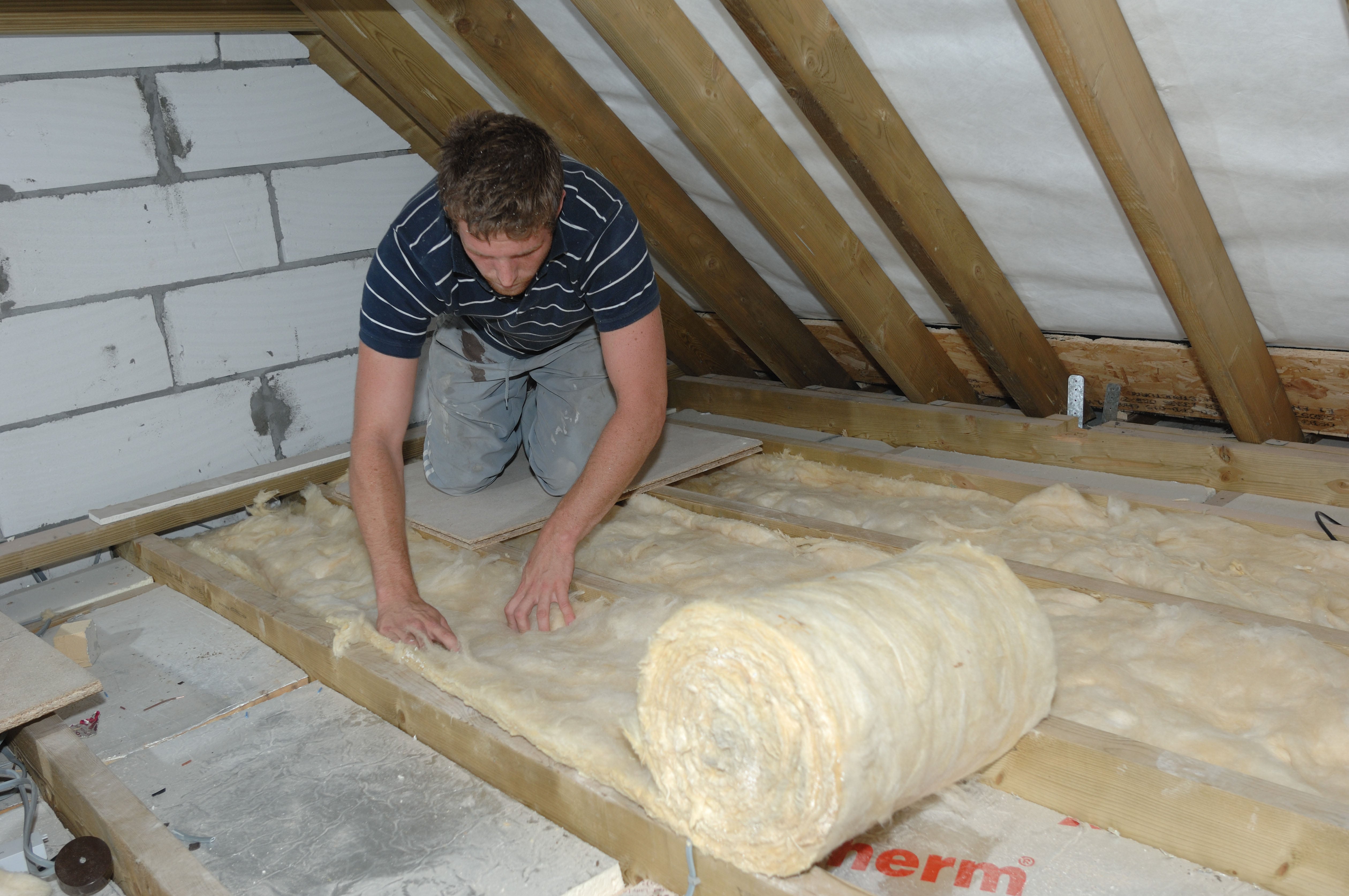
3) Boost energy efficiency with loft insulation upgrades
Upgrading or topping up insulation can make a noticeable difference in retaining heat and reducing energy bills.
“Loft installation is such a quick win,” says Lane. “You want to aim for about 200mm of loft insulation in your loft space.”
If you already have loft insulation, check to see if it is still in a good condition.
“If you had your loft insulation done 20/30 years ago, it might have compacted and slumped overtime which means that it’s not as effective as it would have been before,” says Lane. “But, you don’t need to remove it. You can just add more loft insulation on top to get it to 200mm.
“It’s also really important to make sure that you lay the loft insulation down so it’s connected with the loft base, rather than on top of any boarding that you have, because that means it will be much more effective.”
4) Swap out any old manual valves with thermostatic radiator valves
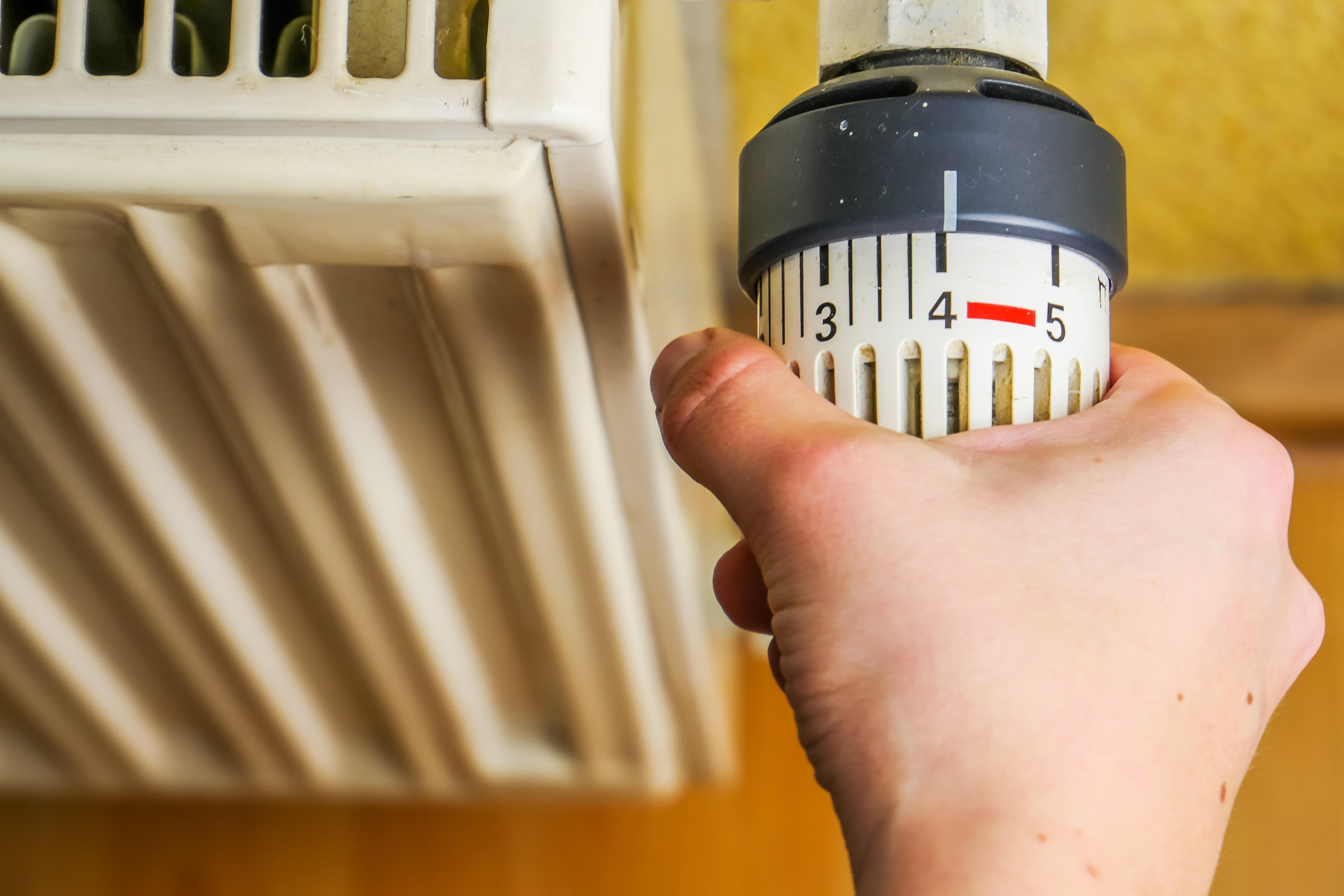
By allowing you to control the temperature of individual rooms, thermostatic radiator valves prevent you from overheating unused spaces.
“Adding thermostatic radiator valves can also be a no-brainer because it means that you are only heating each room to the temperature that needs to be,” says Lane. “You can invest in these over time and don’t need to replace and pay for them all immediately.”
5) Switch your payment method to direct debit
Most UK energy suppliers offer cheaper unit rates to direct debit customers.
“Direct debit spreads your costs evenly across the year – and it’s usually the cheapest way to pay,” says Lynette Williams, senior energy expert at Citizens Advice.