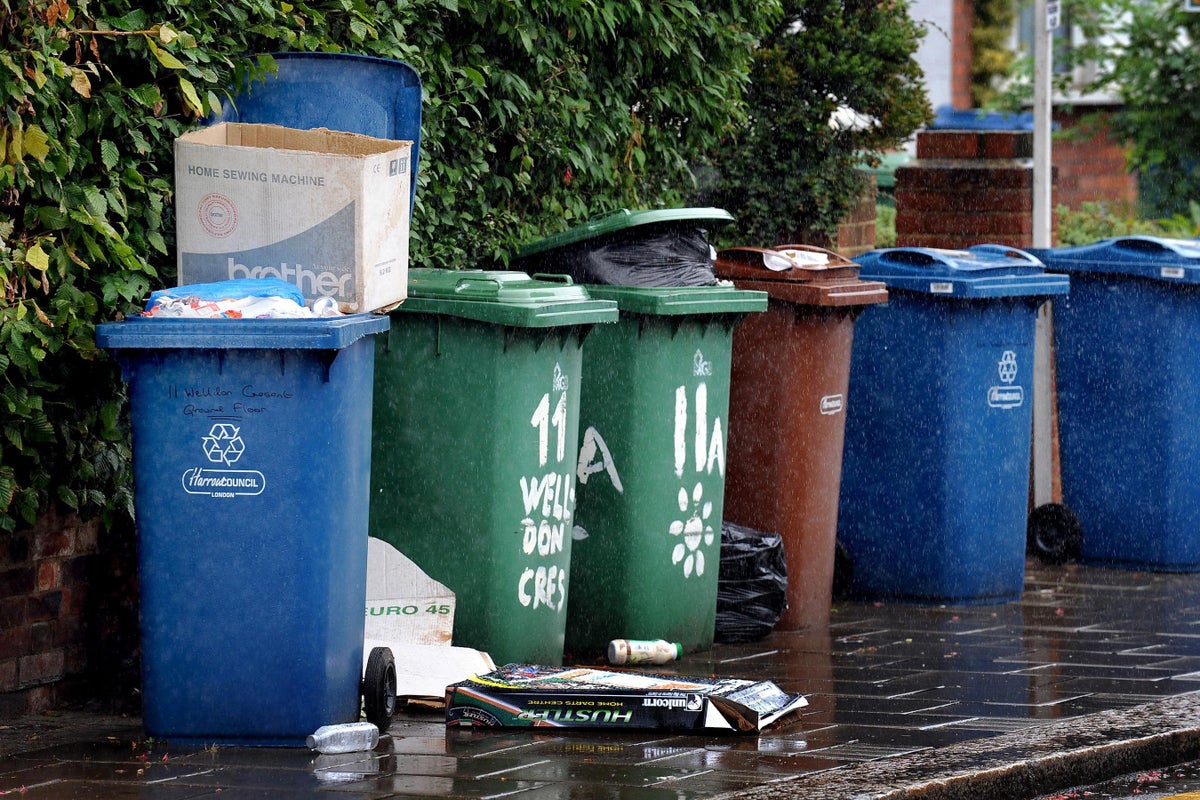
New rules for household waste and recycling have come into force across England, marking a significant effort to standardise collections nationwide.
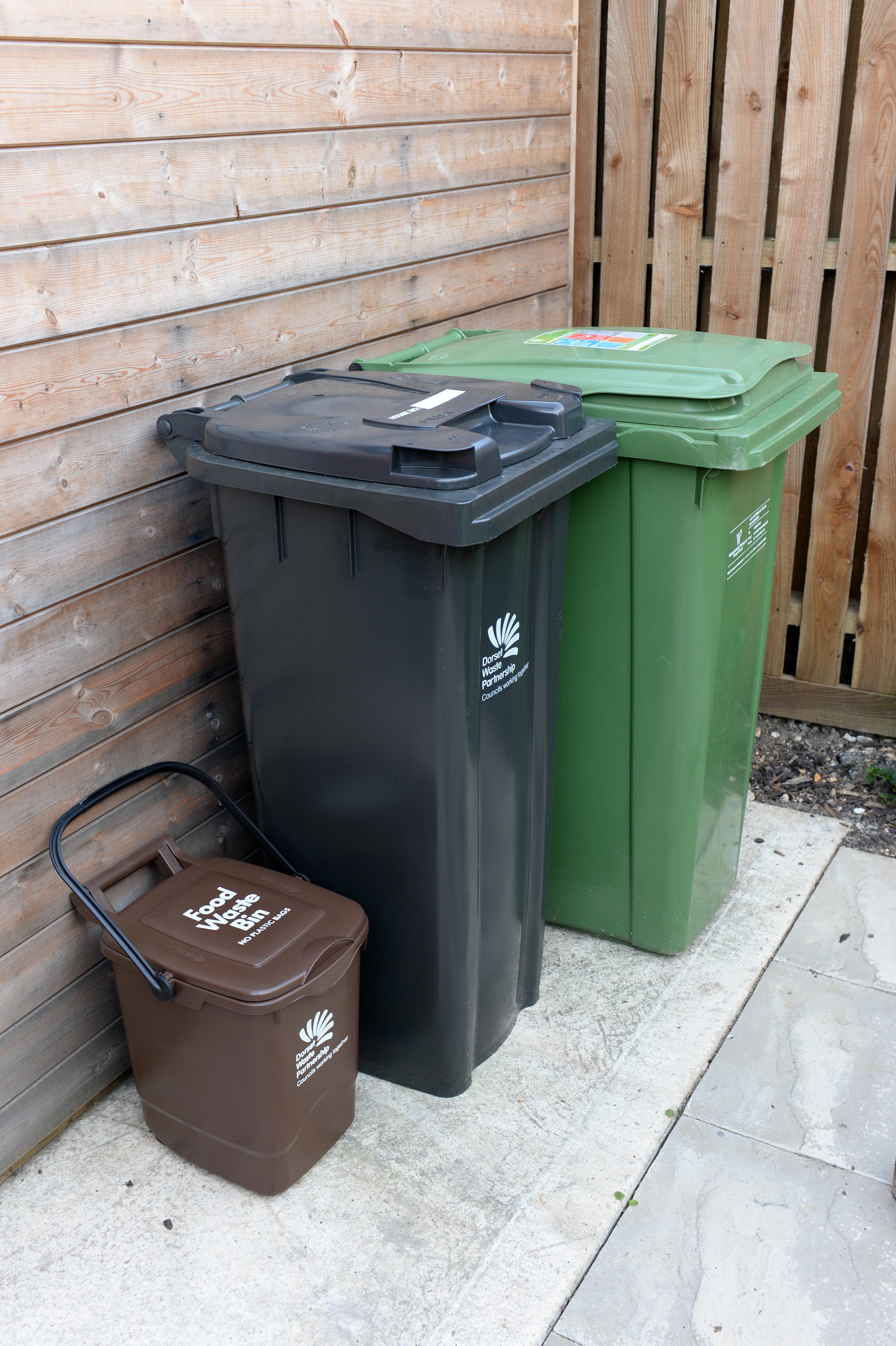
From Tuesday, households will now typically separate their waste into a maximum of four distinct bins.
These include dedicated containers for food and garden waste, paper and card, dry recyclables (such as glass, metal, and plastics), and general non-recyclable rubbish.
In a move offering some local flexibility, paper and card can be combined with other dry recyclables in certain areas, potentially reducing the number of bins to three.
This initiative seeks to replace the previous “confusing patchwork of systems” that emerged from local councils determining their own collection methods.
Ministers have stated that this flexibility will enable local authorities to deliver services best suited to their communities.
The government asserts that the new regulations will streamline sorting and collections across the country, ultimately ensuring a greater volume of high-quality recycled material can be processed domestically and utilised by manufacturers for new products.

It is hoped the rules will also reduce planet-heating carbon emissions as less rubbish burned, support the growth of the UK’s reprocessing industry, and cut other environmental and social impacts of waste disposal.
Circular economy minister Mary Creagh said: “We are ending the bin collections postcode lottery and making it easier for people to recycle wherever they live.
“Simplifying these rules will cut out carbon, clean up our streets, and help bring pride back into our communities.
“We will continue to work hand-in-hand with local areas to deliver these changes and ensure there’s more recycled content in the products we buy.”
It comes as part of wider Government efforts to boost a circular economy in the UK so that resources are kept in use for longer, waste is reduced and green growth is supported through investment in infrastructure and jobs.
The Government has also introduced an extended producer responsibility scheme, which sees packaging producers pay fees to cover the cost of recycling or waste management.


It also plans to launch the delayed deposit return scheme in 2027, where consumers pay a small deposit when buying drinks in plastic bottles or metal cans, which is returned upon taking the empty container back to retailers.
To support some local authorities with area-specific delivery challenges, the Government said additional support will be provided, such as agreed transitional arrangements allowing a later implementation date.
Ministers added that more than £78 billion has been made available to councils in England this year, which includes funding for rolling out weekly food waste collections for all households.
This is alongside £340 million to support councils as they prepare for the new collections.
Households can find out how their council is rolling out the new rules at gov.uk/recycling-collections.