


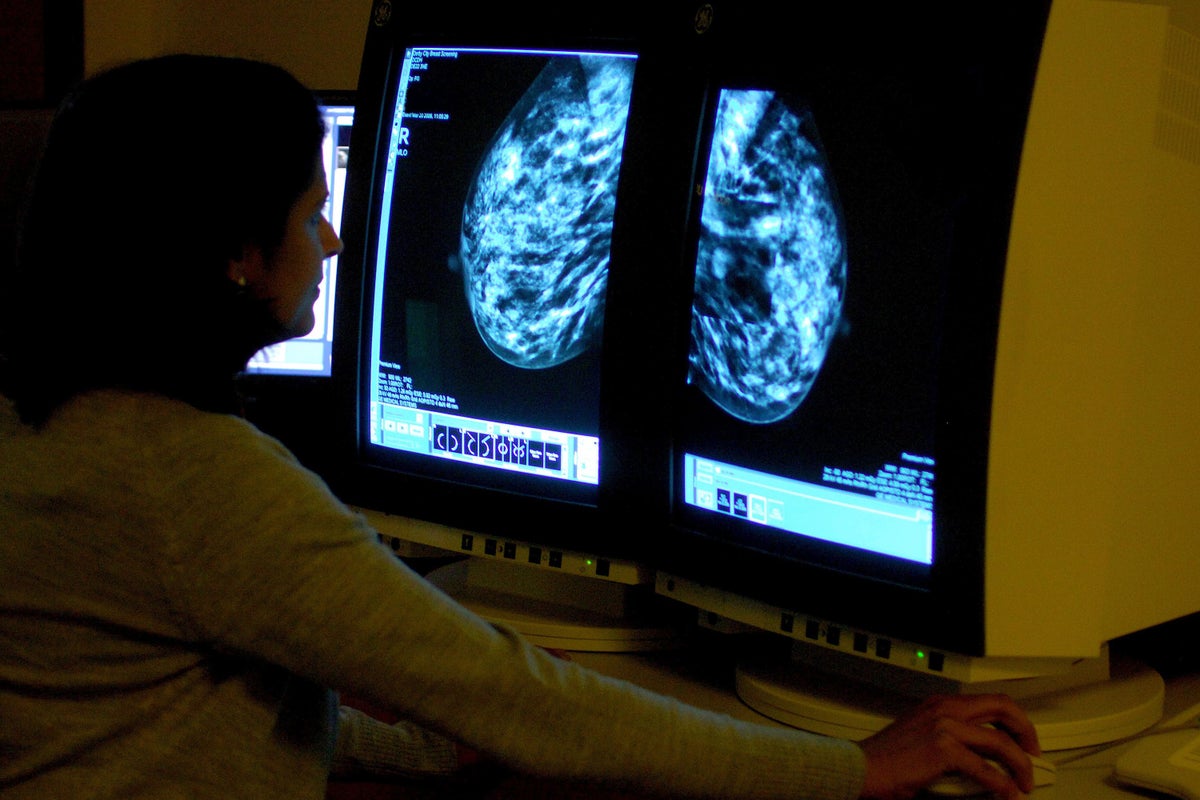
Millions of breast cancer patients could be spared chemotherapy with a revolutionary new genomic test, a clinical trial has shown.
The most common type of cancer in women in the UK, breast cancer is usually treated by removing tumours with surgery before fighting any resurgence with chemotherapy.
But while effective in combating some forms of the cancer, chemotherapy can come with a raft of undesirable side effects, including hair loss, nausea, insomnia, fatigue, and even infertility and cognitive impairment.


Doctors are also concerned that many people with the most common, hormone‑sensitive type of breast cancer receive little or no benefit from chemotherapy, but still experience its significant and sometimes dangerous side effects.
A groundbreaking new genomic test can reliably tell women who will benefit from chemotherapy and who will not, a trial from University College London (UCL) has shown.
The Optima trial observed more than 4,400 women and men aged 40 or older following surgery for hormone-sensitive breast cancer. All participants were deemed to have a high risk of future recurrence and would usually have been prescribed chemotherapy.
Participants all took a genomic test called Prosigna, which measures the activity of genes involved in breast cancer growth.
Those who received a high score (above 60) were given chemotherapy and hormone therapy, while those with a low score (less than or equal to 60) were treated with hormone therapy alone.
Of the low-scoring group who did not receive chemotherapy, results showed that outcomes were very similar whether chemotherapy was given or not. Five years after treatment, 94.8 per cent of those who received chemotherapy alongside hormone therapy were alive and free from breast cancer recurrence, and 93.6 per cent of those treated with hormone therapy alone were also alive and recurrence-free.


Doctors said the results show that people aged 40 or older with hormone‑sensitive breast cancer and a low Prosigna score can safely avoid chemotherapy.
Karen Bonham, 64 and from Cardiff, took part in the trial after she was diagnosed with breast cancer in June 2017.
Ms Bonham was only days away from starting treatment and had “already cut my hair short” when she was told she was part of the group who did not require chemotherapy.
“How to describe the initial feeling? Immense relief? Like Christmas? Certainly a mixture of the two,” she said.
Instead of chemotherapy, Karen went on to receive radiotherapy and hormone therapy. Almost nine years on from her diagnosis, Karen now says she does not feel defined by cancer and has returned to normal family life. She added taking part in the Optima trial “helped decision making to allow me to receive targeted, appropriate treatment more quickly and has enabled my positive health outcome”.
Researchers said they are confident the trial shows medics can “safely reduce” the use of chemotherapy for women across the world with breast cancer.
However, they said more research needs to be done to understand whether the test can have the same benefits for men and those aged under 40.
Co-chief investigator and professor of breast oncology at the University of Glasgow, Iain MacPherson, said: “Optima provides robust, practice‑changing evidence that we can safely reduce the use of chemotherapy for many patients with hormone‑sensitive breast cancer.
“These findings represent a major step forward in delivering more personalised, precise care, ensuring that treatment decisions are driven by what will genuinely improve outcomes for patients, while avoiding unnecessary toxicity. The potential impact for both patients and health services is substantial.”