

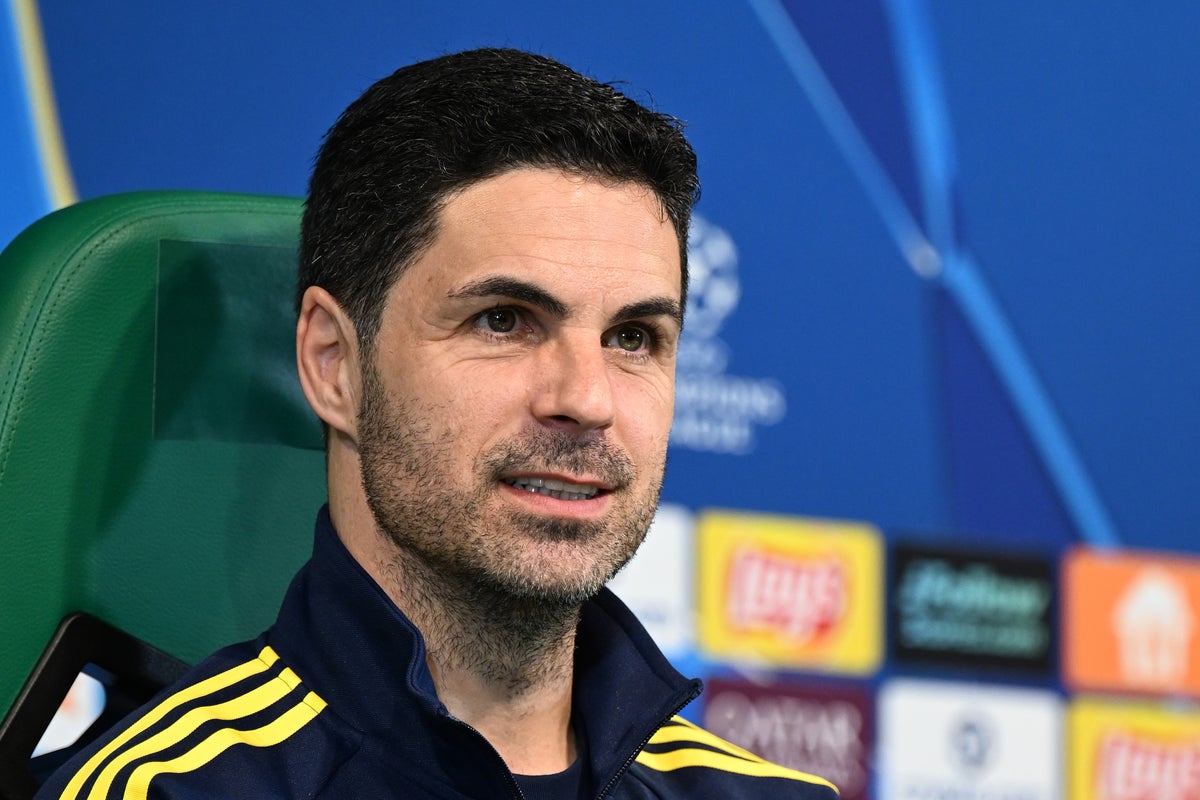
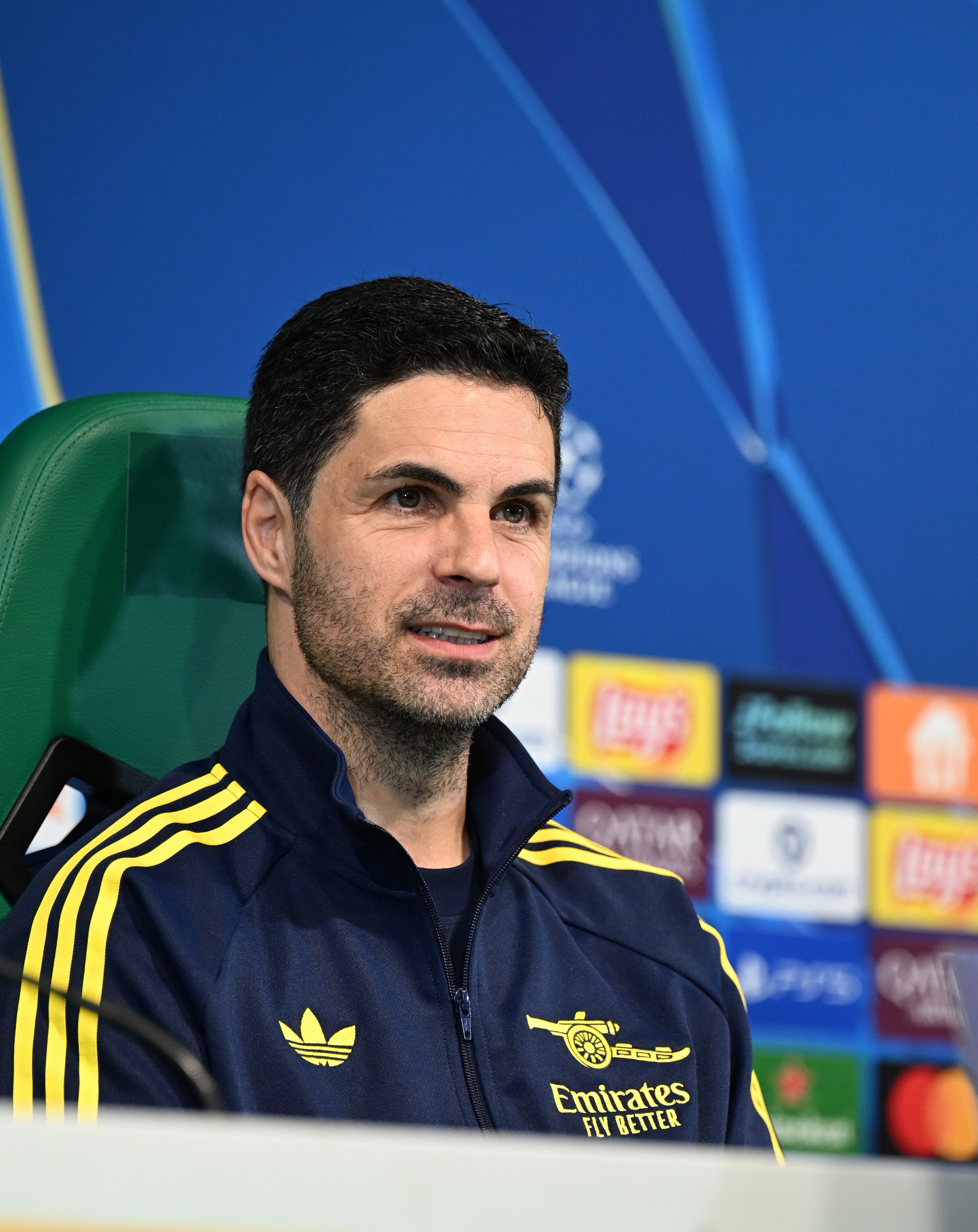
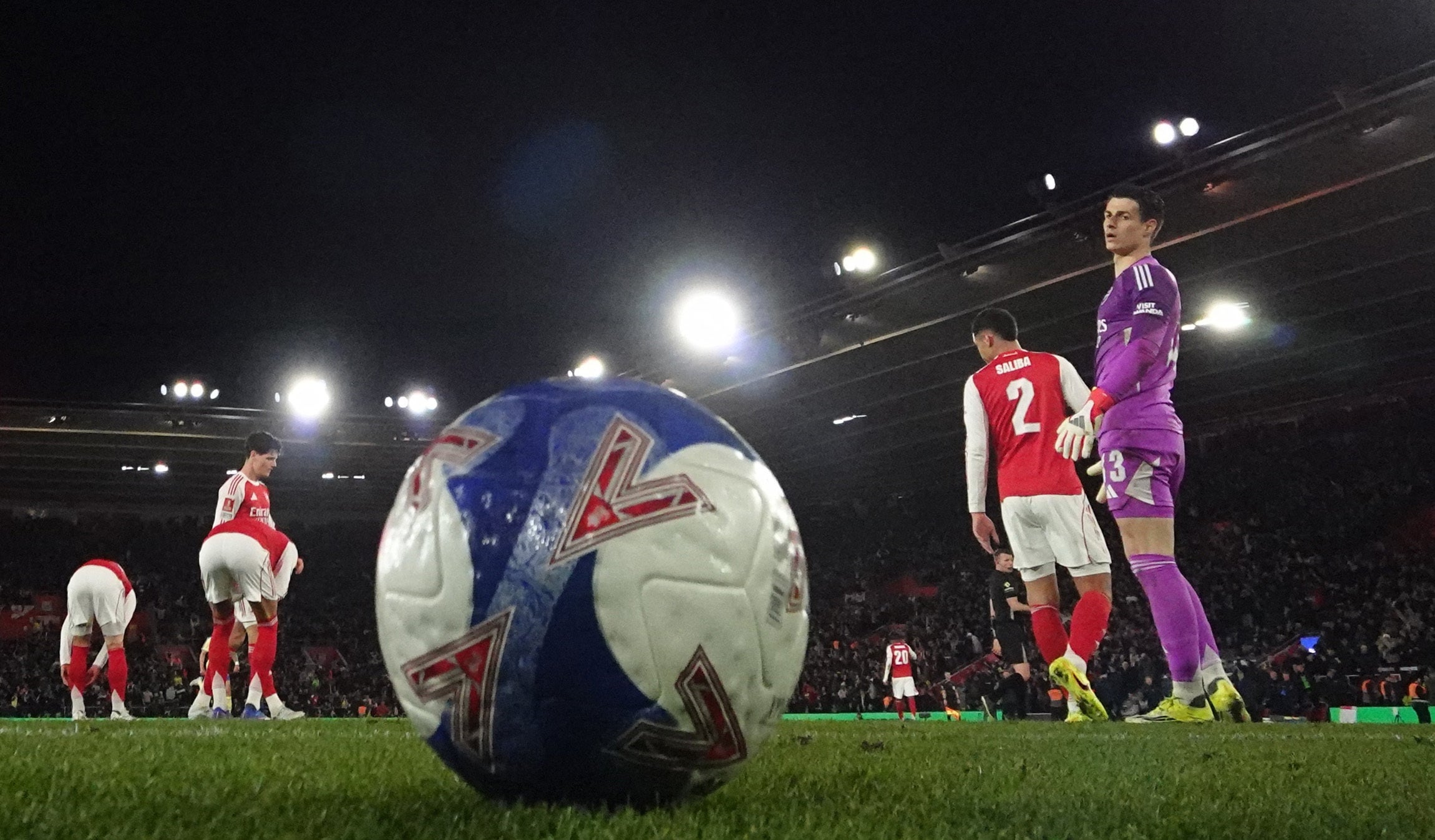
For moments like Saturday’s surprise FA Cup defeat to Southampton, Mikel Arteta now has a set process. The Basque has even been witnessed privately forcing a changed facial expression before speaking to media or his players, to radiate a desired mood.
Arsenal’s many critics would quip he’s had to get used to such moments.
It is precisely because of such noise around the club, however, that Arteta seeks to immediately shape the responses. He knows criticism will already be scathing and any mockery will be, well, quadrupled, so there’s little need to make his players further dwell on that.
“Feel that pain, feel that emotion, and use it to be better and to improve,” Arteta said.

The intent is instead to shut out any doubt, and remind them how much there is to aim for.
“We worked so hard to be in this position,” Arteta reminded his players.
Four trophies may have quickly become two, but there’s still only one that matters.
Arteta and the entire club are fully aware that this entire season ultimately comes down to the Premier League title.
Win it and nothing else will matter. Fail and it will feel like everything comes crashing in worse than ever… with the possible exception of Europe.
The Champions League now suddenly occupies a strange place in Arsenal’s season.
This most prestigious of club competitions is known to be one that Arteta really wants, since his greatest ambition is to be the manager who finally brings that grandiose trophy to Arsenal.
“It doesn’t get bigger than this,” he said in Lisbon. There is yet the possibility that Arteta does a version of what Liverpool managed in 2018-19, and wins the Champions League after faltering in the Premier League.

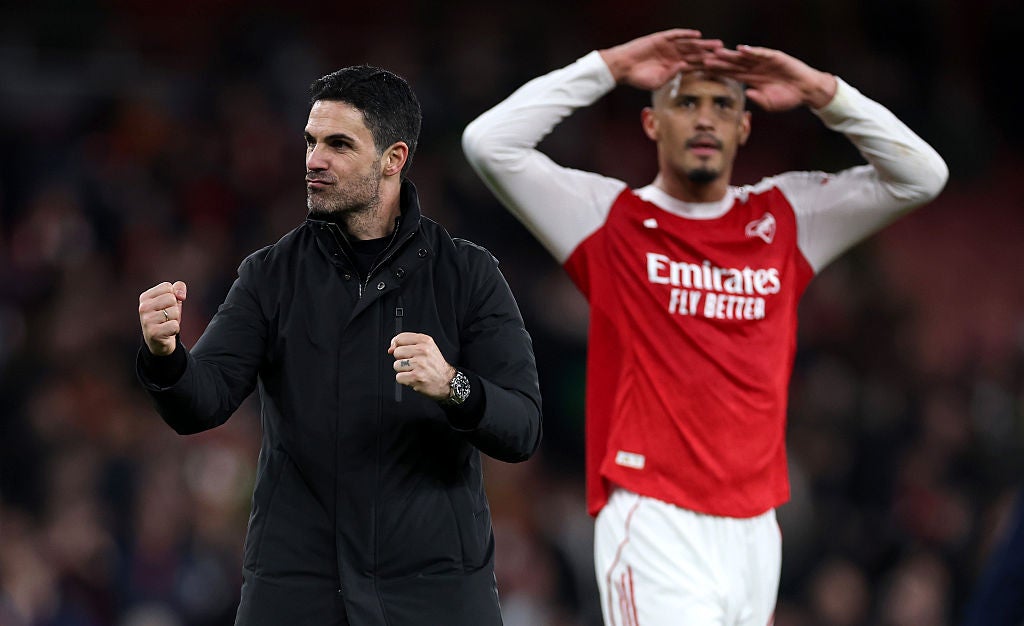
No one currently wants it like that, though, especially amid the awareness of how emotionally intertwined all of these competitions feel.
“Momentum,” as one squad figure repeatedly says, “is everything in football.”
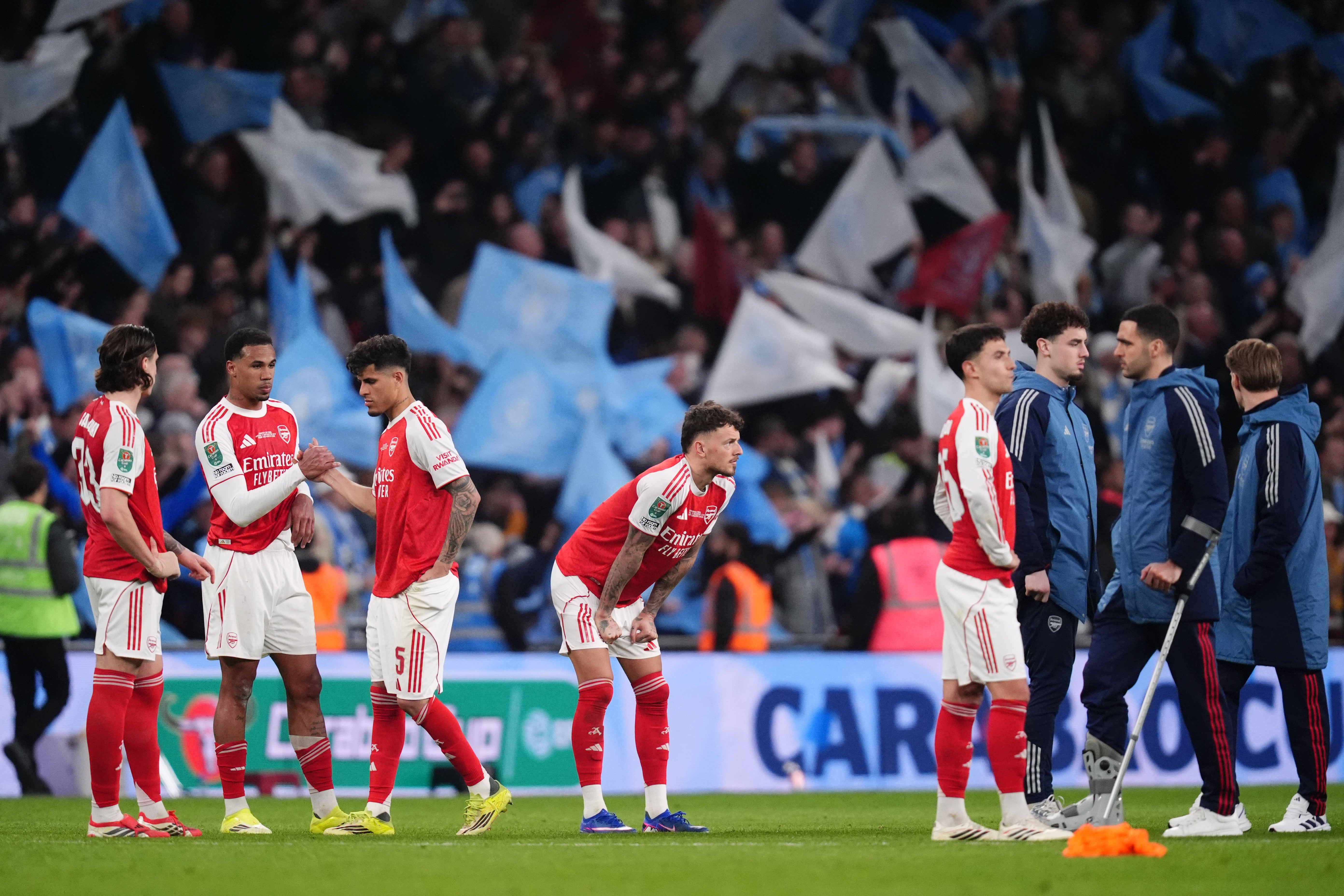
Arsenal appear to have lost theirs, or certainly slowed down since the Max Dowman goal against Everton. The Carabao Cup final defeat to Manchester City currently looks like it represents an emotional swing.
Pep Guardiola’s side are again scoring for fun and enjoying themselves, as Arsenal can once more feel the angst growing. All of a sudden, a nine-point lead with a game more played doesn’t feel like that, despite it remaining the same as three weeks ago.

It is into this emotional maelstrom that a trip to Sporting falls.
Arsenal won’t think like this, but it’s hard not to see this as a relatively forgiving tie, especially when their last two Champions League quarter-finals were against Bayern Munich and Real Madrid. There’s an obvious opportunity, especially with how those two European giants – as well as four others in Barcelona-Atletico Madrid and Paris Saint-Germain-Liverpool – will be seeking to knock each other out now.
This first leg in Lisbon might consequently have allowed a more measured approach – where even a narrow defeat isn’t a disaster – but it now has a greater emotional significance.
For one, after three poor displays in a row – including that 2-0 over Everton – Arsenal could do with re-asserting their quality. Any further drop-off and Saturday’s huge game at home to Bournemouth will only ratchet up in tension.
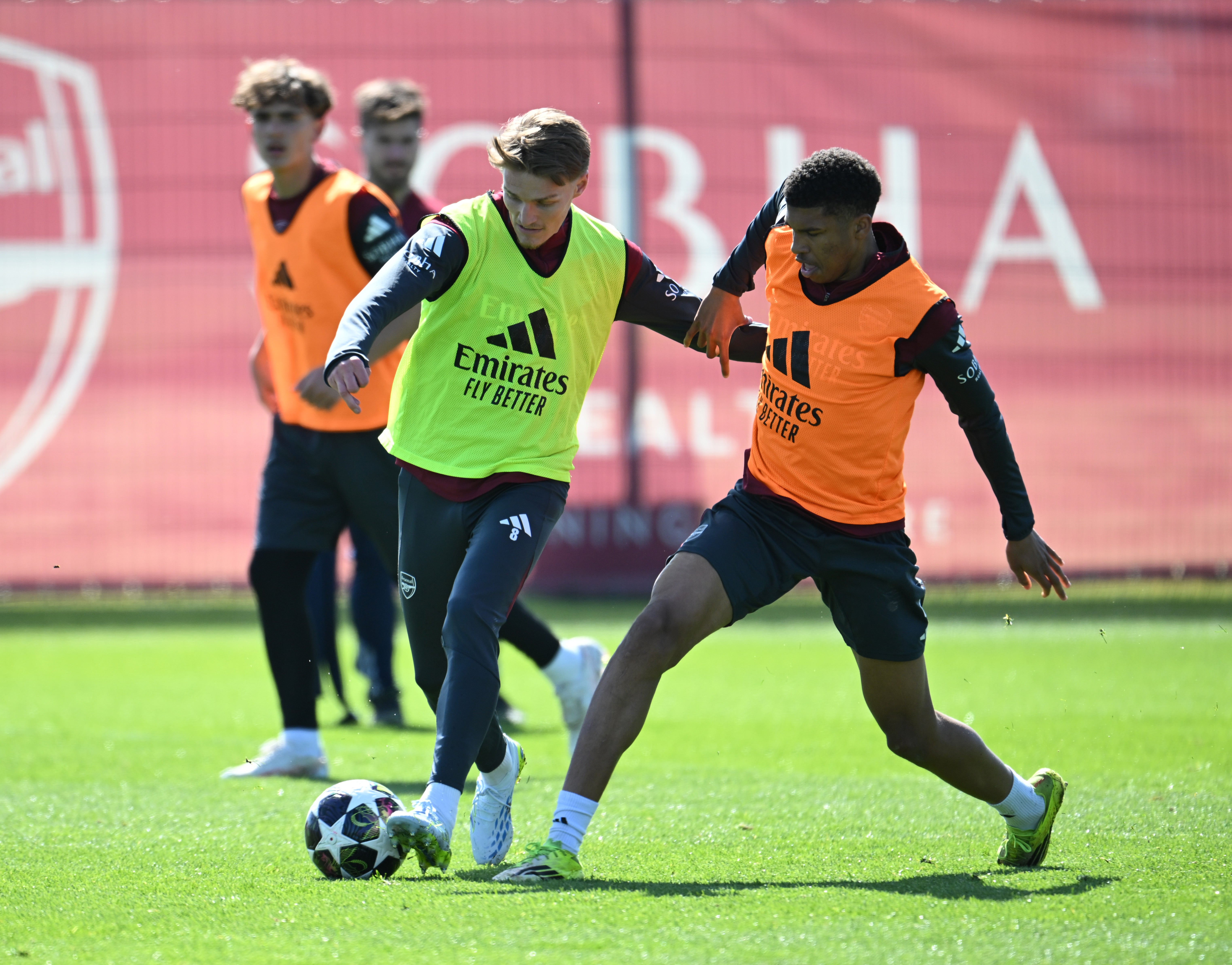
For all the relentless focus on Arsenal’s mental state, though, training-ground figures argue that their physical state is much more important.

Or, rather, that is what really shapes the psychology.
They point to how the squad have only had two midweeks without matches since August. That has an increasing cost.
Favourable cup draws end up becoming burdens, and not just for the humiliation of failing to win them. They are invitations to push further, at periods when the squad could actually have done with easing off.
It is the old Leeds United problem of the late 1960s and early 1970s, but for the modern age.
Some sources are adamant Arteta should have played even weaker teams in both domestic cups, so that as much energy as possible could go into the league.

The Basque can’t really help himself, though, and there are many who have expressed similar concerns about the constant intensity of training.
That’s also why the much-discussed international withdrawals weren’t some Sir Alex Ferguson tactic. National team staff could see that so many Arsenal players were close to the red zone.
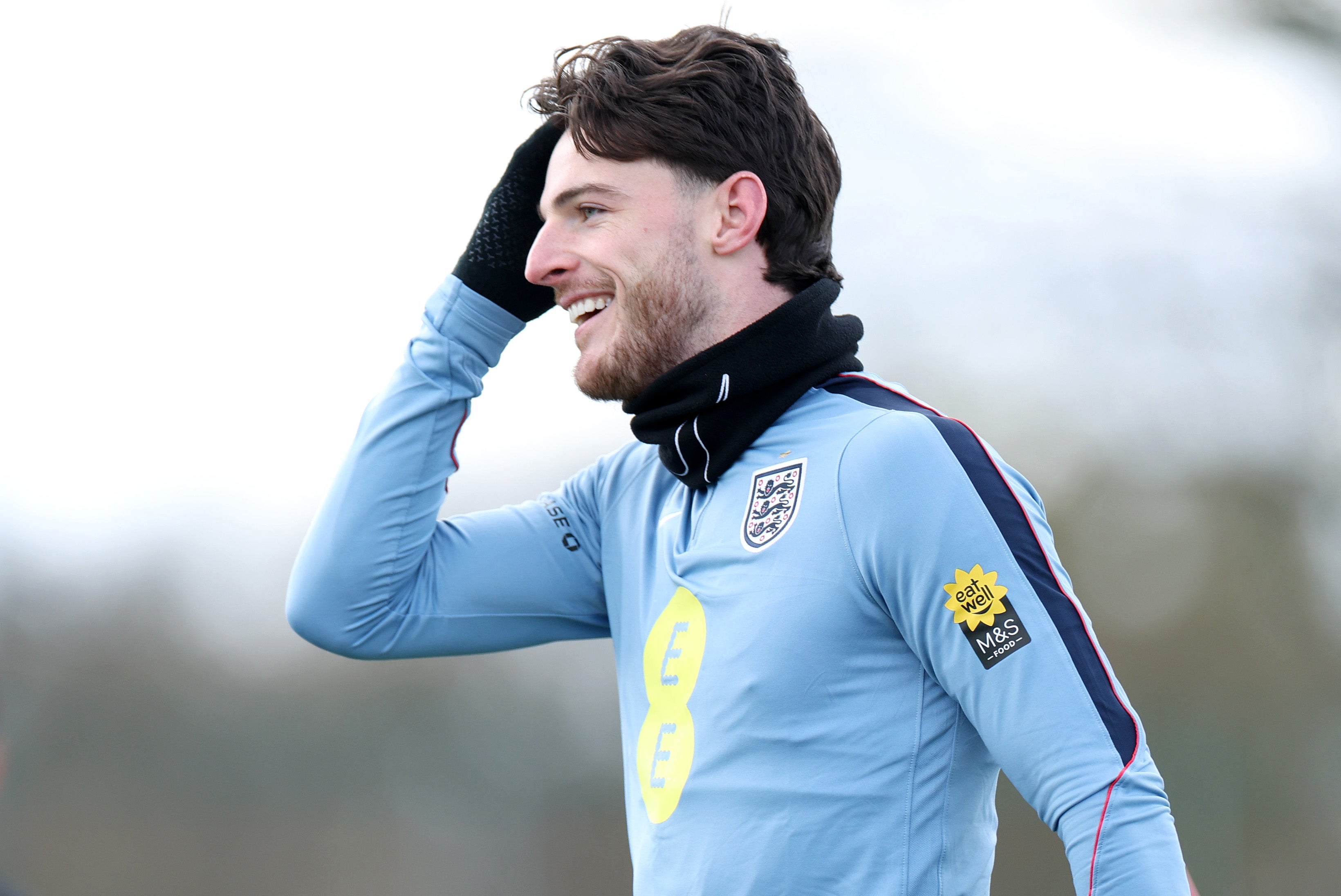
Declan Rice nearly missed the Carabao Cup final. Bukayo Saka has had an issue that required rest for a while.
If such players aren’t close to 100%, or if a few are missing, it starts to break crucial connections in Arteta’s intensively drilled pressing. Hence the team don’t play in the same way, and those psychological doubts build.
Arsenal sources believe that if the team was some way fresh or able to prepare for each Premier League game from week to week, they would just perform in a way that would negate angst.

Actual title winners would of course counter that’s just not how they are secured. You have to fight through such issues, no one has the luxury of flying.
The wonder now is whether a break of more than two weeks without a game will offer rest that players like Rice and Saka needed.
Martin Odegaard stayed home during the international break, and one positive being felt from the Southampton game is that it showed the Norwegian in his best shape for months. Eberechi Eze is hoped to be back for the second leg against Sporting, and Jurrien Timber maybe that same week – just before the big one away to Manchester City.
What happens between now and then will dictate so much of that showdown.
By the same token, there is a feeling that the Southampton defeat may have been more a consequence of complacency – or at least an inability to raise the same intensity as so many recent big games – rather than a perpetuation of deeper performance issues. David Raya hasn’t played either of the last two games, and is essential to how Arsenal build.

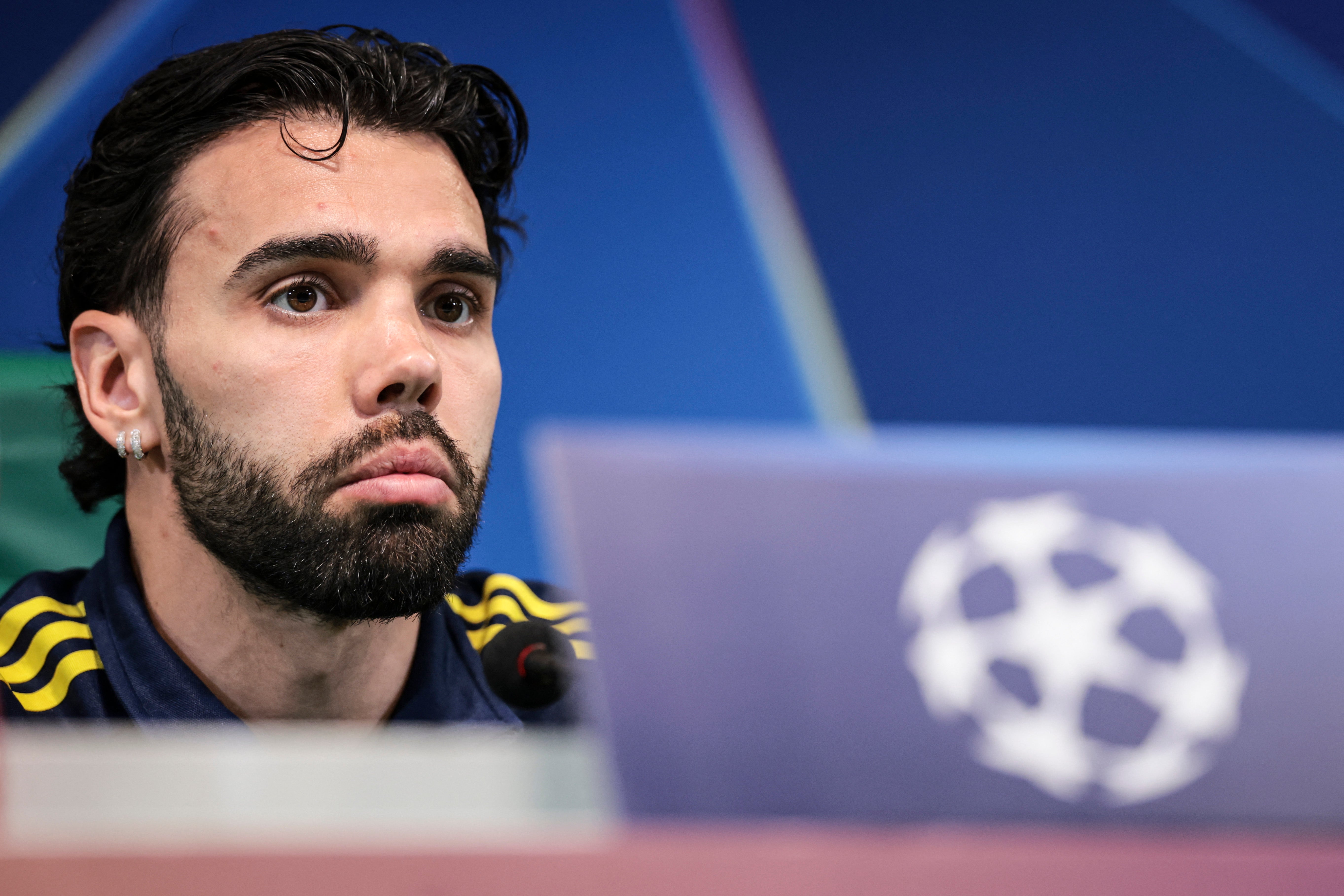
“We were very clear in what happened, the reason why it happened,” Arteta said.
The same international break at least indicated that Viktor Gyokeres is finally finding scoring form, having scored the goal that sent Sweden to the World Cup, as he returns to his former club.
“Those are experiences that you put in your veins,” Arteta said.
The performances of his replacement, however, are already informing a debate about Gyokeres that might reach new levels if Arsenal do fail to win anything.
Luis Suarez has put up similar numbers to the Swedes’ first season at Sporting, indicating that such returns may say more about the quality of the Portuguese league rather than that of its top scorer.

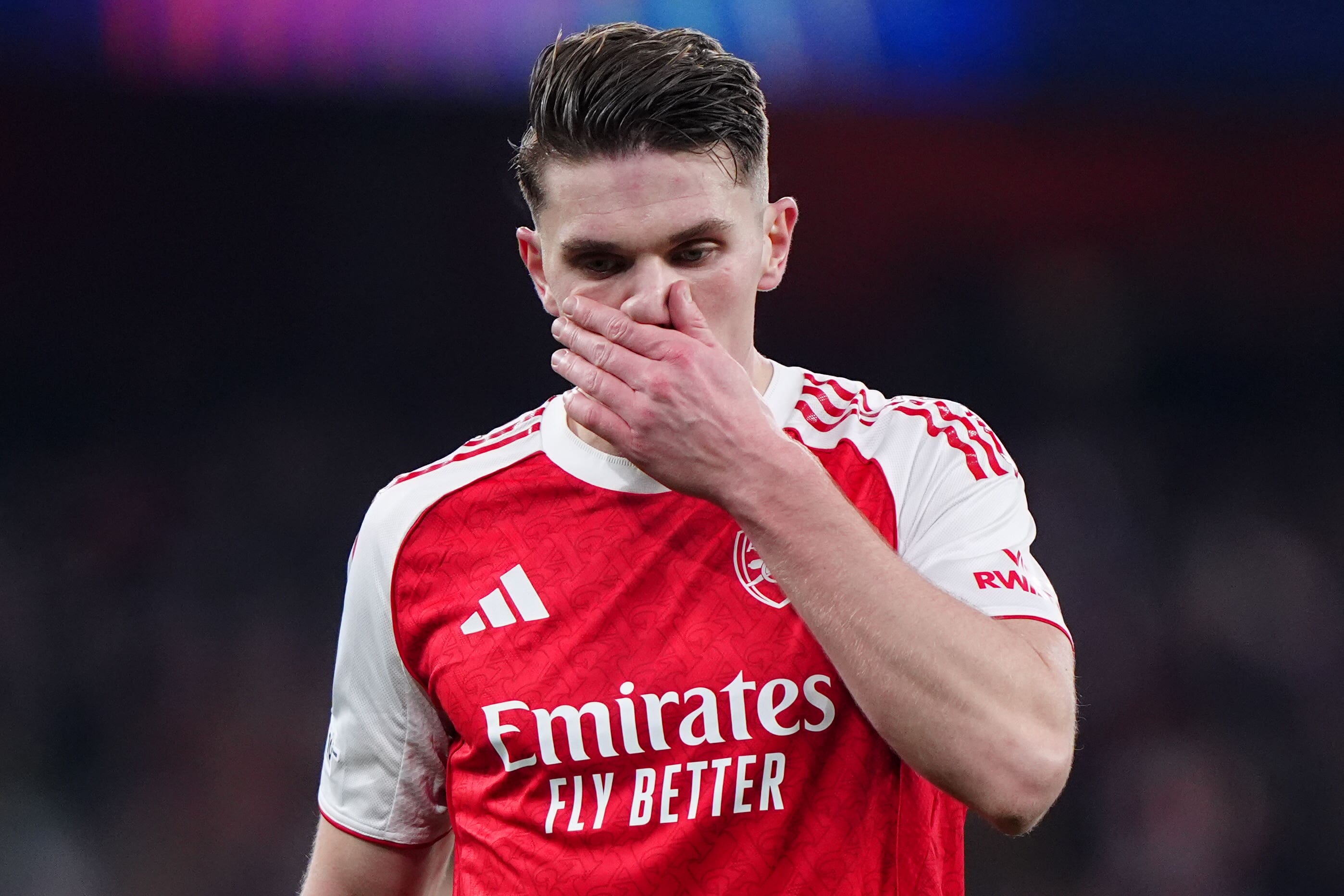

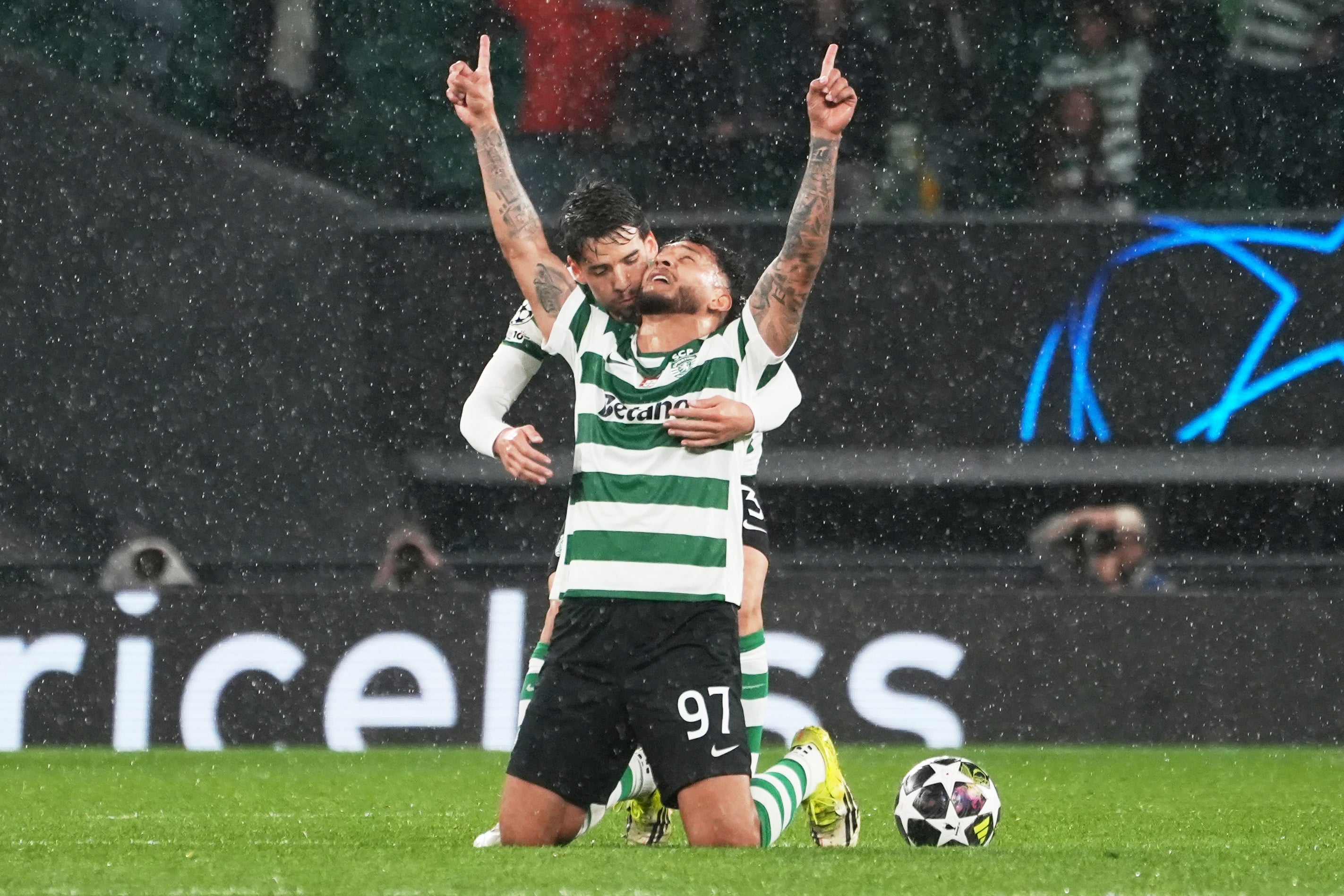
Even within that, Sporting have still been a model of regeneration. The team could have imploded after the departure of Ruben Amorim, who revitalised the club. Replacement Rui Borges instead kept it going to win the title, while adding even more angles to attack.
Sporting are now viewed as a more varied team, given how Amorim’s champions were more intense in a singular way.
That may also be one reason why Sporting have been seen as “fragile” in big games – especially against Porto, Benfica and Braga, where they have struggled against solid teams. There are few as solid as Arsenal, and few games as big as a Champions League quarter-final.
Sporting are only the fourth Portuguese club to get to this stage in a decade, while Porto’s 2003-04 victory is the only time any of them have got further than the last eight since 1994. This tie itself represents only Sporting’s second appearance at the stage, after the 1982-83 defeat to Real Sociedad, ensuring their European record remains so much poorer than the double champions at Benfica and Porto.


It at least came on the back of a ferocious 4-0 comeback against Bodo/Glimt, and the Estadio Jose Alvalade will seek to radiate the same energy.
Arsenal of course need to radiate a new energy of their own, in a season that has gone from extreme to extreme.
So we have the kind of fixture the club dreamed of being involved in again, that may instead form a curious kind of bonus, or a burden in multiple different ways.