





BREAKING: Case numbers rise to 20, up from 15, UKHSA says
The number of cases of meningitis being investigated by the UK Health Security Agency (UKHSA) in Kent has risen to 20, up from 15 previously, the health agency said on Wednesday.
Nicole Wootton-Cane18 March 2026 07:42
Everything we know this morning about ‘unprecedented’ meningitis outbreak
It has now been three days since UK health officials first confirmed a young woman had died following a meningitis outbreak in Kent.
The “explosive” outbreak has now seen 15 cases reported and two deaths.
Here’s everything we know so far:
• Some 15 cases of meningitis have so far been reported to the UK Health Security Agency (UKHSA), including two deaths
• All 15 cases required hospital admission, with four cases confirmed to be meningitis B
• Four schools across Kent have now confirmed cases and hundreds of people are being offered antibiotics as an immediate treatment
• All cases reported have a link to Kent
• At least one person who fell ill and had links to Kent attended a hospital in London
• A targeted vaccination programme will roll out for students living in halls at the University of Kent in the coming days
Nicole Wootton-Cane18 March 2026 07:27
Targeted vaccination programme to be rolled out at student halls in Kent
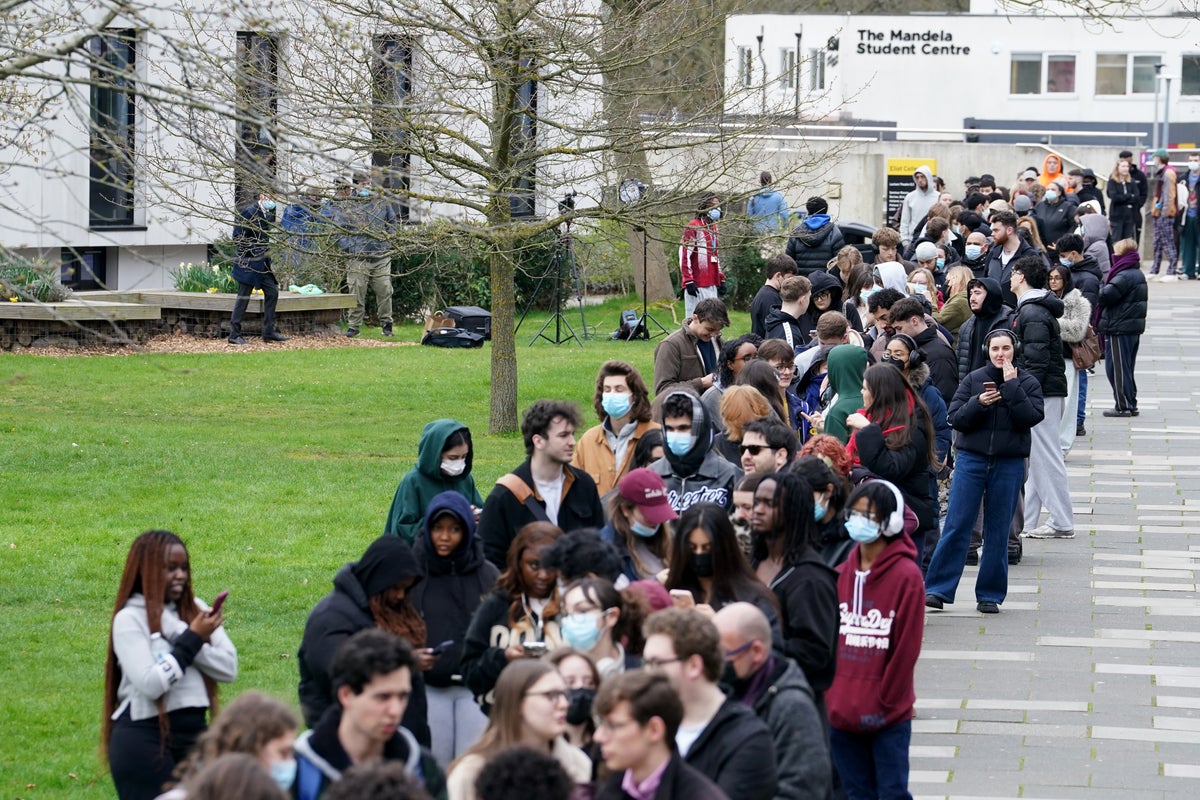
A targeted meningitis vaccination programme will be rolled out across student halls in Kent following an outbreak.
Around 5,000 students in university halls in Kent are to be offered the menB vaccine in the coming days.
On Tuesday, Health Secretary Wes Streeting said most students would not already be vaccinated against menB.
He told MPs that the outbreak is “unprecedented” and is “a rapidly developing situation”.
Mr Streeting said: “Given the severity of the situation, I can confirm to the House that we will begin a targeted vaccination programme for students living in halls of residence at the University of Kent in Canterbury, which will begin in the coming days.”
The programme may also expand further if other groups are deemed to be at risk.
Nicole Wootton-Cane18 March 2026 07:09
Cases predicted to rise after incubation period
The number of cases of meningitis is expected to rise because the incubation period – the time between infection and when symptoms appear – is two to 14 days.
Around 5,000 students in university halls in Kent are to be offered the meningitis B vaccine in the coming days in the hope of preventing further disease spread in several weeks’ time from people harbouring the infection.
Health officials stressed that people should not skip antibiotics if prescribed them, with a single tablet of Ciprofloxacin reducing the risk of meningitis in a household by around 80% to 90%.
Some 15 cases of meningitis have so far been reported to the UK Health Security Agency (UKHSA).
Jane Dalton18 March 2026 07:00
What are the different strains?
There are five main strains that cause the disease in the UK.
Men B is the most common and also the most deadly. Health officials have said that at least some cases of meningitis seen in Kent have been confirmed as Meningitis B.
Other strains include MenA, MenC, MenW and MenY, which are also caused by bacteria.
There are many different causes of meningitis, including viruses, bacteria and fungi. However, in the UK, viruses and bacteria are the most common causes.
Other causes of meningitis include some medicines or brain tumours. It can also occur following a skull fracture or head and neck surgery, according to Meningitis Now.
Bacterial meningitis is rarer but more serious than viral meningitis.
Jane Dalton18 March 2026 06:00
Meningitis B: symptoms, vaccine and what to avoid
Jane Dalton18 March 2026 04:45
Watch: Streeting warns of ‘returning to Victorian conditions’
Jane Dalton18 March 2026 03:30
Pharmacists urge NHS to offer catch-up jabs
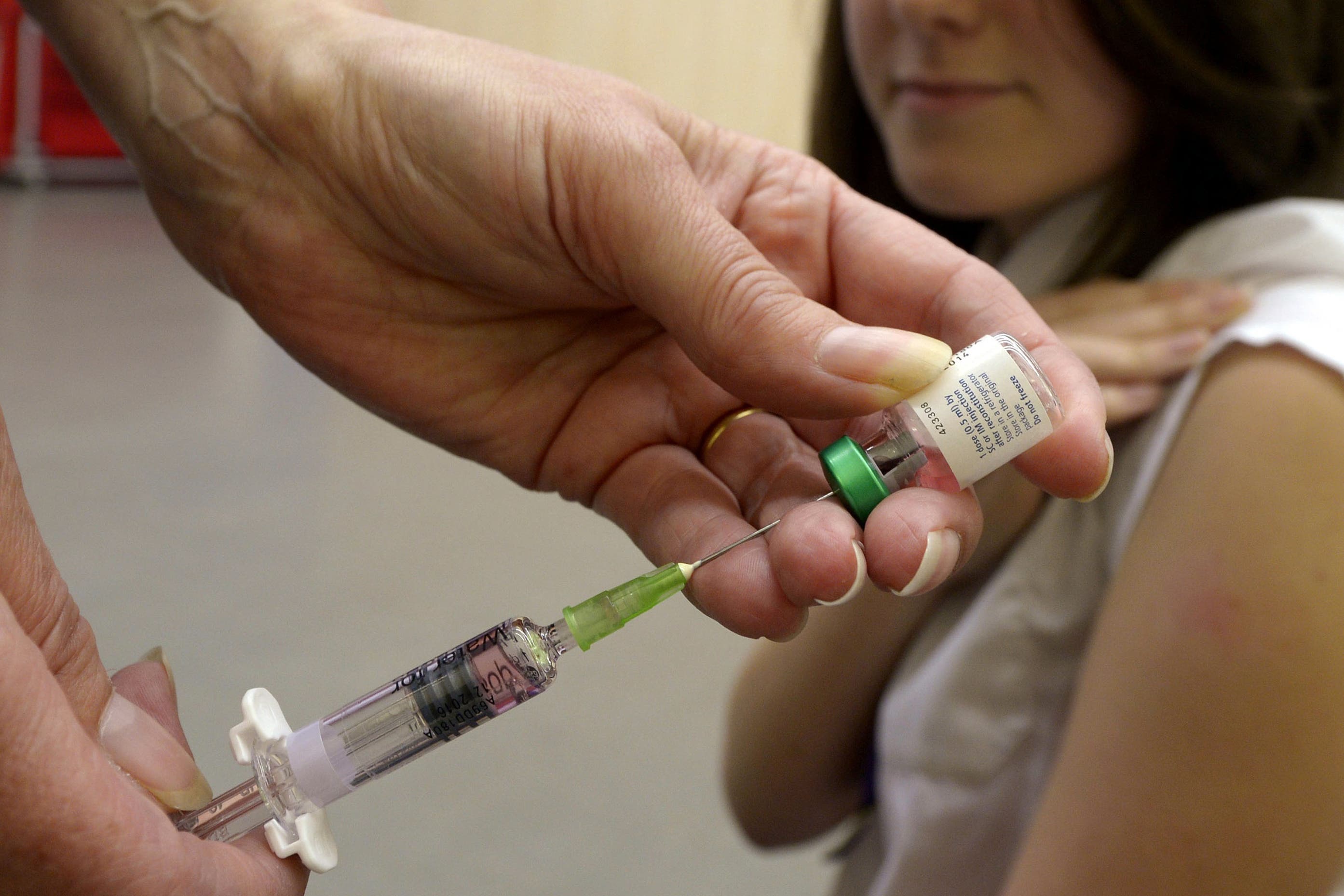
The National Pharmacy Association (NPA) has urged the NHS to commission pharmacies to provide a catch-up service for teenagers who missed their menACWY vaccine, which protects against four strains of meningococcal bacteria, and called for reforms to the childhood vaccination programme.
NPA chairman Olivier Picard said: “Some pharmacies are already seeing an uptick in patients contacting them to book menACWY and menB vaccinations and we anticipate this demand will continue to grow.”

Jane Dalton18 March 2026 02:15
The symptoms of meningitis
Meningitis is an infection of the meninges, the protective membranes that surround the brain and spinal cord.
Early warning signs of meningitis include a high temperature, headache, vomiting, diarrhoea, muscle pain and stomach cramps.
As the condition develops, it can make people drowsy, irritable and confused, as well as cause severe muscle pain, pale, blotchy skin, spots or a rash, stiff neck, an aversion to bright lights and convulsions or seizures.
Meningitis Now urges people not to wait until someone develops a rash and to seek medical help if someone is ill and displaying these symptoms.
Jane Dalton18 March 2026 01:00
Watch: Meningitis B expert answers your questions


Meningitis B expert answers your questions as Kent outbreak leaves two dead
A total of 15 cases of meningitis have now been notified to the UK Health Security Agency, with four cases seen in Kent confirmed as meningitis B. All cases have required hospital admission, and two young people have died. With parental concerns mounting, as the majority of young people born before 2015 are not protected against meningitis B unless they have had the jab privately, The Independent has spoken to clinical microbiologist at Great Ormond Street Hospital and lecturer at the London School of Hygiene and Tropical Medicine, Eliza Gil, for her professional input on symptoms, vaccines, and how to contain the spread. Health Secretary Wes Streeting has stated the meningitis outbreak was “unprecedented in terms of the pace and extent of the outbreak that we’ve seen”. Watch the full interview above.
Jane Dalton17 March 2026 23:59

