When Jhon Edison Ccoyo Ccana looks up into the overarching inky-dark Andean night sky above him, pierced only with distant twinkly stars, he’s searching for a sign: the constellation known in Peru as the Inca Cross. In the native Quechua language, it’s called Chacana, and when it’s seen leaning on its side, he knows it’s time to start harvesting the vast indigenous potato crop.
Knowledge of this pivotal celestial indicator has been passed down through generations and is rooted in ancestral agricultural techniques, tools and knowledge. Here, the connection to Panchamama, mother earth, is the backbone of all life; farming is inseparable from identity.
I’m 3,250m above sea level in the Andean mountains at Parque de la Papa (Quechua for ‘Potato Park’), in the village of Chahuaytire, 30 miles northeast of the historic city of Cusco, to meet the indigenous custodians who are conserving the humble potato for climate resilience.
.JPG)
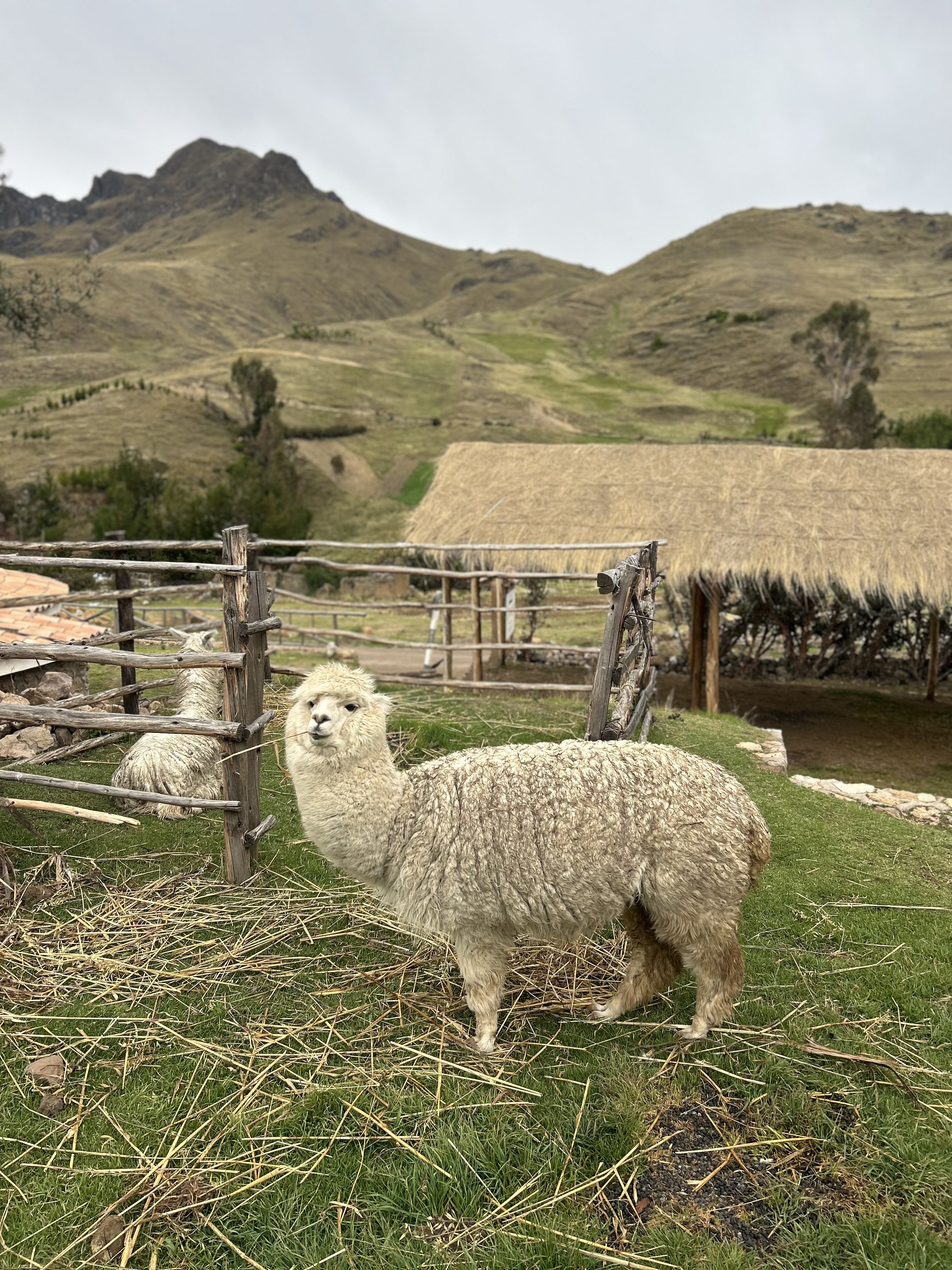
At this altitude, the air is thin, but incredibly fresh. Green peaks ripple across the landscape with distant snow-capped mountains beyond. The rugged terrain is streaked with dark, richly fertile soil, helped by the fertilisation of nearby shaggy-looking alpacas. To get here, you have to take a single rough, stony, winding mountain road. It’s remote and serene.
Created in 2002, Parque de la Papa is an indigenous-led project that protects both biodiversity and cultural heritage, including farming practices, language and customs. Around 7,200 people across five communities call this 9,000-hectare biocultural reserve home. They’re descendants of the Incas who thrived in Peru until the 16th-century Spanish invasion. Together, they’re meticulously preserving more than 1,500 varieties of Peru’s more than 3,500 native potatoes, crops cultivated here for some 8,000 years.
Read more: 8 of the best cities and towns to visit in Peru, from Lima to Cusco
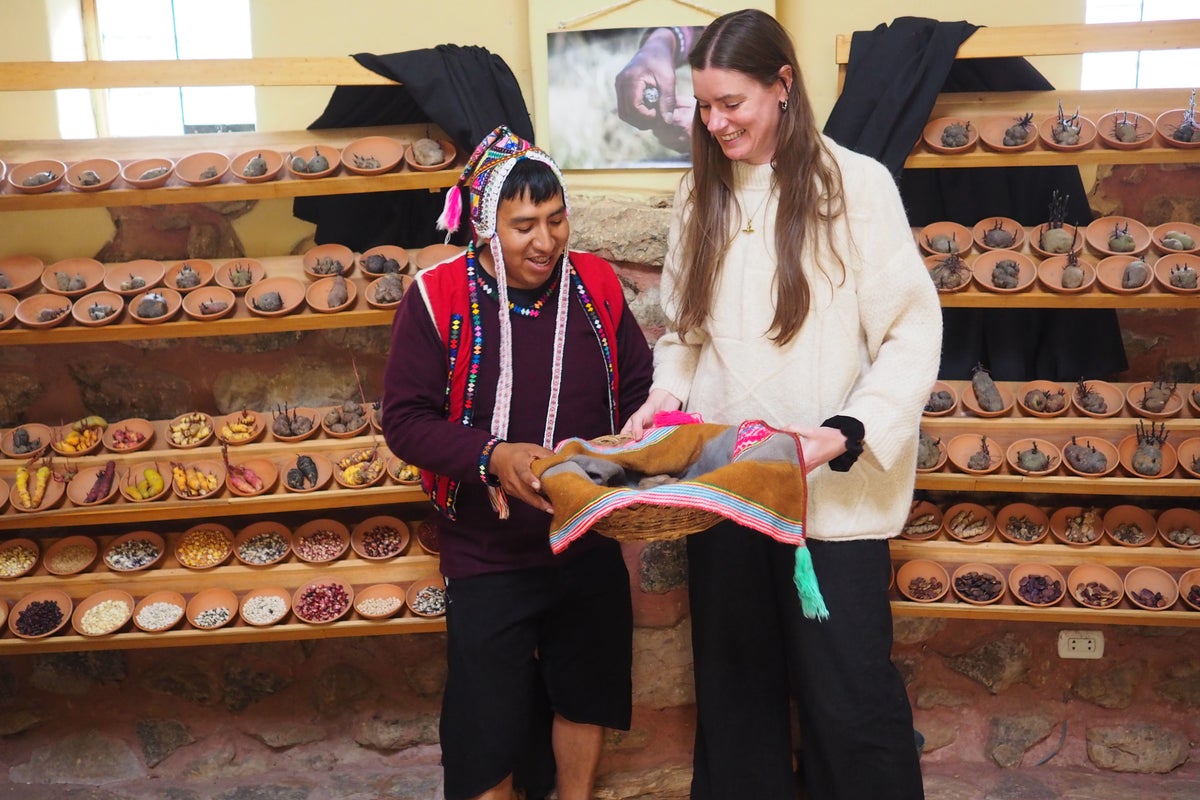
Jhon, from the Pampallacta community, is the tourism coordinator. Just over five feet tall, he speaks quickly in Quechua, using his hands – visibly worn from physical work – and his whole body to emphasise his words. His enthusiasm for potatoes is unmistakable.
He’s dressed traditionally in a brightly patterned chullo alpaca-knitted hat with waist-length pink and white tassels, with his dark hair poking through at the front. His pillar-box-red waistcoat is edged with multi-coloured diamond shapes, worn over a thick burgundy jumper. And despite it not being particularly warm, he’s wearing long black shorts and open-toe crossover sandals.
“Our job is to preserve the native potatoes,” explains Jhon, speaking Quechua and translated by our Peruvian guide, Elier Morales.
Read more: How to do Macchu Picchu the sustainable way
The park isn’t commercially focused; potatoes are grown to sustain the communities and to maintain the park’s seed bank, which holds 750 varieties. Others are stored at Lima’s International Potato Center and Svalbard’s Arctic Global Seed Vault, protecting the world’s crop diversity against a climate catastrophe. Many of Parque de la Papa’s seeds can’t be found anywhere else, explains Jhon.
Only traditional tools are used for farming here, and no chemicals or pesticides – only llama and alpaca manure as natural fertilisation. The chakitaklla (foot plough) has a long wooden handle and an elongated stone head tied together with a rope made from llama fibres. To use it, Jhon sets himself low to the ground – it’s back-breaking work.
Although recognised as an Agrobiodiversity Zone by Peru’s Ministry of Agriculture, the park doesn’t receive any government financial support. Instead, it’s funded through agro-tourism working with National Geographic and G Adventures, with whom I’m on a tour and one of the few operators visiting here. Its partner arm is NGO Planeterra, which focuses on improving the lives of local people through tourism.
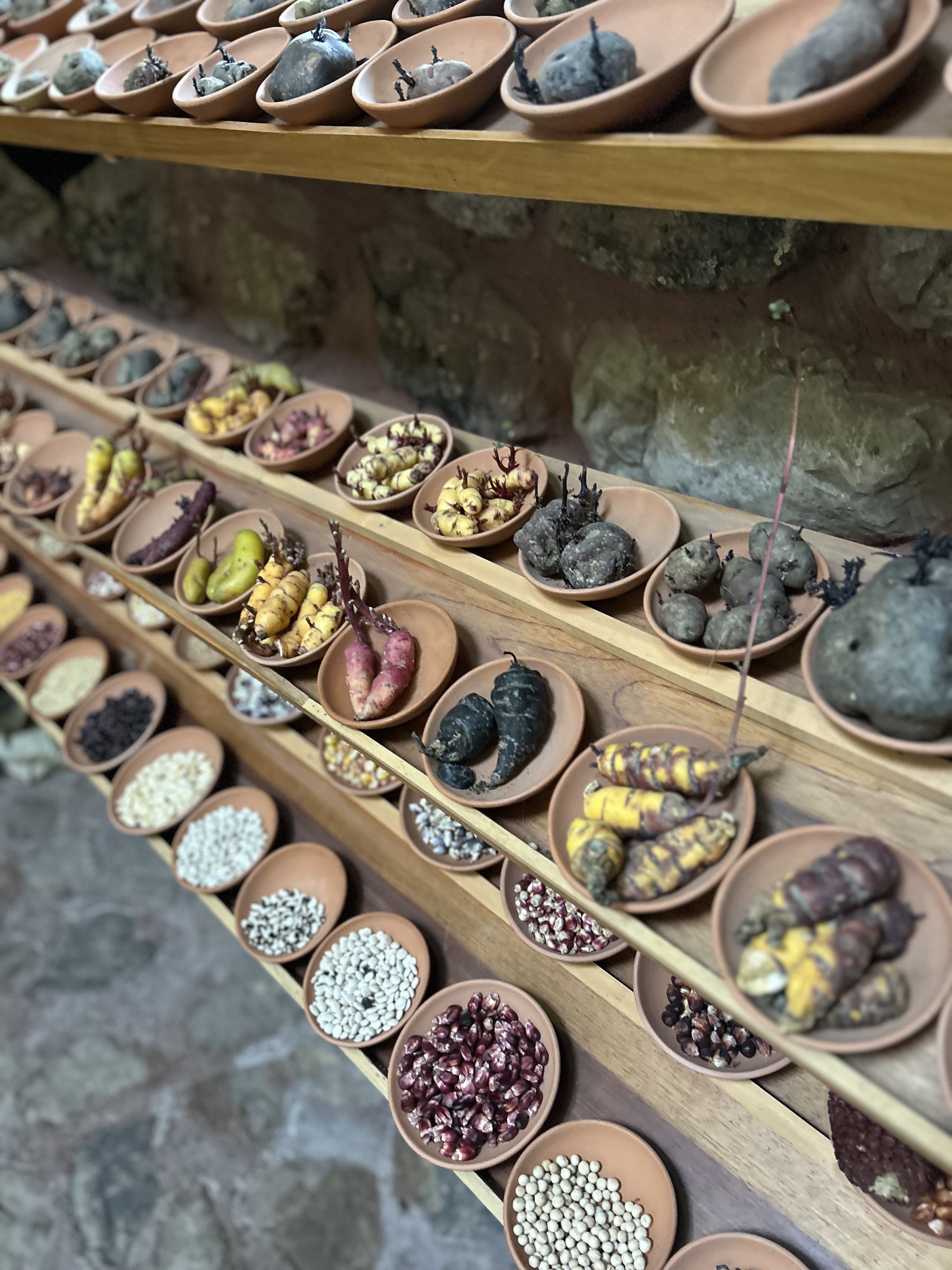
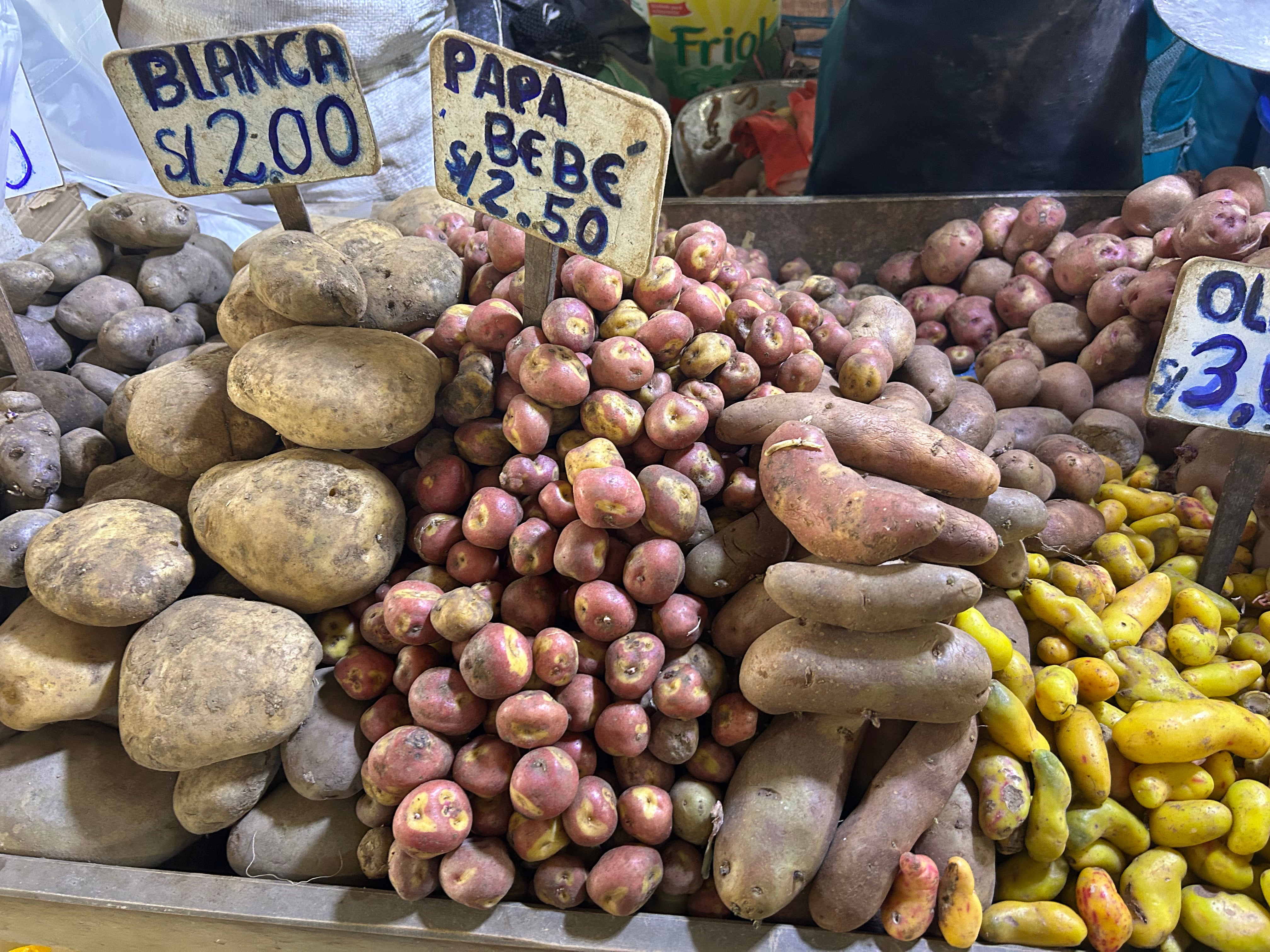
I’m taken inside the seed bank building – a traditional adobe brick stone structure with a long sloping thatched roof – to see the fruits of their labour. Simple wooden shelves line three walls, each is filled with shallow pottery bowls with potatoes in an astonishing variety. “You’re looking at 450 varieties of potatoes right here,” Jhon says. They range from deep indigo and almost-black to dusty pink, marbled red and gold, speckled yellow and earthy brown. Some are gnarled and clustered like grapes, others are elongated and curved like rustic carrots – a world away from the uniform, smoothly rounded yellow potatoes at home.
“Here in the park, we have 1,372 varieties of Peruvian potatoes. There are 3,500 in Peru and 5,572 in the world,” Jhon reels off the numbers with ease.
With a mug of muña tea, which helps with altitude sickness and digestion, I’ve been given a puma maqui (puma’s paw) to try, named for its resemblance to the animal’s paw print, one of the Andes’ sacred animals, along with the condor and serpent. “It’s been boiled, so you can either peel the skin off or eat it,” Jhon tells us. I save the faff and eat it with the skin on. It’s warm and fluffy, while also creamy and slightly sweet.
One of the most famous potatoes is q’achun waqachi, “the one that makes women cry”. Tradition dictates a future mother-in-law should give the bride-to-be this lumpy potato to peel without altering its shape. If she cleverly boils it first so the skin slips away, she proves herself worthy to marry the son.
Jhon’s favourite is an “alpaca’s nose”, which has beetroot-coloured rings inside. “It’s actually quite sweet, so you don’t need to add anything like cream to it”, he says.
Read more: The best countries to visit in South America
Globally, potatoes are the fourth-largest food crop after wheat, rice, and maize. They’re calorie-dense, rich in vitamin C and potassium, and are becoming known as superfoods, plus they’re hardy and adaptable to poor soils. Yet even this hardy crop is vulnerable. Climate change is narrowing the already restricted altitude band where potatoes can grow. Rainfall is less predictable, and pests are increasing as the temperatures rise.
Potatoes in the Andes grow between 3,000 to 4,500 metres. As global temperatures rise, farmers are gradually forced higher up the mountain. “We know there are places around 5,000 metres where we can grow, but no more than that because of the glaciers”, says Jhon.
The changing climate is tangible. I am visiting in early December, at the beginning of what should be the rainy season, yet it’s been dry all week, until now, as light rain finally falls, prompting quiet relief for the dry-looking crops.
Resilience is also embedded in preservation techniques. “There are some types that can be dehydrated and kept for up to 20 years,” Jhon explains as he passes around what looks like a small, dappled pebble. Holding it in my hand, the chuño (dehydrated potato) is completely hard, but also unexpectedly light. “In June, the temperature drops to -10C so we can dehydrate the potatoes,” he says. One method is to leave them outside on the grass to freeze, then put them in a stream for two weeks to wash the bitterness out and then dry them again in the sun, locking in nutrients.
“After a woman has given birth here, she’ll eat a lot of dehydrated potatoes because they’re nutrient-dense to help with recovery,” he explains.
Beyond the Andes, native potatoes are experiencing a revival in Peru’s cities, thanks to chefs who have transformed them from peasant staples into gourmet dishes.
Rocio Zuñiga, chef-owner of Nuna Raymi in the centre of Cusco, says she “had a vision to show the produce of my country”. She has pioneered a market for Peru’s native potatoes and put the country’s produce on the map. She serves a native-potato tasting menu featuring five varieties, sourced from two different Andean potato guardians.
Read more: Reaching Colombia’s lost city of Ciudad Perdida
In Lima, Virgilio Martinez, owner of Central (featured on Netflix’s hit Chef’s Table), champions the incredible diversity of Peru’s ingredients on his tasting menus. “Potatoes are just a humble ingredient, but we’re finding the luxury in them. For us, they’re better than caviar,” he says. His Andean-grown potatoes are transported in clay so they don’t oxidise.
Virgilio Martinez also says that the climate has affected the crops he grows at MIL, his farm and restaurant in the Andes. “We were growing about 140 varieties [from seed], and because of a season of no rain, we lost them all. We needed to start from the beginning. It’s been difficult.”
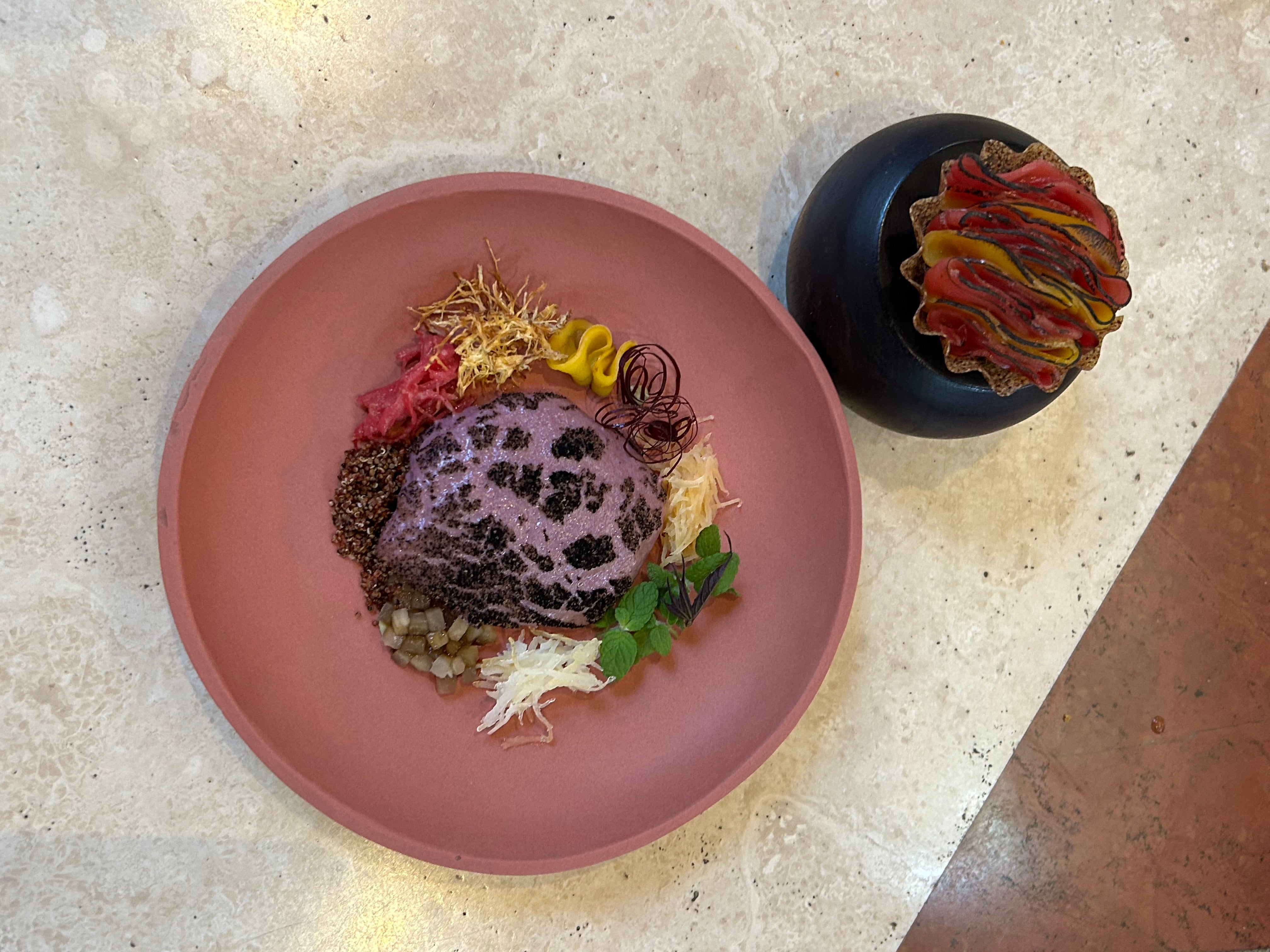
At restaurant Kjolle (voted the 10th best restaurant in the world in this year’s 50 Best Restaurants list), chef Pía León celebrates biodiversity in colour, shape and texture with her signature dish ‘Many Tubers’. “The idea is to show the versatility of potatoes and tubers, and how the same ingredient can be transformed through different techniques,” she says. “It is a preparation that is simple in its essence, but with a strong cultural weight… You can feel the diversity of Peru.”
Some are pickled, others are smoked or turned into ribbons, and a small amount of nine varieties is presented in a wreath shape on the plate, with a large purple potato mousse in the middle. It is like an edible snapshot of potato diversity.
In Cusco’s Mercado Central de san Pedro, there are endless market stalls selling potatoes, all with unique tastes. Some are waxy and ideal for frying; others are floury, perfect for mashing into causa, the layered potato dish emblematic of the capital. It’s a comforting dish thanks to the creamy amarailla (yellow) potatoes, layered with either chicken or tuna and avocado, which I learned to make on a cooking course in the capital. Each variety has its role, shaped by centuries of experimentation and knowledge.
In an era of accelerating climate instability, seed preservation is an insurance. “We don’t do this for fun … It’s like our religion. The future’s not just for us, it’s for the whole world,” says Jhon.
Like many of the guardians and potato-loving chefs of the region, Jhon is passing on his invaluable preservation skills, like the knowledge of reading the constellations, which was passed on to him. Here, in this remote part of the Andes, resistance has quite clearly taken root, one potato at a time.
Emma Henderson was a guest of G Adventures.
How to do it
G Adventures eight-day trip Journeys: Explore Machu Picchu includes visiting Parque de la Papa and starts from £1,387. The Lima cooking class is extra.
How to get there
Airlines including British Airways, Virgin Atlantic and KLM fly to from London to Lima with one stop, usually connecting in Europe. Prices start at around £540, and flight time is around 16 hours.