

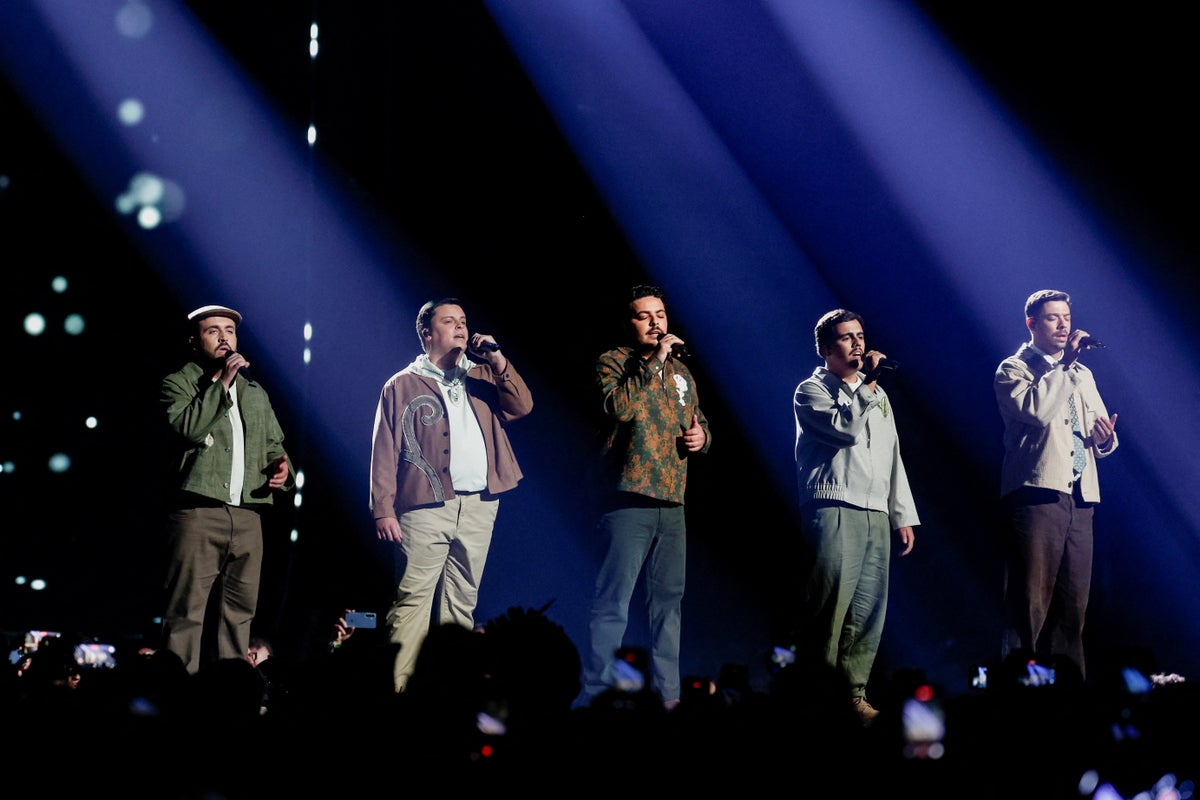
Portuguese five-piece Bandidos do Cante are formed of Miguel Costa, Duarte Farias, Francisco Raposo, Luís Aleixo and Francisco Pestana.
Their song “Rosa” might not be the most attention-grabbing of Eurovision entries, but it comes from a beautiful (and traditional) style of singing in Alentejo – which has been recognised by UNESCO as Intangible Cultural Heritage of Humanity – melded with a more modern pop sound.
The song’s themes, too, explore ideas of nostalgia and more specifically “saudade”, a Portuguese term for a deep and bittersweet longing for someone or something absent, loved and perhaps lost forever.
Bandidos do Cante are competing on Tuesday 12 May in the first semi-final at Eurovision 2026, in Vienna, Austria.
What should our readers know about you?
One thing people should know about us is that we started singing from a very young age in traditional choral groups from Alentejo. We don’t really have formal musical training, everything we sing today comes from what we learned naturally in those groups. That’s where our way of singing and understanding music comes from.

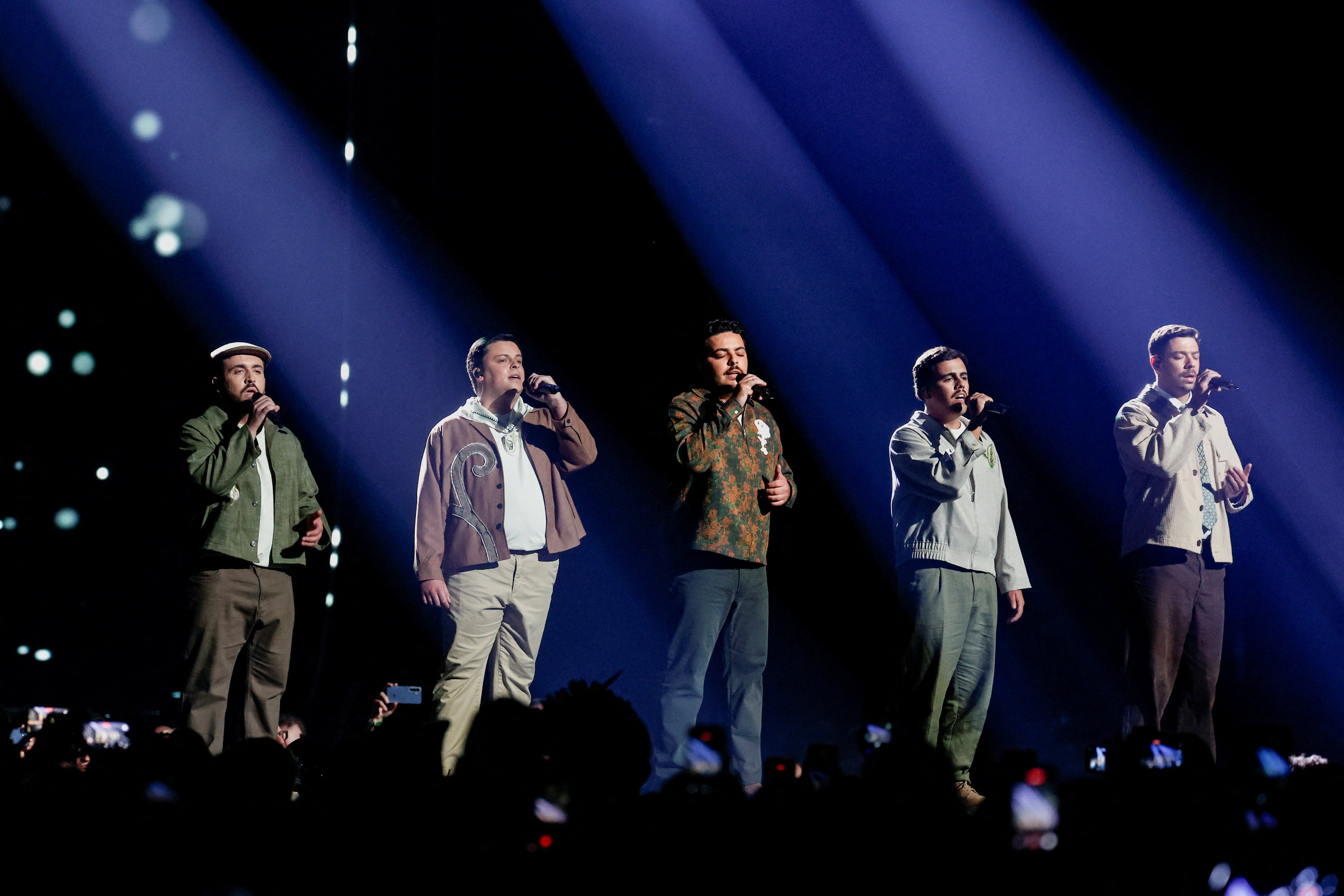
What was the inspiration behind your song ‘Rosa’?
The inspiration behind the song was Alentejo itself and our connection to that culture and way of life. In terms of meaning, the song speaks a lot about love, nostalgia and saudade, those emotions of longing and emotional connection that are very present in Portuguese culture.
What would a Eurovision win mean to you?
It would be an enormous honour because Eurovision is such a prestigious and significant competition. But more than that, if we won, it would feel like Cante Alentejano itself had won Eurovision. It would be a victory for our culture and for this traditional way of singing that means so much to us.