

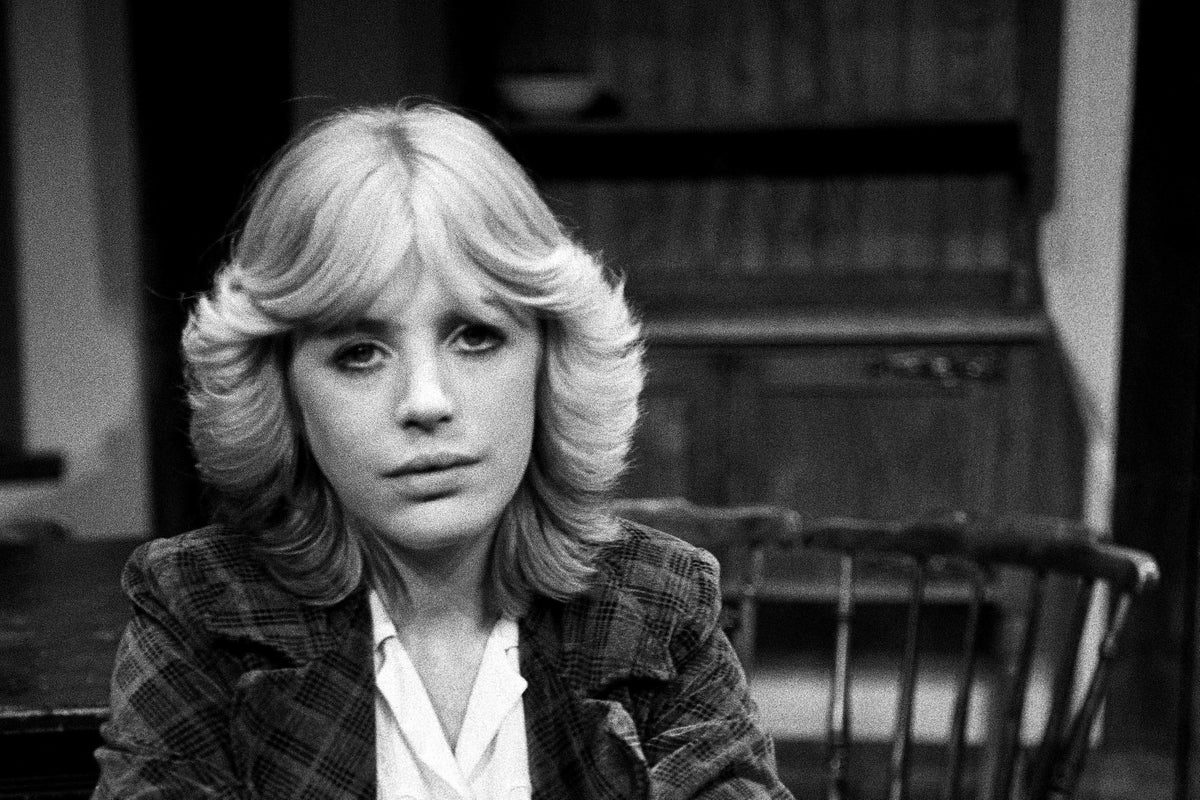
Marianne Faithfull is watching an old interview, in which Rolling Stones manager Andrew Loog Oldham is asked about “discovering” her. “Is it literally possible that you can go to a party and pick up someone with no evident talent and make a star of her?” Oldham chortles. “Er, yes.”
“Maybe it was good for me,” Faithfull says, of her reaction upon first seeing that interview. “Because maybe I thought… ‘I’ll show you, you c***.’”
Faithfull, who died in January 2025 at the age of 78, certainly did show Oldham, and the rest of the world. Her extraordinary life, much of which was lived out under the relentless glare of the media, was one of rebellion and resilience. Now, it’s the subject of a milestone docu-drama, Broken English, that sets out to “recalibrate” a legacy that has, too often, been overshadowed by Faithfull’s association with the Stones and Mick Jagger, her ex-boyfriend.
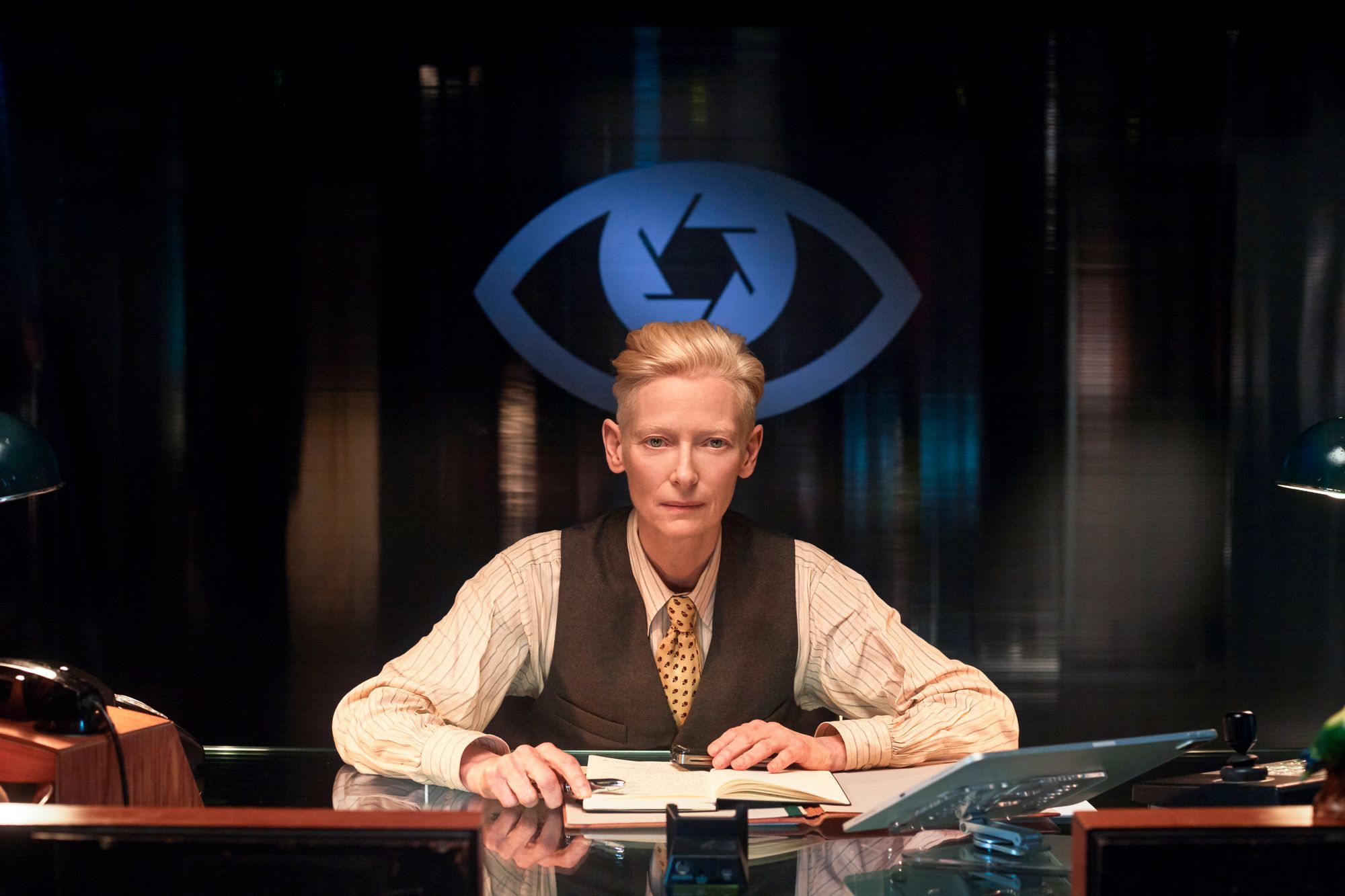
Directed by Iain Forsyth and Jane Pollard, the Bafta-nominated duo behind 2014’s acclaimed Nick Cave docu-drama, 20,000 Days on Earth, Broken English veers far from the formulaic music documentary tropes: the rags to riches story, the fame, the fortune, the drugs spiral, the phoenix rise from the ashes… Tilda Swinton appears amid whirling tape machines and clicking typewriters as the head of a mysterious institution called The Ministry of Not Forgetting. Faithfull has been carefully chosen as its first subject – her life and work archived through an extensive cache of interviews, archive footage, performances and conversation. Among its starry contributors are friends and collaborators, including Cave, Warren Ellis, Courtney Love and Jehnny Beth, while actors George MacKay, Zawe Ashton and Calvin Demba act as employees at the ministry, diligently working towards their end goal.

“When we’d started the project, Marianne had recently arrived at [care home] Denville Hall, so this was an exciting opportunity for her to be creative again, to make art and perform and sing,” producer Beth Earl tells me. “I feel like that really gave her a new lease of life, and we got to have her on board, being the one to tell her story.” They had to work quickly, knowing Faithfull’s health was not good – she was on oxygen, struggling to breathe after contracting Covid in 2020. During filming, though, something changed in her: “Once those triggers were pushed, the muscles began to work again, and she could remember lots of detail about [recording albums], or teaching songwriting with Alan Ginsberg… it all came back,” Forsyth says.
This wasn’t exactly a surprise to the team working on Broken English. “A lot of her life has been about showing people who underestimated her what she’s actually capable of,” Pollard points out. “She was a force,” Earl agrees. “She was smart and funny and talented and quick and so dynamic. I feel like all of us really had to be on our feet every time we saw her, and like a few steps ahead. She definitely didn’t slow down.”

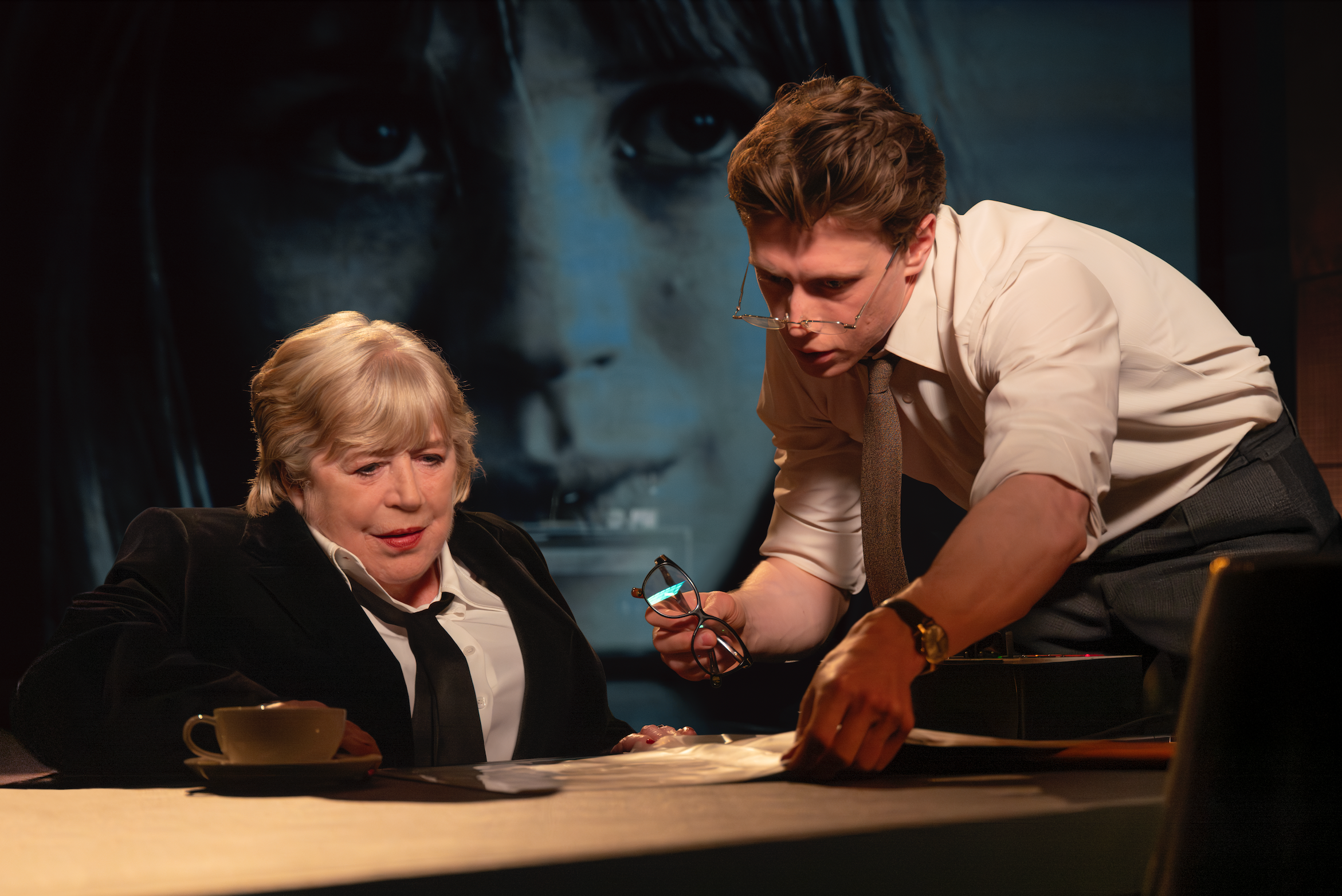
They were keen not to sugarcoat anything, not least when Faithfull was feeling less cooperative. “We wanted to let her be snappy, to expose that at some point, because if it was a male artist, we’d perceive that behaviour differently,” Pollard says. “We would see it as a strength of character and a byproduct of genius.”
MacKay, known for roles in the war epic 1917 and the critically praised 2023 thriller Femme, plays an earnest researcher who shows Faithfull artefacts from her career. Her reactions vary. Sometimes she lights up, beaming, at the sight of an old friend (Ginsberg, or Bob Dylan). Others she bristles at, such as when MacKay pulls out a copy of The Evening News, with the front page screaming: “Naked girl at Stones’ party.” The odious legend goes that, at the notorious police raid on Keith Richards’ Redlands estate in February 1967, Faithfull was discovered wearing nothing but a fur rug and performing a sex act with a Mars Bar. The fur rug detail was true. The Mars bar was not. “Oh gawd,” Faithfull says at the sight of the front page. “I don’t care for it. No, I’m not going there. You can put it away.”
Here is where a roundtable of women are introduced, including the presenter Edith Bowman, who agree that this moment was “the start” of Faithfull being perceived in the public eye as someone “scandalous”.


Enjoy unlimited access to 100 million ad-free songs and podcasts with Amazon Music
Sign up now for a 30-day free trial. Terms apply.
Try for free
ADVERTISEMENT. If you sign up to this service we will earn commission. This revenue helps to fund journalism across The Independent.
Enjoy unlimited access to 100 million ad-free songs and podcasts with Amazon Music
Sign up now for a 30-day free trial. Terms apply.
Try for free
ADVERTISEMENT. If you sign up to this service we will earn commission. This revenue helps to fund journalism across The Independent.


“She was very clear at the beginning,” says Earl. “One thing she did say was that she never felt she was a victim. She never wanted that kind of label on her at all. And I think the way we move through the Ministry allowed her not to be that and to have her voice, and if we felt like anything needed a little bit more careful consideration, that’s where we brought in the [group]. It wasn’t something that she really wanted to dwell in. I think she felt that she’d gone through it and she’d come out of it on top.”
This doesn’t mean that the film skirts around the genuine traumas that Faithfull went through. In the space of two years, she developed a drug addiction while playing Ophelia at the Roundhouse in 1969 and suffered a miscarriage while seven months pregnant with her and Jagger’s child; their relationship ended (she was back onstage with the Stones two weeks later). Stones’ guitarist Brian Jones died, aged 27, and she lost custody of her son, Nicolas. She also had the song “Sister Morphine” taken off the shelves because it was deemed too controversial for a woman to have written those lyrics. “It was quite a long time before I could sit down and write another song, which is a shame,” she says. “Hurts. It really hurts…” She tells MacKay that she’s “sorry” when he asks about the song being taken away. “Don’t apologise,” he replies, stricken. “Well, I am,” she says. “I’m sorry that I didn’t [protest].”

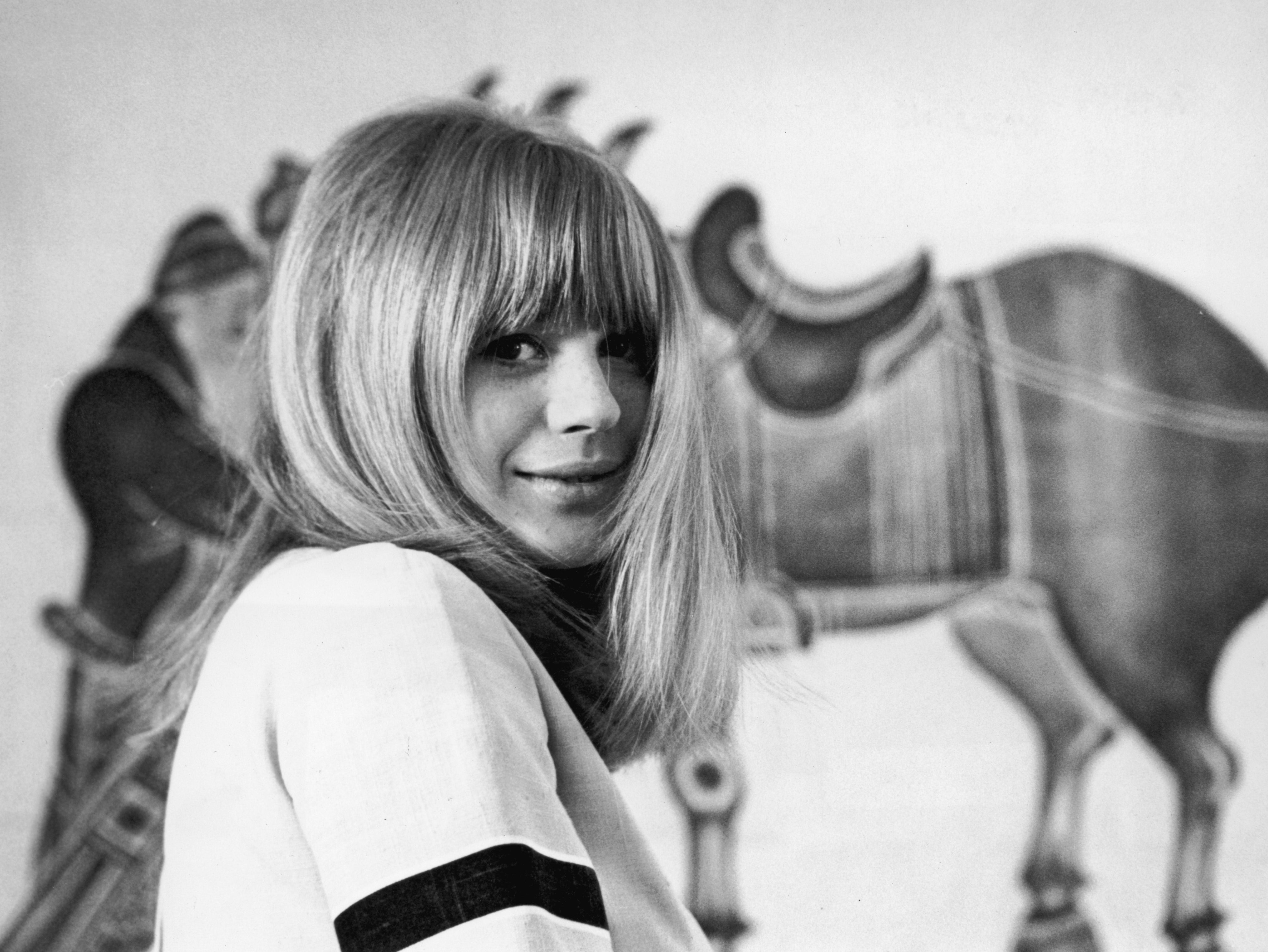
There’s a reclaiming of Faithfull’s work throughout Broken English, both in her own recollections of her life, and through interpretations of her songs by other artists. We witness a striking cover of 1983’s “Times Square” by Courtney Love, and another from French rock musician Jehnny Beth, formerly of the band Savages, who dances to her take on Faithfull’s caustic Broken English closer, “Why D’ya Do It?”. Its themes of infidelity, jealousy and rage suit Beth perfectly: “I was so flattered [to be asked to take part],” Beth tells me. “The film is incredible – it’s very much a movie about Marianne in the present, in that moment, and it’s a movie about death.”
In Faithfull, she sees a kindred spirit when it comes to her songwriting. “The way we approach love and relationships is not as evolved as we pretend it is,” she says. ”We’re still coding these possessive attitudes towards sexuality; jealousy is a condition of love, even a proof of love for some people.” Faithfull, she points out, was fearless in her exploration of the human condition.


Pollard and Forsyth wanted to end the documentary with one final performance. Faithfull’s doctor advised her against it. But she returned a year after filming had concluded with her friend, the jeweller David Courts, who’d convinced Earl and the team that she was ready. “When we brought her in, we were prepared for every scenario, like… if she doesn’t want to sing, if she just wants to read poetry,” Earl recalls. It is undoubtedly the most moving scene of the film, as Faithfull is accompanied by Nick Cave, who sings and plays the piano, and Warren Ellis on the violin. “It was a beautiful thing, because in that time we knew Marianne, it was the most alive I ever experienced her,” Earl says. “It was like we were meeting a lifetime’s worth of Marianne in that moment.”
‘Broken English’ is in UK cinemas from 20 March