





Manchester has seen the biggest boost to inner-city living standards anywhere in the UK since 2010, providing a boost to Andy Burnham as he seeks a return to parliament.
Analysis from the independent think tank Centre for Cities has found that Manchester reduced its share of deprived inner-city neighbourhoods by 17 percentage points from 2010 to 2025.
Nationally, the proportion of all central city neighbourhoods ranking among the 20 per cent most disadvantaged areas fell by seven percentage points from 38 to 31 per cent, largely driven by Manchester, Liverpool and London.
Within Manchester, 58.4 per cent of neighbourhoods in and around the city centre ranked among the most underprivileged in 2025, down from 75.7 per cent in 2010 – a fall of 17.3 percentage points.
It is welcome news for Andy Burnham as the Greater Manchester mayor hopes to return to Westminster in the Makerfield by-election. If he is elected, he is expected to challenge Sir Keir Starmer for the Labour leadership through a brand of politics he calls “Manchesterism”.


Mr Burnham became the combined authority’s first elected mayor in 2017 and the years since have coincided with significant change in central Manchester, the skyline of which is now punctuated by skyscrapers and residential towers.
Greater Manchester has also become the fastest-growing region in the UK economy over the past decade with annual economic growth of 3.1 per cent – more than double the country’s rate as a whole.
Setting out his political views in a by-election campaign video, Mr Burnham said: “Manchesterism is the end of neoliberalism, the end of trickle-down economics that has left out places like Makerfield. Make no mistake, that means a new path for Britain.”
In a tweet after his selection, he pledged a “relentless focus on reducing people’s everyday costs”, saying that “more than anything, people need life to be more affordable again”.
Centre for Cities’ report, ‘Uneven cities: The geography of deprivation in urban Britain’, shows the share of deprived inner-city neighbourhoods across the country has fallen significantly since 2010.
This has been driven by changes in big cities – such as Manchester, Liverpool and London – and in spite of the persistence of urban deprivation elsewhere, the think tank said.
Other large cities saw decreases in their share of inner-city neighbourhoods that rank in the UK’s most underprivileged, including Birmingham (-3.7 percentage points) and Bristol (-2.3).
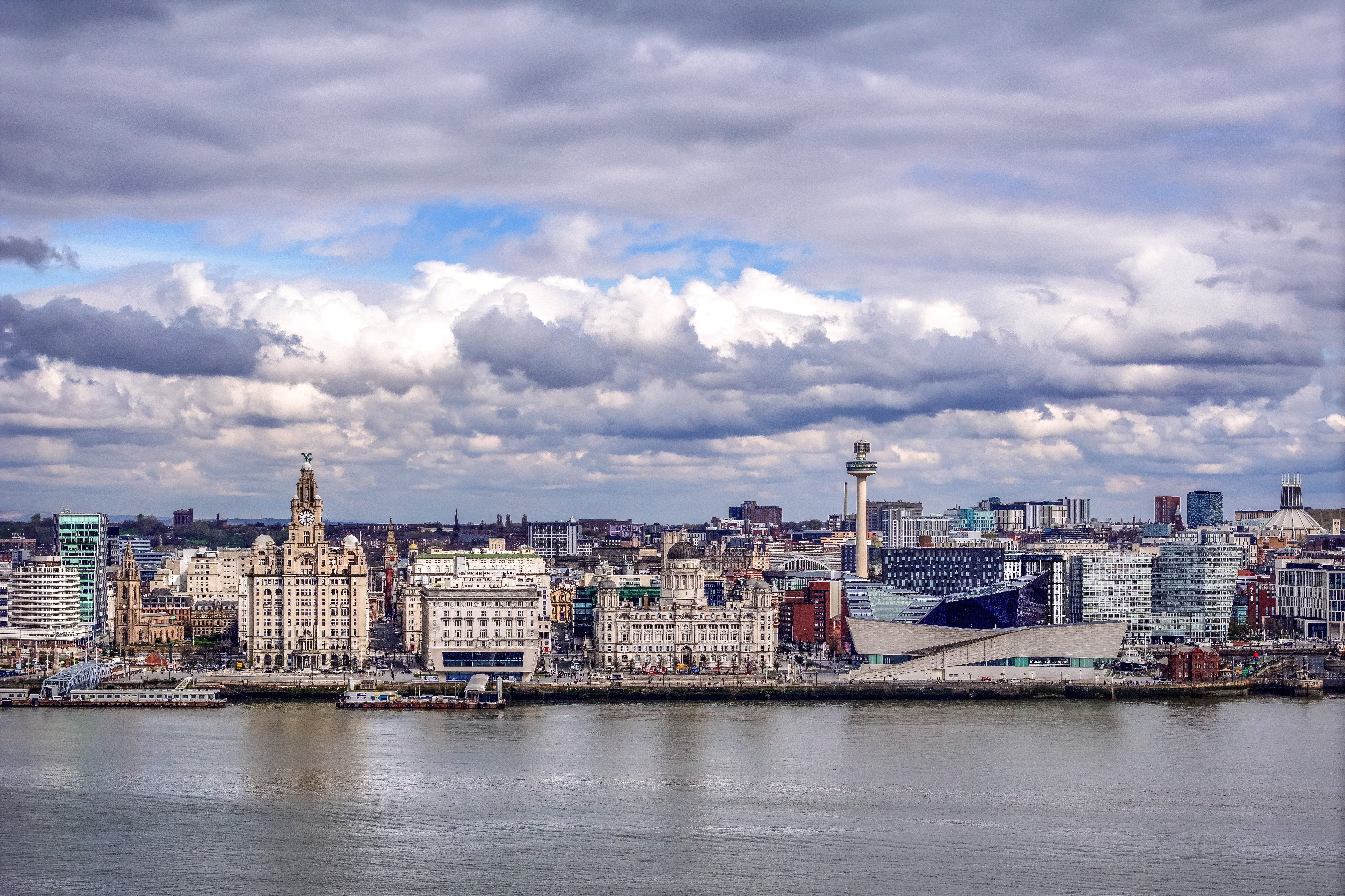
Liverpool saw the largest overall decrease in deprivation out of any city in the UK.
Across the city’s whole urban area, 53.7 per cent of neighbourhoods ranked in the UK’s most disadvanted neighbourhoods in 2025, a 10.6 percentage point decline from 64.4 per cent in 2010.
Inner-city Liverpool also saw a 12.2 per cent decline in deprivation.
London made the biggest overall contribution to reducing inner-city deprivation, partly due to the capital’s scale.
The share of inner London neighbourhoods ranked in the UK’s most deprived fell by 14 percentage points from 36.1 per cent to 22.1 per cent by 2025.

However, rates rose in parts of urban Britain and deprivation remains concentrated in cities.
Seven out of the ten cities and towns with the largest increases in deprivation rates across their whole urban area were in the North or Midlands – including Derby (+10.3 percentage points) and Sunderland (+8.7).
Around two-thirds of all the UK’s most deprived neighbourhoods are in urban areas. In most cities and large towns, there was little change in rates.
As such, Centre for Cities said the better figures in larger cities are proof that mayors such as Sadiq Khan, Mr Burnham and Steve Rotheram, should be backed to widen access to jobs and reduce deprivation, praising the work they have done to “champion” their local economies.
Andrew Carter, chief executive of Centre for Cities, said: “The shifts in Manchester, Liverpool and London are nationally noteworthy and suggest a big cities-focused approach is a reliable way to improve living standards across the UK.
“Most large towns and cities saw deprivation persist or slightly rise, and this only underlines how much we need to learn from the improvements in Liverpool, Manchester and London.
“The challenge now is to build on the progress made since 2010. England’s large cities now have metro mayors to champion their local economies, with the power to expand public transport connectivity to central areas, and build homes in well-connected locations – widening access to good jobs and opportunities across their regions, and delivering change that people feel.
“Government needs to continue to back mayors to deliver and ensure their plans for fiscal devolution reward metro mayors for the steps they take to boost local growth.”

