
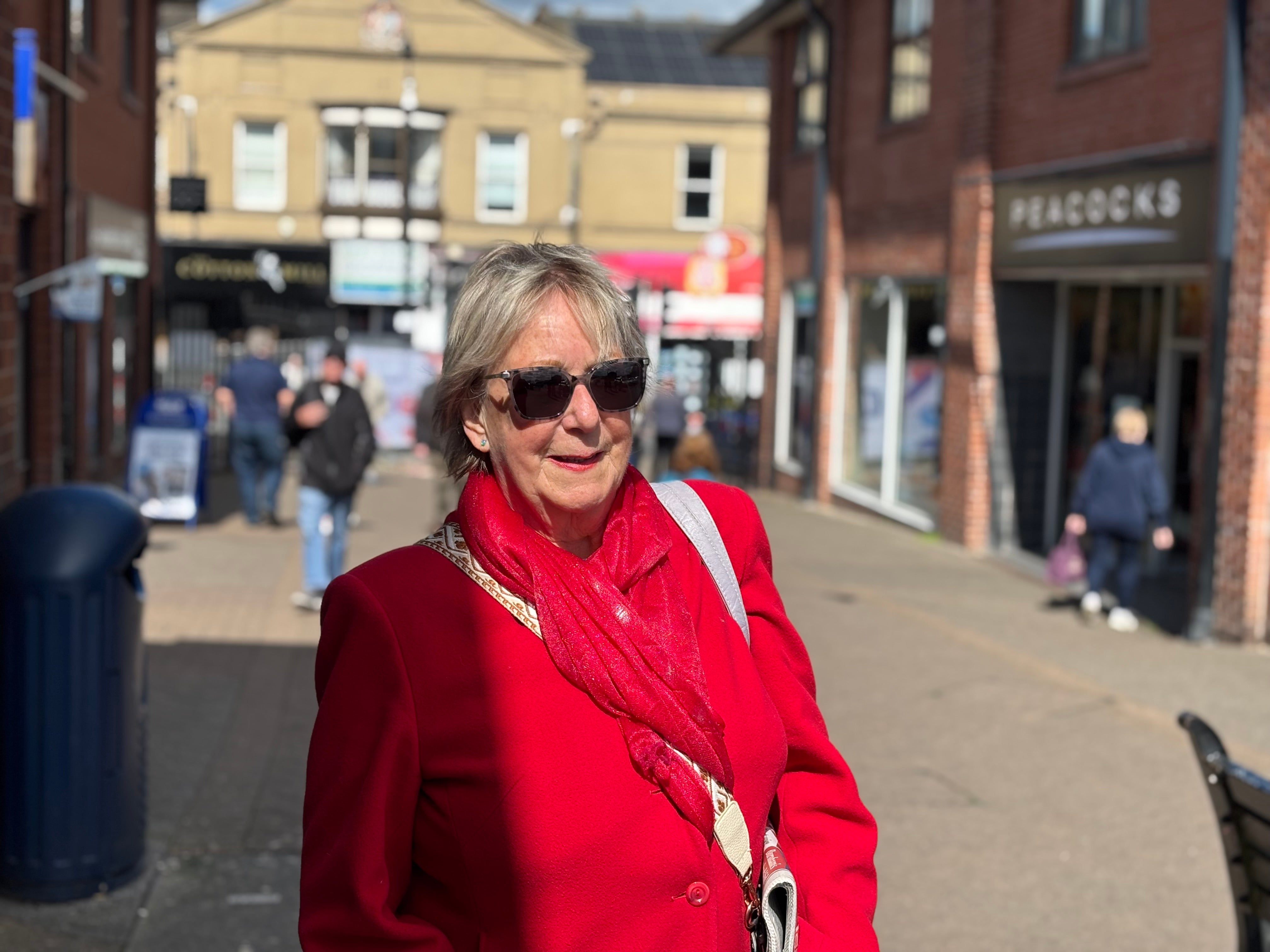
The country’s in chaos, isn’t it? It’s just dreadful and Starmer is doing nothing”, says Joan Preston.
The 82-year-old had been a lifelong Labour voter until Sir Keir Starmer became its leader, when she abandoned it, believing it no longer to be the party of the working class. But a change could be about to win her back.
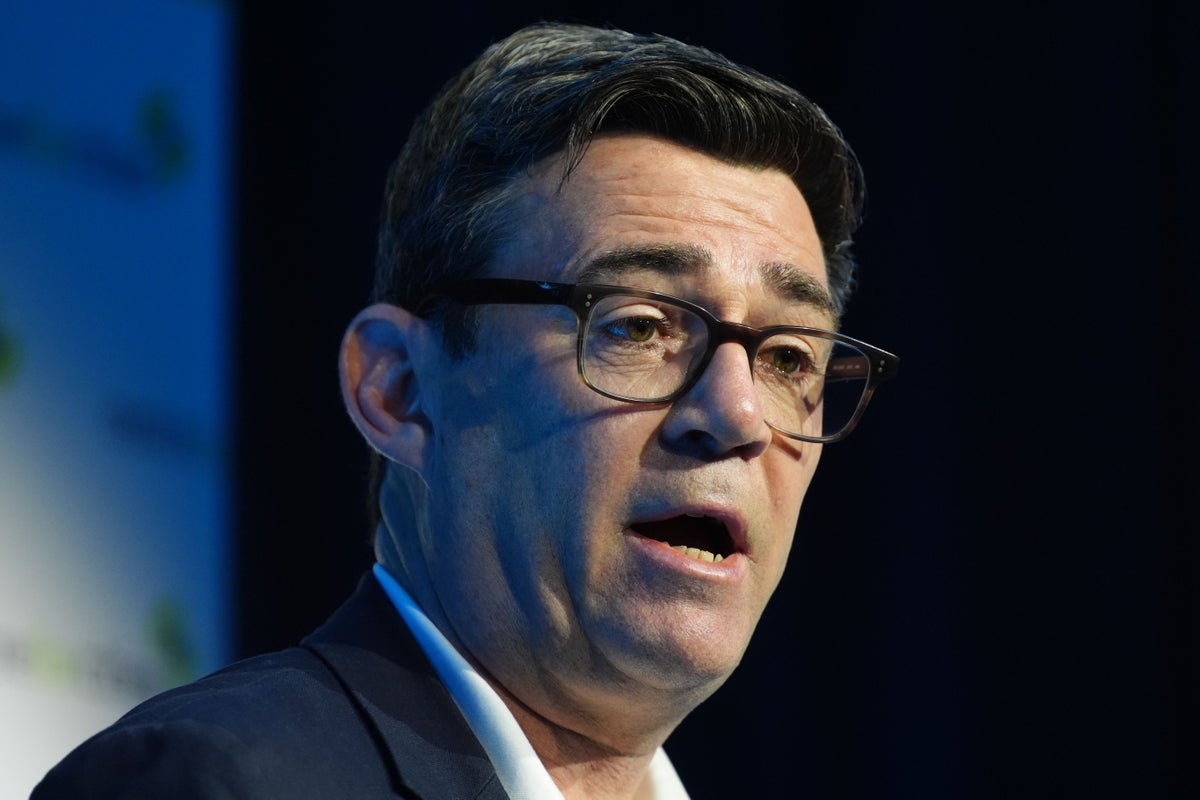
“I would go with Labour if Andy Burnham stood”, she tells The Independent in Ashton-in-Makerfield, Greater Manchester.


“We’d always voted Labour, all of our family. If he were still here, my Dad would be saying to me ‘what do you mean you’re not voting Labour? They’re for the people. They’re for the working people’. Well, Burnham’s for the working people.”
This market town, found four miles south of Wigan, was abruptly thrust into the limelight this week when its Labour MP, Josh Simons, announced he would stand down to make way for Greater Manchester mayor Andy Burnham to attempt to return to parliament – a move widely expected to see him challenge Sir Keir for the Labour leadership, if he wins the Makerfield seat.
It comes as Sir Keir clings onto his premiership following Labour’s dismal local election results, which saw the party lose almost 1,500 councillors and relinquish control of councils across the country.
Those results were felt sharply in this former coal mining hotspot of the North West.
Nigel Farage’s Reform UK made huge gains across Labour’s historic northern heartlands in the local elections, including here, where it won 24 of the 25 seats available on Wigan Council, eating into Labour’s majority.
Ten of those wards fall within the parliamentary constituency of Makerfield, either wholly or partly, and Reform candidates won every single one of them.


On the back of those stunning results, Mr Farage said that his party will “throw absolutely everything” at the forthcoming by-election, which will present a significant threat to Mr Burnham’s chances of success.
Historically one of Labour’s safest seats, Makerfield has been held by the party since its 1983 creation. At one point it boasted a majority of over 20,000 votes, but Mr Simons was elected with a much slimmer 5,000 majority at the last general election as Reform ate into Labour’s vote share.
But as Labour braces for a leadership race that could seal their fate at the next general election, the hope among the left of the party is that the popular Greater Manchester mayor is the best choice to stop the surge of Mr Farage, particularly in what were its most loyal regions.
If Mr Burnham is the man to beat Reform at a general election, he will have to prove it here first.
Ms Preston believes the mayor, whose 2024 re-election saw him win in every ward but one in Greater Manchester, certainly is the man to do it.
“I think he could beat Farage,” she says. “But more importantly he could get rid of Starmer. I think he’d be a great prime minister.”

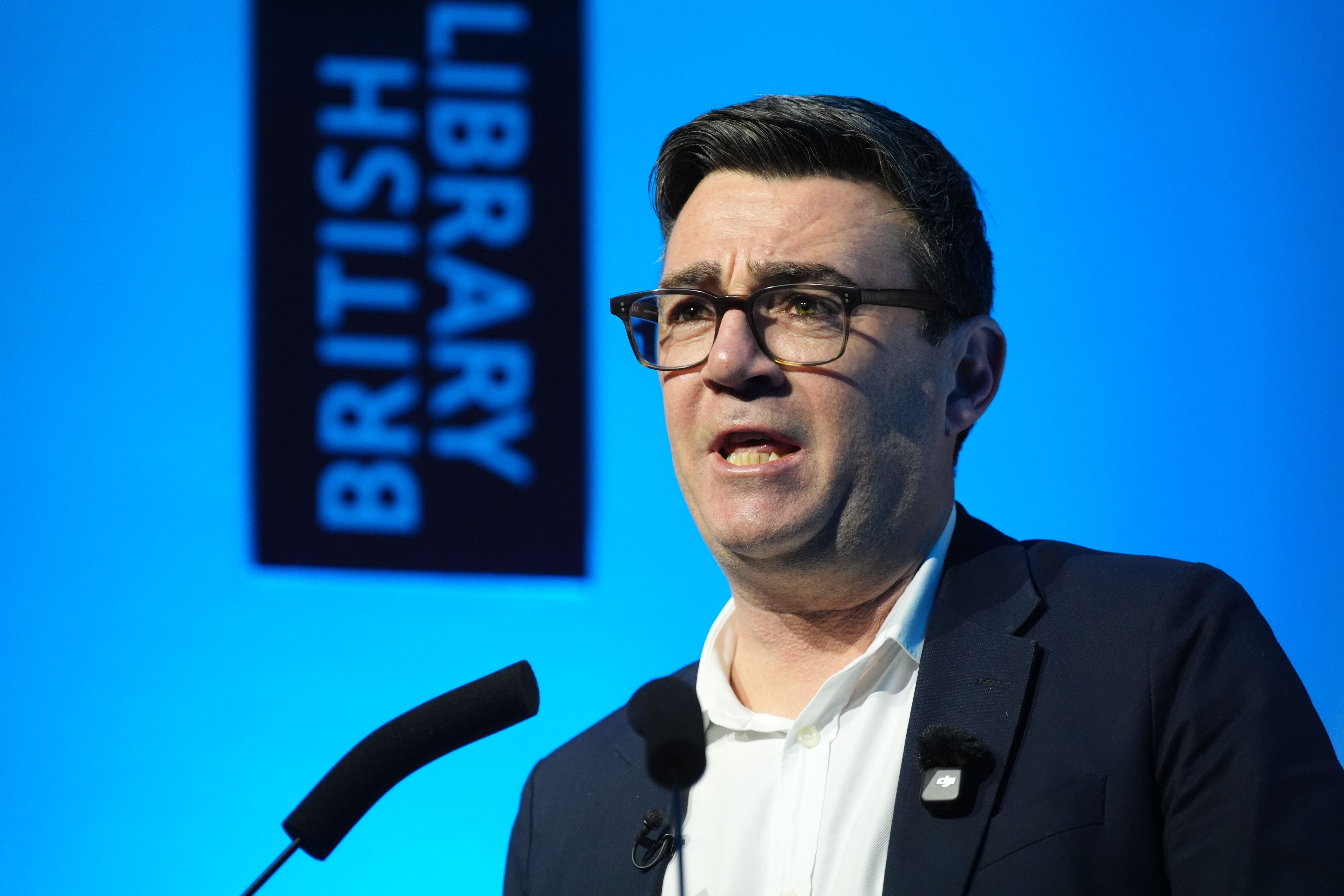
Like Mr Burnham, Ms Preston is originally from Merseyside and she believes that the mayor’s campaigning work with the Hillsborough families is evidence of how he stands up for working class communities.
“I’m sure when he sees this mess that we’re in, he will help to change it around”, she adds.
Many of the people speaking to The Independent in Ashton believe Labour has not truly represented post-industrial areas like this for some time, but they say Mr Burnham would win back their vote.
There is no love lost here for Sir Keir, believed by voters to illustrate how the party is no longer for them.
‘’I’ve not voted Labour for a while because of Starmer, because of all the wrongdoings and because I don’t think they’re on our side anymore”, says retired support worker Shelley Briody, 68.
“It changed when Tony Blair got in and it was the beginning of the end of the Labour Party”, she adds.
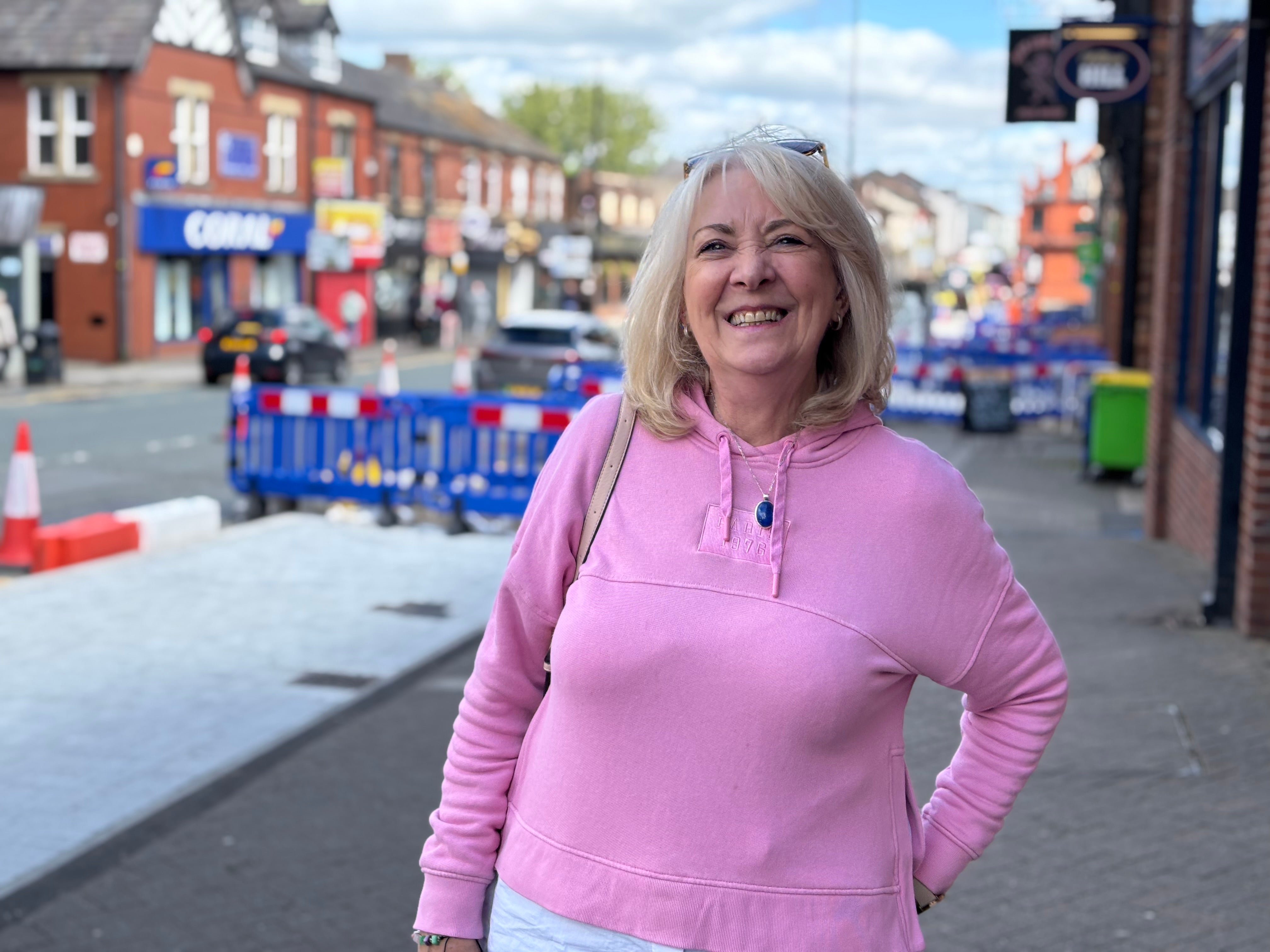
But like Ms Preston, Ms Briody feels rejuvenated by the prospect of seeing Mr Burnham’s name on the ballot.
She says he is the only Labour politician who could win her back to the party.
“Who else would bring us over?” she asks. “Not [Peter] Mandelson and all them – get them gone. I think Burnham would be the only one.”
Ms Biody cites Mr Burnham’s desire to improve the north’s transport links as central to his appeal and proof of what he could provide the area as its MP.
As mayor he is currently working on a project to construct a new station in the Golborne area of Wigan, which has been without railway links since the 1960s, something which Ms Briody believes is long overdue.
Asked if she feels Mr Burnham as Labour leader could reconnect the party with its roots, she says: “I hope so, because that’s what it needs.
“The fact that Reform has wiped 24 seats is unbelievable because Wigan’s notorious for being Labour.”
The view among backers of Mr Burnham, who was born on the outskirts of Liverpool, raised in nearby Culcheth, and represented Leigh in parliament from 2001 to 2017, is that he understands places such as Ashton in a way few of his colleagues do. They believe he can reconnect with its voters.
He won 66 per cent of the vote in Wigan at his last election and his personal popularity in England’s North West should not be underestimated.
But Reform’s local election performance underlines how close this race could be. It will test brand Burnham to its limits.
And not everyone is enamoured with the idea of the mayor standing in this seat, however.
“I feel like we’re being used to be honest”, says Gillian Smith, 71. “Since the election results came out last week, there’s been talk that Burnham is the one to get Starmer out.
“I thought: what poor constituency is going to have to suffer? Never ever thinking it’d be us in Makerfield.”
Ms Smith, a Conservative voter who switched her allegiances to Reform when it launched as the Brexit Party, has no interest in being part of the psychodrama of a Labour leadership race.
Instead she will be voting for Reform because she says it represents “the old-fashioned values that we were brought up with”. She is furious with how the Labour government has treated pensioners, after controversial planned changes to winter fuel payments sparked a backlash and prompted one of many major U-turns for the party.
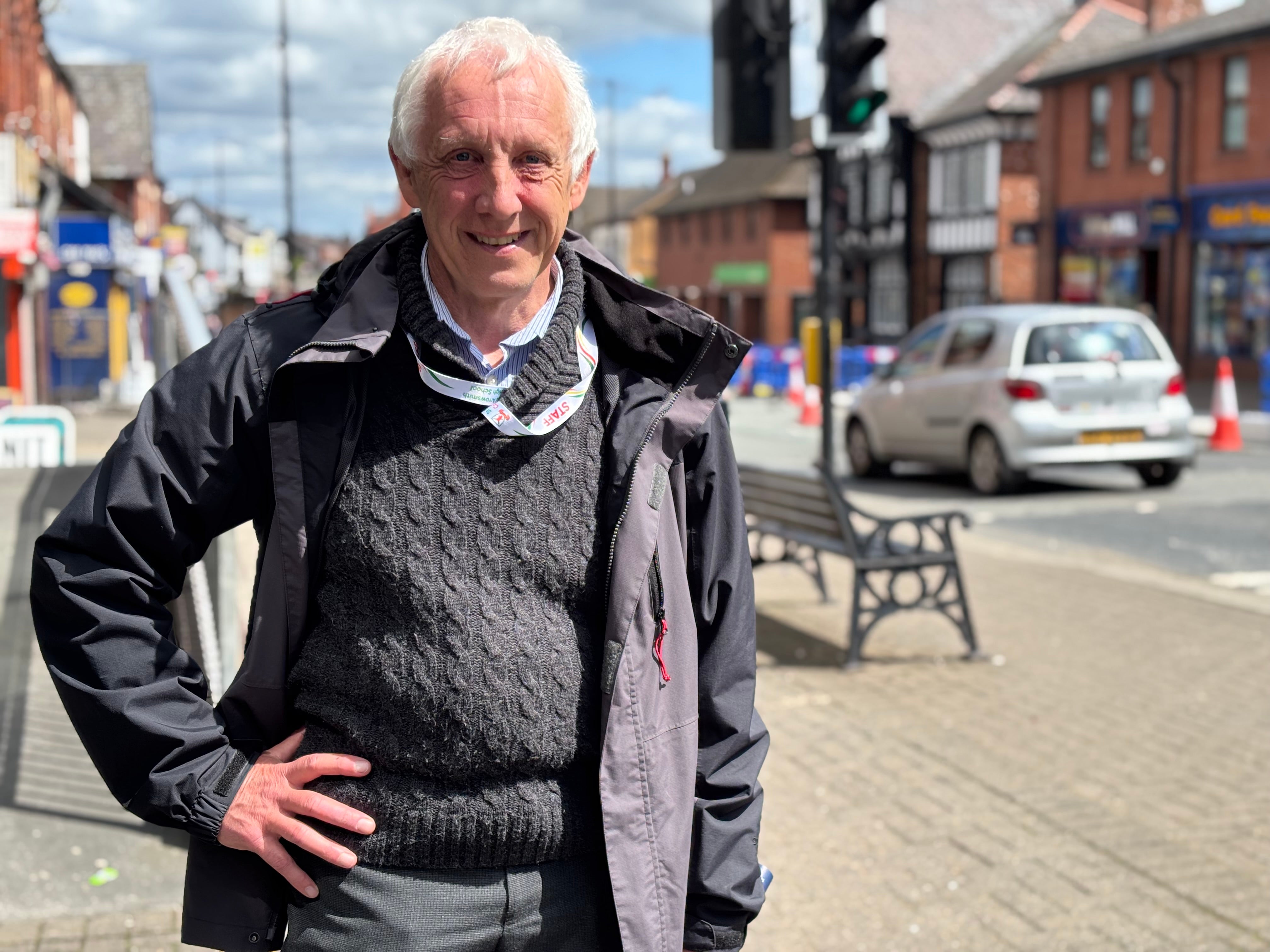
“I think Reform acknowledges that pensioners have been badly done by. I think that they’ll retain the triple lock on the pension which is very important.”
Lifelong Labour voter Shah Khan, 80, is also suspicious of the Burnham campaign, believing the seat is “without a doubt” being used to facilitate the mayor’s career ambitions.
He attempted to stand in the Gorton and Denton by-election in February but was blocked by Labour’s top brass before the party finished in an embarrassing third behind the Greens and Reform. Mr Shah believes standing in this seat is a case of pure opportunism from Mr Burnham.
“I voted for Keir Starmer, for his Labour Party, and not for somebody outside whose main goal is to be the next prime minister”, he says.
“I think it is a betrayal of the people of Ashton”.
School governor Andy Connellan, 68, doesn’t see it that way. A swing voter, he would be happy to vote for Mr Burnham, believing he would represent the area well and that the country needs new leadership.
He says: “It’s not working for Starmer. But Burnham is plain-speaking, he seems to talk a lot of sense and get things done, he connects with a lot of people here.
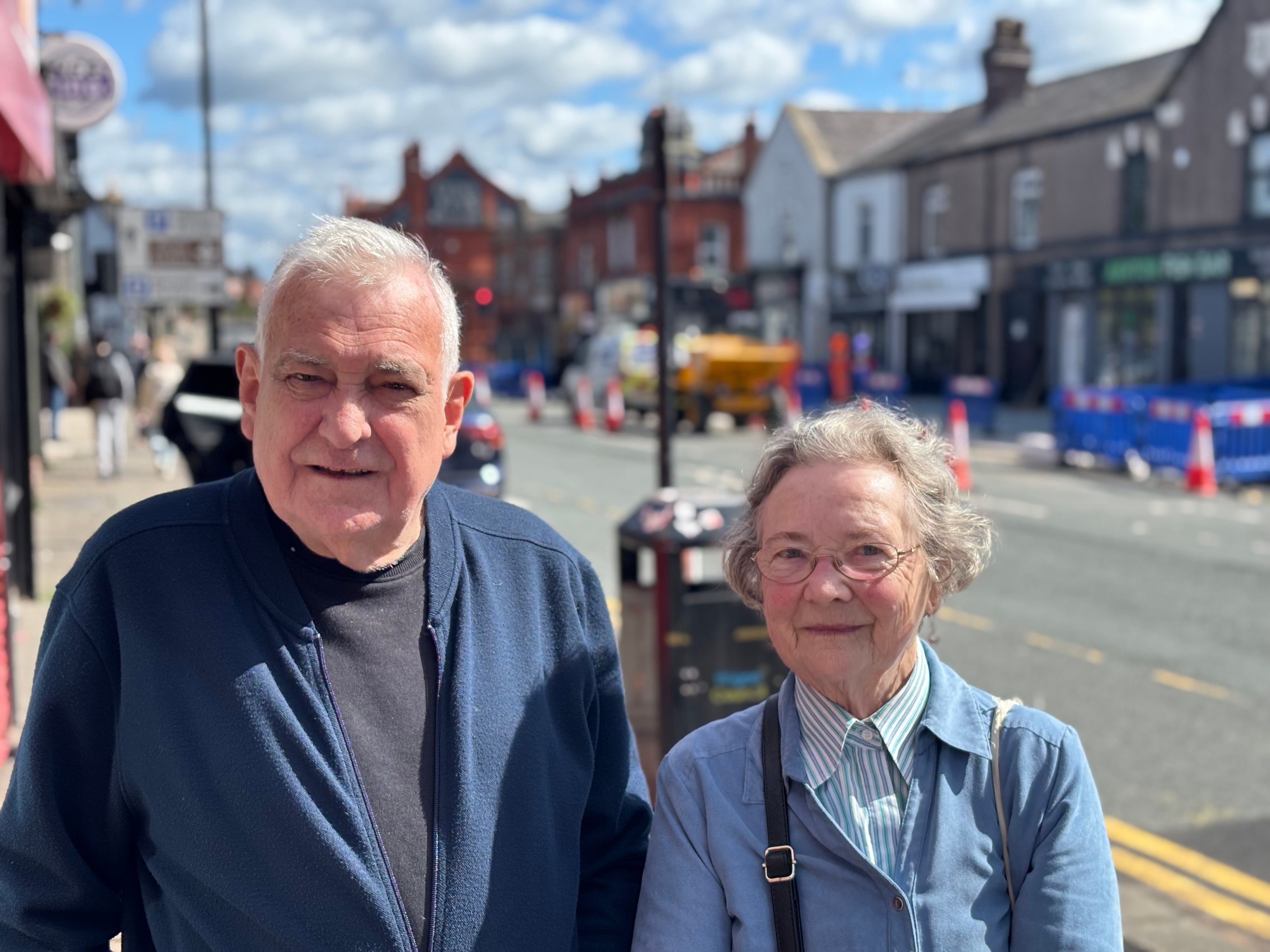
“But there’s been such a large swing to Reform [at the locals].
“Whether he can bring all those people out to vote for him, I don’t know.”
Kevan and Patricia Ball, both 82, will certainly be voting for Mr Burnham if he makes it onto the ballot. Neither of them have party allegiances but both would like the chance to vote for their mayor and return him to parliament.
“I admire him for the work he’s done for Greater Manchester as mayor”, Ms Ball says.
“Burnham understands the working class”, adds Mr Ball. “He was MP for Leigh, which is next door, and we have the same problems as Leigh.”
“I’m no fan of Keir Starmer at all. He doesn’t know what he’s doing, Burnham is a genuine guy.”
Whether their fellow voters share that view – and see Mr Burnham as a clean break from Sir Keir – will go a long way to determining whether the “King of the North” can win this seat.